
REVIEW · HISTORICAL TOURS
Hoi An: Half-Day Heritage Walking Tour
Hoi An reads like a living postcard. On this half-day walking tour, you get a guided circuit that connects Japanese and Chinese heritage with everyday Vietnamese life, all on calm, walkable lanes. I especially liked the Japanese Covered Bridge stop and the way the guide points out architectural clues as you move from house to house.
I also like that the tour builds in “real Hoi An” time at the market, so you are not just looking at pretty buildings from the outside. One thing to consider: depending on timing and group flow, the experience can feel more structured than free-form, with a chunk of time tied up in a traditional performance and a snack stop, so it may not match everyone’s idea of a pure history walk.
Key Things You Will Notice on This Hoi An Heritage Walk

- Japanese Covered Bridge on the route, so you see it in context, not as a random photo stop
- Chinese-style assembly hall visit (Fujian Assembly Hall) that helps you read the town’s mixed influences
- A traditional art performance slot that can surprise you if you expected only walking and old houses
- Hoi An Market time for local foods and the sights, sounds, and smells of daily life
- Ancient houses stop, including Old House of Tan Ky, where architecture explains the stories people tell
- Street snack moment at a herbal drink and sesame-salt style stop, quick but very local
Walking the Past in Hoi An’s Ancient Town, Without the Stress

Hoi An Ancient Town is small enough to enjoy on foot, but big enough that you can easily miss the details that make it special. This tour takes the guesswork out by stitching together key sites in a logical walking route, with a guide who helps you connect what you see to why it matters.
The vibe here is practical and gentle. You are mostly walking through tight lanes with a slower pace than you would get if you tried to “hit everything” alone. And even when the weather turns, the structure helps you keep moving without losing the day.
Value matters with tours like this, and at about $33 per person, you are not just paying for landmarks. You are also paying for a guided flow that includes entrance fees, bottled water, and an English-speaking guide, plus travel insurance. That can add up fast if you were pricing things separately.
You can also read our reviews of more walking tours in Hoi An



Pickup, Timing, and How to Think About the 4-Hour Promise
The tour runs about 4 hours, with pickup in Hoi An City Center and a short coach ride that bookends the walk. Expect roughly 15 minutes by bus/coach at the start and again on the way back.
Here is the practical part: build your plans around a walking tour day, not a rigid clock. Some people have experienced timing that felt shorter than expected, so if you have dinner reservations, try to keep them flexible. Also, because the route includes show and indoor moments, a rain jacket and light layers are smart even if the morning looks fine.
If you are staying outside central areas, note that pickup is not included for South Hoi An. Double-check that your hotel qualifies so you do not lose time negotiating a meet-up on the fly.
Hoi An Market: Where the Tour Gets More Than Sightseeing

The itinerary begins with time at Hoi An Market, about 35 minutes of guided exploring and a food market visit. This is one of the best parts for first-time visitors because it gives you the local baseline. You see ingredients, daily shopping rhythms, and small stalls that reflect what people do every day, not just what tourists take photos of.
I like this market stop because it breaks the “museum mode.” You are not only learning about old buildings, you are also learning how the town smells and moves. If you are hungry, this is the time to snack lightly so you do not end up stuck later when the rest of the tour is slower.
Fujian Assembly Hall: Reading Chinese Influence in Stone and Layout
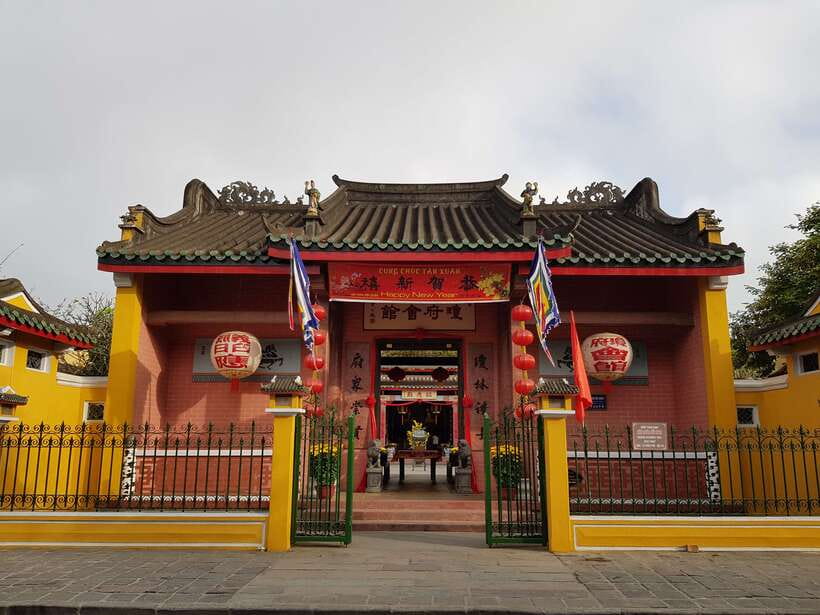
Next up is Fujian Assembly Hall, where Chinese cultural influence shows up in architecture and function. This is not just a pretty façade moment. The guide usually walks you through what the hall represents, so you understand why assembly halls were central to community life.
You will likely notice details that make Hoi An feel layered. Chinese motifs, Vietnamese street life, and the town’s trade history all sit next to each other in a way that is easy to sense while you walk. This stop helps you move from vague “old town charm” to specific “oh, that is why it looks like that.”
Time here is about 20 minutes, so it is enough for the highlights but not enough to feel like you are stuck inside for too long.
Traditional Art Performance Theatre: A Planned Pause (Good, but Know It’s Coming)
Around this point, the tour includes Hoi An Traditional Art Performance Theatre with about 40 minutes for a traditional dance show. This is genuinely worthwhile if you like culture you can watch, not just read about. The style of dance and performance is part of living heritage, and it often feels like a reset from the heat and walking.
That said, this is also where expectations can clash. If you booked thinking it would be wall-to-wall history with continuous outdoor walking, the show can feel like a detour. My advice is simple: treat the performance as part of the experience, not a delay.
If you enjoy short performances, you will probably find it one of the most memorable breaks. If you want maximum outdoor time, mentally plan for this stop ahead of time.
You can also read our reviews of more historical tours in Hoi An






Hoi An Folk Museum and the House Stops That Explain the Whole Town
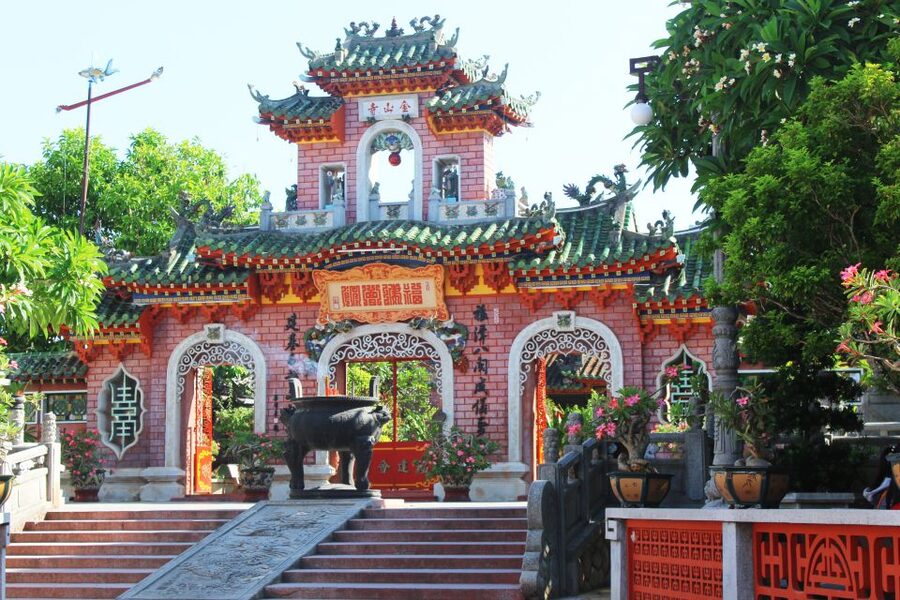
After the theatre, you get a quick visit to the Hoi An folk museum (about 15 minutes), followed by a classic ancient house stop: Old House of Tan Ky (about 20 minutes).
These two stops work well together. The museum gives you context, while the house gives you the physical evidence. In towns like Hoi An, you learn fast that architecture is not decoration. It is a map of influences, wealth, family life, and how people adapted to their environment.
At Tan Ky, you can expect guided attention on how the house works and why it looks the way it does. Even if you do not care about every architectural term, the guide’s explanations make you look at doors, halls, and structure in a new way.
Street Snacks and a Herbal Drink Stop That Feels Like Real Life
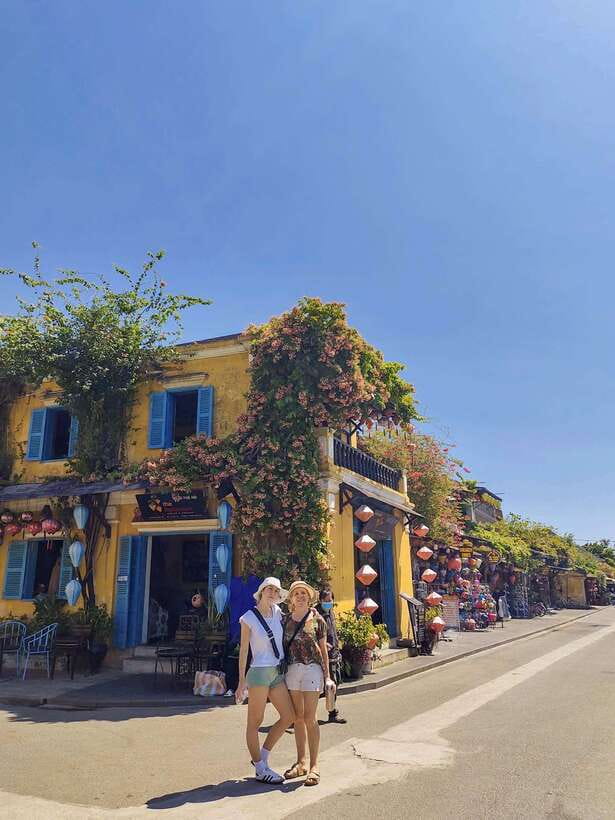
Then comes Mót Hội An – Nước Thảo Mộc Sả Chanh, roughly 10 minutes with street food and local snack time. This is brief, but it adds something important: a chance to try something local without turning the tour into a food-only crawl.
A stop like this also helps you understand the town’s daily culture. Hoi An is not frozen in time. People still buy herbs, sip drinks, and snack while they move through the old streets. If you are the type who likes to taste the place, this segment will feel like a win.
Japanese Covered Bridge: The Must-See Landmark, Done the Right Way
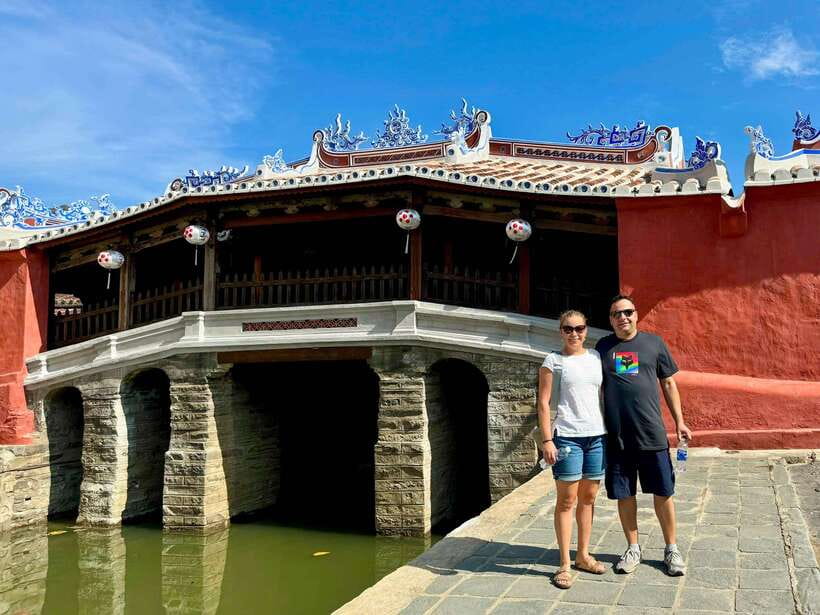
Next is the Japanese Covered Bridge, a quick 15-minute guided visit. Yes, it is iconic, but the value here is that you arrive with context. You have already seen a Chinese-influenced assembly hall and ancient houses, so the bridge feels part of a larger story, not just an isolated photo spot.
I like that this is not a long “wait in line” kind of stop in a half-day package. You get time to see the bridge, absorb the setting, and keep moving. If you take photos, do it efficiently, because you will want your legs fresh for the final stretch of walking.
Passing a Local Church Stop: One More Layer of Today in the Old Town

The tour also includes a guided walkthrough and pass-by segment at Hội Thánh Tin Lành Việt Nam – Chi Hội Hội An (about 15 minutes). This is not presented as the centerpiece, but it adds a modern layer to the town’s mix of influences.
For me, that matters because Hoi An is not only a historical theme park. Religious life, neighborhood routines, and ongoing community buildings are part of what keeps the town feeling alive.
What the Best Guides Do, and Who You Might Get
A big part of a walking tour is the guide, and this one can shine when the guide is attentive and organized. In past experiences, guides such as Emily have been praised for being especially attentive, including with an elderly mom in the group. Another guide named Phan has been noted as punctual and very clear in English, with answers to questions.
Even if you get a different guide, use this as a tip: if the guide is explaining while walking, you will get more out of the architecture stops. If you only hear silence until the next location, ask questions early. The older houses and assembly halls reward curiosity.
How Much Walking You Actually Do (And What Helps)
This is a heritage walk, so you should assume you will be on your feet for much of the route. The time estimates at each stop are short, so you will move steadily between locations.
I recommend practical preparation:
- Wear comfortable shoes with grip (ancient streets and occasional wet patches happen)
- Bring a light rain layer, especially if you see clouds
- Stay hydrated, bottled water is included
- Keep a small amount of cash for personal expenses since that part is not included
If you travel with mobility limits, ask your operator about the route details in advance. The tour includes stops that are easy to miss if you are moving slowly, and the rhythm is designed for walking.
Is This Good Value for $33?
At $33 per person, the price is fair for a guided half-day package that includes:
- Transfers and transportation as per the route
- Entrance fees
- Bottled drinking water
- English-speaking tour guide
- Travel insurance
Where it becomes a strong value is the mix of types of stops: market, assembly hall, theatre performance, museum, ancient house, bridge, and a local snack moment. If you were doing this alone, you would spend time figuring out tickets, timing, and how to sequence the town’s landmarks. Here, you also get someone to interpret what you are seeing as you walk.
Where it might feel less worth it is if your idea of a heritage tour is only old houses and history, with zero time spent in performances and any snack-focused stops. If that is you, consider whether the show and street snack segments will feel like a bonus or a distraction.
Who Should Book This Hoi An Heritage Walking Tour?
You will likely enjoy it if you:
- Are visiting Hoi An for the first time and want a smart route
- Want cultural context for the Japanese and Chinese landmarks
- Like a blend of architecture, museums, and one taste stop
- Prefer guided pacing over planning every turn yourself
It may feel less ideal if you want a purely self-paced, outdoor-only wander, or if you are strict about the tour running exactly 4 hours in real time. This is also not marketed as a long, slow “sit and read” style experience.
Should You Book This Tour or DIY It?
Book this tour if you want guided context for Hoi An’s key cross-cultural sites, plus a market experience and a practical route that saves you time. The Japanese Covered Bridge and the ancient house stop are worth seeing, and the guide turns them from photos into understanding.
DIY it if you already know the main sites you want, you hate organized show schedules, and you are comfortable reading the town on your own. Also DIY if you want zero time inside any performance space.
If you fall in the middle, this is a solid choice. At a modest price, you get a lot of “Hoi An in one afternoon,” as long as you go in expecting a mix of walking, interpretation, and a brief cultural show.
FAQ
How long is the Hoi An half-day heritage walking tour?
The tour duration is about 4 hours.
Where does pickup happen?
Pickup is included for hotels in Hoi An City Center. Pickup is not included for the South Hoi An area.
Does the tour include the Japanese Covered Bridge?
Yes. The itinerary includes a visit to the Japanese Covered Bridge.
What language is the guide?
The tour includes an English-speaking tour guide. Other languages are available upon request with a surcharge.
Is transportation included?
Yes. Transfer and transportation are included as per the itinerary, with a bus or coach segment at the start and end.
Are entrance fees included?
Yes. Entrance fees are included.
Is bottled water provided?
Yes. Bottled drinking water is included.
Is there an art performance during the tour?
Yes. The itinerary includes time at the Traditional Art Performance Theatre, including a traditional dance show.
What is the child policy?
The policy states that a maximum of 1 child can accompany 1 adult at the child price. The 2nd child will pay the adult price.
What is the cancellation and refund policy?
Free cancellation is available up to 24 hours in advance for a full refund.
More Walking Tours in Hoi An



More Tours in Hoi An





More Tour Reviews in Hoi An






Not for you? Here's more nearby things to do in Hoi An we have reviewed











Historical Tours, compared.
 ★ 5.0Heritage Adventure Private Tour by Electric CarFrom $1796 reviews
 ★ 5.0Vietnamese Cooking Class in Historical Hoi An RestaurantFrom $3358 reviews
 ★ 5.0Hue Culture & History Day Tour – Departing Hoi An or Da NangFrom $14826 reviews
 ★ 4.5My Son Sanctuary And Hoi An Heritage Full-day TourFrom $9525 reviews
 ★ 4.8Da Nang: Full-day My Son Sanctuary And Hoi An Heritage TourFrom $6721 reviews
 ★ 5.0Ky Anh Tunnel & Cham Old Tower By Private Tour History of WarFrom $5519 reviews
 ★ 5.0Da Nang Epic History Tour by Cham Museum & Tasty Cuisine/CafeFrom $2915 reviews
 ★ 4.5My Son Sanctuary And Hoi An Heritage Full-day TourFrom $7815 reviews
Browse the lists this tour appears in