REVIEW · HOI AN
Hoi An Home Hosted Meal in Rice Farmer Home
The smell of fresh rice is the hook. This Hoi An experience pairs a traditional rice-making process with a home-hosted Vietnamese meal in a wet-rice farming village. You get picked up around 5:00 pm, ride out of the center, and arrive as a Special Guest to dinner or lunch with a local family.
I love how much it feels like learning from real daily life, not a performance. I also like that the host explains the process step by step, including how rice becomes rice flour for pancakes later in the meal. One consideration: the experience runs about 3 hours in a countryside setting, so you’ll want to be comfortable with travel time and spending part of your evening off the main tourist streets.
Key things to know before you go
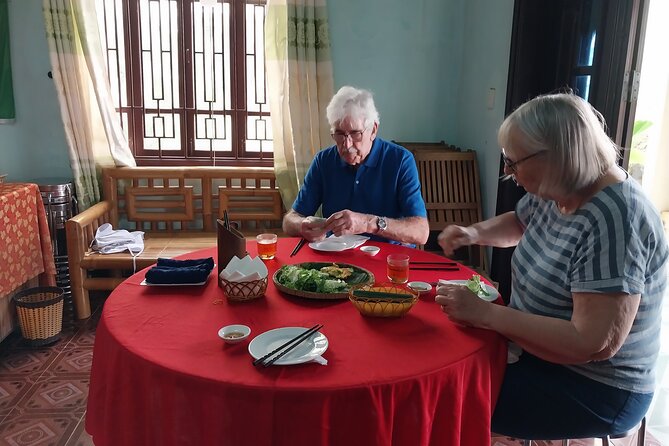
- A wet-rice village meal with a family welcome that includes time to chat and learn family routines.
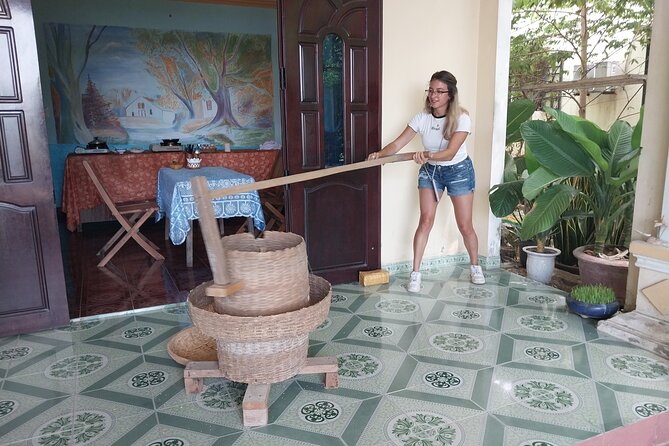
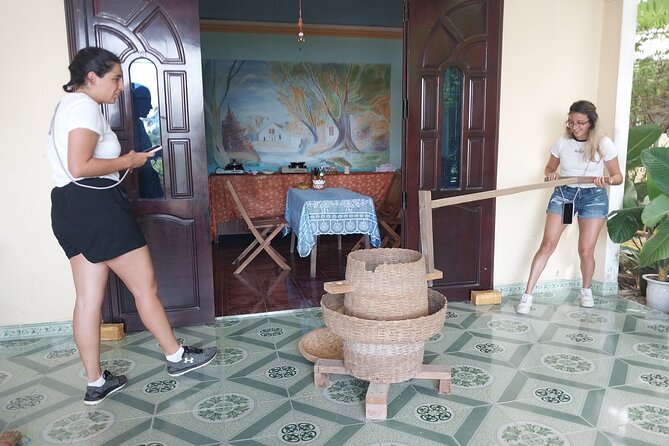
- Old-school rice steps you can actually see: husking, winnowing, sifting and pounding, then grinding into rice flour.
- A homestyle meal setup with Vietnamese dishes, plus coffee or tea, Vietnamese tea, passion juice, and seasonal fruit.
- You may get hands-on moments like planting rice, cycling locally, and making rice pancakes (it depends on the day and schedule).
- Tea break after dinner for life stories, including how farming connects to tourism now.
Hoi An rice-farm homestay timing, pickup, and what the 3 hours really feel like
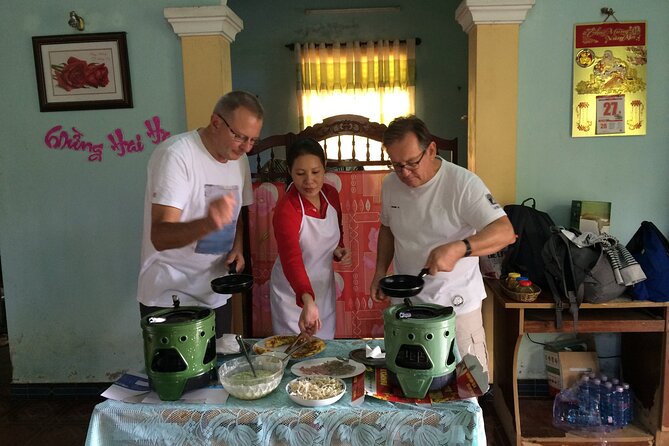
Plan for a relaxed, early-evening rhythm. At 5:00 pm, you’ll be picked up in Hoi An center. The ride out is typically by taxi, and in at least one case it was about 10 minutes to the host’s house in the countryside. It’s long enough to switch gears from the old town vibe to farmland life, but not so long that you lose daylight.
The experience lasts about 3 hours. That means you’ll do two big things without rushing: first, rice production and family stories, then dinner and a tea break. In the real world, this pacing matters. You don’t just eat, you also understand why the food shows up the way it does, and you get time to ask questions in English.
Drop-off is not included. The good news is you’ll be transferred back to your hotel around 8:00 to 8:30 pm, depending on timing. Because it ends near the evening rush, I’d keep dinner plans flexible after the tour.
If your schedule is tight, note the tour uses a mobile ticket and you start at a set meeting time. The listed start point is Hoi An Historic Hotel on Tran Hung Dao, but pickup in Hoi An center is also part of the experience. Either way, you’ll want to be ready a few minutes early so the host can grab you on time.
You can also read our reviews of more tours and experiences in Hoi An.


From pickup to family doorstep, this is where the culture becomes real
One of the best parts of this tour is the welcome. When you arrive, all family members greet you, and you get a short introduction to their household. In one example, the family included the host, his mother, his wife, and two young daughters. It changes the mood fast, because you’re not waiting in a lobby or watching from the sidelines. You’re being pulled into the home.
The host is also your guide. He’s English-speaking, and that matters here because the rice process is technical in a hands-on, practical way. If you don’t speak Vietnamese, you still won’t feel lost. You’ll understand what you’re seeing and what it means in daily work.
You also get a real sense of table manners and meal flow. The guide explains Vietnamese cuisine, and there’s specific attention to how to sit, eat, and interact in a home setting. It sounds small, but it’s a big deal when you want the dinner to feel natural instead of awkward.
Practical tip for you: come with a few simple questions. Things like how long each rice step takes, what the family does in different seasons, or how tourism changed their work. The host’s story is one of the main threads of the night.
Traditional rice-making, step by step (husking to rice flour)
This is the heart of the experience. You’re in a wet rice farming village, and the host explains the workflow from raw rice to the white rice and flour used for cooking.
Here’s what you can expect to see and hear, in sequence:
1) Husking to brown rice
You start with the rice getting husked to remove the outer layer. That produces brown rice, which still has layers that make it different from what you buy in bags.
2) Winnowing to separate husk
Next comes winnowing, where separation happens so the useful rice is separated from the chaff. It’s a process that looks simple but actually connects to how farmers manage quality.
3) Sifting and pounding to become white rice
Then the rice moves toward becoming white. Sifting and pounding are traditional, labor-based steps. The host explains how this turns the rice into the version most people recognize in Vietnamese kitchens.
4) Grinding white rice into flour
Finally, the host takes you to the grinding stage. The result is rice flour, and that matters because it feeds directly into the meal planning.
What I like about this part is that it’s not theoretical. You’re shown the tools in the host’s house and countryside setting, including old hand machines. That makes the process feel tangible, not like a “history lesson” stuck on a wall.
And because this is a home, the rice-making connects to why people cook the way they do. The flour isn’t a random ingredient you taste later. It’s the result of steps you watched.
You might also get hands-on: planting rice, cycling, and rice pancakes
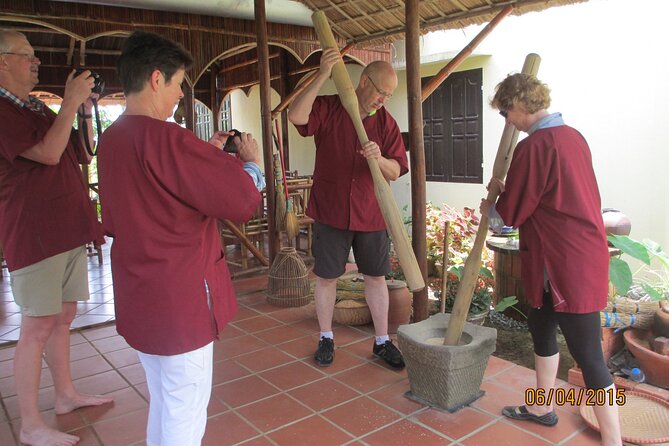
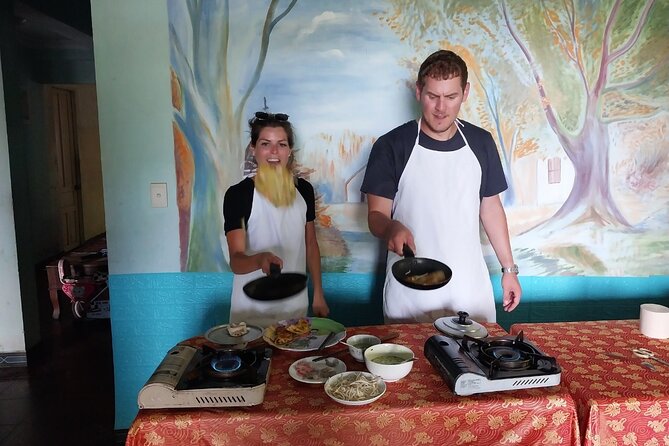
Some days include extra “get your hands involved” moments. Based on real descriptions of the experience, you may cycle through the countryside, do planting related to rice farming, and get involved in making rice pancakes. The rice flour element is clearly tied to pancakes, so even when you’re not planting, you’re likely to see how the flour becomes food.
Because the schedule is tied to the family’s routine and the timing around your meal, I can’t promise every add-on every time. But if your day includes these moments, they’re valuable because they turn viewing into participation. You come away with the sense of effort behind everyday ingredients.
If you’re going with kids, this kind of “watch, then try” format is often the difference between an adult-friendly talk and something the whole group remembers. In one set of notes, families enjoyed the rice farm part and also mentioned cycling as a highlight.
Bring mindset gear for this: expect to be slightly active and occasionally sit close to work stations. Wear comfortable shoes and dress for evening temps, since you’ll be outdoors around the village before and after dinner.
Dinner at a Vietnamese family home, with tea and sweet extras
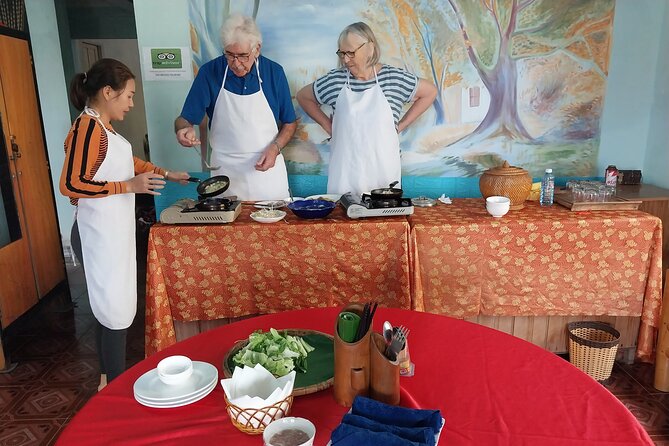
After the rice talk, you shift to the meal. You’re invited as a Special Guest to a home-cooked Vietnamese dinner, and you may also have the chance to join in preparing parts of the meal. That is one of those details that makes the difference between a standard “food tasting” and a lived-in experience. You’re not just eating dishes, you’re part of the process and conversation.
The meal includes Vietnamese dishes prepared by the wife and daughter in the home. The host also talks about Vietnamese cuisine and table manners during the meal, which helps you taste more thoughtfully. Instead of random bites, you understand what each dish represents and how it fits into the culture of the household.
Drinks and extras are part of the package:
- coffee and/or tea
- Vietnamese tea
- passion juice
- seasonal fruit
That’s a lot more than you typically see in basic tours. It also keeps the evening comfortable, because you’re not just waiting while everyone eats. There’s time to talk, sip, and settle in.
After dinner, you don’t just leave. You join a tea break with the host. This is when the story shifts from rice to life, including the host’s family background and how they moved from farming work into tourism. It’s one of the best ways to understand what you’re seeing without needing a lecture.

How to get the most from your English-speaking host
This kind of tour runs on conversation. The guide is your interpreter for the rice, but also for the cultural meaning behind it. Since the host is English speaking, you can ask follow-up questions instead of just nodding along.
Here are the questions that tend to land well and make the evening feel personal:
- What does each rice step take, and who usually does it?
- How did the family shift from farming to working in tourism?
- Are there different rice needs in wet season versus dry season?
- What dishes use rice flour most often at home?
Also pay attention during the table manners part. You’ll likely learn small habits around how meals are served and eaten in the home. That’s useful because it gives you context for other meals you’ll have in Vietnam later.
One more practical point: this is described as a private tour/activity. That means you’re not competing with strangers for attention. If you’re shy, you still get space to ask one or two questions and focus on the rice and meal.
Price and value: what you really get for $34
At $34 per person, this tour is priced for a full, local, family-run evening, not just a quick meal stop. For that price, you get:
- pickup from Hoi An center
- an air-conditioned vehicle
- a dinner (or sometimes lunch timing depending on day) with coffee/tea
- Vietnamese tea, passion juice, and seasonal fruit
- an English-speaking host guide
- time with the family, including a tea break afterward
That package is the value. You’re not only paying for food, you’re paying for access: to a rice farming home, to the rice-making steps, and to stories that connect the two.
If you’ve done cooking classes in tourist zones, you know how often those can feel staged or crowded. Here, the “class” is literally what the family does, and your dinner is part of the same house routine. That’s why it can feel worth it even when the duration is only about 3 hours.
One consideration on value: it’s a set evening schedule. If you’re the type who wants a lot of attractions in one day, this won’t be that kind of tour. But if you want one meaningful experience, it’s a strong use of time.
Who this Hoi An rice-farm dinner suits best (and who might want something else)
This works especially well if you like farm-to-table ideas that are not just marketing. You want to see how rice becomes flour, and you like the idea of hearing how farming life connects to tourism today.
It’s also family-friendly. In one set of comments, families with small kids enjoyed the experience, including the rice process and cycling highlight. The private format also helps, because you’re not managing a big crowd.
Choose it if you:
- want a real homestay dinner experience in the countryside
- enjoy food stories and practical food-making
- prefer intimate group time over busy group tours
Consider another option if you:
- hate countryside travel or being outside for part of the evening
- want only a quick meal without the rice-making steps
- plan to pack this into a super tight schedule, since it starts around 5:00 pm and returns around 8:00 to 8:30 pm
Weather matters here. The experience requires good weather, and if it’s canceled due to poor weather, you’ll be offered another date or a full refund.
Should you book this rice-farmer home hosted meal?
If you’re in Hoi An and you want one experience that feels both cultural and practical, I’d book it. The reason is simple: you get more than dinner. You get the rice process explained step-by-step, you sit with a Vietnamese family, and you continue chatting over tea after the meal.
The strongest reasons to go are:
- you see traditional rice production and how rice flour ties into cooking
- the family welcome and tea break make it feel personal, not transactional
- the inclusions are substantial for the price, especially pickup plus a full meal and drinks
Book it if you want an authentic evening that doesn’t require you to hunt down off-the-map plans on your own. Skip it if your ideal day is built around speed and lots of separate stops, because this tour is deliberately focused and stays with one family story from start to finish.
FAQ
What time does the Hoi An rice-farm home meal start?
It starts at 5:00 pm.
How long is the experience?
It runs about 3 hours (approx.).
Do they pick me up in Hoi An?
Yes, pickup is offered from your hotel in Hoi An center.
Is drop-off included?
No, drop-off is not included. You will be transferred back to your hotel around 8:00 to 8:30 pm.
What is included with the meal?
Dinner is included, along with coffee and/or tea, Vietnamese tea, passion juice, and seasonal fruit.
Do I need to speak Vietnamese?
No. The guide is English speaking (the host).
Will I see how rice becomes rice flour?
Yes. You’ll be shown the traditional steps: husking to brown rice, winnowing to separate husk, sifting and pounding to become white rice, and grinding white rice into rice flour used for pancakes later.
Is this tour private?
Yes. It is private, so only your group participates.
What happens if the weather is bad?
The experience requires good weather. If it is canceled due to poor weather, you will be offered a different date or a full refund.
Can I cancel for a refund?
You can cancel for free up to 24 hours in advance for a full refund. If you cancel less than 24 hours before the start time, the amount paid is not refunded.