
REVIEW · MUSEUMS
Da Nang Epic History Tour by Cham Museum & Tasty Cuisine/Cafe
Three hours, and Da Nang makes sense. I like how this tour connects big, old ideas like Cham Pa Hinduism and Mahayana Buddhism to the modern city you actually walk through, plus food stops that feel like part of the story.
I love the chance to see Cham Museum and its stone sculpture world, then switch gears to the Han River and Dragon Bridge views. I also really value having an English speaking guide with a historian background, not just someone who recites dates.
One thing to consider: there is no pick up or drop off, and the schedule is tight for a 3-hour walk, so it helps to arrive on time and wear comfy shoes.
Key Highlights Worth Booking for
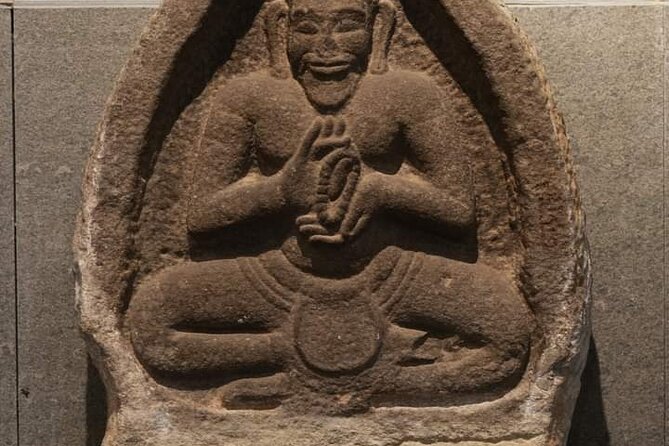
- Da Nang Museum of Cham Sculpture, with hundreds of Hinduism related stone works from the 7th to 14th century
- Long An Temple (An Long Pagoda), with Mahayana Buddhism and local practice explained through real-life stories
- Dragon Bridge and the Han River walk, including a look at what Da Nang became during the Vietnam War era
- Pho and herbal green tea at the Hanoi Corner, a food stop built into the route, not tacked on
- Da Nang Cathedral Church, known by locals as the Chicken Church
- Coconut coffee or salt coffee to close, with extra context about Vietnam’s past
Cham Museum of Cham Pa: Stone Sculptures With Real Story Energy
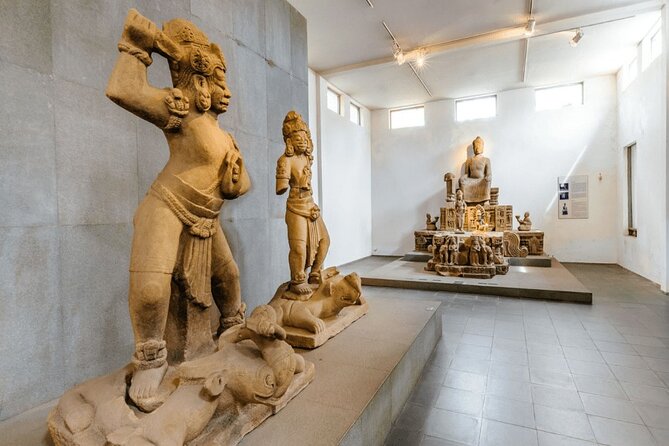
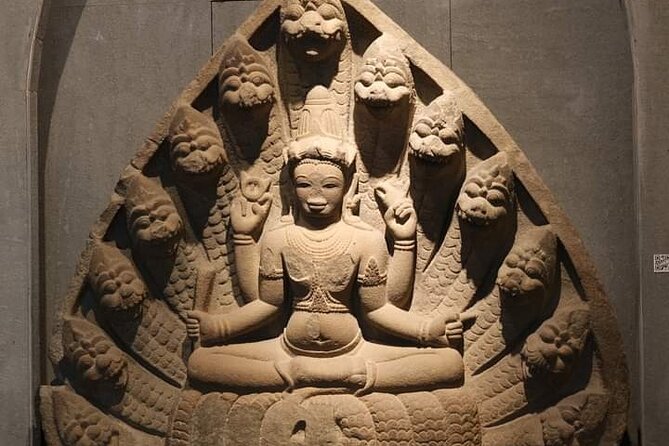
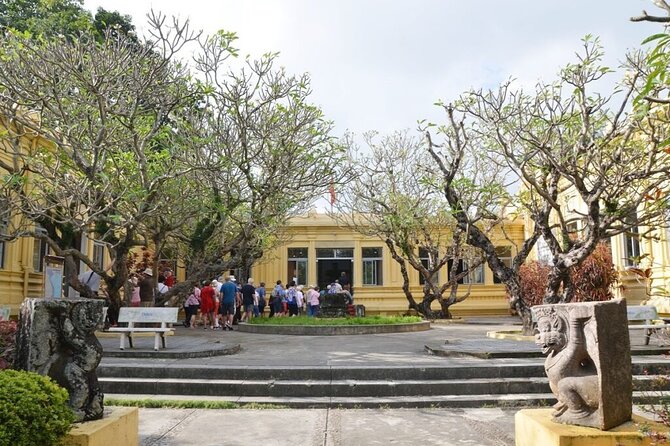
If you care about Southeast Asian history, Da Nang’s Cham Museum is a smart first move. The museum focuses on Hinduism in the Cham Pa Kingdom, and it’s not a small collection either. You’re looking at hundreds of antique stone sculptures, spanning roughly the 7th to 14th century, so you get a sense of style and belief over time rather than one random artifact.
What makes this stop work for me is the pacing. You’re not just shuffled through rooms. Your English speaking guide, Hung Le Travel’s local guide (often listed as Mr. Hung), gives you historical framing that helps the sculptures make sense. You’ll also hear how this connects to My Son, the related relic area tied to Vietnam history. That connection matters because it links what you see indoors to a larger regional story you can recognize later, even if you do not visit My Son on this specific tour.
Practical tip: plan a little patience here if you like to read details. The museum is the heart of the schedule. If you rush, you lose the fun part, which is noticing the sculpture themes and understanding what they meant.
You can also read our reviews of more historical tours in Da Nang

Long An Temple and Mahayana Buddhism: Belief as Daily Rhythm
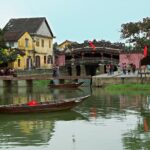
Next comes a change of pace: temple time. At Long An Temple (An Long Pagoda), you learn about Mahayana Buddhism and how local beliefs show up in daily life. This is where the tour stops feeling like pure sightseeing and turns into something more useful for your brain.
The guide’s method is the key. The tour is described as including interesting stories behind what you’re seeing. So instead of treating the temple as a photo backdrop, you learn why people practice the way they do, and how those ideas affect daily routines. Even if you’re not religious, it helps you understand the city’s emotional weather, the way faith shapes respect, family, and community behavior.
What you might like most is that this stop builds a bridge from the museum’s Hinduism focus to Vietnam’s Buddhism tradition. You are still in the world of religion and symbolism, but the meaning shifts. You start noticing how different cultures across central Vietnam used spiritual art and ritual to explain life.
Practical tip: temples can mean stairs and shaded courtyards. Bring a light layer if you get cold easily from air conditioning in museums right before you step outdoors.
APEC Park to Dragon Bridge: The Han River View and the Vietnam War Layer
After temples, you move into city sights. The route includes APEC Park, then you head toward the iconic Dragon Bridge, described as 666 meters long and one of the most recognizable bridges in the world.
For many people, Dragon Bridge is a daytime photo mission. On this tour, it’s more than that. You walk along the Han River to see what American construction built for the Vietnam War, and the guide explains how Da Nang became the strongest military base before 1975. That historical layer turns the riverfront into something you can read. You are not just looking at architecture, you’re understanding why certain areas became important and how conflict still echoes in the layout and landmarks.
This is one of the most valuable parts of the whole tour because it prevents history from staying trapped in museums. It’s one thing to hear dates. It’s another to stand near the modern city and connect it to the war-time reality that shaped it.
Practical tip: bring sun protection. Even if the tour is only a few hours, you can spend meaningful time outside. Also, don’t expect a quiet, empty promenade. This is central Da Nang, and you’ll share space with daily life.
Hanoi Corner Pho: A Food Break That Matches the Route
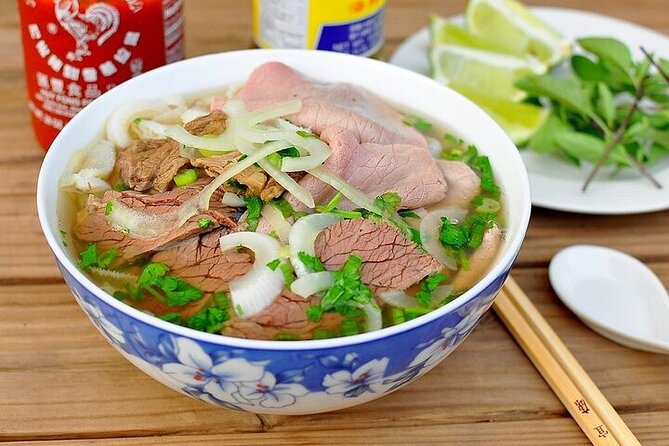
Then comes food, but not in the random, drive-by way you sometimes get on short city tours. The schedule includes a stop at Hanoi Quarter inside Da Nang for pho, described as the best pho. You can choose chicken or beef pho, and the tour also includes Ha Noi herbal green tea at the Hanoi Corner.
This is a smart value move. At $29 per person, you’re getting a guided history walk plus multiple included refreshment moments. Pho is not only tasty, it also helps you keep moving. You get a pause that feels like part of the city rhythm rather than something you squeeze in later.
What you should watch for: if you’re picky about spice levels, ask when ordering, since pho can range in how it’s served. The tour does not list spice details, so you’ll want to use your guide to communicate preferences quickly.
If you’re thinking food first: this is a good stop. If you’re thinking history first: it still works, because the guide’s overall storytelling approach ties everyday places to broader patterns.
Da Nang Cathedral, the Chicken Church, and Han Market in Colonial Clothes
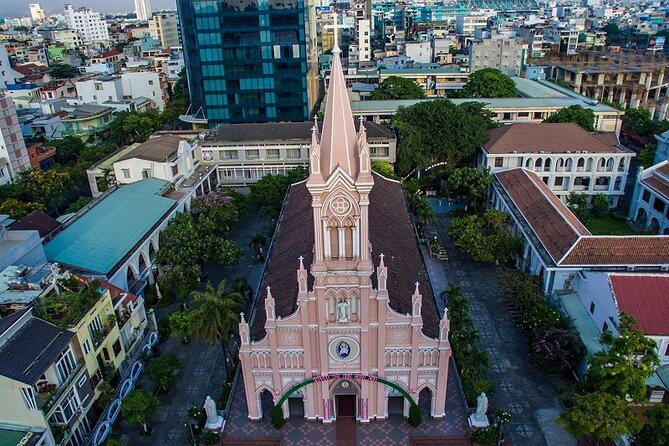
Next you head to Da Nang Cathedral Church, known by locals as the Chicken Church. That nickname alone is worth a look, because it tells you locals have a sense of humor and identity around their landmarks. But the tour’s real payoff here is context. You see a major religious building in the middle of the city, then you move onward into the market area with a different cultural lens.
The route includes Han Market, described as the biggest market in central Vietnam and built by French during the colonial period. You’ll also hear stories about the Chinese community living in Vietnam. That combination matters because it gives you a sense of how central Vietnam’s cities became meeting points for different groups, not isolated bubbles.
This is a good area to slow down. Markets are where you notice what locals buy, how they talk, and what everyday life looks like when the tourists thin out. Even without a long shopping list, it’s useful for orientation. After Han Market, Da Nang feels more navigable.
Practical tip: markets mean lots of walking and uneven areas. If your feet are sensitive, keep your footwear simple, and take water breaks when you can.
You can also read our reviews of more museum experiences in Da Nang


Coffee Finale: Coconut or Salt Coffee With War-Time Stories
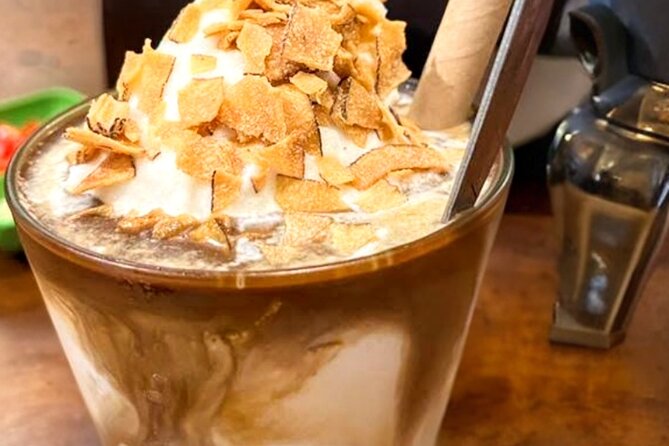
A tour that ends with coffee can easily feel like a sugar delivery. This one aims for something more. You finish with tasting coconut coffee or salt coffee, described as among the best coffee in Vietnam, and the guide adds untold stories about Vietnam’s past, including how wars affected your fathers’ generation’s sleep, even now.
I like endings like this because they give you a last sensory memory, not just another landmark. Coffee is also an easy way to connect with Vietnamese daily culture. You can walk away tasting something and thinking about the human side of the past, not just the political side.
If you’re choosing what to prioritize, think of the coffee stop as your emotional landing pad. The earlier stops deal with religion, then war-era geography, then city life. The coffee tasting is a gentle way to close the loop.
Price and Value: What $29 Really Covers

At $29.00 per person for about 3 hours, this is priced like a budget-friendly short tour, not a premium full-day package. The value comes from what’s included:
- An English speaking guide with historian background, plus a private certificate
- Cham Museum entrance tickets, so you do not have to figure out museum admission separately
- Pho (chicken or beef)
- Coconut coffee or salt coffee tasting, depending on your selected option
- Ha Noi herbal green tea at the Hanoi Corner
There’s also optional structure if you pick a walking tour plus rice wine distillery option. In that case, rice wine distillery and tasting is included. That’s a nice add-on if you want an extra taste of local adult drinks without planning it yourself.
What is not included is also clear, which makes budgeting easy: no pick up or drop off, and you’ll need to handle any extra meals or drinks outside the tour. Tips for the guide are not included either.
One more value angle: the tour uses mobile ticket delivery. That reduces friction at the start, especially when you’re paying attention to your surroundings in a new city.
Who This Tour Suits Best
I think this tour fits best if you want a tight, guided slice of Da Nang that mixes big themes and everyday scenes.
You’ll probably enjoy it if:
- You like history, but you want it attached to places you can walk through
- You care about cultural context, not just snapping photos
- You want included meals that keep you from hunting for food mid-day
- You prefer a private group setting, so the pace stays comfortable for your people
You might want to look elsewhere if:
- You require door-to-door transportation, since pick up and drop off are not included
- You get overwhelmed by a full 3-hour schedule with multiple stops
Should You Book This Da Nang Epic History Tour?
Yes, if your goal is to understand Da Nang fast, with a guide who explains why the city looks the way it does and how different eras shaped daily life. The strongest reasons to book are Cham Museum with its massive collection, the Han River and Dragon Bridge section tied to Vietnam War context, and the food and coffee stops that make the route feel complete.
If you’re the type who wants everything slow and unstructured, or you need transportation handled end to end, the lack of pick up and the compact timing could feel limiting. But for most people doing a short stay in central Vietnam, this is a solid $29 way to get more meaning per hour.
FAQ
How long is the Da Nang Epic History Tour?
It runs for about 3 hours.
Where does the tour start and end?
It starts at Da Nang Museum of Cham Sculpture at Số 02 Đ. 2 Tháng 9, Bình Hiên, Hải Châu, Đà Nẵng 550000, Vietnam, and it ends back at the meeting point.
Is pick up or drop off included?
No. Pick up and drop off are not included.
What meals and drinks are included?
The tour includes chicken or beef pho, and a tasting of coconut coffee or salt coffee. It also includes Ha Noi herbal green tea at the Hanoi Corner.
Is a museum ticket included?
Yes. Cham Museum entrance tickets are included.
What happens if the weather is poor, or I need to cancel?
The experience requires good weather. If it is canceled due to poor weather, you will be offered a different date or a full refund. You can cancel for free up to 24 hours in advance for a full refund.
More Historical Tours in Da Nang

More Tours in Da Nang


More Tour Reviews in Da Nang


Not for you? Here's more nearby things to do in Da Nang we have reviewed





Museums, compared.
 ★ 5.0CSO Gallery – Museum in Hoi An Entry TicketFrom $108 reviews
 ★ 5.0Phap Studio Gallery Art Classes Painting Workshop Hoi AnFrom $375 reviews
 ★ 5.0Cham Museum Hinduism Artstone & Marble Mountain By Private TourFrom $434 reviews
 ★ 5.0Experience Traditional Vietnamese Costumes at Dong Dinh MuseumFrom $1044 reviews
Browse the lists this tour appears in