
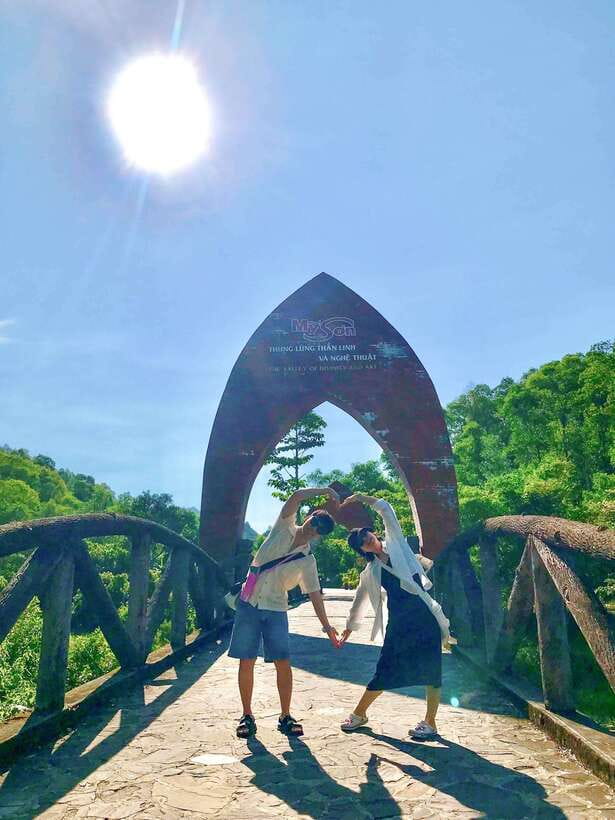
REVIEW · MY SON SANCTUARY TOURS
Da Nang: Full-day My Son Sanctuary And Hoi An Heritage Tour
Two ancient worlds in one long day. You start at My Son Sanctuary, the UNESCO-listed Champa religious center in a green valley, then finish by walking Hoi An’s historic streets with its mixed architectural styles. I really like the guided way the ruins and town are explained, and I also like that the tour includes key sights like the Japanese Covered Bridge and an old merchant house. One drawback to note, the day runs about 9.5 hours, so you should expect heat and steady walking.
This is the kind of route that makes sense when you want to see more than just one landmark. You’ll be with an English-speaking guide, and names like Emily and Be come up in reports for being clear and passionate about both the archaeology and Hoi An’s culture. If you prefer a slow, loose schedule, this may feel a bit structured, but it does keep you moving between major stops without wasting time.
Key Points You’ll Care About
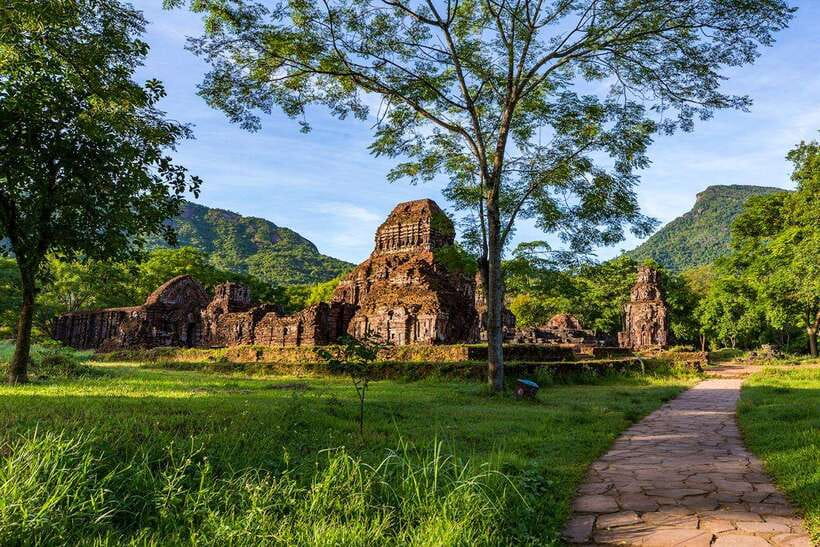
- UNESCO My Son: red brick sanctuaries tied to the Champa Kingdom, with ruins spanning from the 3rd century onward
- A real mountain valley setting at My Son, where the landscape helps you understand why this site mattered
- Hoi An walking route that strings together market life, museums, assembly hall style buildings, and heritage houses
- Signature photo stops including the Japanese Covered Bridge and classic old-town streets
- Lunch plus a café snack: you’re not left hunting food between sites
- English guidance throughout, so the culture and architecture click instead of feeling like random sightseeing
Why My Son Plus Hoi An Makes Sense as One Day
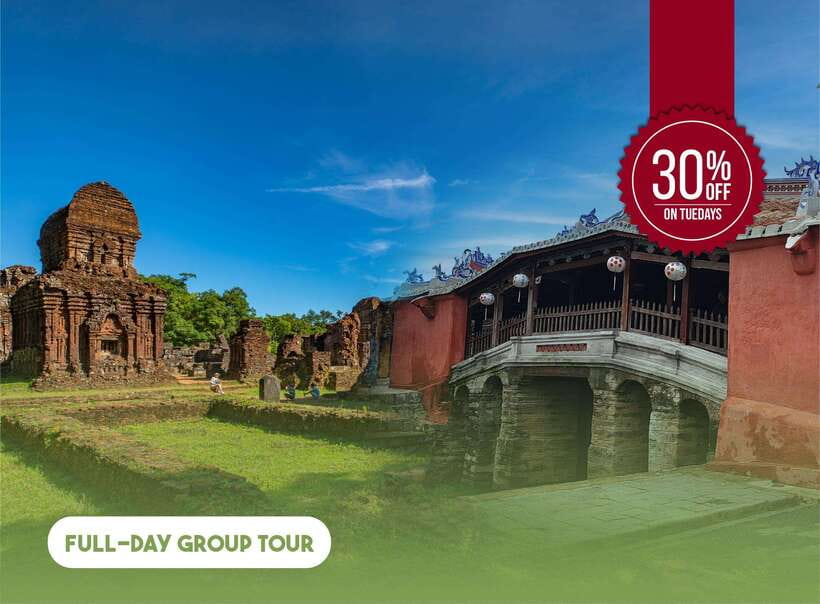
Putting My Son and Hoi An in the same itinerary is smart because they each explain a different side of central Vietnam. My Son focuses on Champa era spirituality and architecture, while Hoi An shows what happens later, when trade and foreign influences shaped a coastal trading town.
I like that this tour gives you a story from start to finish. You see the temple valley first, then you switch gears to streets, houses, and community spaces in Hoi An. And because the tour includes transport from Da Nang, you avoid the headache of coordinating two separate half-days on your own.
The pace is the main tradeoff. You’ll spend hours touring and walking, so it helps to show up with comfortable shoes and a plan for sun protection.
You can also read our reviews of more historical tours in Da Nang
My Son Sanctuary: Champa Temples, Red Brick, and Mountain Views
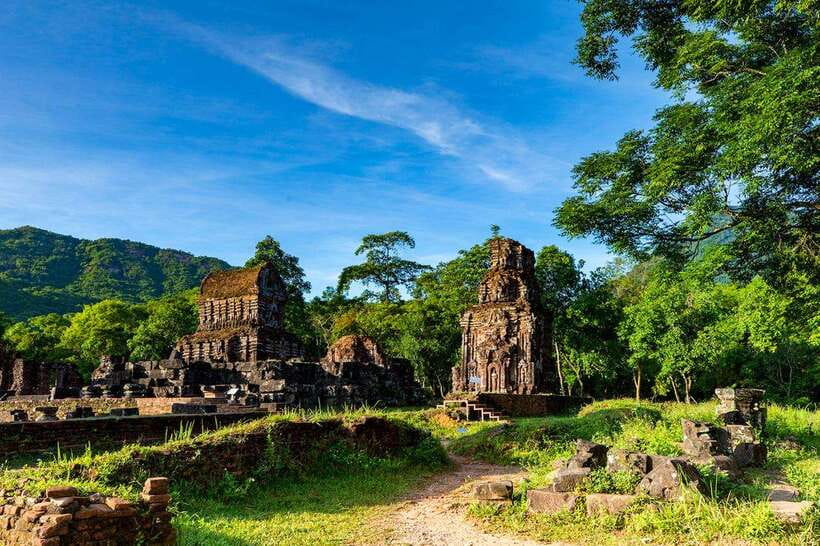
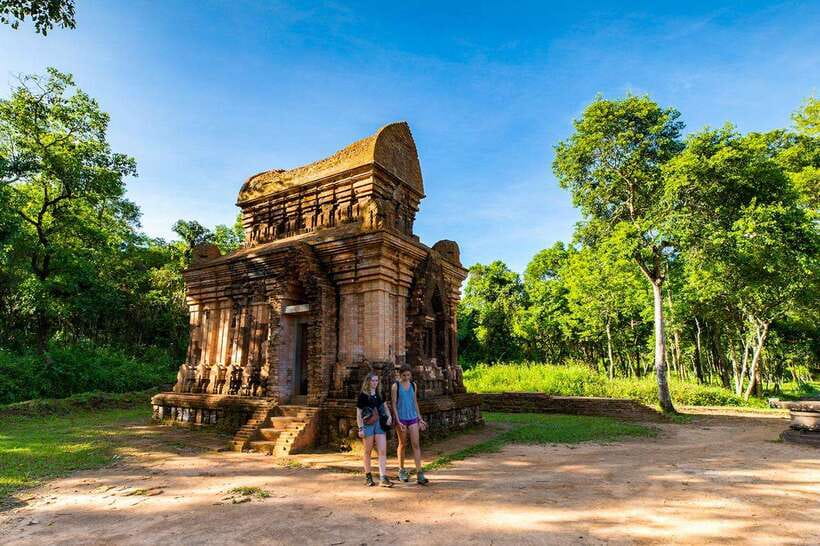
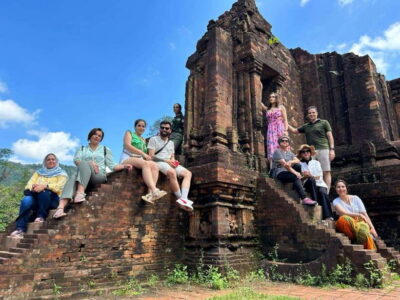
My Son is the reason this day feels more meaningful than a standard sightseeing loop. This was the capital and religious center of the former Champa Kingdom, and it’s recognized as a UNESCO World Heritage Site.
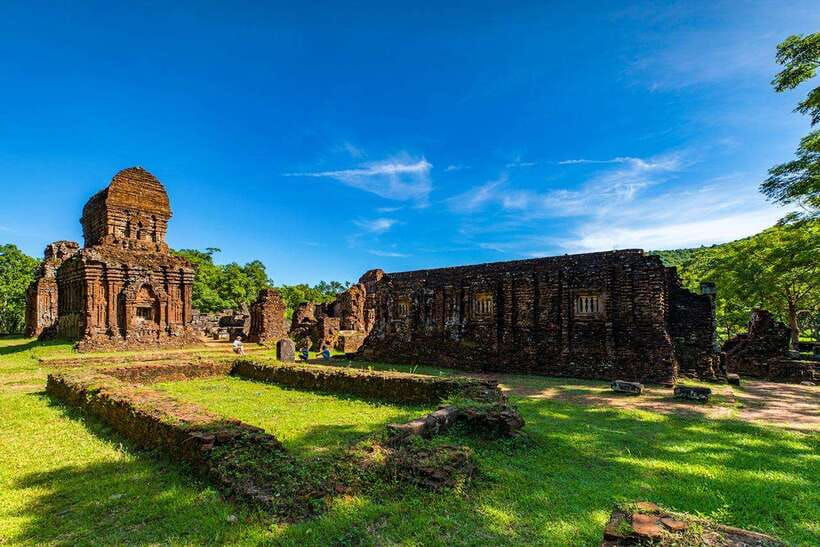
What makes the ruins worth your time is the combination of architecture and setting. You’ll see dozens of red brick towers and sanctuaries that date from the 7th to the 13th century, and the broader site includes earlier origins going back to the 3rd century. When a guide points out what you’re looking at, the brick layouts stop being confusing shapes and start reading like planned sacred spaces.
The valley itself does a lot of work for your imagination. My Son is in a lush green valley surrounded by towering mountains, so you get a sense of why this location was chosen for a religious center. It’s not just a flat museum floor, it’s a hillside landscape that changes how the ruins feel at different angles.
What to watch for at My Son: the site can involve walking on uneven ground, and the heat can build quickly. If you’re sensitive to sun, bring a hat and water, and don’t skip the breaks. You’ll want to take your time during the guided portion, since that’s when you’ll learn what different tower and sanctuary areas represent.
Lunch in Hoi An Area: A Practical Reset Before More Walking
After you finish at My Son, you’ll stop for lunch at a local restaurant in the Hoi An area. Lunch is included, and it’s a good buffer in a day like this, because you’re shifting from temple ruins to a walking tour through older neighborhoods.
You’ll likely leave the table energized instead of searching for food later. This matters more than it sounds. Hoi An is a place where you can easily lose time to menu decisions, queues, and occasional tourist-price traps if you’re hungry and rushed.
My advice: keep your lunch flexible and light, then pace your energy for the afternoon. If you’re tempted by rich dishes, try a smaller portion and save your appetite for the later café snack stop and whatever you want to pick up on your own.
Hoi An Market Stop: See Everyday Life, Not Just Postcards
Hoi An’s charm comes from how it functions, not only how it looks. The market stop is short, but it’s designed to give you a quick taste of local daily routines.
You’ll have a guided walk here for about 35 minutes. That time window is long enough to notice details like everyday trade and how people move through the area, but short enough that you don’t feel like you’re stuck in one spot.
If you like photographing real life, this is where you get it. If you prefer calm, stick close to the guide and let the group set the pace. Either way, you’ll come away with a better sense of why Hoi An feels distinct from other heritage towns.
Lotus Pagoda and 66 Bạch Đằng: Culture Stops That Break Up the Day
Two later stops help split the walking into manageable chunks: Lotus Pagoda and a stop at 66 Bạch Đằng.
At Lotus Pagoda, you’ll have guided time and a short walk, around 20 minutes. Even if you’re not a frequent pagoda visitor, this stop helps you understand local spiritual and cultural life beyond the historic merchant buildings.
Then there’s 66 Bạch Đằng, which includes a guided tour and a traditional dance show. This segment runs about 40 minutes, so it’s not just a quick look-see. It’s the kind of cultural break that lets you rest your feet while still keeping the day informative.
My practical take: plan your energy for this part. It’s easy to under-rest earlier in the day and then feel tired once seated for a performance. Bring a water bottle, keep your sun hat handy, and you’ll enjoy it more.
More Hoi An lantern evenings, food walks, village rides, island trips, and central Vietnam day tours to compare




Hoi An Folk Museum and Tan Ky Old House: Architecture That You Can Read
After the cultural stops, the itinerary returns to heritage buildings, and this is where you’ll really appreciate the guided explanations.
You’ll visit the Hoi An folk museum for a short guided session, about 15 minutes. Then you’ll spend time at the Old House of Tan Ky, with a guided visit lasting around 20 minutes. Tan Ky is especially valuable because you’re not just looking at something old, you’re seeing how a historic home worked.
This is also the part where Hoi An’s architecture blend becomes obvious. The tour frames Hoi An as a place shaped by multiple influences, and you’ll notice it through house styles and communal spaces connected to Chinese culture and other foreign trading links. The guide is key here, because it’s hard to connect style details to historical meaning without someone pointing out what to look for.
What I’d do if you want great photos: slow down during the house visit. You’ll usually see better angles when you let your eyes adjust to doorways, rooflines, and interior layouts rather than trying to snap everything quickly from the entrance.
Snacks and Sông Hoài Square: A Short Food Break With a View
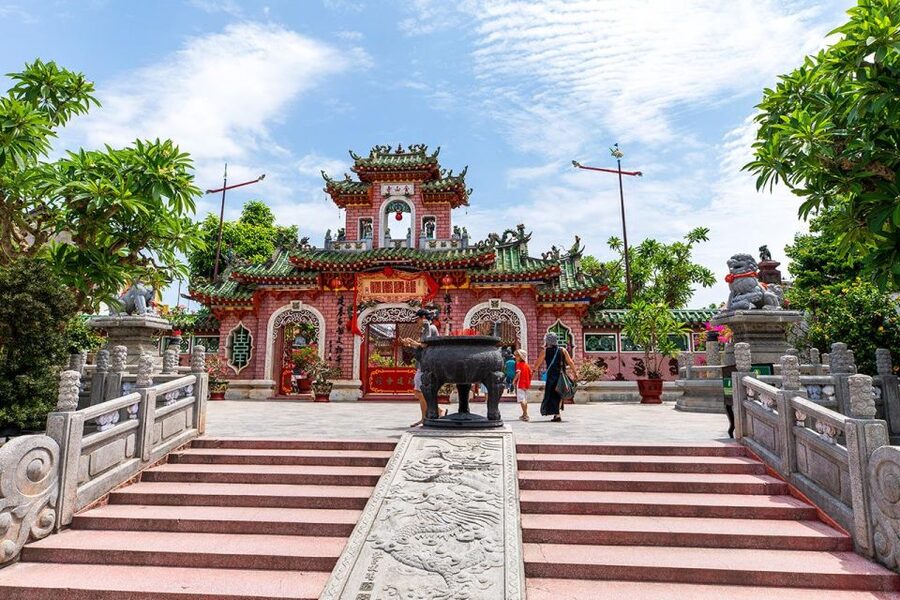
Before you reach the big icons, you’ll get a local café stop with snacks, about 10 minutes. It’s not a full meal, but it’s a useful pause in a long day.
This tiny break matters if you tend to get sluggish in the afternoon. One snack, plus a quick moment off your feet, can keep the rest of the route enjoyable. It’s also a chance to taste something local without derailing the schedule.
Then you’ll end your guided walk at Sông Hoài Square for about 15 minutes. This is a calmer ending point where the day transitions from interior buildings and performance spaces to open public areas.
If you’re planning to continue exploring after the tour, this is a good area to orient yourself. You’ll get your bearings faster because the guided route finishes in a spot that feels like a natural hub.
The Japanese Covered Bridge: The Icon, and Why It Still Matters
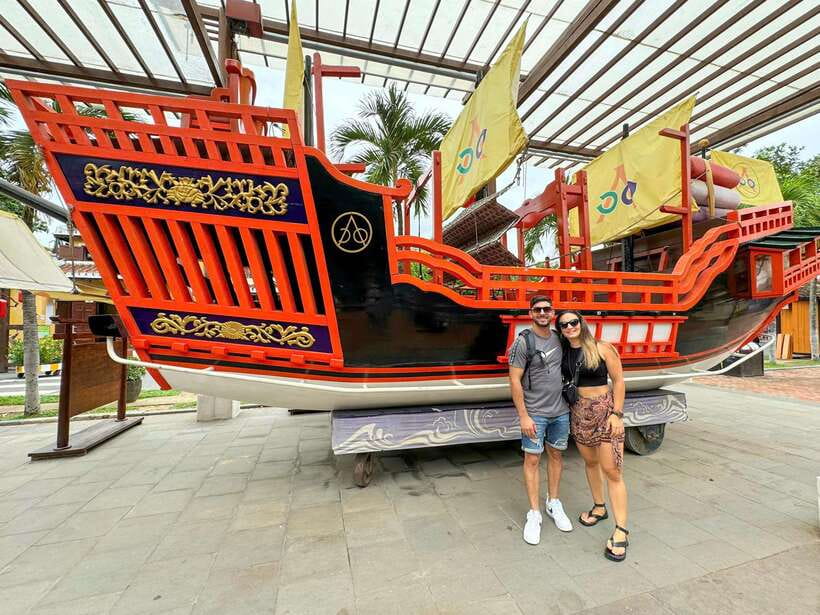
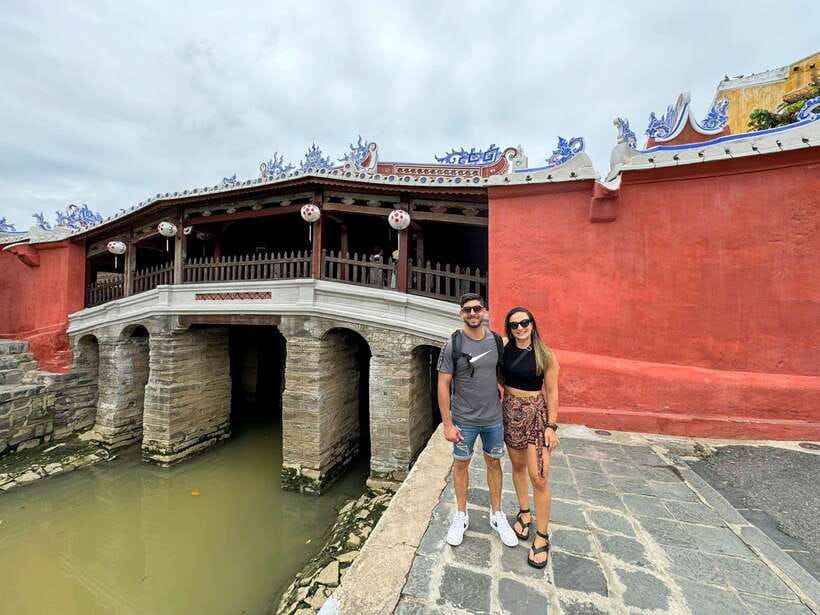
The Japanese Covered Bridge is one of Hoi An’s signature images, and it’s included as a guided stop for about 15 minutes.
Yes, it’s popular, so there’s often plenty to see and photograph. But what makes the bridge more than a picture is that it represents the mixed cultural footprint of the old port city. The tour treats it as one of the defining examples of Hoi An’s architecture and international connections, alongside the older houses and Chinese-influenced assembly hall style buildings.
Even in a short visit, you can get a lot if you slow down. Look at how the structure is built, how people move through the space, and how the bridge connects to the surrounding street grid. A guide helps you notice these small details, and those details are what turn it from generic sightseeing into context.
Transport, Timing, and What You’re Paying For
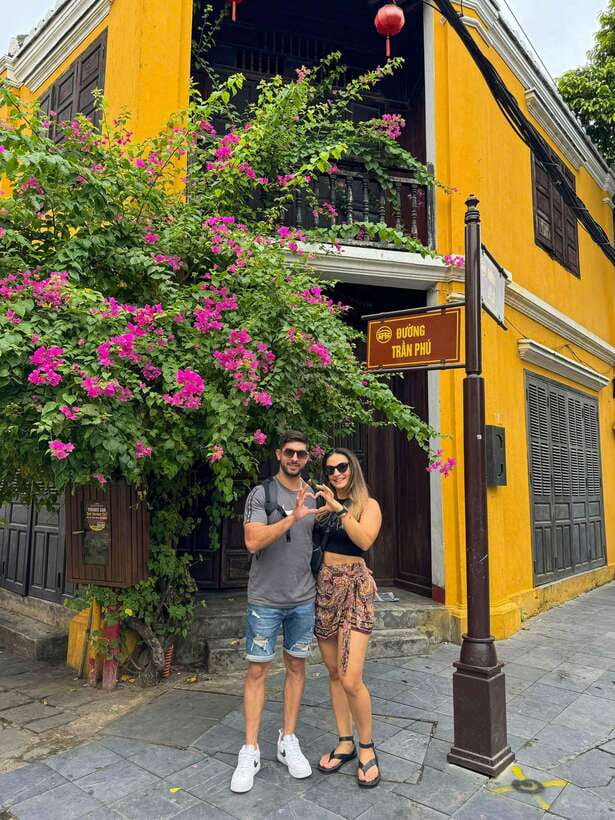
At $67 per person, this is priced like a true guided day rather than a budget transfer. The value comes from the combination: hotel pickup and drop-off from Da Nang city center, transport between sites, entrance fees, lunch, bottled water, and an English-speaking guide for the day.
You’re also getting a full routing that otherwise takes work to organize. Trying to pair My Son and Hoi An on your own can mean extra driving time, separate tickets, and more chances to waste daylight. Here, the structure removes a lot of that stress.
The timing is the one thing to respect. You’re out for about 9.5 hours, with multiple guided segments and walking. That length is ideal for people who want a lot packed in one day, but it’s not ideal if you’re exhausted from beach time or you hate being on a schedule.
One more practical note: hotel pickup is included for Da Nang city center, but not from Son Tra Peninsula. If you’re staying outside that area, you’ll want to confirm how pickup works for your exact hotel.
Should You Book This Tour?
Book this tour if you want one day that actually connects two very different stories: Champa temple life at My Son, followed by how a trading port town like Hoi An developed its look and community spaces. I also think it’s a good fit if you want an English guide to explain the meaning behind what you’re seeing, not just point out where to stand for photos.
Skip it, or at least adjust expectations, if you want a relaxed day with minimal walking. The schedule is full, and the afternoon still includes multiple heritage stops. You should also avoid it if you’re traveling with an unaccompanied minor, since unaccompanied minors are not allowed and children must be accompanied by an adult.
One encouraging detail from how this tour is run is the guidance quality. Names like Emily and Be come up for being helpful and passionate about explaining both archaeology and Hoi An, and there are also stories of the provider coordinating extra transportation back to Da Nang if you decide to stay later for lantern time. If that sounds like you, it’s worth asking about flexible return options once you’re in Hoi An.
FAQ
How long is the My Son and Hoi An tour?
The duration is about 9.5 hours.
Where does the tour start and pick up passengers?
Pickup is from Da Nang, with hotel pickup and drop-off included from Da Nang city center. Pickup is not included from Son Tra Peninsula.
What sights are included in Hoi An?
You’ll visit several places including a market, Lotus Pagoda, 66 Bạch Đằng (with a traditional dance show), Hoi An folk museum, the Old House of Tan Ky, a local café snack stop, the Japanese Covered Bridge, and Sông Hoài Square.
Is lunch included?
Yes. Lunch at a local restaurant is included.
What about entrance fees and bottled water?
Entrance fees and bottled drinking water are included.
Is the tour guided in English?
Yes, there is an English-speaking live tour guide.
Is travel insurance included?
Yes, travel insurance is included.
Are minors allowed to join?
Unaccompanied minors are not allowed. Every child must be accompanied by an adult.
What is not included in the tour price?
Personal expenses are not included.
More Historical Tours in Da Nang



More Tours in Da Nang





More Tour Reviews in Da Nang

Not for you? Here's more nearby things to do in Da Nang we have reviewed









My Son Sanctuary Tours, compared.
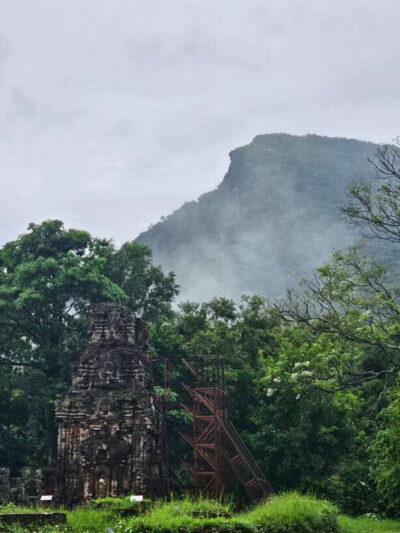 ★ 4.9My Son Sanctuary Early Morning w. Champa Food BrunchFrom $202,750 reviews
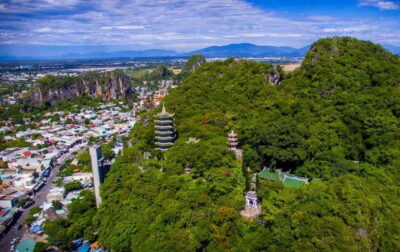 ★ 5.0Hoi An/Da Nang: Golden Bridge , My Son Sanctuary & Marble MtFrom $15725 reviews
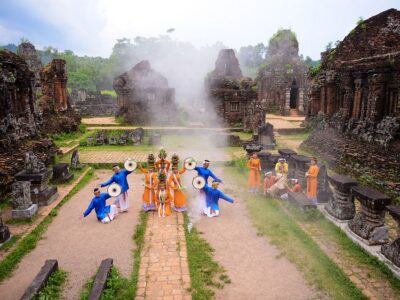 ★ 4.6My Son Sanctuary and Thu Bon River Boat TripFrom $16653 reviews
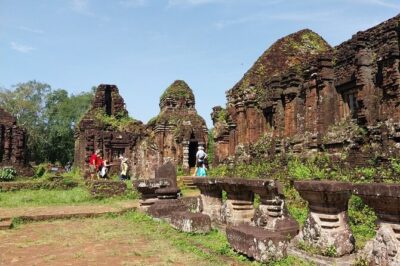 ★ 5.0My Son Sanctuary Morning Tour & Early Morning with Boat TripFrom $19645 reviews
 ★ 5.0Early Morning My Son Sanctuary Trip w. Champa Food & CoffeeFrom $21629 reviews
 ★ 5.0My Son Sanctuary Luxury Trip from Hoi AnFrom $22565 reviews
 ★ 4.7My Son Sanctuary Afternoon Tour & Boat TripFrom $16497 reviews
 ★ 4.7My Son Sanctuary & Sunset River Cruise BBQ or BanhmiFrom $18345 reviews
Browse the lists this tour appears in