
REVIEW · HOI AN ANCIENT TOWN TOURS
Hoi An Ancient Town – Walking Tour with Local Guide
Hoi An makes more sense on foot. This small-group walk (max 10) links the town’s standout sights with lots of indoor stops, so you can keep going even when it gets hot. I love the indoor break moments and the way your guide turns architecture into stories you can actually remember. One thing to plan for: you’ll still need to pay an extra 120,000 VND cash UNESCO entrance ticket per person.
I also like that you’re not just looking at pretty buildings. You’re getting a clear route through the old town, plus photo spots you might miss wandering alone.
The biggest watch-out is simple: Hoi An can be busy, so you’ll get the best experience if you stay close to your guide instead of drifting for side streets.
Key Highlights That Matter

- Max 10 people, smoother pacing: easier questions, easier photos, less “where is everyone” energy.
- Indoor breaks built in: you get rhythm and relief, not just open-sun walking.
- Almost all the old town’s must-sees: temple gate, assembly hall, Japanese-covered bridge, heritage houses, museum, and market.
- Tea or local dessert included: a real pause, not a quick snack stop.
- Practical after-tour recommendations: restaurant, café, and tailor pointers for the rest of your stay.
- Guides who keep the group together: especially useful on crowded days like Tet.
Walking In, Not Just Looking Around: What This Tour Does Best

Hoi An’s ancient town can feel like a maze if you arrive cold, especially on your first afternoon. This walk helps you build a mental map fast, so later when you wander on your own, you know what you’re seeing and why it matters. You also skip the stress of choosing between ten “top sights” and accidentally missing half of them.
The best part is that you’re not doing a marathon. The tour is about 150 minutes, which is long enough to cover the core old town stops but short enough to stay fresh. With a group of up to 10, your guide can keep things moving while still answering questions.
The route leans heavily on indoor or sheltered spaces. That matters because your feet and your patience both appreciate breaks, especially in humid weather or when rain rolls through. You’ll also spend time in places where you can pause, look closely, and take photos without rushing.
You can also read our reviews of more walking tours in Hoi An



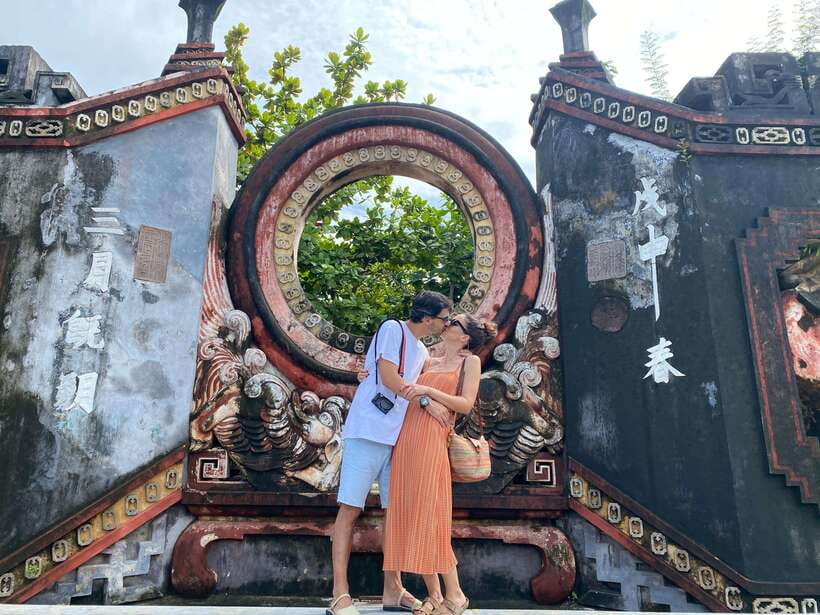
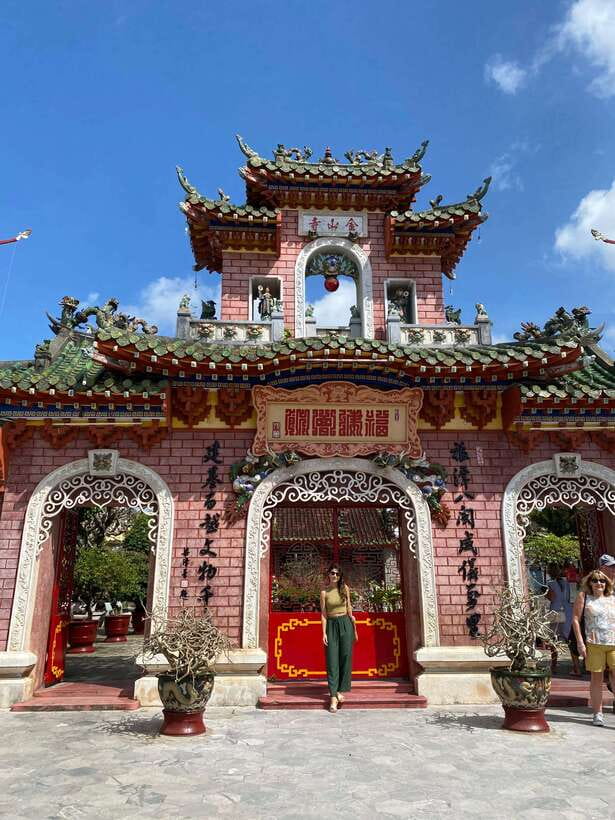
Ba Mu Temple Gate: Your First Landmark and Your First Clue
Most people start Hoi An sightseeing with the big icon spots. I like that this tour begins with Ba Mu Temple gate, because it gives you an orientation point before you get lost in lanes and storefronts. A gate sounds simple, but it works like a story title. It cues you to notice how religious and cultural spaces shaped everyday life.
At this stop, your guide’s job is to make the place readable. You’ll likely get context for what the gate represents and how the temple area fits into the broader old town layout. Even if you’re not a “temple person,” this helps your eyes catch details instead of just grabbing snapshots.
Practical note: this is a good moment to reset your bearings. You’ll start walking feeling like you know where you’re going, not just that you’re walking.
Fujian and Cantonese Assembly Hall: Where Community Shows in Architecture
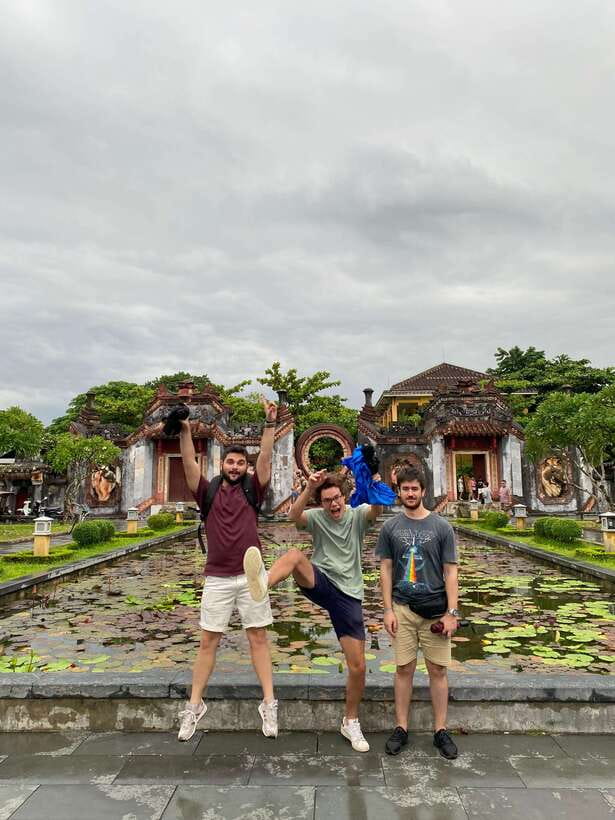
Next comes the Fujian/Cantonese Assembly Hall, which is where Hoi An’s international trade connections become visible. In practical terms, assembly halls are social engines. They’re tied to communities, support networks, and identity, so you can feel why immigrant groups built such lasting places.
What I like here is the contrast. You’re not only seeing ornate details, you’re also learning what those details were for. A guide can point out patterns and design choices that make the hall feel less like a museum object and more like a living institution.
Drawback to consider: assembly halls can be crowded depending on the day. If you want photos without other people, stay patient and follow your guide’s timing and angles. The small group size helps here.
The Japanese-Covered Bridge and River-Era Photo Stops

Hoi An’s Japanese-covered bridge is the kind of spot you see in postcards. On its own, it can feel like a quick photo and move on. With a guide, you get more than the exterior view. You learn how the bridge connects into the town’s past and the river-linked world that shaped commerce.
Also, you get time for photo stops that are easier because your guide knows where people naturally cluster. Several guides in the feedback were noted for helping with photos, with a calm rhythm so the group doesn’t spiral into chaos.
The small group format is what makes this section enjoyable. If there’s a crowd, you’ll feel the difference between trying to photograph by yourself and moving with a plan.
Kazik Park: A Breather Between Heritage Stops
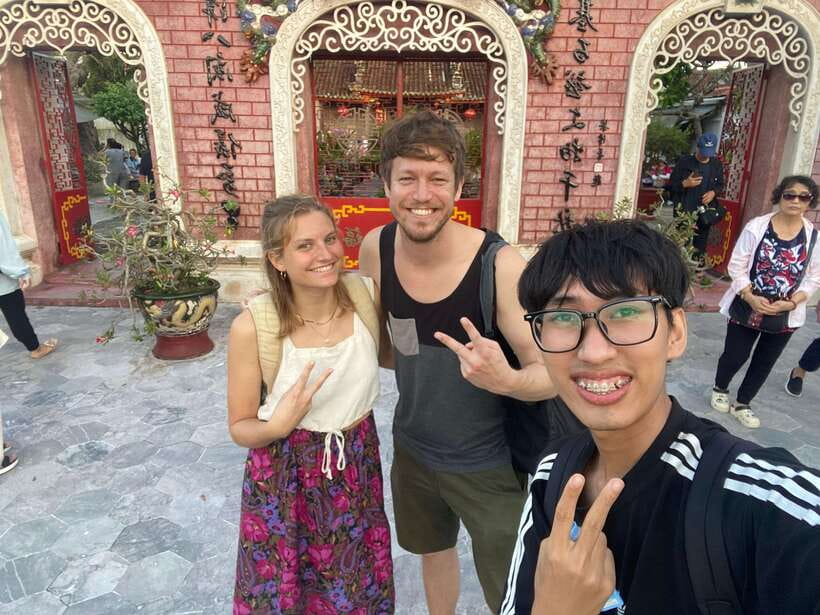
After a heavy concentration of architecture, the tour includes Kazik Park as a natural reset. Parks sound plain on paper, but in the context of Hoi An’s old town they work like a pressure valve. You step into open space, catch your breath, and let your brain process what you just learned.
This stop also gives you a “pause point” for questions. If something earlier clicked for you, you can ask a follow-up here before you move into private homes and cultural venues.
If it’s warm, this is one of the spots where you’ll feel the difference between a tour that keeps you moving and one that builds in breathing room.
You can also read our reviews of more guided tours in Hoi An





Tấn Kí Heritage House: Seeing How Families Lived
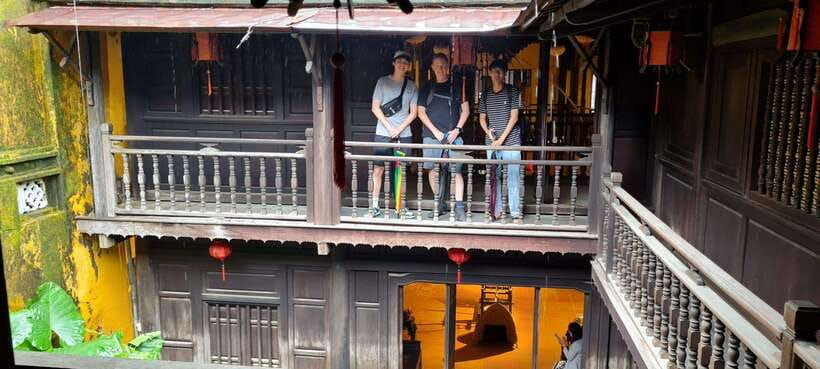
One of the standout stops is the Tấn Kí Heritage House. Heritage houses can be hit-or-miss on guided tours. Some turn into “look at the wall, next.” This one works better when your guide helps you read the layout and lifestyle clues.
Why this matters to you: homes are where history becomes personal. Architecture shows how people balanced space, family routines, and status. Even if you only spend a short time inside, it’s easier to connect the old town’s story to real daily life.
A small drawback: heritage houses can limit how long you can linger at each room. If you love details, keep an eye on your guide’s timing so you don’t fall behind. The good news is the group stays small, so it’s easier to stay included.
Traditional Art Performance House: Culture You Can Understand
The tour also visits a Traditional Art Performance House. This is a smart mid-tour stop because it helps connect the buildings you’re seeing to the cultural expressions people still value. Art performance spaces make history feel less abstract, especially if you’re planning to watch a show later in your stay.
One practical angle: doing this walk early makes later performances easier to follow. Even if you’re not planning additional shows, you’ll leave with more context for what you see around town.
If you prefer hands-on learning, this is one of the sections where you might enjoy asking questions. Guides in the feedback were praised for being funny and engaging, which usually makes the cultural context stick better.
Museum of Folk Culture: Patterns, Everyday Life, and Meaning

The Museum of Folk Culture is where the tour shifts from standout landmarks to broader context. Museums can feel “quiet and fast” on group tours, but the value here is in interpretation. A guide can point out the big themes so you don’t wander through rooms with no compass.
This stop works especially well for first-time visitors. You get a baseline understanding of local life, crafts, and traditions that you’ll recognize later when you walk through markets and shops.
Possible drawback: museums can take longer than you expect if you love reading displays. Since this is a guided walk with a set time, keep a balance between reading and staying with the group.
Hoi An Market: Practical Life and Sensory Walking
No Hoi An overview feels complete without Hoi An Market. Markets are not only for shopping. They’re for understanding what people buy, cook with, and discuss. Even if you don’t plan to buy souvenirs, walking through a market gives your day a pulse.
What you’ll likely enjoy most is how the guide helps you see beyond tourist stalls. You’ll get practical tips and context so the market feels like part of the town rather than a “stop for photos.”
Keep in mind: markets get busy. If you want calmer photo moments, follow your guide’s lead on timing and route.
Tea or Local Dessert Break: A Real Pause, Not a Token Stop
This tour includes traditional dessert or local tea. I like this for two reasons. First, it gives you a scheduled reset so you don’t burn out before the walking and indoor visits are done. Second, it’s a chance to ask questions about what to do next, because you’re finally not in motion.
In feedback, some guests noted ending with an herbal drink at Mót. That may depend on the day and guide, but the takeaway is consistent: you get a genuine food break built into the flow.
Practical advice: when you taste something local, ask what it is and how locals use it. Your guide can turn one sip into a mini cultural lesson.
Recommendations You Can Use the Same Day: Food, Coffee, Tailors
One of the most praised benefits is that you leave with targeted recommendations. Guests repeatedly highlighted that guides offer suggestions for restaurants, cafés, and tailor shops, plus other activities around town.
This matters because Hoi An is easy to overthink. With so many places on a map, it’s hard to know which ones fit your budget and what you actually want to eat. A good guide helps you narrow it down and avoid the common trap of spending your limited time chasing the most advertised options.
If you are planning a tailor visit, this tour is especially useful. You’ll walk through heritage areas first, then shop with a clearer sense of style, materials, and what you might want made.
Price and Logistics: Is 14 USD Good Value Here?
At $14 per person, this tour is strong value because it bundles several things people usually pay separately for. You get a local English-speaking guide, a small-group walk, visits to key heritage sites, indoor break points, and that included tea or dessert.
The main add-on you must budget for is the UNESCO entrance ticket: 120,000 VND cash per person. Since it’s not included, don’t treat the ticket as an optional extra. Also plan to pay with cash because that’s what the tour requires.
Another practical plus is that you skip the line through a separate entrance. On busy days, this saves time and keeps your group from getting tangled in queues. For a 150-minute tour, time matters.
If you’re wondering whether it’s worth it versus wandering on your own: for me, the math comes down to your first-day convenience. Paying for a guide is less about getting “more sights” and more about getting the right order, context, and quick recommendations without trial and error.
Pace, Crowd Handling, and When to Go
Hoi An can get hectic, and one review specifically mentioned Tet crowds. In that kind of environment, what you want from a guide is simple: keep the group together and move smartly.
Across the feedback, guides like Trung and Duy were noted for being friendly, funny, and attentive. That combination matters. Humor keeps the tour from feeling like homework, and attentiveness prevents that slow drift where someone gets left behind in a maze of lanes.
The tour is not described as a hardcore trek. It’s built for comfortable walking with indoor breaks, so it fits many first-time visitors. Just bring comfortable clothes, stay close, and let the guide handle the navigation.
Who Should Book This Hoi An Ancient Town Walk?
This tour is a great fit if:
- You’re in Hoi An for a short time and want the core old town sights covered in about 2.5 hours.
- You prefer learning from a local guide who can connect architecture and cultural spaces into something you understand.
- You like small-group experiences and don’t want a big crowd pulling you off pace.
- You want practical help for the rest of your day, especially food and café ideas and tailor recommendations.
It may be less ideal if:
- You’re traveling with a stroller, since baby strollers are not allowed.
- You’re traveling with an infant under 1 year, since the tour isn’t suitable for that age group.
Should You Book This Tour?
I’d book it, especially as a first activity in the old town. The biggest reason is not the checklist of stops. It’s the way the tour gives you context and orientation, then hands you a set of next-step recommendations so your remaining time in Hoi An feels less random.
Before you go, do two things. Budget for the 120,000 VND cash UNESCO entrance ticket. Then show up ready to walk, listen, and stay close to the group, particularly if your timing overlaps with peak crowds.
If you want a solid foundation for Hoi An, this is one of the easiest ways to get it.
FAQ
How long is the Hoi An Ancient Town walking tour?
The tour duration is 150 minutes.
How much does the tour cost?
The price is $14 per person.
What is included in the price?
You get a local English-speaking guide, a small-group walking tour, visits to key heritage sites, hidden alleys and photo spots, a traditional dessert or local tea, and recommendations for places to eat and shop.
Is there an entrance ticket fee?
Yes. An entrance ticket for the UNESCO heritage site is 120,000 VND per person, paid in cash.
Where do I meet the guide?
Meet at 95 Đ. Phan Chu Trinh Street, Hoi An, in front of a tailor shop located at the corner of the intersection.
How big is the group and what language is the guide?
The group is small, limited to a maximum of 10 participants, and the tour guide speaks English.
Is it suitable for infants or strollers?
Baby strollers are not allowed, and the tour is not suitable for babies under 1 year.
More Walking Tours in Hoi An




More Tours in Hoi An





More Tour Reviews in Hoi An






Not for you? Here's more nearby things to do in Hoi An we have reviewed











Hoi An Ancient Town Tours, compared.
 ★ 5.0Marble Mountains – Hoi An Ancient Town Sunset Daily Ingroup TourFrom $33690 reviews
 ★ 5.0Hoi An Ancient Town Walking Tour with a LocalFrom $9517 reviews
 ★ 5.0Linh Ung Pagoda – Marble Mountains – Hoi An Ancient Town Daily Ingroup TourFrom $39299 reviews
 ★ 4.5Marble Mountains – Hoi An Ancient Town Afternoon Tours FROM DANANG(15H30-21H)From $37162 reviews
 ★ 4.5Hoi An Ancient Town – Night Market Street Food Tours By NightFrom $55161 reviews
 ★ 4.5Hoi an Coconut Boat & Hoi an Ancient Town(Option Marble Mountain)From $4886 reviews
 ★ 4.5Hoi An Ancient town -Marble Mountains Tours FROM DANANG(15H30-21HFrom $3884 reviews
 ★ 5.0PRIVATE Hoi An Ancient Town – Night Market Street Food By NightFrom $4551 reviews
Browse the lists this tour appears in