

REVIEW · HOI AN WALKING TOURS
Hoi An Walking Tour
A covered walk in Hoi An with real cultural payoff. I like the way this tour threads together two signature landmarks, the Japanese Covered Bridge and the Fukian Assembly Hall, so the town’s merchant history feels easier to grasp. I also like the practical touches, like hotel transfers and included water, so you can spend your morning actually exploring instead of sorting logistics. One thing to consider, if you want lots of time inside every site, this tour is still a walking half-day with short stops, so you will likely want to ask your guide a few follow-up questions.
This is also a guide-led experience, and the reviews are clear on the biggest strength: people love the guides. Names that come up again and again include Nini, Jesmine, Huy, Dung, and Annie or Anni, with guests praising humor, organization, and help on rainy days.
At around 4 hours total, starting at 8:00 am, it is a great way to get your bearings fast before you branch out on your own. Just keep the weather in mind, since it is described as requiring good conditions for the day to run as planned.
Key Highlights You’ll Feel on This Hoi An Walk
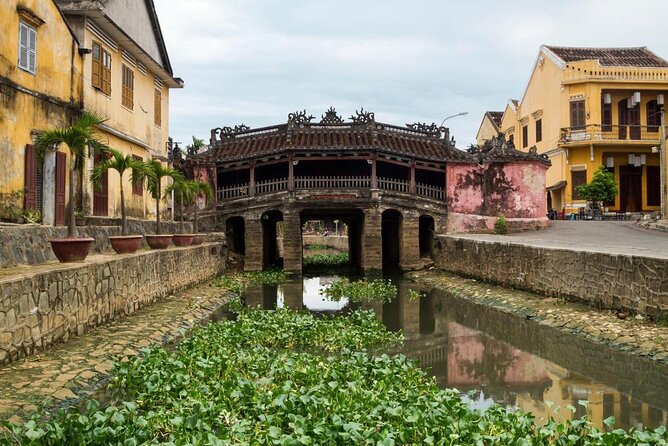
- Japanese and Chinese heritage in one route, with the Pagoda Bridge and the Thien Hau sea goddess hall
- Short, focused stops that fit into a half-day schedule without feeling rushed through everything
- Hotel pickup and drop-off by car, so you are not dragging yourself across town with tired feet
- Included refreshments, including bottled water plus fresh coconut water
- English-speaking guide, with reviews repeatedly calling out helpfulness and good humor
- Admission fees included, so you can stop thinking about tickets and start thinking about stories
Hoi An in a 4-Hour Block, and Why That’s a Smart Plan

Hoi An can feel like a maze when you arrive, especially if you are juggling lantern streets, souvenir lanes, and temples that all look similar until someone explains what you are seeing. This tour is designed for that first-day clarity. In about four hours, you get a structured walk with guided context, so you know what matters and why before you wander independently.
The value here is not just the two main landmarks. It is the way the tour compresses the town’s big cultural themes into a manageable timeline. You get a quick overview at the start, then move from one heritage site to the next while your guide helps you connect dots.
Also, the pacing is friendly for most visitors. The experience is described as something most travelers can participate in, and it is a private tour/activity, meaning it is only your group. That matters, because you can ask questions without waiting your turn, and the guide can adjust the flow if your group moves slower.
You can also read our reviews of more walking tours in Hoi An



Starting with a Museum Area Orientation, Then Hitting the Streets
The day begins at 8:00 am, with a meet-up connected to a historical and cultural museum security meeting. You should expect a short setup moment where you get an overview of the historical process and the culture of the ancient town.
Why that matters: Hoi An’s attractions can be confusing if you only recognize them by postcard appearance. When you start with a framework, the Japanese Covered Bridge and the sea goddess assembly hall stop feeling like random sights and start feeling like chapters in the same story.
From there, you will use car transfer to and from the visit area. That is a big deal in the real world. You save time, you reduce hassle with scooters or taxis, and you keep your energy for the walking part.
If your morning starts damp, or weather turns questionable, keep a flexible mindset. The tour is explicitly weather-dependent, and the experience notes that if it is canceled due to poor weather, you will be offered a different date or a full refund.
Japanese Covered Bridge (Chua Cau): More Than a Pretty Photo
Your first major stop is the Japanese Covered Bridge, also known as the Pagoda Bridge (Chua Cau). This is the kind of place people photograph fast, but a guide makes the difference in how you understand it.
The bridge was built by Japanese craftsmen who were part of a larger Japanese merchant community active in Hoi An. That one fact changes how you look at the bridge. It stops being only a scenic crossing and becomes evidence of a long trading relationship, when different communities shaped the town’s architecture.
Practical detail that helps your budget: admission is free here. That is also a good sign for time management. You can spend more of your limited stop time on the explanation and on noticing details you might otherwise miss.
A small tip for getting value out of this stop: pay attention to how the structure functions as both a walkway and a cultural symbol. Even without long time inside, you can learn a lot just by understanding what the bridge represented to the community that built it.
Fukian Assembly Hall at 46 Tran Phu St: Thien Hau and Sea-Faring Belief
The second stop is the Fukian Assembly Hall, also listed as Phuc Kien (Phuc Kien). It is dedicated to Thien Hau, the goddess of the sea. That theme is the heart of the site.
Hoi An was tied to shipping and coastal trade for centuries, so sea protection and safe journeys were not abstract ideas. When you are standing in a hall like this, the dedication helps you connect faith to the everyday concerns of merchant life.
This stop runs about 30 minutes, and admission is included. So you will not have to pull out your phone for ticket pricing or worry about whether the site charges more than expected.
The best way to enjoy this building is to slow down just a bit and let your guide explain the symbolism. If you are the type who likes asking questions, this is a good place to do it. A calm question about Thien Hau, or about how assembly halls functioned for merchant communities, can turn a brief visit into a memorable one.
Beyond the Two Named Landmarks: The Stops That Change by Guide Route
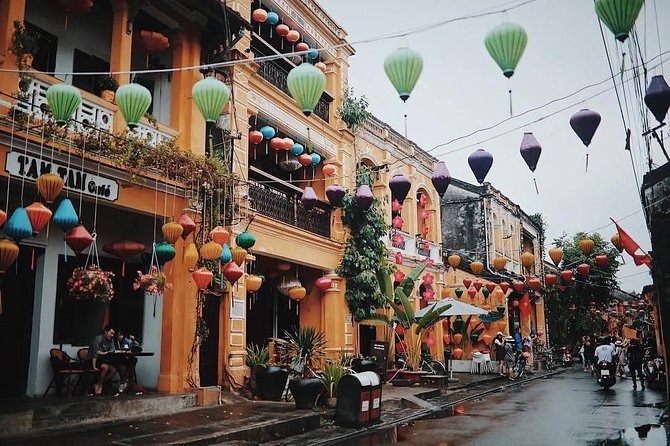
The official highlights focus on the Japanese Covered Bridge and the Fukian Assembly Hall, but your actual walking route typically includes extra time for moving between heritage buildings and getting short explanations along the way.
Some guests specifically mention stops connected to silk and old homes, where you might hear short commentary from onsite staff. That can be useful, especially if you are curious and want multiple voices telling the story. The possible drawback is simple: if the explanation at these extra stops leans heavily on onsite guides, you may feel like you get less depth than you want.
If you care most about history and context, you can solve this quickly. Ask your guide early in the tour how they want to handle details at each stop, and ask for one extra layer beyond what you see in front of you. Most guides can tailor the depth to your group if you ask.






The Guide Matters, and the Reviews Point to a Consistent Pattern
The strongest praise in the feedback is about the guides, and that makes sense for a walking tour. When you cover ground on foot, you are not just collecting sights, you are collecting explanations.
Guests repeatedly highlight guide personality and organization, with humor coming up often. Names like Nini, Jesmine, and Huy show up again and again, and people also praise guides like Dung and Annie or Anni for being calm, professional, and genuinely helpful.
Here is the real-world takeaway for you: pick the guide vibe you want. If you like clear storytelling and a light sense of humor, the reviews suggest you will likely enjoy the experience. If you want long, very detailed talks at each site, do not assume every stop will run deep and slow. Instead, treat this tour as a strong orientation, then use your time after the tour to explore in the style you prefer.
One more practical note from the feedback: on a wet day, guides helped people adjust and still kept the day enjoyable. If weather matters to your travel rhythm, that responsiveness is worth paying attention to.
Price and Value: What $69 Covers That Helps You Actually Enjoy the Day
$69 for a half-day walking tour might sound straightforward, but the value is in what is included.
You get:
- Car transfer from your hotel to the visit area, plus return transfer back to your hotel after the walk
- An English-speaking guide
- Bottled drinking water and fresh coconut water
- Admission fees
Why that adds up: transfers matter in Hoi An, because getting across town without wasting time is part of a good morning. Admissions matter too, because even when one site is free, others are not. And the included drinks are not an afterthought. Fresh coconut water can be a small lifesaver in warm conditions, and bottled water keeps you from turning a cultural morning into a hydration search.
What is not included is equally useful to know. Meals are not part of the package, and personal expenses and tips are your responsibility. If you plan to grab lunch afterward, you will need to budget for it. If you rely on tips as part of your travel habit, you should plan for that too.
Overall, this is a solid deal if you want structure, language support, and included admissions without the stress of planning each stop yourself.
Comfort Tips for a Sunny Morning or a Wet Detour
This is a walking tour, and it runs about 4 hours. That means comfort matters more than luxury.
Bring:
- Comfortable shoes with grip, since Hoi An streets can be uneven
- Sun protection if the day is clear
- A light rain layer if conditions change
The tour is noted as requiring good weather. That does not mean it never runs in light rain, but it does mean you should expect the provider to treat weather seriously. If it gets canceled due to poor weather, you should be offered a different date or a full refund.
Also, start time is 8:00 am. If you are sensitive to early mornings, consider setting your expectations now. The upside of the early start is fewer crowds on key streets and more time to enjoy the rest of your day once you finish.
Who This Tour Suits Best (and Who Might Want a Different Style)
I would steer you toward this tour if you:
- Want a smooth first pass through Hoi An with an English guide
- Like cultural context and community history, not only photos
- Prefer a private experience, so you can ask questions as you go
- Want included admissions and transfers so your morning stays easy
I might suggest you choose a different format if you:
- Need long dwell time inside buildings, with slow pacing
- Are very focused on extremely deep, site-by-site detail, every stop, every minute
- Prefer a tour that builds around activities beyond heritage walking
For most visitors, though, this works as the ideal “get oriented” block. You come away knowing what the Japanese and Chinese cultural threads look like in real landmarks, and you can explore the rest of Hoi An with better instincts.
Should You Book This Hoi An Walking Tour?
Book it if you want an organized, half-day introduction to Hoi An’s heritage, with an English guide, included admissions, and hotel transfers that remove the hassle. The reviews give you a strong signal that guide quality and humor are real strengths, not marketing fluff.
Skip or reconsider if your top priority is spending long hours inside multiple attractions, or if you want maximum depth at every stop without needing to ask questions. In that case, you may still enjoy it, but you might feel the schedule is too light.
If you are planning your first morning in town, this is an efficient way to start on the right foot, especially with stops centered on the Japanese craftsmanship behind the Pagoda Bridge and the Thien Hau sea goddess devotion at the Fukian Assembly Hall.
FAQ
How long is the Hoi An Walking Tour?
It runs for about 4 hours.
What time does the tour start?
The start time is 8:00 am.
Does the tour include hotel pickup and drop-off?
Yes. It includes car transfer from your hotel to the visit area, and a transfer from the town back to your hotel after the tour.
Are admission fees included?
Yes. Admission fees are included in the tour price.
What refreshments are included?
You get bottled drinking water and fresh coconut water.
Is this tour private or shared?
This is a private tour/activity. Only your group participates.
Is the tour dependent on weather?
Yes, it requires good weather. If canceled due to poor weather, you will be offered a different date or a full refund.
More Walking Tours in Hoi An



More Tours in Hoi An





More Tour Reviews in Hoi An
Not for you? Here's more nearby things to do in Hoi An we have reviewed











Hoi An Walking Tours, compared.
 ★ 5.0Guided Tour to Marble Mountains & Hoi An Walking Tour , Night Market, Boat RideFrom $96218 reviews
 ★ 5.0Hoi An Night Market with Hoi an walking Tour , Colourful Lanterns, Boat RideFrom $85142 reviews
 ★ 5.0Hoi An walking Tour – Private TourFrom $6953 reviews
 ★ 4.5My Son Sanctuary and Hoi An Walking TourFrom $5540 reviews
 ★ 5.0Hoi An Walking Tour, Sampan Boat Trip , Foodie Tour by NightFrom $6926 reviews
 ★ 5.0Private luxury Ba Na Hills & Hoi An Walking Tour, Night MarketFrom $11522 reviews
 ★ 5.0Guided Tour to Coconut Village,Basket Boat ride,Hoi An Walking Tour,Night MarketFrom $8817 reviews
 ★ 5.0Discover Hoi An Walking Tour, Sampan Boat Ride, Night Market &Colourful LanternsFrom $794 reviews
Browse the lists this tour appears in