
REVIEW · HISTORICAL TOURS
Da Nang: Half-day Hoi An Heritage Walk
Hoi An feels like a time machine. This half-day heritage walk threads together Vietnamese, Chinese, and Japanese influences in a way that’s easy to follow, even if you’re not sure where everything is. I especially like the Japanese Covered Bridge stop for photos, and I love how the route keeps you moving between the places that actually define Hoi An. One tradeoff, the Ancient Town core is popular, so it can feel touristed during peak hours.
The schedule is built for a focused taste, not a slow day. You’ll start with pickup from Da Nang City Center, then walk through the Hoi An Market, Assembly Hall sites, a traditional dance show, and standout old houses like Tan Ky. The only real drawback I’d flag is the short time window, if you want extra solo wandering, plan to add your own evening stroll afterward.
If you’re lucky and your guide is Hung, that name comes up for a reason, he’s described as fun and talented, and the experience benefits from that kind of energy. Since the tour is led in English, you’ll get context without having to guess your way through old facades. Just note one rule up front, unaccompanied minors aren’t allowed.
Key highlights worth centering your day on
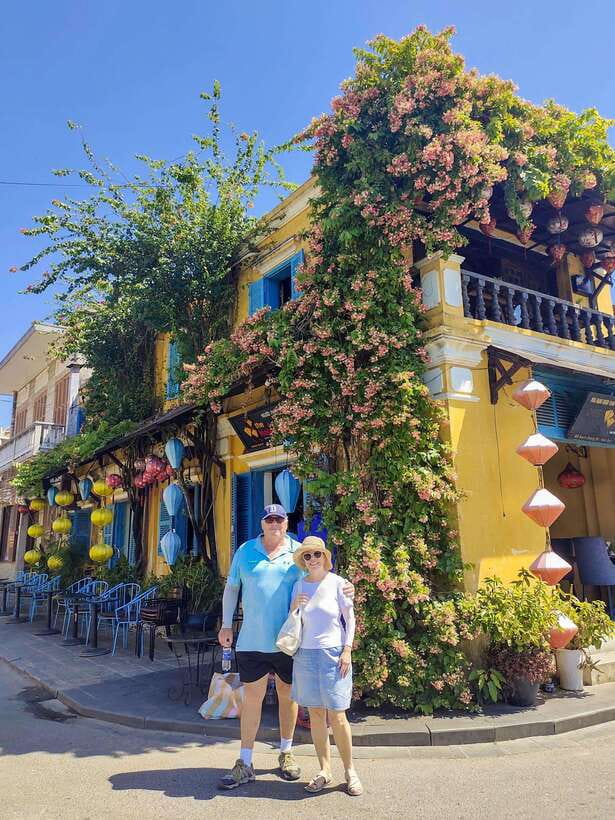
- A walk that explains Hoi An’s cross-cultural streets, not just your average photo loop
- Japanese Covered Bridge time for photos and quick history context
- Hoi An Market as a lively, sensory break with guided direction
- Chinese-influenced architecture stops like Fujian Assembly Hall
- A traditional dance show built into the route so you’re not skipping culture
- Da Nang pickup and drop-off plus entrance fees and bottled water included
Why Hoi An Ancient Town feels best on foot

Hoi An’s charm is the little stuff you only notice when you slow down. The lanes are tight, the buildings vary block to block, and small details like house frontage styles, decorative elements, and signage make more sense when someone points them out. This walking format helps you read the town instead of treating it like a checklist.
I also like that the tour doesn’t just chase one icon. It strings together multiple viewpoints, including market life, community assembly spaces influenced by Chinese culture, and the Japanese Covered Bridge. That mix is important. Hoi An didn’t develop as a single-culture place, so if you only see one style, you miss the full story.
There’s also a practical side. When you’re walking with a guide, you’re less likely to burn time circling back for the “next” stop. That matters in a place that can get crowded. You’ll get your structure first, then you can loosen up afterward.
You can also read our reviews of more walking tours in Hoi An



Getting from Da Nang: pickup that keeps the day simple
The tour starts with hotel pickup and drop-off in Da Nang City Center. One important limitation: pickup is not included for the Son Tra Peninsula area. If you’re staying farther out, double-check the meeting point coverage so you don’t get stuck arranging your own transfer.
The total duration is listed as 5 hours, with starting times that vary based on availability. That helps you plan around your day in Da Nang. If you’re trying to fit Hoi An into a busy schedule, this half-day format is a good compromise.
Transportation is included as per the itinerary, which is a big deal in practice. You don’t need to figure out buses, taxis, or where to park. You’ll arrive, follow the walk, and return to Da Nang without having to manage the “in-between” parts of the trip.
Hoi An Market: your first look at daily life
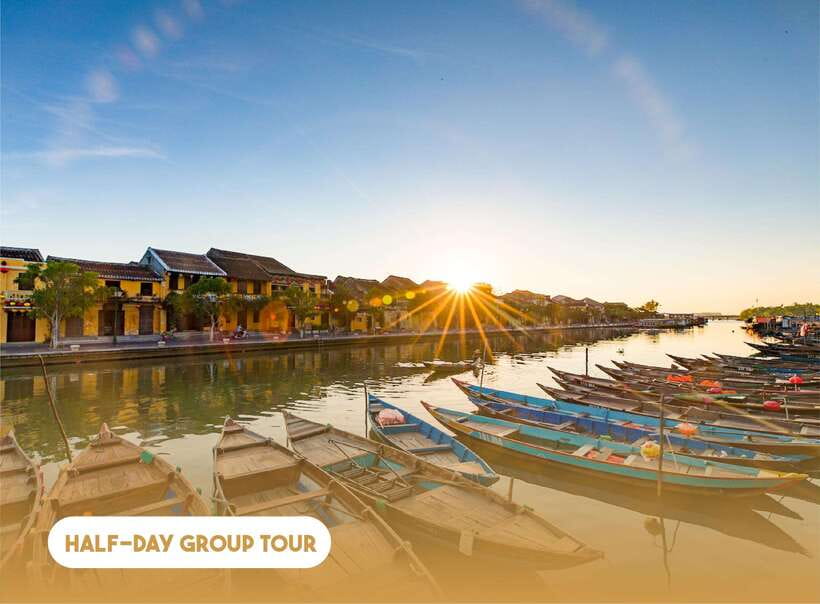
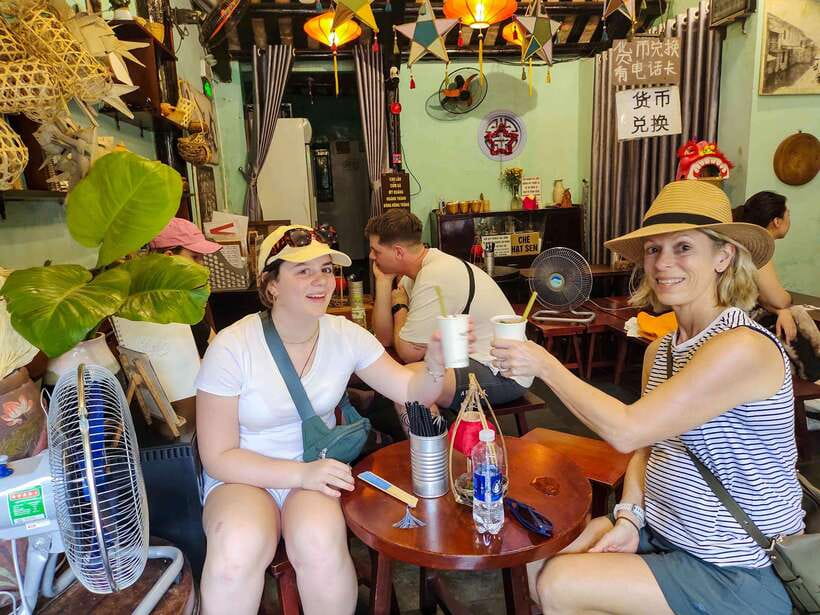
The walk kicks off with a guided stop at Hoi An Market, with about 30 minutes set aside. This is the right amount of time to get the feel of the place without turning the day into a shopping marathon. You’ll be able to pause for photos and look around while your guide frames what you’re seeing.
A market is more than photos. It’s smell, sound, and motion, and it gives context for why the Ancient Town still feels lived-in even with all the tourism. If you’ve ever visited a historic town where everything feels like a stage, this kind of stop helps you reset your expectations.
One consideration: markets can be busy. Since the tour is timed, you won’t get endless wandering time here. If you know you want to hunt for specific souvenirs or snacks, keep that for later on your own. Personal expenses are not included, so anything you buy will come from your budget.
Fujian Assembly Hall: Chinese influence you can actually see
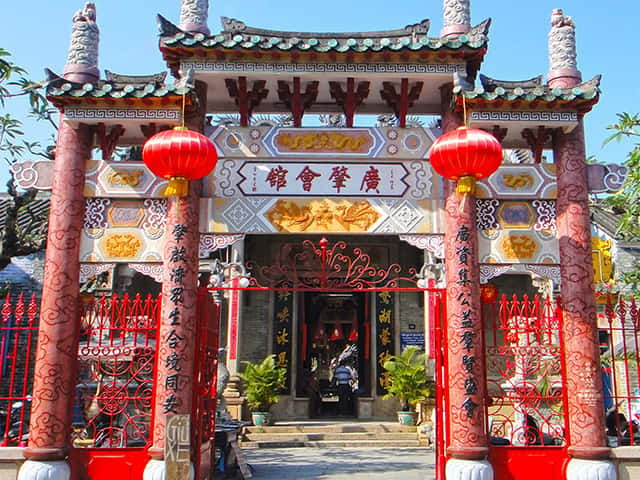
Next up is the Fujian Assembly Hall, with around 20 minutes for a guided visit and sightseeing. This is one of those stops where the value is in the explanations. The architecture connects you to the Chinese community influence in Hoi An, and once you know what to look for, you start spotting patterns faster.
I like that the tour treats assembly halls as more than “another building.” These spaces were central to community organization, and the styles and details can feel meaningful once you have a short orientation from your guide.
Photo time is included, but the real win is the quick guided walk-through. Without context, these sites can blur together. With a guide, you’ll know what you’re looking at and why it mattered for how communities gathered.
Traditional dance show: culture break without breaking the route
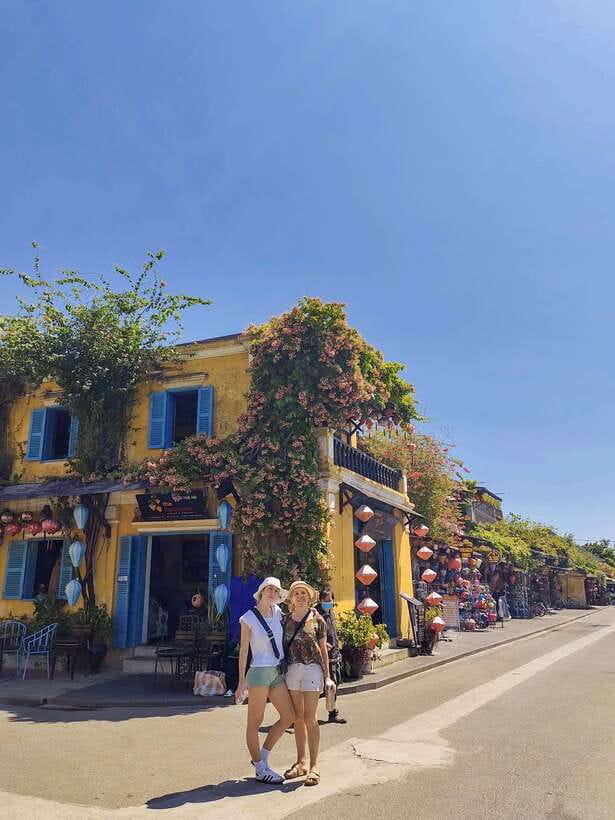
About 40 minutes is set aside for a traditional dance show. This is a smart timing choice. After a couple of walking stops, your body gets a rest, and you get a cultural reset before moving into the quieter, more interior-looking sights.
A short performance can also help tie the day together. You’re not only seeing architecture and streets, you’re getting a lived cultural layer, which is useful when your time in town is limited.
As with any timed program, you’ll want to arrive ready. Bring yourself a little patience for crowds, and plan to stay flexible if the schedule feels faster or slower than you expected.
You can also read our reviews of more historical tours in Hoi An






Hoi An Folk Museum: quick stops that add real texture

The itinerary includes a visit to the Hoi An folk museum for about 15 minutes. That’s brief, but it can still work if you use it like a briefing. Instead of trying to read everything, focus on what helps you understand everyday life and local culture in and around the Ancient Town.
This stop also balances the architectural focus. After assembly halls and old houses, a museum adds context for how people lived, not just what buildings look like.
Since the time is short, I’d treat it as a “take notes for your own exploring later” stop. If you find one theme that grabs you, that’s your cue to circle back during free time after the tour.
Tan Ky House and Japanese Covered Bridge: the two big photo moments
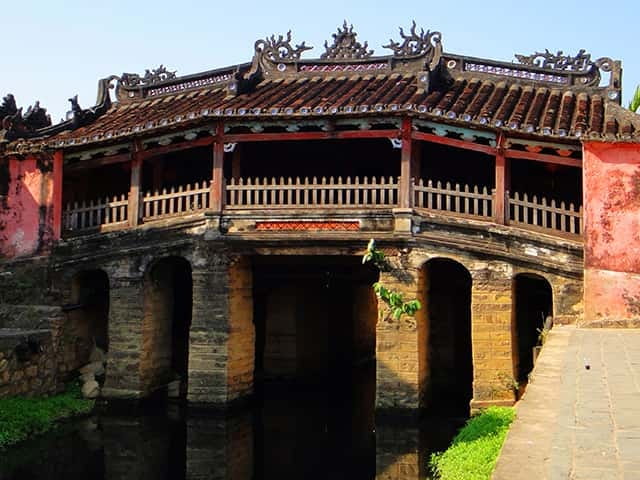
Two of the most recognizable stops come in the later half of the walk.
First is the Old House of Tan Ky, with around 25 minutes for photos and guided sightseeing. Old houses in Hoi An aren’t just about being old. Their layout and architecture help explain how commerce, family life, and community routines fit together in the town.
Then comes the Japanese Covered Bridge, with about 20 minutes. The bridge is the must-see landmark on many Hoi An days, and it’s easy to see why. It’s photogenic, but it also gives you another layer of the town’s mixed influences. This is where the cross-cultural theme becomes very concrete.
I’m a fan of tours that give you more than a 30-second stop at major icons. Here, the timing is long enough for a couple angles, a less-stress photo moment, and a short explanation so you understand what makes it special beyond the picture.
One more short stop before you head back
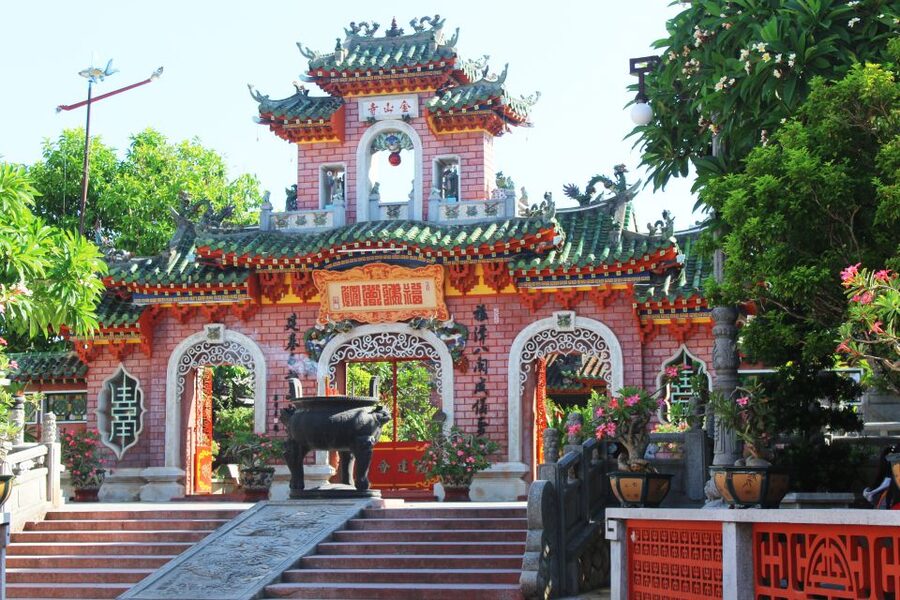
Your itinerary includes another short photo stop and guided sightseeing walk of about 15 minutes before returning to Da Nang. Since it’s listed only as a general stop, you should expect a quick add-on that helps connect the route.
That kind of buffer stop is useful. It gives your guide room to adjust to the pace of the group and keep the route flowing. If you’re someone who likes to squeeze every ounce of time out of a half-day, it’s also a relief to know you’ll still be covering more than just the biggest landmarks.
Time management: how the pace fits a 5-hour plan
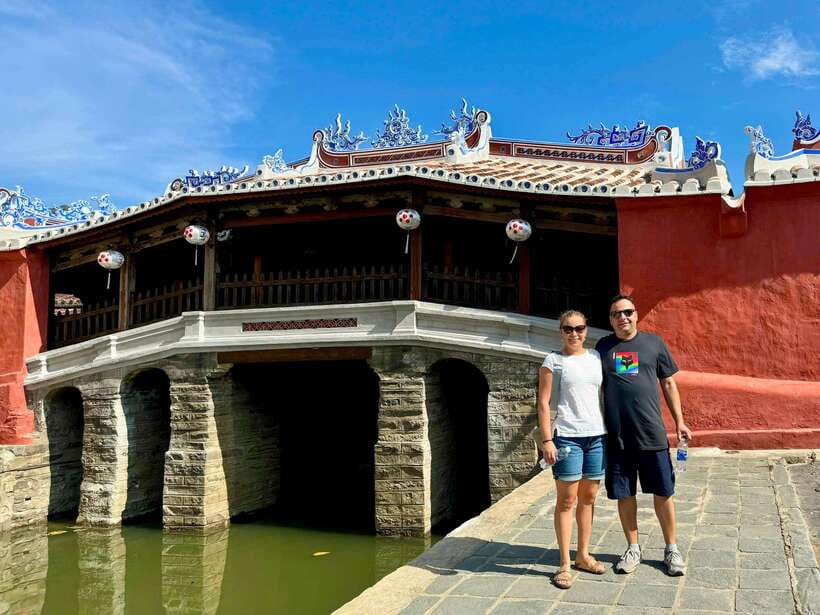
This is designed as a half-day. That’s good if you want one strong Hoi An experience and then time to do your own thing. The main benefit of the walk format is that you start with structure, then you can choose how you want to spend the remainder of your day.
Here’s how I’d plan it in real life. Do the tour during daytime for the main sights, then consider adding extra time on your own afterward. Hoi An often feels calmer later, and you’ll notice details you missed the first time through. If you want to slow down, evening is usually the moment to do it.
If you hate crowds, aim for a start time that feels less peak. Your tour start depends on availability, so check options and pick what fits your tolerance for busy streets.
The review feedback around this style of tour also hits the same point: having a guide matters in a tourist-heavy area, because it helps you focus and not waste time. Once you’ve got your bearings, you can branch out faster.
Price and what $42 actually covers
At $42 per person, the value comes from what’s included, not just the walking portion. Hotel pickup and drop-off in Da Nang City Center, transportation, entrance fees, bottled drinking water, an English-speaking guide, and travel insurance are all part of the package.
That matters because in places like Hoi An, the “hidden” costs add up quickly once you’re paying for guides, entry tickets, and your own transport. Even if you’re already comfortable navigating, having a guide with entrance coverage and a planned route makes your day smoother.
Language support is another value point. English is included, and other languages are available on request with a surcharge. If you want more comfort and less asking-for-directions, that’s a real benefit.
If you’re watching budgets, remember that personal expenses are not included. That means any shopping, extra snacks, or anything you add on your own is on you.
Who should book this heritage walk, and who might skip it
This tour is a great fit if you want:
- a guided route through key Hoi An sites without planning
- the major cross-cultural landmarks, including the Japanese Covered Bridge
- a mix of markets, assembly hall style architecture, old houses, and a short performance
- English explanations so you understand what you’re seeing
It may not be ideal if:
- you want a long, slow day with lots of free wandering built in
- you prefer avoiding tourist-heavy streets entirely, since the core Ancient Town area can feel crowded
Also, there’s a clear family rule: unaccompanied minors aren’t allowed, and every child must be accompanied by an adult. Names and nationalities are needed for insurance registration purposes, so have that ready.
If you’re considering a private group option, it can help you control pace and attention more easily. That can be especially useful when you want more Q and A time at the older sites.
Should you book the Da Nang Half-day Hoi An Heritage Walk?
If your goal is a high-value introduction to Hoi An without the stress of planning, I think this is a solid booking. The pricing is easier to justify because you get transport, entrance fees, an English guide, and water built in. The route covers the major icons and adds supporting stops that make the story feel connected, not random.
I’d still be honest with you about the tradeoff: it’s a timed walk in a popular area. If you crave quiet solitude for hours, you may feel slightly rushed. But if you’re okay with a structured half-day and you plan to add your own slower time afterward, this kind of tour is a smart way to get oriented fast and see the best-known sites in a way you’ll actually understand.
FAQ
How long is the Hoi An heritage walk?
The duration is listed as 5 hours. Starting times vary based on availability.
Where do you get picked up in Da Nang?
Hotel pickup and drop-off are included for Da Nang City Center, but it does not include pickup for Son Tra Peninsula.
What’s included in the tour price?
The price includes hotel pickup and drop-off, transportation as per the itinerary, entrance fees, bottled drinking water, an English-speaking guide (other languages upon request with surcharge), and travel insurance.
What major places does the tour visit?
The tour includes Hoi An Market, Fujian Assembly Hall, a traditional dance show, Hoi An folk museum, Old House of Tan Ky, and the Japanese Covered Bridge, plus additional short guided photo stops.
Is the guide available in English?
Yes, the tour guide is English. Other languages may be available upon request with an additional surcharge.
Does the tour offer free cancellation?
Yes. You can cancel up to 24 hours in advance for a full refund.
Can I reserve first and pay later?
Yes. The option is reserve now & pay later, so you can book without paying immediately.
Are unaccompanied minors allowed?
No. Unaccompanied minors are not allowed, and every child must be accompanied by an adult.
More Historical Tours in Hoi An
More Walking Tours in Hoi An



More Tour Reviews in Hoi An






Not for you? Here's more nearby things to do in Hoi An we have reviewed











Historical Tours, compared.
 ★ 5.0Heritage Adventure Private Tour by Electric CarFrom $1796 reviews
 ★ 5.0Vietnamese Cooking Class in Historical Hoi An RestaurantFrom $3358 reviews
 ★ 5.0Hue Culture & History Day Tour – Departing Hoi An or Da NangFrom $14826 reviews
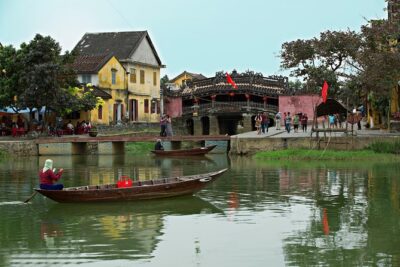 ★ 4.5My Son Sanctuary And Hoi An Heritage Full-day TourFrom $9525 reviews
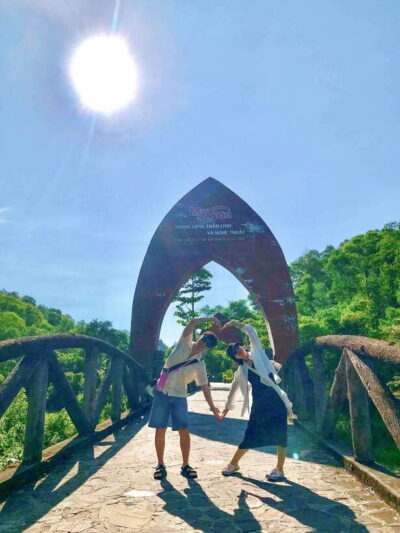 ★ 4.8Da Nang: Full-day My Son Sanctuary And Hoi An Heritage TourFrom $6721 reviews
 ★ 5.0Ky Anh Tunnel & Cham Old Tower By Private Tour History of WarFrom $5519 reviews
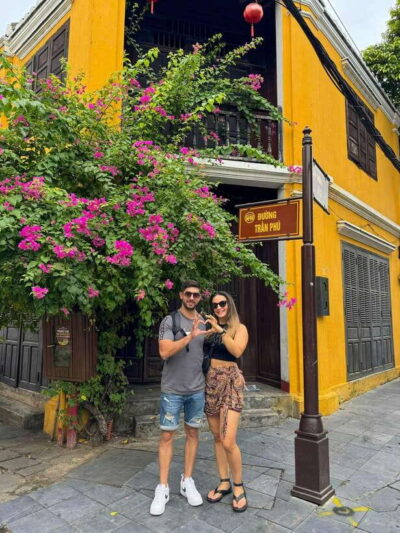 ★ 4.6Half-Day Heritage Walking TourFrom $3319 reviews
 ★ 5.0Da Nang Epic History Tour by Cham Museum & Tasty Cuisine/CafeFrom $2915 reviews
Browse the lists this tour appears in