
REVIEW · TRA QUE VEGETABLE VILLAGE TOURS
Tra Que Village Cycling And Farming
A morning bike ride can feel like a cheat code. This Tra Que Vegetable Village tour takes you out of Hoi An and into farmland where you learn how local families grow herbs, using seaweed fertiliser, then make traditional rice paper.
I love the small-group feel and the fact that everything essential is covered, from the bicycle to the included light lunch. The route is short from the old quarter, so you get countryside without the day getting swallowed up.
One thing to consider is that this is still a cycling activity, even though it is described as easy and flat, so pack for sun and be ready for a bit of saddle time.
Key highlights at Tra Que Village
- Seaweed-fertilised organic farming: you’ll learn why the herbs and vegetables here are treated as organic
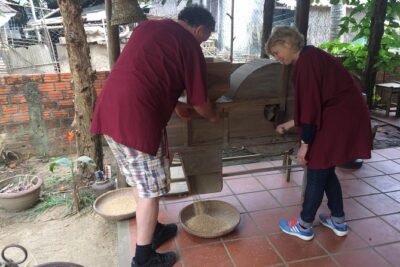
- Rice paper making: a hands-on skill tied to local food traditions
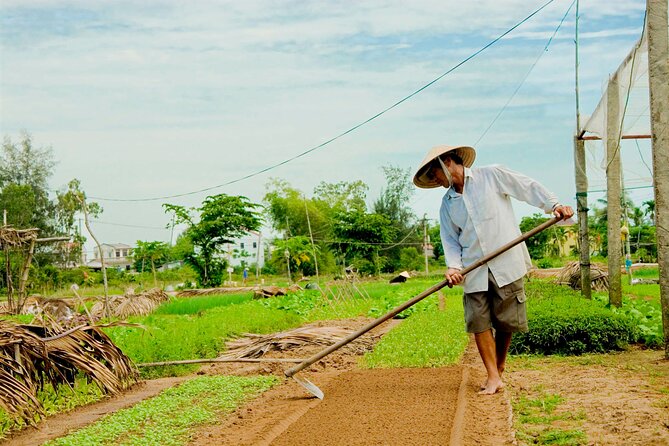
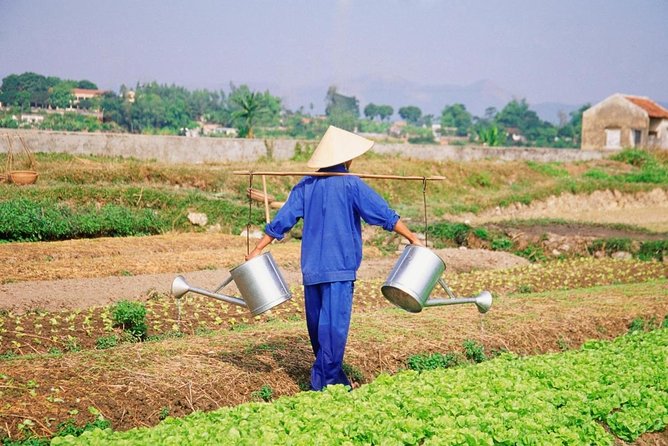
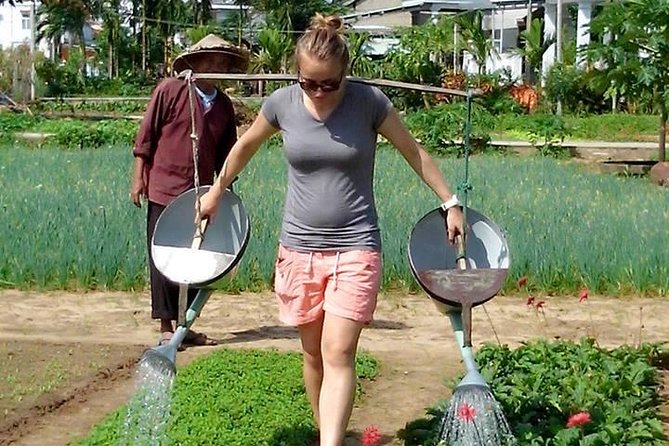
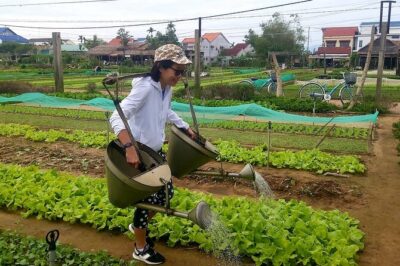
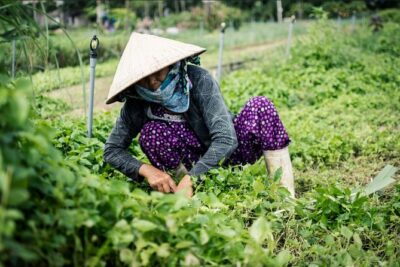
- Gardening activities: from preparing the land to picking vegetables
- Easy cycling from Hoi An: about 15 minutes out of the city center to start the countryside scenery
- Pho lunch included: a light, local beef noodle soup meal after the work
- Local guide energy: guides like Kim, Emma, Tin Tin, and Jackie are repeatedly praised for clear explanations and friendly pacing
Leaving Hoi An for Tra Que, without the hassle
Hoi An’s old quarter is fun, but it can also feel like it’s constantly on. This tour gives you a clean escape, with the countryside starting fast. You meet at 119 Tran Quang Khai, then head out by bike for a scenic stretch that’s usually described as easy and flat.
Timing matters here. The start time is 8:30 am, which helps you get fresh morning light and a break from the later heat. At the end, you’re back with a simple meal done and dusted, rather than spending your afternoon hunting for something local.
If you worry about logistics, the operator keeps it straightforward with a mobile ticket and an option for pickup offered. Helmets are also provided and are required, which makes the ride feel more controlled and less like you’re winging it on busy roads.
You can also read our reviews of more cycling tours in Hoi An

The cycling route, water buffalo views, and why it feels local
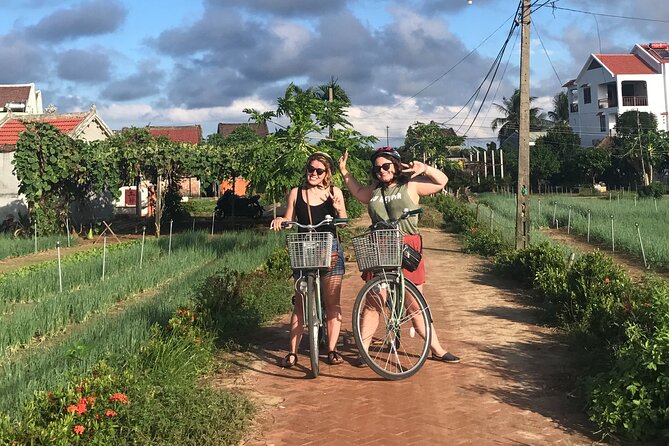
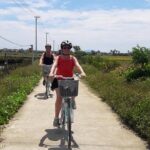
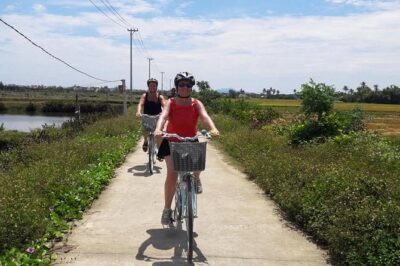
The big promise is that you are not just cycling past farmland like it’s wallpaper. You’re entering a real working area, where you can spot rice fields, see water buffaloes lounging in mud, and catch those quiet, glassy river views that make the countryside look like it’s holding still.
The ride is positioned as about 15 minutes from the city center, so you spend less time “getting there” and more time actually doing the experience. You’ll also get multiple photo opportunities, which is handy because the views are the kind you’ll want on your camera before the day gets busy.
Road comfort is personal. Most people can participate, and the route is described as accessible, but if you are nervous on two wheels, plan to rely on the guide’s pacing and the group’s spacing. One of the guides, Tin Tin, has a reputation for helping riders stay comfortable, including people who were not fully confident cyclists at the start.
Tra Que Vegetable Village: organic farming you can see up close
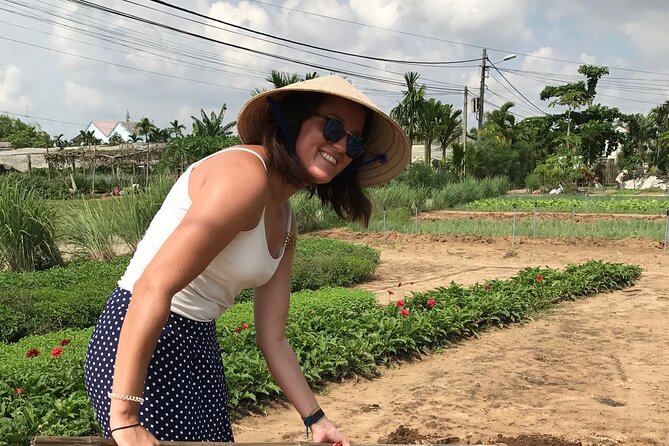
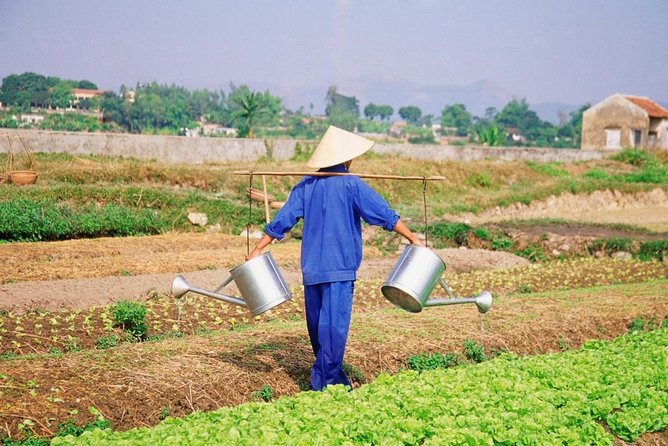
Once you reach the vegetable area called Tra Que, the main thing you notice is that it feels purpose-built for growing. This is a green farming zone right outside Hoi An, often presented as a place where local families keep the day-to-day rhythm.
Here’s the detail that makes it more interesting than a generic “farm visit.” The special farming approach highlighted for this village is the use of seaweeds to fertilise the herbs, described as helping keep the produce totally organic. That means you are not only looking at plants, you’re learning what local farmers do differently to support soil health.
And you’ll get a sense of how water, plants, and routine connect. The visuals matter, but it’s the explanation that turns the scenery into understanding. With a good guide, the rice fields and rivers stop being pretty and start being practical.
Hands-on rice paper making (and why it connects to farming)
The tour’s standout skill is making traditional rice paper. This isn’t just a craft for tourists. It’s tied to the broader idea of how farming feeds local food traditions.
Expect to work through a short, guided process and then leave with the satisfaction of doing it yourself. Since this tour is designed as family-friendly and small-group, the pacing is usually kept human-sized, not like you’re being rushed through a checklist.
What’s smart about including this activity is timing. You ride out, you learn what farmers do, and then you touch a food product that comes from the same local ecosystem. It’s one of the easiest ways to connect a rural morning to something you’ll recognise in the evening.
Gardening activities: from preparing the land to picking vegetables
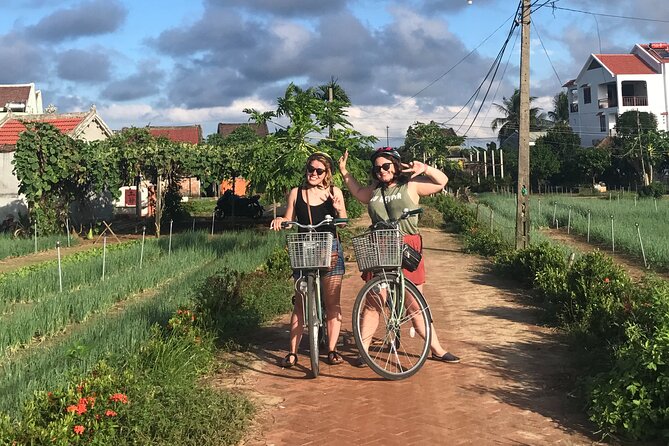
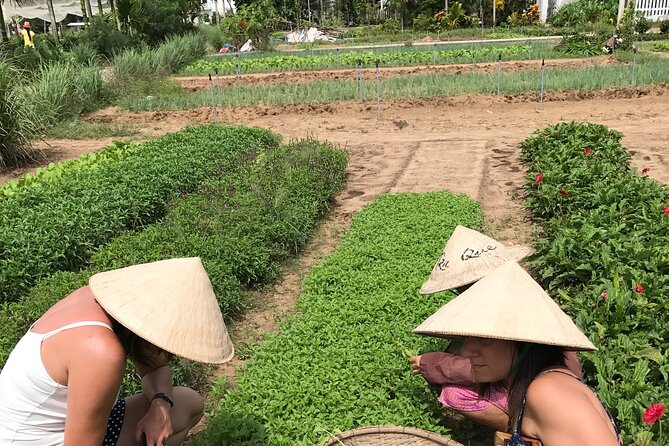
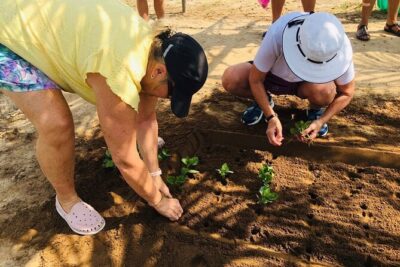
The farming part is not one single photo stop. You join gardening activities, described as moving from preparing the land to picking vegetables. That sequence matters because it shows you the work isn’t only in harvest.
In practical terms, you’ll be doing light farm tasks rather than anything extreme, and the tour is positioned as family friendly. One guide, Emma, has been described as having strong English and delivering an informative farming experience, while also keeping the day safe and comfortable.
If you have kids, this is exactly the kind of activity that helps children feel included. A family visit with daughters aged 6 and 8 was reported as a big win, mainly because they got to see and do things rather than only watch.
More Hoi An lantern evenings, food walks, village rides, island trips, and central Vietnam day tours to compare
Small pauses that can add culture to the ride
Not every moment is only vegetables and rice. Some routes include a quick temple stop, which can break up the cycling and give you a cultural moment without making the morning too long. If your group wants more structure than farming alone, those little additions help.
The key is that the tour keeps everything moving. You should still expect the main storyline to be the farmland, the gardening, and the rice paper making, with any extras treated like bonus context rather than the core.
Lunch at Tra Que: light Pho that actually fits the schedule
After the hands-on time, lunch is included and is a light Pho. This is one of the best kinds of included meals because it’s not heavy enough to slow you down after you’ve been working and cycling.
You should think of the lunch as fuel, plus a taste of what the area eats. It’s also part of why the tour feels like a complete morning. You don’t leave thinking, now what, where do I eat, or how do I handle a hungry group.
One practical bonus mentioned with the guides is that they may steer you toward a specialty Pho or street dessert experience as part of the morning flow. I can’t promise every run includes dessert, but if the guide is known for sharing local food, it’s a safe bet you’ll get at least one extra taste beyond the main lunch.
What guides like Kim, Emma, Tin Tin, and Jackie do best
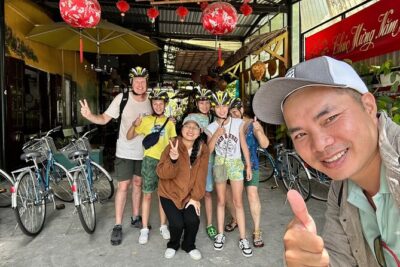
A huge part of whether a countryside tour feels worthwhile is the guide. Here, the names that keep showing up for high praise are Kim, Emma, Tin Tin, and Jackie.
Kim is repeatedly praised for clear English and a cheerful, engaging approach. One detail I find useful is that Kim can also speak Japanese, which can make communication easier if you have a Japanese-speaking friend or partner in your group. Another strong theme is patience, especially for visitors whose English is limited.
Emma is described as speaking very good English and guiding well through the farm learning and the meal. Tin Tin is described as energetic and fun, with attentive safety habits and help for people who are less confident on bicycles. Jackie is mentioned for strong translation help around organic farming practices, which is exactly what you want if you’re the type who asks a lot of questions.
So the real takeaway is simple: pick the tour because it’s hands-on, but rely on the guide to turn “seeing a farm” into real understanding.
Price and value: why $25 is more than a low-cost activity
At $25.00 per person, this is priced like an easy add-on. But the value comes from what’s bundled and what you do with your time.
You’re not just paying for a bike. You’re getting:
- bicycle and helmets required
- an English speaking tour guide
- activities in the village
- water
- light lunch (Pho)
- entry fees included
That matters because countryside tours often sneak in extras. Here, the structure feels like it’s designed so you can show up, join the day, and leave without tallying every small cost.
Also consider timing. A 3 hours 30 minutes morning is long enough to feel like an actual experience, but short enough that you don’t ruin your whole day. In Hoi An, that’s a real form of value, since you’ll likely want time later for lantern streets, markets, or the beach.
What to pack, so the morning stays comfortable
This is a morning outside, with sun and a few hours of movement. The tour data calls out practical items to bring:
- Sun protection creams and lotions
- fully charged cameras
- caps or a hat
- footwear like flip-flops, thongs, or sandals
- sunglasses
That footwear list is friendly, but I’d still think about how your feet will feel after cycling. If your sandals are the squishy type that flop, they can become annoying. If you’re the cautious type, consider footwear that feels secure even when you stop and restart.
Also keep in mind you’ll be in a farming setting. That usually means dust or a bit of mud near working areas, so pack accordingly.
Who should book this tour, and who might prefer something else
This tour fits best if you want a low-stress way to see Hoi An’s countryside while doing real activities. It’s described as family friendly, small group, and guided, so it works for mixed ages.
It also makes sense if you:
- like hands-on food connections like rice paper making
- want to learn how local farming works, not just look at it
- prefer a short countryside escape instead of an all-day excursion
- want a group size capped at 15 travelers, which tends to keep the experience personal
You might choose something else if you hate cycling completely or if you want a very quiet, no-movement nature walk. Even though the ride is presented as easy and scenic, the day still includes biking and farm tasks.
For first-timers in Vietnam or first-timers in Hoi An, this is a smart “local life” bridge. For experienced travelers, it’s a nice break from museums and a reminder that food and agriculture are part of the culture you came to see.
Final call: should you book Tra Que Village cycling and farming?
I think you should book it if you want an easy, guided Hoi An countryside morning with real hands-on farming and a practical included lunch. The combination of cycling plus activities like rice paper making is a clean way to spend 3.5 hours without scrambling for plans.
Skip it only if you are uncomfortable riding a bicycle or if you know you would rather spend your time on Hoi An’s streets instead of in a working farm environment. If that sounds like you, you’ll feel impatient once the day starts.
If you’re on the fence, use the guide quality as your tiebreaker. Names like Kim, Emma, Tin Tin, and Jackie show up in the kind of feedback that matters, the kind where the guide keeps the day fun, clear, and safe.
FAQ
What is the price for Tra Que Village Cycling And Farming?
The price is $25.00 per person.
How long is the tour?
The tour runs about 3 hours 30 minutes (approx.). The Tra Que Vegetable Village segment is listed as about 2 hours.
What time does it start?
The start time is 8:30 am.
Where is the meeting point?
Meet at 119 Tran Quang Khai, Hoi An. Pickup is offered.
Does the tour include lunch?
Yes. You get a light lunch of Pho.
What is included in the tour price?
Bicycle, helmets on required, an English speaking tour guide, activities, water, light lunch (Pho), and many photo opportunities. Entrance fees are also included.
What should I bring with me?
Bring sun protection creams or lotions, a fully charged camera, caps or a hat, caps, footwear like flip-flops or sandals, and sunglasses.
How big is the group?
The tour has a maximum of 15 travelers.
Is it suitable for kids or beginners at cycling?
The tour is family friendly and says most travelers can participate. Guides are known for being patient and helping with safety and comfort during the ride.
Can I cancel and get a full refund?
Free cancellation is available. You can cancel up to 24 hours in advance for a full refund. If you cancel less than 24 hours before the experience starts, the amount paid is not refunded.
More Farms in Hoi An
More Cycling Tours in Hoi An

More Tour Reviews in Hoi An




Not for you? Here's more nearby things to do in Hoi An we have reviewed




Tra Que Vegetable Village Tours, compared.
 ★ 5.0Hoi An Countryside Biking Tour(Vegetable village -basket boat – fishing village)From $45216 reviews
 ★ 5.0Hoi An Local Market and Vegetable Village Cooking ClassFrom $2993 reviews
 ★ 5.0Hoi An countryside biking – Basket Boat – Vegetable village – Local home CookingFrom $5837 reviews
 ★ 5.0HOI AN Biking Vegetable Village, Basket Boat, Coconut ForestFrom $3520 reviews
 ★ 5.0HOI AN Vegetable Village, Basket Boat, Palm Forest PRIVATE TOURFrom $4018 reviews
 ★ 5.0Half Day Cooking Class At Tra Que Vegetable Village Hoi AnFrom $719 reviews
 ★ 5.0Cooking Class with Tra Que Eco Farm & Local Market DiscoveryFrom $295 reviews
 ★ 3.7Farming with Farmers at ancient vegetable Village “Tra Que”From $413 reviews
Browse the lists this tour appears in