
REVIEW · TRA QUE VEGETABLE VILLAGE TOURS
Farming with Farmers at ancient vegetable Village “Tra Que”
Rice fields, herbs, and real farm work. Tra Que in central Vietnam is a 300-year-old vegetable village where you cycle in quiet lanes, meet a family farm, and then eat lunch tied to what you helped grow. I like the hands-on pace and traditional tools, and I love how your meal connects directly to fresh herbs. One catch: you’ll ride water buffalo, so it is not the best fit if you prefer to keep a little distance from animals.
The day starts with a pickup from your hotel and an English-speaking guide. You’ll cycle about 20 minutes through rice fields first, then shift gears to eco-touring herb gardens, farming tasks, and cooking, before returning back to the Hoi An area with photos that feel far more real than any picture wall.
Key things I’d circle before you book
- A true farm day, not a quick photo stop, with raking, sowing, watering, and picking herbs
- Tra Que vegetable village, a government-saved heritage area growing 30-plus types of herbs by manual methods
- Ricefield cycling plus the peaceful island feel of Tra Que, away from engines and road noise
- Water buffalo ride and basketboat row, done as part of the village rhythm
- Chef-led lunch you cook yourself, using local ingredients and spices
- Diet tweaks possible, including extra dishes for needs like coriander-free requests
Why Tra Que Farming Feels Different From Usual Hoi An Tours
Tra Que Water Wheels Company’s farm experience is built around the simple idea that food starts far earlier than your plate. Instead of just touring a pretty place, you get structured time in the vegetable fields and gardens, learn how plants are grown in this fertile river area, and then turn around and cook with the same ingredients.
What I like is the balance. You do get active, but it is not a boot-camp. You also get quiet moments, like walking through fragrant herb rows where the only sounds are people working and birds moving through the greenery.
More Hoi An lantern evenings, food walks, village rides, island trips, and central Vietnam day tours to compare
Getting There From Your Hotel: Bike Pickup and Control Options
Your tour begins with a pickup from your hotel, and you can choose how you get to Tra Que: bicycle, motorbike, or car. That matters because Hoi An area traffic can be unpredictable, and having options helps you match the day to your comfort level.
You also want to think about the return plan. The tour includes drop-off by bike, but if you choose to be picked up by car, the return to town is a private taxi. Translation: you’ll likely trade some cycling time for convenience. If you love the countryside feel, opt for the cycling and bike pickup.
The Ricefield Cycle: 20 Minutes of Fresh Air and Farm Life
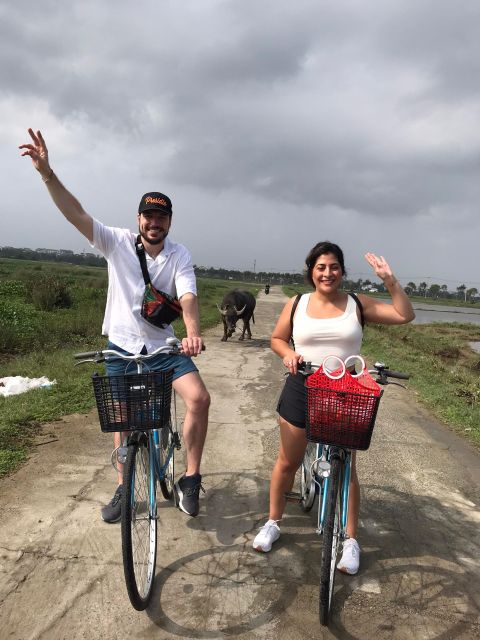
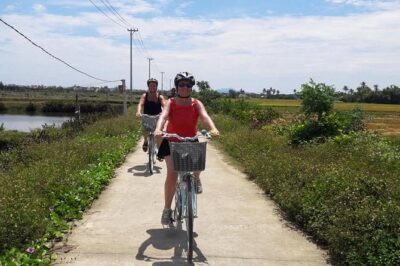
After the pickup, you cycle for about 20 minutes through rice fields. This is the kind of short ride that sets the mood fast. You’re not stuck in transit, and you’re already looking at the same landscape that supports local farming.
Along the way, you’ll pass typical field scenes like cows, ducks, and buffalo. Even if you’ve seen rural Vietnam before, there’s something about the density of farm animals paired with water and rice paddies. It makes the rest of the day click. You stop treating farming like a concept and start seeing it as daily work.
Entering Tra Que: A 300-Year-Old Vegetable Village With No Vehicle Noise
When you arrive, the vibe changes. Tra Que is described as a peaceful, quiet heritage vegetable village with manual growing methods. You’re stepping into a place that feels saved on purpose, including a heritage area status and a fertile location tied to the river.
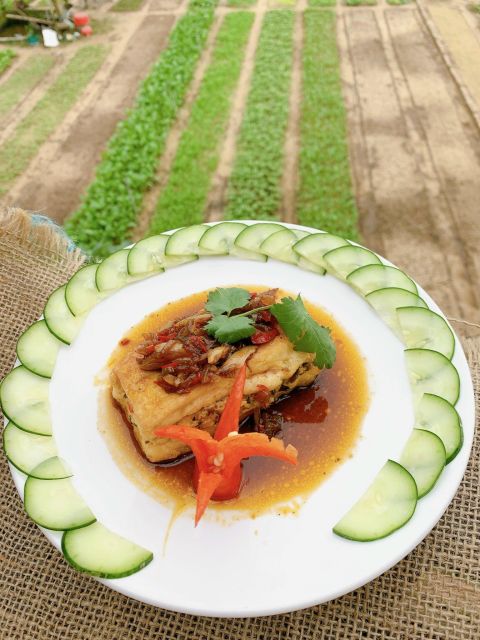
You’ll explore an eco-tour through herb and vegetable gardens, including areas that grow more than 30 types of herbs. The impressive part is not just the number. It’s the approach: manual methods, a slow rhythm, and a focus on what grows well in this specific land.
Expect a dreamy feeling, the kind where it is easy to forget that cars exist nearby. That’s exactly why this experience works. You are not only learning about ingredients, you are also seeing the environment those ingredients come from.
Eco-Tour Through Herb and Spice Culture: What You’re Really Learning
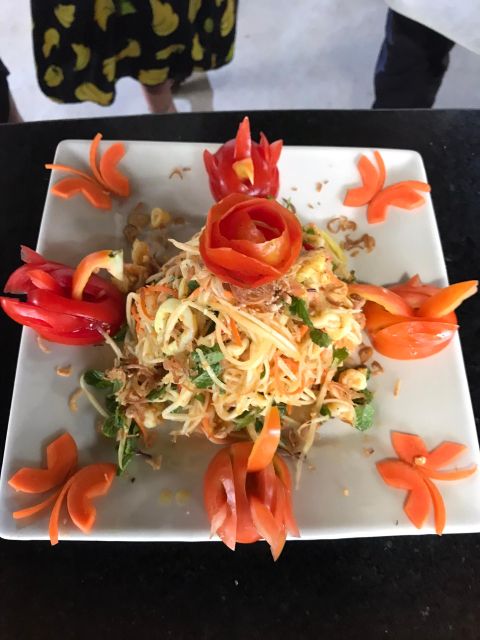
The eco-tour is about ingredients you can recognize on your plate, but with a different level of respect. You’ll learn how traditional ingredients and spices show up in daily meals, and you’ll get context for why certain herbs matter so much in Vietnamese cooking.
If you care about eating well, this is where the day becomes more than activity. You start noticing flavors as grown things, not just menu descriptions. You also get a better sense of what is local to this zone of Central Vietnam, including the herb variety that supports dishes.
This is also where the day avoids the usual “walk, point, done” pattern. You’re given a reason to look, like linking what you see in the garden to what you’ll likely taste during lunch.




Farming With Farmers: Seaweed Fertilizer, Traditional Tools, and Real Tasks
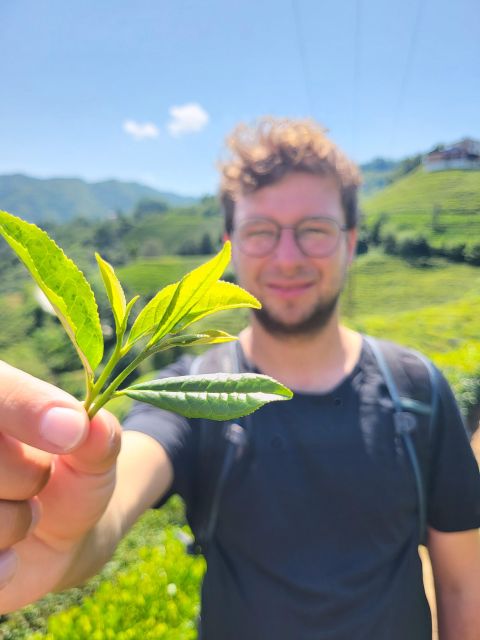
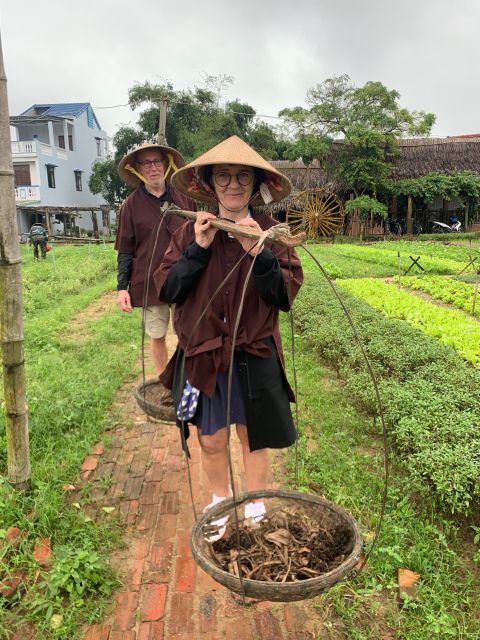
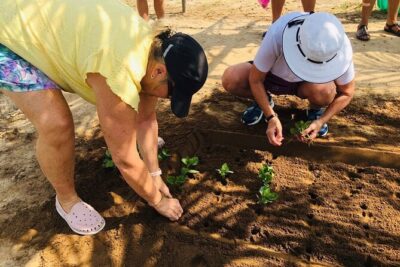
Now you move from observing to doing. The experience includes preparing the land and fertilizing, using seaweed from a nearby lake. That detail matters because it shows a farming system tied to local water and natural inputs, not generic industrial shortcuts.
You’ll learn traditional tasks with tools and actions that fit the work itself:
- Raking the ground using older, hands-on methods
- Sowing new seeds
- Watering young plants
- Picking herbs for your lunch
This part is surprisingly meaningful, even if you only do a few steps. You learn that farming is not one dramatic moment. It’s a chain of small tasks that keep the garden alive.
Also, it gives you a story you can take into your meal. When you later cook, you understand why those herbs were picked now, not hours later.
One practical note: manual farming can mean mud, damp soil, and getting a bit dirty. Wear clothes you’re comfortable staining and shoes that can handle rough ground. If you show up in fragile sandals, you’ll feel anxious all day.
Water Buffalo and Basketboat: Fun, Fast, and Photo-Friendly
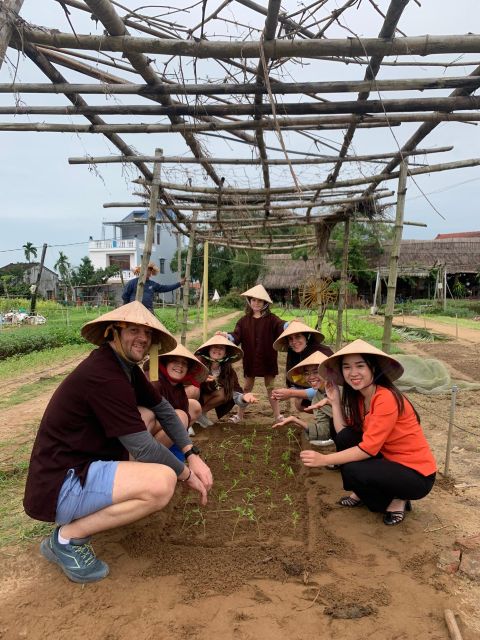
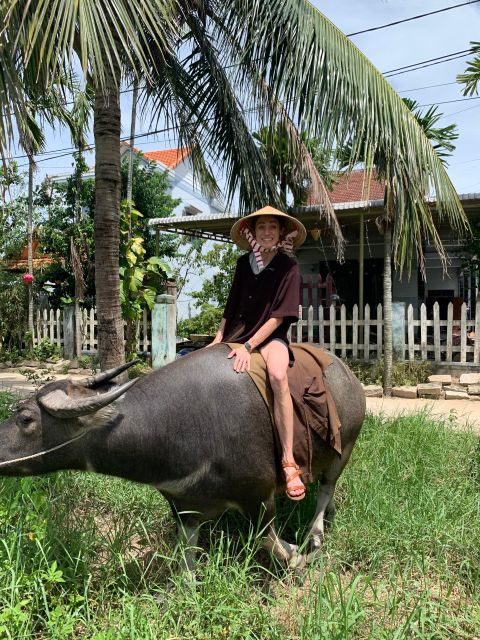
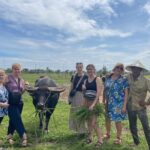
This is where the day injects play without losing the farming theme. You’ll learn to ride a water buffalo, described as a local animal and a beautiful one. If you’re comfortable with animals and you like experiences that feel distinctly regional, this is usually the highlight.
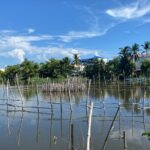
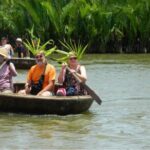
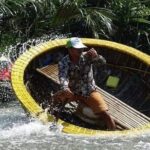
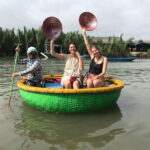
After that, you’ll row a basketboat between coconut palm trees. The setting is practical for the activity: palms and waterways make it feel like a natural extension of local life. It’s also a good contrast to the herb garden. One moment you’re in soil and plants, the next you’re moving through water channels tied to the same landscape.
If you’re traveling with kids or teens, this section often works well because it breaks up the day’s work learning. Just be sure everyone is ready to participate respectfully and follow instructions.
Lunch in Tra Que Mode: Cook With the Chef, Then Eat What You Made
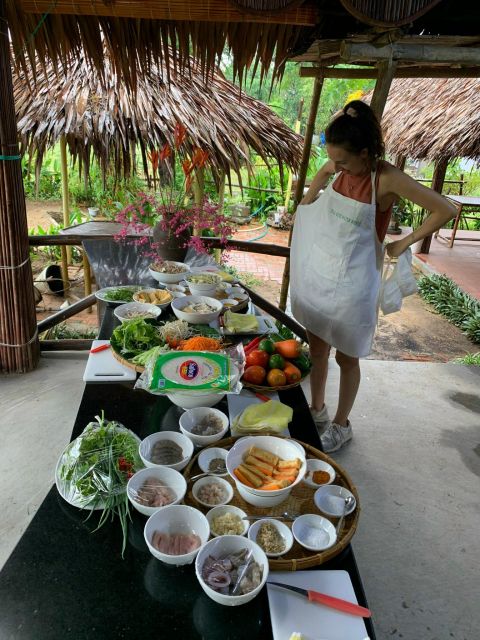
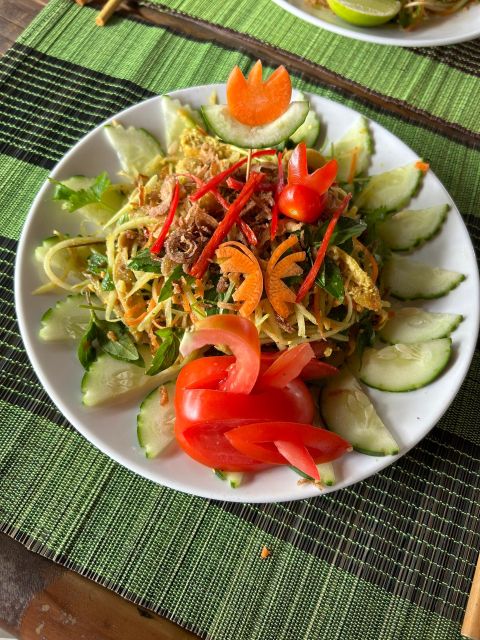
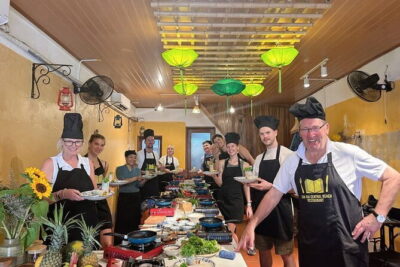
Following the local chef, you’ll get a lunch menu, then cook your own meal. This is the part I’d call the “farm-to-fork proof.” You are not only being shown food culture, you’re practicing it.
The chef and family member are tied to the Tra Que Water Wheel restaurant, and the tone is clearly family and team driven. One of the best pieces of feedback from guests is how friendly and happy the whole group feels, including the guide, chef, and farmer team.
Even more useful: the cooking and menu include flexibility for dietary needs. For example, if someone requests an extra dish without coriander, they can do that. If you have allergies or you just hate a particular herb, tell them clearly. The tour explicitly says they care about wishes and allergies, so it is worth speaking up early.
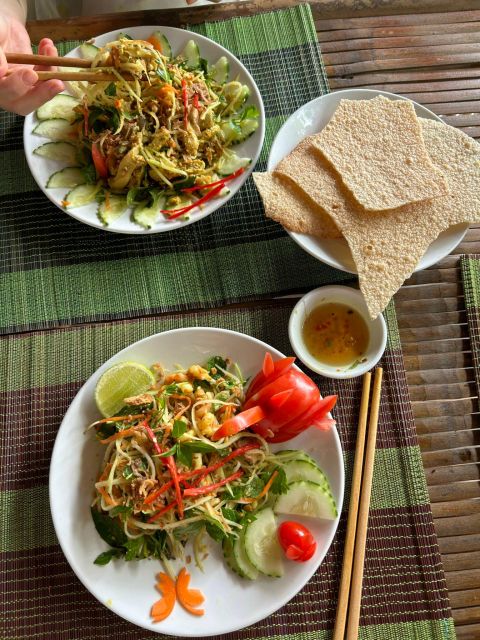
You’ll likely leave lunch full and satisfied, not just “fed.” The flavors are tied to what you grew and harvested, plus the hands-on cooking makes everything taste more personal.
Value at $41: What This Day Costs, and Why It’s Not Just a Sightseeing Ticket
At $41 per person, you’re paying for a lot more than entry to a garden. Your price includes:
- An English-speaking guide
- Hotel pickup (bike, motorbike, or car depending on your choice)
- A welcome drink
- Eco-tour through the heritage Tra Que herb village
- Farming with farmers, including traditional learning time
- Lunch menu
That bundling matters. Many “food and farm” days charge separately for activities, transport, and meals. Here, the day is packaged around learning and participation, and lunch is not an afterthought.
If you compare it to a standard guided market walk plus a restaurant meal, this feels more active and more grounded. You’re spending time in the place where ingredients are grown, then turning that learning into a cooked meal.
Who This Tour Fits Best (and Who Might Skip It)
This experience is a great match if you want:
- Real contact with farm work, not only photos
- A calmer side of Hoi An beyond old-town streets
- Food culture tied to what you actually do
- Animal and water activities like the buffalo ride and basketboat
It might be less ideal if:
- You do not want close animal contact (water buffalo ride is part of the plan)
- You dislike any chance of getting a little messy from farming tasks
- You prefer purely indoor or purely seated experiences
If you’re the type who loves cooking shows, tasting menus, or local markets, you’ll likely enjoy this even more because it connects flavor to process.
Practical Tips I’d Use Before You Go
You don’t need to overthink it, but small choices help a lot:
- Wear clothes you don’t mind getting dirty during farming
- Use sun protection, because the ricefields and garden time can be bright
- Bring your questions about herbs and spices, this day is built for curiosity
- If you have food allergies or strong dislikes, say them clearly when you start, so the chef can plan meals
And if you’re nervous about the buffalo, it helps to keep expectations simple. You’re learning with guidance, and the goal is safe participation, not a stunt.
Should You Book Tra Que Farming With Farmers?
I think you should book this if you want a day in Central Vietnam that actually connects work, land, and lunch. The biggest strengths are the hands-on farming tasks, the herb garden learning, and the chef-led meal that you cook yourself. Add in the water buffalo ride and basketboat row, and you get a mix that feels both practical and memorable.
I’d say skip it only if the buffalo ride is a hard no for you, or if you want zero chance of dirt during farming. Otherwise, for a single day near Hoi An, this is one of the more value-forward options because lunch and farm experiences are built into the price and flow.
FAQ
What is included in the Tra Que farming experience?
It includes an English-speaking guide, hotel pickup and drop-off, a welcome drink, eco-tour through the Tra Que herb village, farming with local farmers, and a lunch menu.
How do I get picked up from my hotel?
Pickup is available from your hotel by bicycle, motorbike, or car, based on what you choose.
Is the guide English-speaking?
Yes, the tour includes an English speaking guide.
Is there cycling involved?
Yes. You cycle for about 20 minutes through the rice fields as part of the experience.
What farming activities do I do?
You prepare the land and fertilize, learn traditional raking tools, sow seeds, water young plants, and pick herbs for your lunch.
Do I ride a water buffalo?
Yes, learning to ride a water buffalo is part of the tour.
Do I row a basketboat?
Yes, you try rowing a basketboat between coconut palm trees.
What does lunch include?
Lunch includes a menu you follow with the chef, and you will cook it yourself as part of the experience.
Can the chef accommodate allergies or food requests?
Yes. The tour notes they care about wishes and allergies, and there is an example of making an extra dish without coriander.
How much does the tour cost?
The price is listed as $41 per person.
More Farms in Hoi An
More Tour Reviews in Hoi An
Not for you? Here's more nearby things to do in Hoi An we have reviewed




Tra Que Vegetable Village Tours, compared.
 ★ 5.0Hoi An Countryside Biking Tour(Vegetable village -basket boat – fishing village)From $45216 reviews
 ★ 5.0Hoi An Local Market and Vegetable Village Cooking ClassFrom $2993 reviews
 ★ 5.0Hoi An countryside biking – Basket Boat – Vegetable village – Local home CookingFrom $5837 reviews
 ★ 5.0HOI AN Biking Vegetable Village, Basket Boat, Coconut ForestFrom $3520 reviews
 ★ 5.0HOI AN Vegetable Village, Basket Boat, Palm Forest PRIVATE TOURFrom $4018 reviews
 ★ 5.0Tra Que Village Cycling And FarmingFrom $2515 reviews
 ★ 5.0Half Day Cooking Class At Tra Que Vegetable Village Hoi AnFrom $719 reviews
 ★ 5.0Cooking Class with Tra Que Eco Farm & Local Market DiscoveryFrom $295 reviews
Browse the lists this tour appears in