
REVIEW · HOI AN COOKING CLASSES
Farming & Cooking Class in Hoi An – Small Group Tour
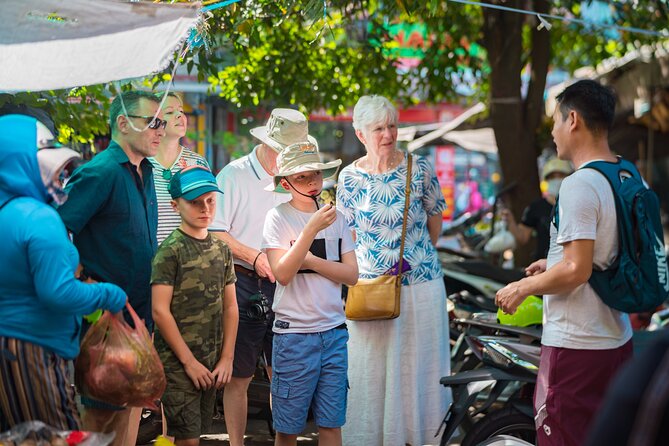
Cooking, farming, and food in one afternoon. This is a small-group Hoi An class that starts in the local market, moves to the Tra Que Vegetable Village farm, and ends with a full lunch you cooked yourself. You also get a traditional foot massage before you turn on the heat.
I especially like the market-to-plate flow, because you pick ingredients with an English-speaking guide and (in many cases) the chef’s help before you ever cook. I also love the hands-on farm part at Tra Que, including tasks like hoeing, collecting seaweed, transplanting, and watering, so the recipes feel practical, not just watch-and-copy.
One consideration: this experience needs good weather. If conditions are poor, you may be offered a different date or a full refund.
Key things I’d bet on in this Tra Que class
- Market shopping with your guide so you understand what herbs and produce you’re using
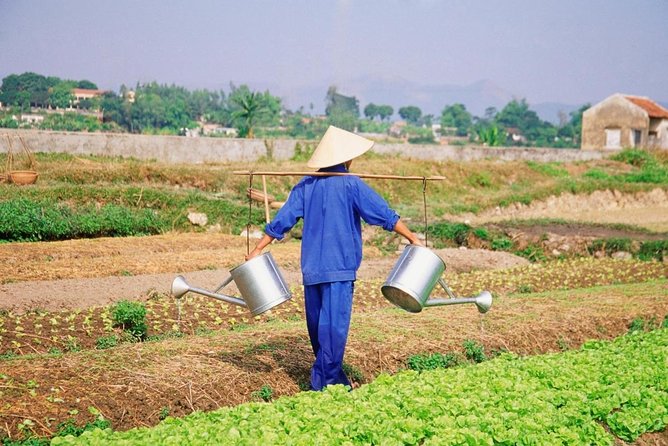
- Actual farm work at Tra Que Vegetable Village, not just a photo stop
- A foot massage with medicinal herbs as a reset before cooking
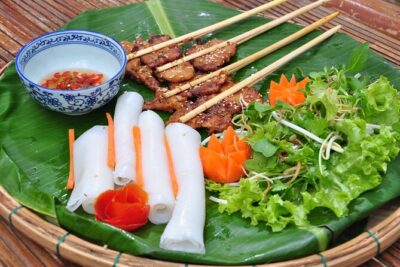
- Hands-on cooking for green papaya salad, spring rolls, banh xeo, and fish in clay pot
- Small group size, up to 15, which makes questions easier
- Vegetarian and special diet options on request
Market First in Hoi An, with Chef-Guide Energy
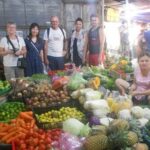
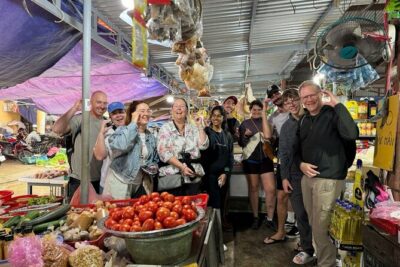
The day starts with a meeting point at your hotel and then it’s straight to the local market in Hoi An. This matters more than you might think. Many cooking classes begin at the stove. Here, you get your bearings first.
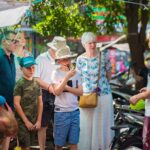
You’ll shop for the ingredients you’ll use later, and your guide explains what you’re looking at. Expect talk around fruits, vegetables, and herbs that show up in Vietnamese cooking. It also gives you context for the dishes you’ll make, like why green papaya salad uses specific crunchy, tangy ingredients, or why fresh herbs are such a big deal for spring rolls.
In the reviews tied to this experience, the chef and guide roles show up often, with names like Min mentioned for leading the market visit and explaining produce. That kind of back-and-forth is what turns a market walk into a cooking lesson.
Practical tip: come hungry and ready to ask questions. If you’re unsure what something is, ask. This part is where you learn the “why,” and it carries into the kitchen.
You can also read our reviews of more cooking classes in Hoi An
The Ride Through Rice Fields and Villages That Sets the Tone
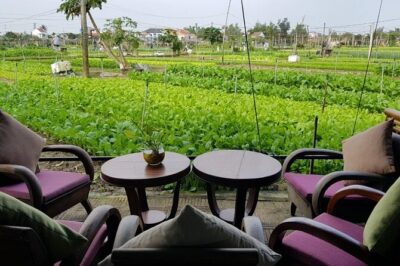
After the market, you move toward Tra Que Vegetable Village by cycling through rice fields and peaceful villages. It’s a calmer contrast to the market bustle. Even if you’ve seen farms elsewhere, the rhythm here helps you slow down.
This leg also helps you picture where the food comes from. You’re not just visiting a farm. You’re moving through the area where the farming happens.
The tour is about 5 hours total, and this early pace is a good match. You still get plenty of hands-on time later, especially for the cooking portion.
Tra Que Vegetable Village: Garden Walk, Farming Tasks, and Herbal Scents
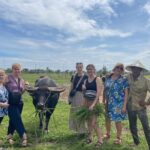
At Tra Que, you start with a garden walk to discover culinary herbs and vegetables used in the cooking class. This is one of the most memorable setup moments because it connects the market shopping to what’s growing nearby.
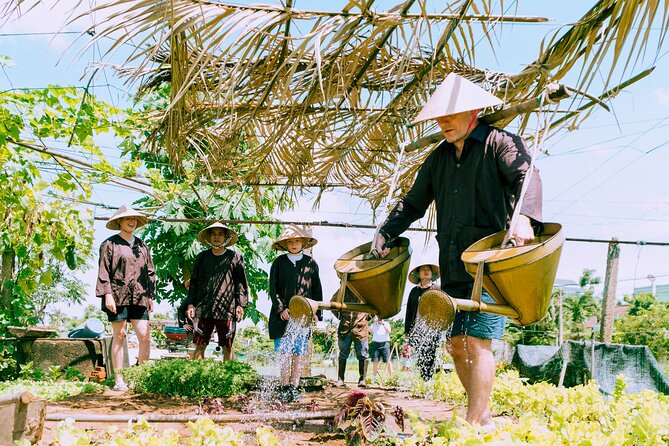
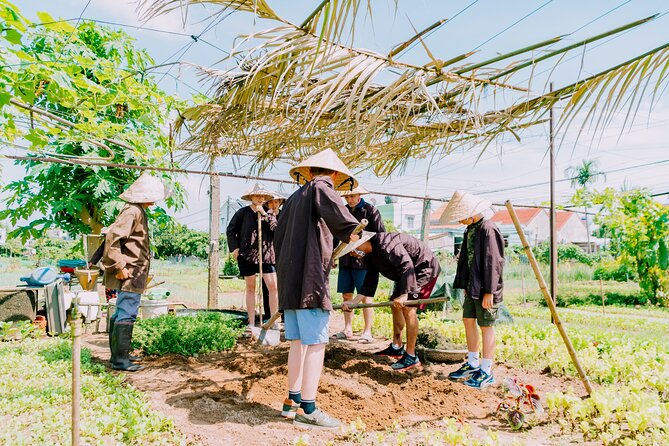
Then you shift into the real farm part. You’ll participate in farming activities such as:
- Hoeing soil
- Collecting seaweed
- Transplanting and watering
This is the segment where the “experience” part becomes more than entertainment. When you do a few simple chores, you start to understand why certain ingredients taste the way they do, and why freshness is a big deal in Vietnamese food.
You also get a sense of how the farm village works as a working place, not a staged backdrop. In the reviews, people often highlight how peaceful and beautiful the garden setting feels, and how clearly the guides explain both farming and daily life.
Food note: seaweed, herbs, and garden vegetables might sound niche until you see them in action and then cook with the results. That transition is a big part of the class value.
Foot Massage Break with Traditional Medicinal Herbs
After farming, there’s a break. Then you get a relaxing foot massage, described as a traditional health treatment using medicinal herbs.
I like this timing for two reasons. First, your feet and legs have done some work, even if the chores are gentle and beginner-friendly. Second, it gives your brain a switch from farm mode to cooking mode. You’ll be more focused when you step into the kitchen.
In the reviews, the foot and leg massage is repeatedly mentioned as a highlight, especially because it’s not just a quick rub. The emphasis is on relaxation with traditional medicinal herbs.
What to expect: you’ll probably feel it most if you’ve had any cycling time or you’ve been on your feet during the farming. It’s a good way to reset before chopping, mixing, and cooking.
Cooking Class Highlights: Papaya Salad, Banh Xeo, Spring Rolls, Clay-Pot Fish
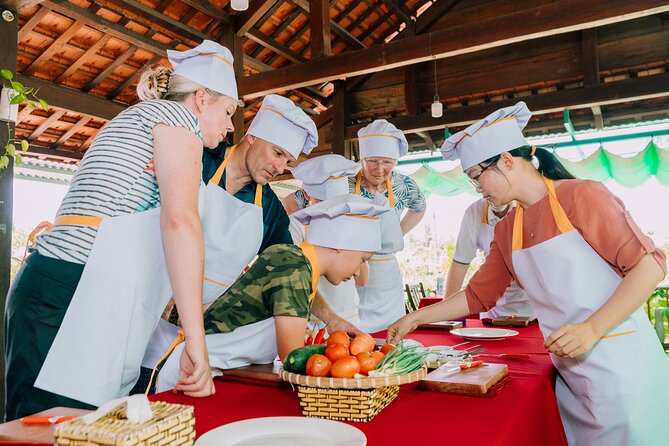
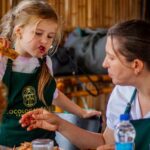
Now comes the part most people book for: the cooking. You’ll learn how to prepare several classic Vietnamese dishes, with instruction from an English-speaking guide or local chef.
More Hoi An lantern evenings, food walks, village rides, island trips, and central Vietnam day tours to compare
Green Papaya Salad
You’ll make green papaya salad, which is known for crunchy texture and a balance of tang, salt, and sweetness. This dish is especially satisfying when you’ve already seen the ingredients in the market and picked herbs on the farm side.
Banh Xeo (Vietnamese crispy pancake)
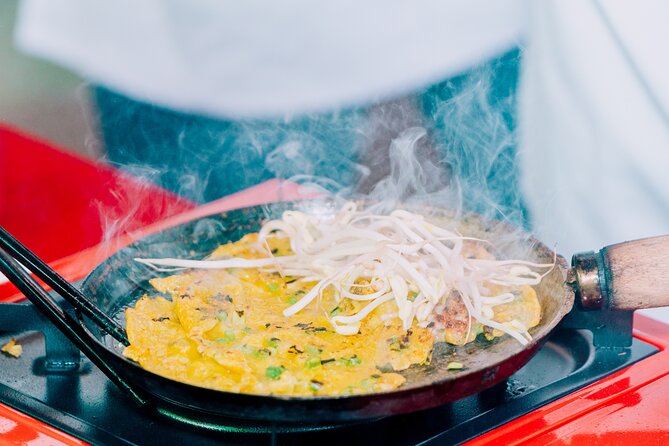
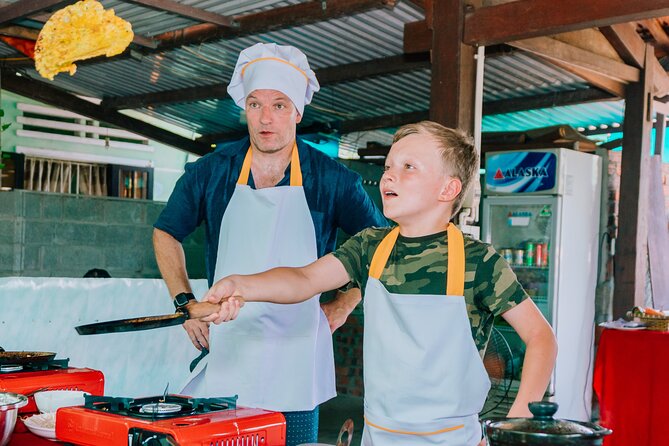
You’ll learn banh xeo, a crispy pancake often cooked in a hot pan. This is one of those dishes where technique matters. If your teacher shows you how to get the batter right and manage heat, the payoff is big.
Spring Rolls
You’ll also make spring rolls. The key skill here is assembly and timing. Roll too tight and you can lose texture. Roll too loose and it can fall apart. This is the kind of cooking practice that helps you feel confident at home later.
Fish in Clay Pot
Finally, you’ll make fish in clay pot. Clay pot cooking tends to be gentle and aromatic, and it’s one of those “comfort food” Vietnamese dishes that tastes like it took longer than it actually did.
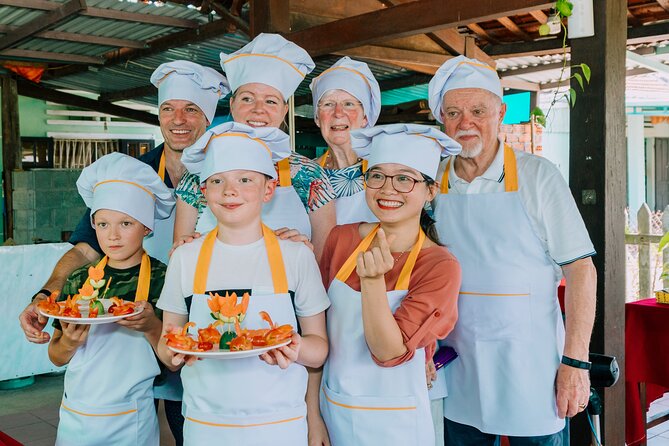
The class includes two hours of cooking time, and the format is set up for hands-on participation rather than only watching. In the reviews, people repeatedly mention chopping, cooking, and even flipping their own pancakes, which is a strong sign this isn’t a passive class.
Also note: the tour description says you’ll prepare papaya salad, spring rolls, banh xeo, fish in clay pot, and other dishes. So even if you’re already familiar with Vietnamese food, you’ll likely get a few extra surprises depending on the class flow.
Lunch Tied to Your Work, Not a Separate Afterthought
After cooking, you’ll eat what you made. This is included lunch, so you’re not stuck hunting for food afterward.
I like that the meal is part of the teaching loop. When you taste your own papaya salad, spring rolls, and clay-pot fish, you instantly understand what to adjust next time. If it’s too sour, too salty, or not quite crunchy, you can connect that to choices you made while cooking.
You’ll also have a short rest after the meal before returning to your hotel, which keeps the whole day from feeling like a nonstop sprint.
Diet note: the class says vegetarian and special diets are available on request. If that applies to you, message ahead so your ingredients and dish plan can be matched.
Price and Value: What $38 Buys You Here
At $38 per person, this class can feel like a bargain if you break down what’s included. You’re paying for:
- Market shopping and ingredient guidance
- Transport (private transportation is included, and pickup is offered)
- English-speaking guide/local chef
- Farming with a local farmer
- Foot massage
- Lunch
- Bottled mineral water
A lot of cooking classes focus only on the kitchen. This one adds a farm session and a massage. For the time involved, that’s a lot of “activity per dollar,” especially if you care about food culture beyond recipes.
Group size also affects value. With a maximum of 15 travelers, you’re less likely to get lost in a crowd. Smaller groups are what make hands-on instruction feel doable.
If you’re price sensitive, this is a good option to consider because the fee already covers the biggest day costs: food, main instruction, and the farm experience.
Timing, Duration, and How to Choose Morning vs Afternoon
You can pick either a morning or afternoon option. Both follow the same core idea: market, Tra Que farm, foot massage, cooking, and then lunch before heading back.
The total time is about 5 hours. That’s enough to feel like a real half-day plan, but not so long that it eats your entire schedule.
My practical advice: choose the slot that fits your energy. If you want to start your day with something active and hands-on, morning works well. If you want a gentler pace after sightseeing, afternoon can be easier. Either way, you’ll end with lunch that you cooked.
Who This Tour Fits Best (and Who Might Skip It)
This experience is a strong match if you:
- Want hands-on Vietnamese cooking with clear instruction
- Like food culture that connects to where ingredients grow
- Enjoy structured activities that still feel local and personal
- Want a small-group setting with up to 15 people
- Are interested in Tra Que Vegetable Village farming traditions, not just the dishes
You might think twice if:
- You dislike outdoor work or getting a bit dirty during farm tasks like hoeing and transplanting
- You’re traveling in a period where weather is unpredictable, since the tour requires good weather
- You prefer strictly kitchen-only cooking with no farm or massage components
The format is also a good choice for couples, solo travelers, and small friend groups who want a guided day without feeling boxed in.
Should You Book This Farming and Cooking Class in Hoi An?
If you want one ticket that covers market ingredients, Tra Que farm chores, foot massage, and a full cooking session with lunch, this is an easy yes. The strongest reason to book is the connection between steps. You see herbs in the garden, you work the soil a bit, and then you cook dishes like green papaya salad, banh xeo, spring rolls, and fish in clay pot using what you’ve learned.
Book it if you enjoy practical instruction and you’re happy to be active for part of the day. Don’t book it if you’re hoping for a mostly seated, kitchen-only show.
If you’re deciding between a few cooking options, this one has a clear advantage: it’s not only about recipes. It’s about food culture you can actually taste and repeat at home.
FAQ
How long is the Farming and Cooking Class in Hoi An?
The tour lasts about 5 hours.
What dishes will I learn to cook?
You’ll learn to prepare green papaya salad, banh xeo (Vietnamese crispy pancake), spring rolls, and fish in clay pot, plus potentially other dishes as part of the class.
Is pickup included?
Pickup is offered, and the tour includes private transportation.
What’s included in the price?
The tour includes lunch, private transportation, an English-speaking guide/local chef, a bottle of mineral water, a traditional foot massage, and farming with a farmer.
Can I request a vegetarian or special diet?
Yes. Vegetarian and special diet requests are available.
How big is the group?
This experience is a small group with a maximum of 15 travelers.
More Cooking Classes in Hoi An

More Tours in Hoi An


More Tour Reviews in Hoi An



Not for you? Here's more nearby things to do in Hoi An we have reviewed




Hoi An Cooking Classes, compared.
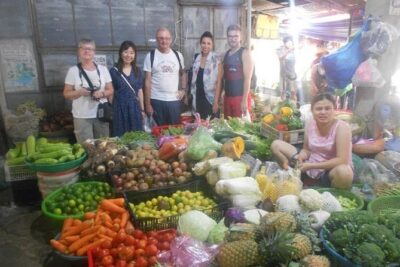 ★ 5.0Hoi An Cooking Class(Market,BasketBoat Crabfishing&Cooking Class)From $283,386 reviews
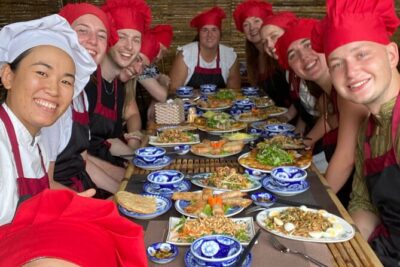 ★ 5.0Hoi An Cooking Class(Local market,Basket Boat,Fishing & Cooking)From $281,323 reviews
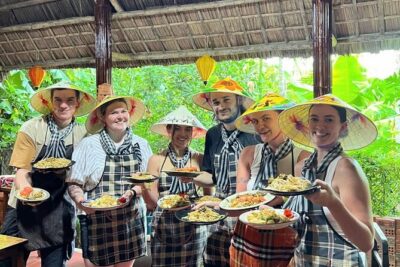 ★ 5.0RICE PAPER Noodle Making Experience & Hoi An Cooking Class ClassFrom $33164 reviews
 ★ 5.0Hoi An Cooking Class With Market Tour and Bamboo Basket Boat RideFrom $27157 reviews
 ★ 5.0My Grandma’s Home Cooking Class in Hoi AnFrom $35124 reviews
 ★ 5.0Best cooking class in Hoi An with Jolie (JHA3)From $4079 reviews
 ★ 5.0Hoi An Cooking Class with Local ChefFrom $2267 reviews
 ★ 5.0Hoi An Cooking Class with Market VisitFrom $2430 reviews
Browse the lists this tour appears in