
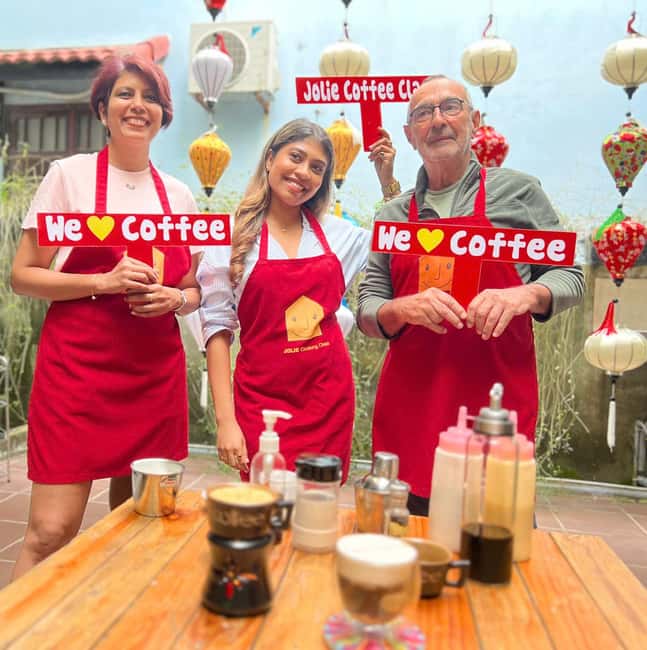
REVIEW · COFFEE EXPERIENCES
Da Nang: Coffee Making And Cooking Class
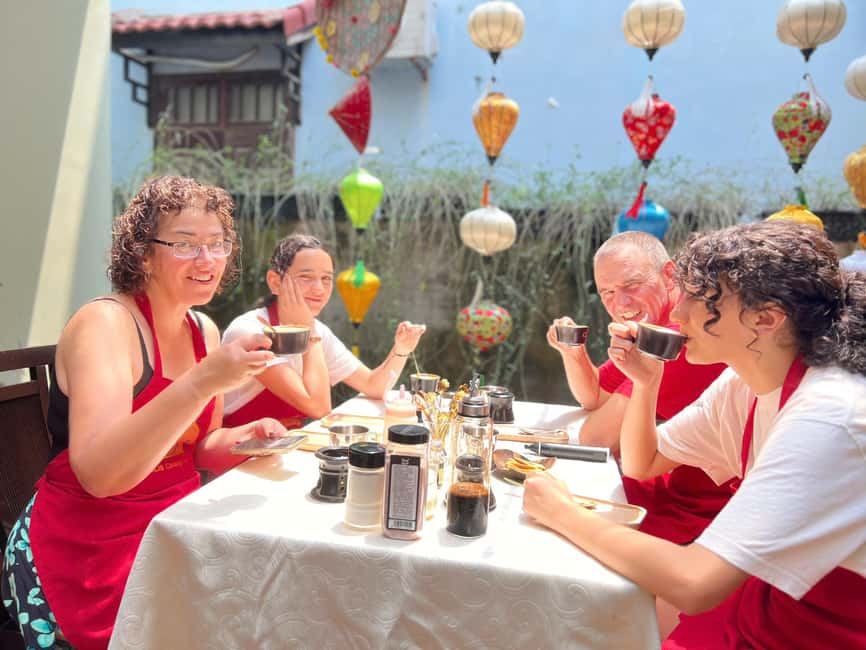
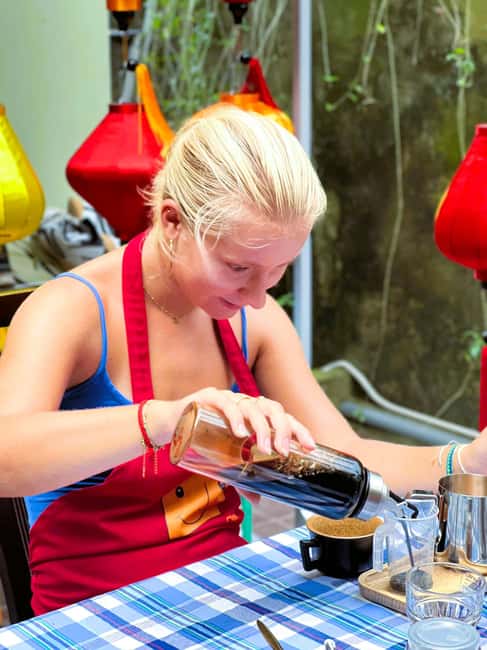
Vietnamese coffee gets real when you brew it. At Jolie Cooking Class in Da Nang, I like that you practice the phin filter method and learn why it matters for the flavor.
You’ll also hear how Da Nang’s coffee culture shaped popular styles like egg coffee, salt coffee, and coconut coffee. One heads-up though: if you are very sensitive to caffeine, the tasting part can feel like a lot.
I also love the hands-on pace, especially with a small group where guides like Rosie, Nhan, and Kate can explain, correct, and keep things moving. You’re not just watching cooking, you’re chopping ingredients and cooking your own meal in a warm, home-style setting. The only drawback to plan around is that the class includes coffee tasting, and it is not suitable for people with heart problems.
Key things I’d put on your radar
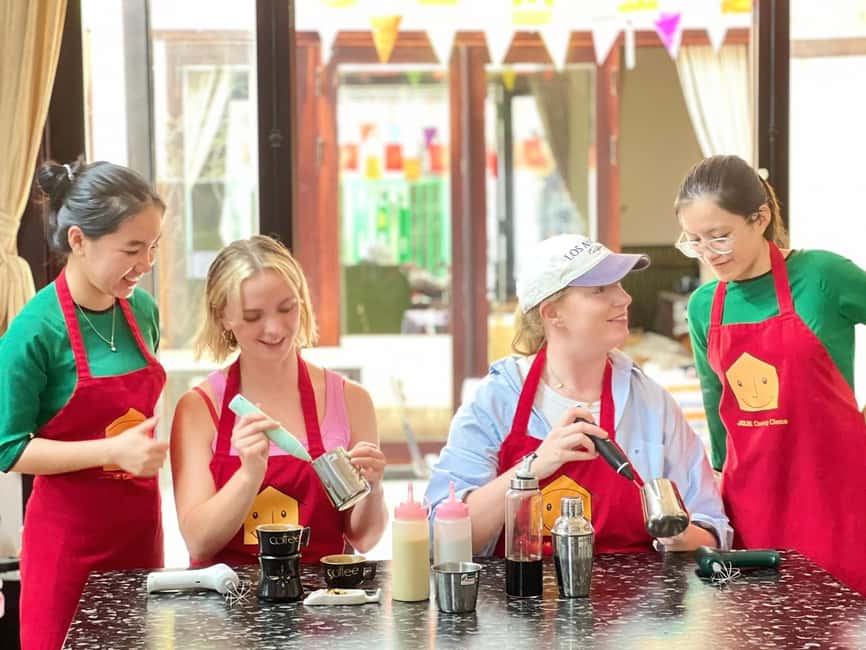
- Phin filter practice: you brew Vietnamese-style coffee slowly, not fast and watered down
- Three coffee styles in one session: egg, salt, and coconut, plus the stories behind them
- Hands-on cooking: you chop and cook traditional Da Nang dishes, then eat what you made
- Small-group attention: guides like Rosie and Nhan make it feel personal, not rushed
- Convenient location near Dragon Bridge: easy to add to a Da Nang day
- A fun, slightly musical vibe: you may get the chance to play guitar or piano if you can
Jolie Cooking Class by Dragon Bridge, with an actual café-meets-home start
Most food and coffee classes in Vietnam are either super formal or totally chaotic. This one lands in the useful middle. You meet at Jolie Cooking Class at 14 An Trung Dong 6, Da Nang, near Dragon Bridge, so you don’t burn time figuring out where to go.
At the start, you get a local snack and a clear introduction to what makes Vietnamese coffee different. The tone is friendly and relaxed, and that matters, because you’ll be tasting and cooking within a few hours.
If you like planning your day around a solid anchor, this is a good one. It runs 4.5 hours, and it has two start windows: 8:30 AM or 2:00 PM, depending on the slot you choose.
You can also read our reviews of more cooking classes in Da Nang
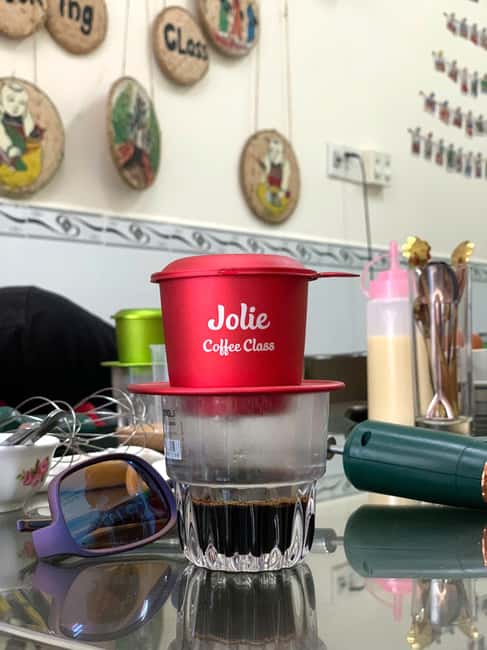
The phin filter lesson that changes how you taste coffee
The main coffee skill here is Vietnamese phin filter brewing. You learn it the way locals do, slow and patient, instead of treating it like an instant-drip stunt. You’ll also hear why Robusta beans play such a big role in Vietnamese coffee, since they’re the backbone for much of what you’re tasting.
The phin method also teaches something practical. Slow brewing helps you understand extraction. When it’s done right, the coffee tastes heavier, more textured, and less thin than coffee that ran through too quickly.
You’ll brew, you’ll watch the drip, and you’ll taste different results. That is the difference between reading about coffee and actually understanding it.
A small tip that saves your taste buds
Go easy on caffeine before the class. The tasting session is a big part of the experience, and arriving with an already-jittery system can make it harder to notice the differences between styles.
Egg, Salt, and Coconut coffee, plus the stories that make them click
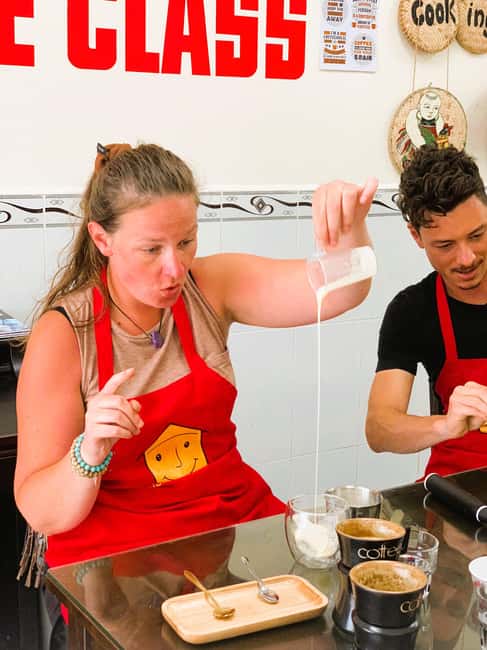
Da Nang coffee isn’t just about flavor, it’s about the why. This class puts the stories next to the cup, which helps the weird-sounding options make sense.
You’ll sample three featured styles:
- Egg coffee: creamy, smooth, often with a custard-like feel
- Salt coffee: a salty-sweet twist that can feel surprisingly balanced
- Coconut coffee: a lighter, fragrant profile that leans into tropical flavor
The guides walk you through what makes each one work. You don’t need to be a coffee scientist. You just need to pay attention to the method and the ingredient logic.
I like that the class doesn’t treat these as gimmicks. You get the cultural angle, which helps you taste with context. It also makes it easier to recreate later, because you know what you’re aiming for instead of just copying a recipe blindly.
What if you don’t love one style?
That’s normal. Salt coffee alone can be a love-or-hate situation for some people. The class structure still gives you enough time to try each one, ask questions, and reset your palate between tastings.
More Hoi An lantern evenings, food walks, village rides, island trips, and central Vietnam day tours to compare


Why the slow brewing ritual feels so different
Vietnamese coffee is built on waiting. The phin filter drip takes time, and that changes the whole mood.
Instead of chugging coffee like it’s fuel, you practice a café ritual. You watch it happen, you talk, you taste in steps, and you learn what changes when the brew is slow versus rushed.
This is also why the pacing works well for a half-day activity. You’re not running from stop to stop. You’re staying in one space long enough to actually absorb the process.
And yes, the caffeine can hit later. One of the best parts is how energized people feel afterward, even with all the tasting.
Cooking your own Da Nang meal, from chopping to plate
The coffee is only half the fun. The other half is cooking. Around the middle of the class, you shift from brewing to cooking, with enough time to go from prep to eating.
You learn traditional Da Nang dishes in a home-style setup. You’re not just warming food or assembling a quick bowl. You do real prep work, including chopping ingredients, and then you cook the dishes yourself.
That hands-on part is where the class becomes valuable for real travel memories. When you leave, you’re not just carrying photos of coffee. You’re carrying a sense of how the food is made and what textures and flavors you should expect.
What you’ll eat
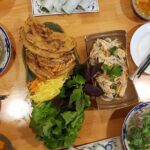
You’ll enjoy the meal you cook during the class. In total, the experience includes cooking multiple dishes, and the format is built so you can eat together after doing the work yourself.
If you came with a serious appetite (you probably should), this works well. The class isn’t just a snack and a demo. It’s designed as a full 4.5-hour experience.
Small group flow, English guidance, and that family-style patience
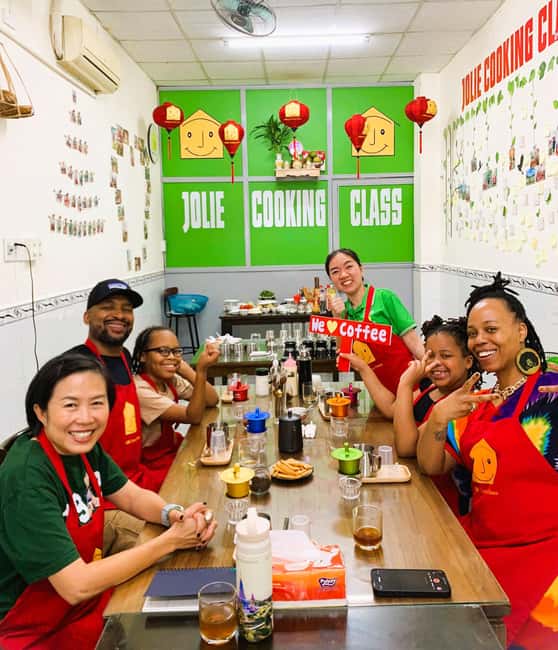
A key advantage of Jolie Cooking Class is that it’s built for a small group. That means you’re not one of 30 people trying to ask a question while someone walks past with a ladle.
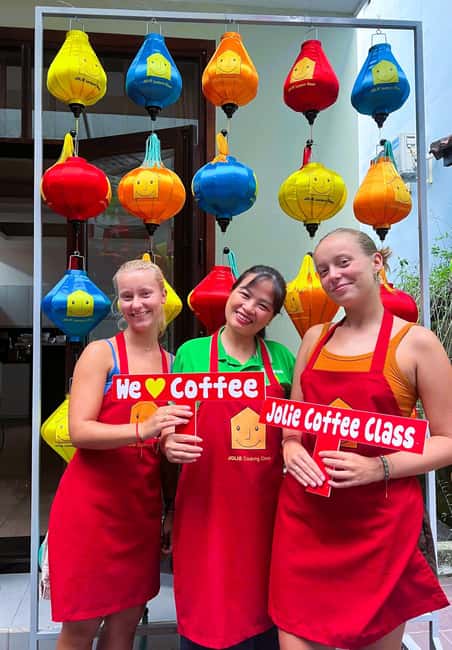
Guides like Rosie and Nhan stand out for how clearly they explain the steps. Rosie in particular is described as enthusiastic, funny, and full of useful coffee culture context, which helps when you’re standing over a phin filter and trying to understand what you’re seeing.
Kate is also mentioned for patience, especially with guests learning the process. That matters because coffee brewing and cooking can both feel fiddly if you’re doing it for the first time.
A practical expectation
This isn’t a silent, museum-style workshop. You’ll talk, taste, and cook. If you like interactive classes where you can ask follow-up questions, you’ll feel at home.
Timing that fits your Da Nang day plan
The schedule is built to work whether you want a morning activity or an afternoon reset.
Typical flow:
- Meet your host at 8:30 AM or 2:00 PM, plus a local snack
- Start hands-on phin brewing at 8:45 AM or 2:15 PM, and taste the featured coffee styles
- Shift to cooking around 10:30 AM or 4:00 PM
- Eat your meal around 1:00 PM or 6:30 PM, then head back to your accommodation
There’s also a charming extra moment where you might play guitar or piano if you can. It’s not required, but it captures the homey, relaxed feel of the class.
From a logistics perspective, that tight timing helps you build the rest of your day without stress.
Price and value: is $50 fair for 4.5 hours?
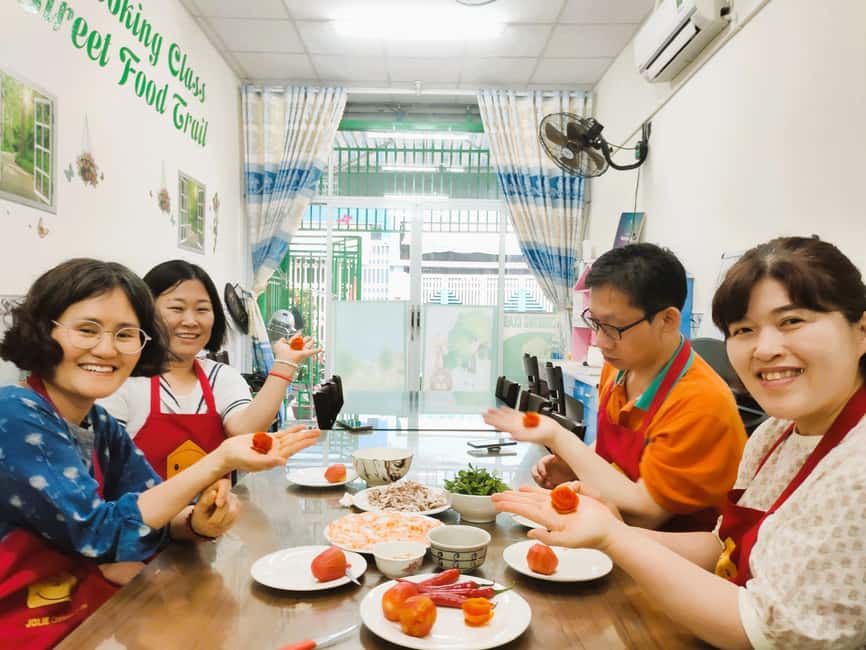
At $50 per person for a 4.5-hour class, you’re paying for two things: guided coffee training and hands-on cooking. That’s not just a taste-test. You’re learning methods you can repeat.
Here’s why the value can be strong:
- You get structured practice with phin brewing and multiple coffee styles
- You learn traditional Da Nang cooking steps, including chopping ingredients
- You eat the meal you helped make
- The group size is small enough that you can get real help
- Instruction is in English, which reduces the usual confusion cost
Now the reality check. If you already know Vietnamese coffee inside and out, you might treat it as a refresher rather than a breakthrough. If you dislike tasting unfamiliar coffees, you should know you’ll be tasting egg, salt, and coconut styles as part of the class experience.
Also, if you have a medical reason to avoid caffeine, this one is not for you.
Who should book this class (and who might want to pass)
This class is a great match if you:
- Want a hands-on introduction to Vietnamese coffee and the phin method
- Like trying egg coffee, salt coffee, and coconut coffee in a guided setting
- Want a cooking class that actually teaches prep and cooking, not just plating
- Prefer small groups with patient English-speaking guides like Rosie, Nhan, and Kate
- Are traveling with kids, since the class is described as children friendly
You might skip it if:
- Caffeine is a hard no for you, and especially if you have heart problems, since the class is not suitable
- You strongly dislike tasting multiple coffee styles, even if they are explained and guided
Quick verdict: should you book Jolie Cooking Class in Da Nang?
Yes, I think you should book this if you want coffee you can understand and cook you can repeat. The combination of phin brewing practice, guided tastings of egg, salt, and coconut coffee, plus cooking Da Nang dishes yourself makes the 4.5 hours feel worth it.
Book it sooner if you like the idea of learning in a small group with English support and a guide who keeps things fun. If you’re sensitive to caffeine or have heart-related concerns, look for a different food experience and skip the coffee-heavy format.
FAQ
How long is the Da Nang Coffee Making and Cooking Class?
The class lasts 4.5 hours.
What start times are offered?
There are two options: 8:30 AM and 2:00 PM.
Where is the meeting point?
Jolie Cooking Class, 14 An Trung Dong 6, Da Nang (near Dragon Bridge). Coordinates are 16.059999465942383, 108.23539733886719.
What coffee types will I learn to make?
You’ll learn and taste Vietnamese coffee styles including egg coffee, coconut coffee, and salt coffee, using traditional phin brewing.
Do I cook the food myself?
Yes. You cook traditional Da Nang dishes in a home-style kitchen and enjoy the meal you make.
Is the instruction in English?
Yes. The instructor teaches in English.
Is it wheelchair accessible and family-friendly?
The activity is wheelchair accessible and is described as children friendly.
Is it safe if I have heart problems?
No. It is not suitable for people with heart problems.
What should I bring, and how flexible is booking?
Bring a camera. Wear comfortable clothing, and try not to consume too much caffeine before the class so you can enjoy the tasting. You can cancel up to 24 hours in advance for a full refund, and you can reserve now and pay later.
More Coffee Experiences in Da Nang
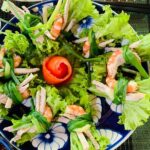
More Cooking Classes in Da Nang
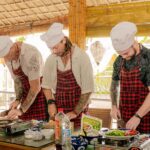
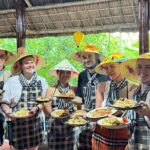
More Tour Reviews in Da Nang


Not for you? Here's more nearby things to do in Da Nang we have reviewed





Coffee Experiences, compared.
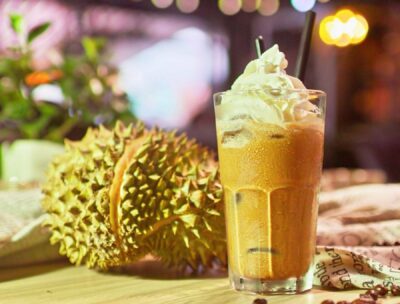 ★ 4.9Vietnamese Coffee Culture and Coffee Making ClassFrom $144,006 reviews
 ★ 5.0Early Morning My Son Sanctuary Trip w. Champa Food & CoffeeFrom $21629 reviews
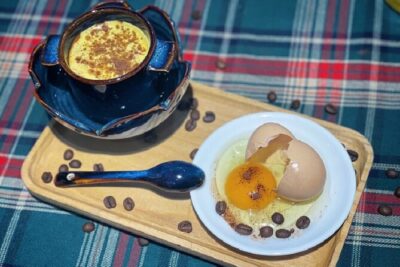 ★ 5.0Vietnamese Culture and Coffee Making ClassFrom $15497 reviews
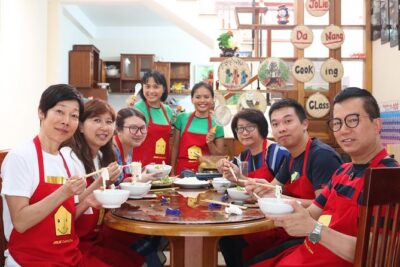 ★ 5.0Da Nang Cooking Class with Coffee Tasting and Market VisitFrom $45310 reviews
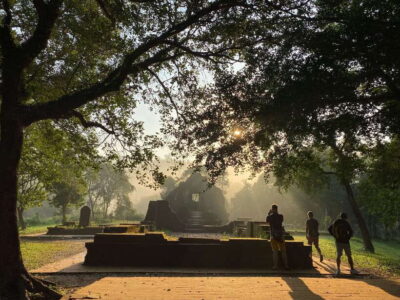 ★ 4.7My Son Early Morning with Banh My and Coffee 6 amFrom $18205 reviews
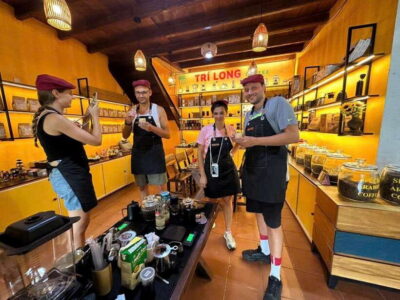 ★ 4.8Vietnamese Coffee Making Workshop at Local RoasteryFrom $16174 reviews
 ★ 5.0Lantern and Coffee Making ClassFrom $24154 reviews
 ★ 5.0My Son Sanctuary Early Morning Tour 6 am w Banh my and CoffeeFrom $21142 reviews
Browse the lists this tour appears in