
REVIEW · COFFEE EXPERIENCES
Coffee Making and Cooking Class
A great meal can teach you how to cook it. This home-style Da Nang cooking and coffee class pairs hands-on lunch prep with a traditional phin filter coffee session, so you leave with skills, not just photos. I especially like that you practice at your own station with step-by-step help, and that the coffee part covers multiple classic drinks. One thing to consider is transport details: the overview says hotel pickup and drop-off, but the pricing notes also list pick up and drop off as not included, so double-check what your booking confirms.
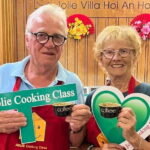
For me, the best part is how practical it all feels. You prepare and eat four classic Vietnamese dishes made with seasonal ingredients, then learn to brew and serve four well-known Vietnamese coffee styles. Reviews also highlight smooth hosting and friendly English support, including mention of a host named Jane. The day is about 4 hours 30 minutes, with a small group size capped at 13, which keeps it feeling personal.
Key Moments You Should Care About
- Four-dish, step-by-step cooking at your own station, not just watching
- Seasonal Vietnamese food choices based on what’s available and fitting for the menu
- Traditional phin filter brewing plus a coffee history-style talk to add context
- Four coffee drinks in one lesson, including egg coffee, salt coffee, coconut coffee, and phin coffee
- Allergy and preference substitutions handled if you email ahead of time
A Hands-On Vietnamese Lunch (Four Dishes, Real Technique)
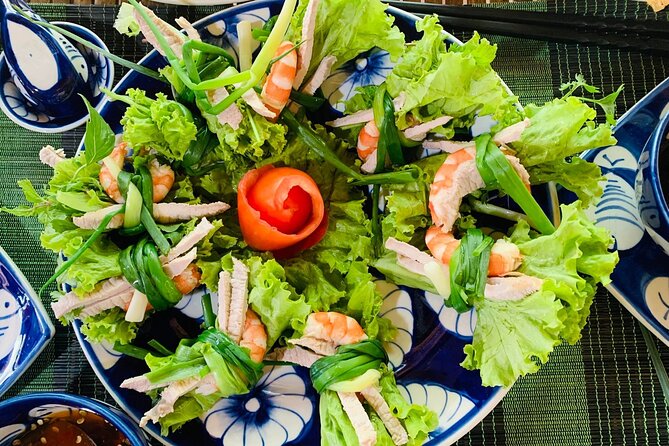
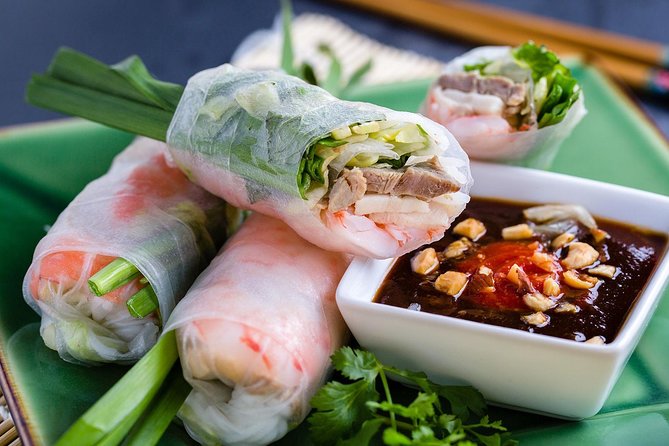
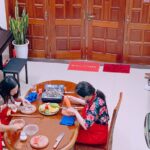
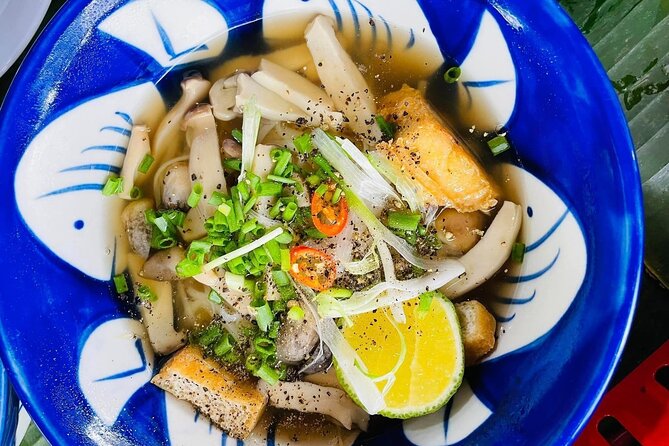
This is not a sit-and-smile food tour. It is a hands-on cooking class where you practice cooking, then eat what you make. You’ll prepare four classic Vietnamese dishes, and the menu is described as reflecting seasonal ingredients, which matters because Vietnamese cooking changes with the weather and what local markets have that day.
The examples given are the kind of dishes that help you understand the logic behind Vietnamese flavors. You might work on something like:
- young papaya salad, where the balance of sweet, sour, salty, and crunchy is the whole point
- chicken with fish sauce, where fermentation depth and saltiness do most of the talking
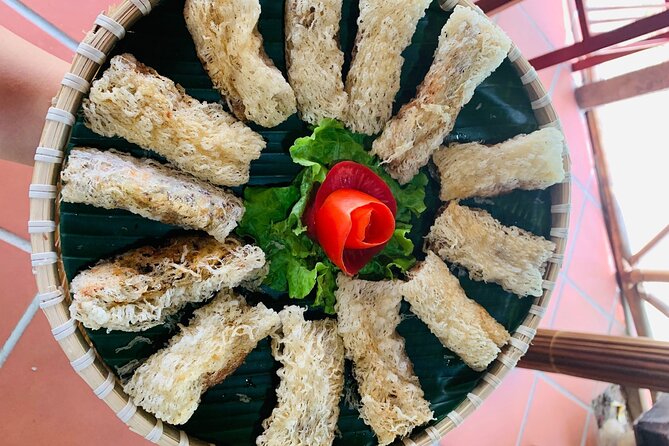
- deep-fried spring rolls, where getting texture right matters as much as flavor
Even if the exact mix changes, the format stays the same: a short demonstration, then you cook with guidance. That step-by-step structure is what helps you recreate it later. It also means you are not relying on memory or guessing which part of the process matters most.
What I like for you: you’re learning technique while you cook, so you can make the dish at home with fewer surprises. What I’d watch for: if you want a completely vegetarian or vegan experience, you’ll need to send your preferences in advance, because the provider says they can substitute dishes or ingredients, but you have to email your requirements first.
You can also read our reviews of more cooking classes in Da Nang

Cooking at Your Station, With a Guide Who Keeps It Moving
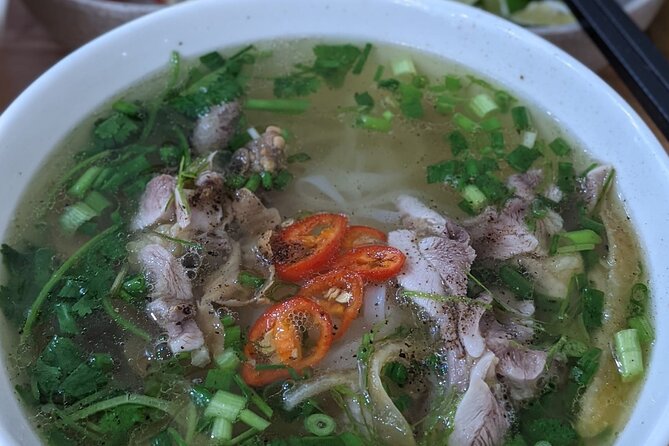
The class is described as completely hands-on, with instructors guiding you step-by-step at your personal cooking station. That sounds simple, but it’s the difference between a class you can repeat and one you just survive.
Expect this rhythm:
- An instructor demonstration so you see the process clearly first
- Then you work through the recipe with help when you need it
- Tasting samples along the way so you know what you’re aiming for
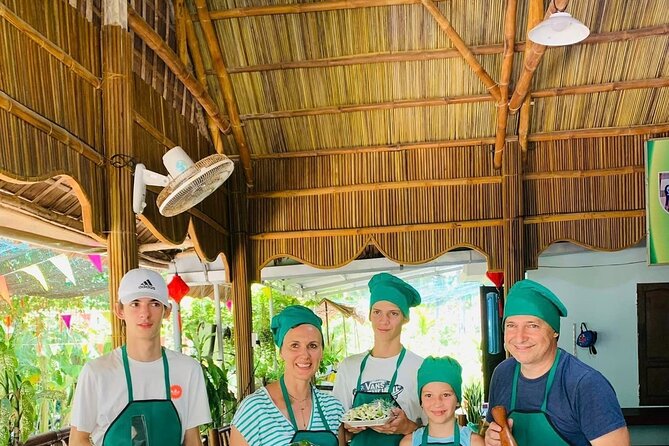
Because the group max is 13, you’re less likely to feel stuck waiting for attention. The reviews back this up, with comments about things being prepared well in advance and everything running smoothly. I also like that the guide is English speaking, which keeps the class from turning into a guessing game if you don’t speak Vietnamese.
One practical tip for getting the most out of this type of class: keep a small notebook or notes app open. Write down the parts you usually skip at home, like how long something cooks, what “done” looks like, and how the sour or salty balance should taste. You’ll get recipes to take home, but small process details are what make you feel confident when you cook later.
Vietnamese Coffee, the Way Locals Brew It
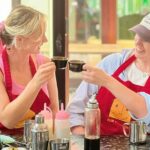
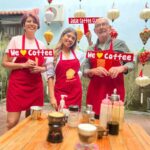
After lunch, the experience shifts to coffee, and that’s where it really becomes more than a cooking class. Vietnamese coffee has a different rhythm than most coffee cultures, and this lesson teaches you the traditional method using the phin filter.
The coffee menu includes:
- egg coffee
- salt coffee
- coconut coffee
- phin coffee
That lineup is a smart choice for learners. Each drink highlights a different side of Vietnamese coffee culture. You’re not just learning one “variant,” you’re learning how people transform the same base coffee experience into different textures and flavors.
The lesson also includes an instructor and an English speaking guide, plus the experience is described as including coffee making and coffee learning. One review specifically calls out that you get a history lesson on Vietnamese coffee during the class. That matters because it gives you reasons behind the techniques, not just instructions.
What you should consider: egg coffee and salt coffee involve sweet-salty or dairy-forward profiles, which are not everyone’s default. If you’re very sensitive to strong sweetness or saltiness, tell your instructor ahead of time if possible. The provider states they can cater to preferences and allergies with substitutions, and it’s reasonable to ask about strong flavors even if it’s not an allergy situation.
What the Coffee Lesson Teaches You to Recreate
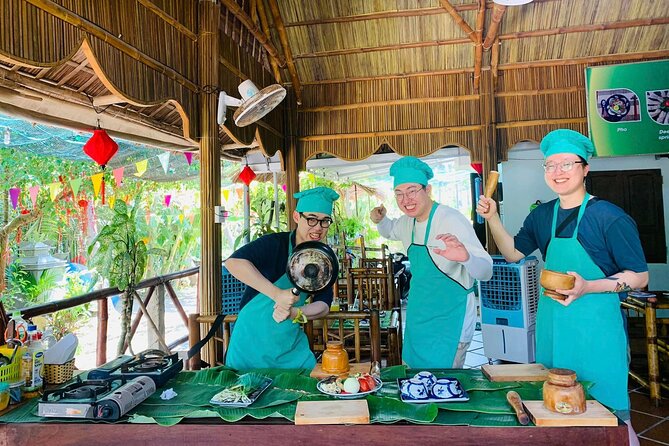
The coffee part is designed for you to leave with repeatable steps. You will learn how to brew coffee the traditional way using the phin filter, and then you learn how to make the four famous drinks listed above.
Here’s what that means in real life:
- You understand the brewing approach, not just the finished cup.
- You learn how different ingredients change the drink’s feel, from creamy textures to salted flavors.
- You get a small set of recipes that are distinct enough to keep you from getting bored while practicing at home.
If you’re the type of traveler who buys kitchen gear after a great class, this is a good one. A phin filter is simple equipment, and once you have it, you can keep experimenting.
And yes, it’s also a fun break after cooking. Reviews mention it being a great option for a rainy day, and I agree with the logic. It’s indoors, guided, and structured, so you’re not stuck trying to improvise a wet-weather plan.
Dietary Needs and Allergies, Handled the Practical Way
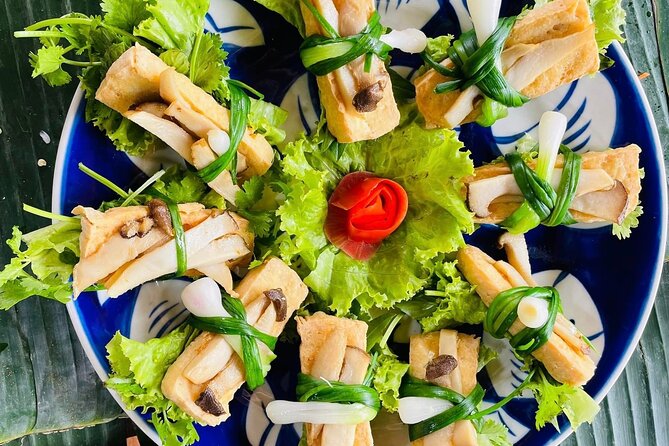
One of the most helpful details here is that the provider says their family is happy to cater to food allergies or food preferences. The process is straightforward: you email your food requirement ahead of time, and they confirm substitutions or ingredient changes.
That’s better than vague promises. It means the class is planned with your needs in mind, rather than trying to swap something last minute. If you have allergies, this matters because Vietnamese dishes can include ingredients that are easy to miss, like specific sauces, herbs, or fermented components.
My advice: email early and be specific. Don’t only say allergy, list what you cannot have. If you have preferences like vegetarian, ask what substitutions they can do for the four-dish menu. The provider explicitly says substitutions are possible, but you need to give them your requirements in advance.
More Hoi An lantern evenings, food walks, village rides, island trips, and central Vietnam day tours to compare

Timing and Logistics in Da Nang, Plus Why Group Size Matters
The experience runs about 4 hours 30 minutes. That’s a sweet spot for people who want a meaningful activity without losing the whole day. You’ll start at the Da Nang Home Cooking Class at 146 Đ. Đoàn Khuê, Khuê Mỹ, Ngũ Hành Sơn, Đà Nẵng, Vietnam and end back at the meeting point.
The tour uses a mobile ticket, and the group size is capped at 13. In practice, that small-group ceiling helps keep the class interactive. In larger groups, cooking classes often become watch, wait, and rushed instruction. Here, with fewer people, you’re more likely to get the kind of guidance that makes a difference when you’re handling the ingredients yourself.
One note to keep you from a headache: transport is where the description is slightly inconsistent. The overview says hassle-free hotel pickup and drop-off are included, but the pricing section lists pick up and drop off as not included. Before you lock it in, confirm what transportation is actually included for your date and location. That small check can save time and stress.
Price vs. What You Get: Is $17 Good Value?
At $17 per person for a roughly 4.5-hour experience, this can be excellent value if your goal is to learn. You’re not just eating four dishes. You’re:
- cooking four dishes and then eating them
- learning to brew with a phin filter
- making four different Vietnamese coffee drinks
- getting instruction with an English speaking guide and instructor support
- starting with a tea welcome drink
For that price, you’re paying mainly for guided labor and the structure that helps you learn. If you’ve done DIY cooking lessons elsewhere, you’ll know that equipment, ingredient prep, and a teacher who stays with you cost money even before you consider coffee ingredients and tasting time.
Where value can shift for you: if you end up needing a taxi because pickup and drop-off aren’t included for your booking, your final cost rises a little. Still, compared to doing coffee at a shop and then separately paying for a cooking class, this bundled format often feels like the smarter move.
Who This Class Suits Best (And Who Might Skip It)
I think this fits best if you want:
- a practical way to understand Vietnamese flavors
- a hands-on experience in Da Nang that works in bad weather
- skills you can repeat at home, especially coffee brewing with a phin filter
- a small-group setup with English support
It may not be ideal if:
- you want a purely sightseeing outing with lots of walking and outdoor stops
- you strongly dislike interactive cooking classes or food workshops
- you need transportation clearly confirmed, because pickup and drop-off details should be verified
If you’re traveling with kids, one review mentions staff being bright and friendly with children, so it may work for families if everyone is comfortable cooking and tasting. For older teens, a review also mentions that having English communication as part of the experience felt meaningful.
Should You Book This Coffee Making and Cooking Class?
If your ideal souvenir is a set of techniques, this is a strong yes. The hands-on cooking plus phin filter coffee lesson combo is exactly the kind of activity that gives you something to practice later, not just one good meal for that day.
Book it if you:
- love Vietnamese coffee and want to learn more than ordering it
- want to cook four classic dishes with guidance
- can email in advance about allergies or dietary preferences
I would pause and confirm one thing before paying: whether pickup and drop-off are truly included for your date. After that, you’re looking at a small-group, step-by-step class that leaves you with recipes, coffee knowledge, and a lunch you can trace back to your own hands.
FAQ
How long is the Coffee Making and Cooking Class in Da Nang?
It’s about 4 hours 30 minutes.
Where does the class start?
The start location is Da Nang Home Cooking Class, 146 Đ. Đoàn Khuê, Khuê Mỹ, Ngũ Hành Sơn, Đà Nẵng, Vietnam.
Where does it end?
The activity ends back at the meeting point.
What dishes will I cook?
You will prepare and eat four classic Vietnamese dishes. Examples mentioned include young papaya salad, chicken with fish sauce, and deep fried spring rolls, and the menu reflects seasonal ingredients.
Is the cooking class hands-on?
Yes. The classes are completely hands-on with step-by-step guidance at your cooking station, plus a demonstration and tasting samples.
What coffee drinks are included in the coffee lesson?
You’ll learn to make egg coffee, salt coffee, coconut coffee, and phin coffee.
Do you teach traditional brewing with a phin filter?
Yes. You learn how to brew coffee using the phin filter.
Is English support available?
Yes. The experience includes an English speaking guide and an instructor.
Can they accommodate allergies or dietary preferences?
Yes. You can email your food requirements ahead of time, and they will confirm substituting dishes or ingredients.
Is hotel pickup and drop-off included?
The overview says hassle-free hotel pickup and drop-off are included, but the list of not included items also lists pick up and drop off. You should confirm what your booking includes.
What is the cancellation policy?
Free cancellation is available. You can cancel up to 24 hours in advance for a full refund, and cancellations within 24 hours are not refunded.
More Coffee Experiences in Da Nang
More Cooking Classes in Da Nang
More Tour Reviews in Da Nang


Not for you? Here's more nearby things to do in Da Nang we have reviewed







Coffee Experiences, compared.
 ★ 4.9Vietnamese Coffee Culture and Coffee Making ClassFrom $144,006 reviews
 ★ 5.0Early Morning My Son Sanctuary Trip w. Champa Food & CoffeeFrom $21629 reviews
 ★ 5.0Vietnamese Culture and Coffee Making ClassFrom $15497 reviews
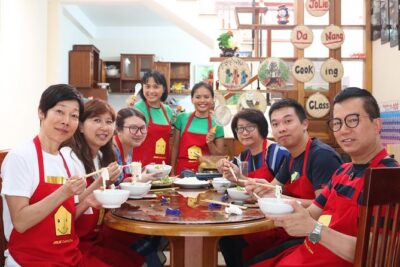 ★ 5.0Da Nang Cooking Class with Coffee Tasting and Market VisitFrom $45310 reviews
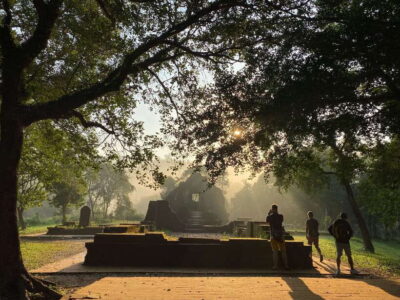 ★ 4.7My Son Early Morning with Banh My and Coffee 6 amFrom $18205 reviews
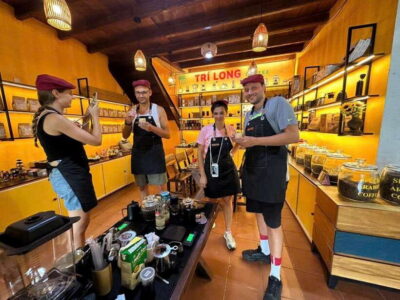 ★ 4.8Vietnamese Coffee Making Workshop at Local RoasteryFrom $16174 reviews
 ★ 5.0Lantern and Coffee Making ClassFrom $24154 reviews
 ★ 5.0My Son Sanctuary Early Morning Tour 6 am w Banh my and CoffeeFrom $21142 reviews
Browse the lists this tour appears in