
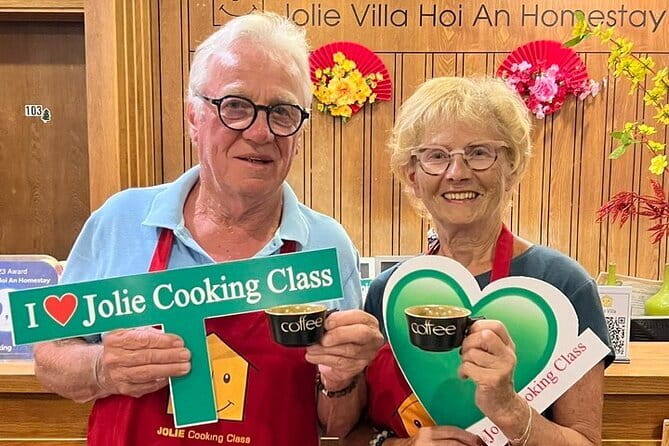
REVIEW · COFFEE EXPERIENCES
Da Nang Coffee Making and Banh Mi Class
Coffee lessons in Da Nang beat souvenir shopping. You get hands-on Vietnamese coffee practice and a local-food vibe near the Dragon Bridge area. I like how relaxed the whole setup feels.
I also love that the class goes beyond watching, with banh mi assembly that ends in a real tasting of what you made.
One thing to consider: there is no pick up or drop off, so you’ll need to make your own way to the meeting point.
Key highlights to look for
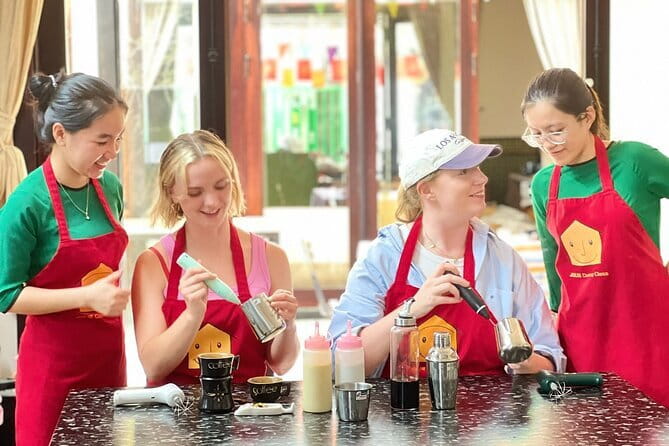
- Small-group cap of 12 keeps the class from feeling rushed.
- Classic Vietnamese coffee brewing plus tasting, so you learn what to notice.
- Banh mi fillings, then you assemble your own sandwich using provided bread.
- Ingredients and equipment included, meaning you just show up and cook.
- Local family-style hosting, with patient, fun teaching that works for younger diners too.
Da Nang Coffee and Banh Mi Class: Why this combo works
Da Nang has plenty to see, but food classes are a different kind of memory. This one pairs two everyday Vietnamese favorites, coffee and banh mi, and it does it in a way that is practical, not performative.
I like that the pacing is built around doing. You brew first, taste as you go, then switch to fillings and assembly. That structure helps you understand flavors while you still have the ingredients in front of you.
And because it stays near the Dragon Bridge area, it fits easily into a day of sightseeing. You’re not committing to a long commute just to learn how to make a couple of things.
More Hoi An lantern evenings, food walks, village rides, island trips, and central Vietnam day tours to compare
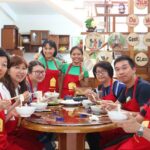
Finding Jolie Cooking Class near Dragon Bridge, without the stress
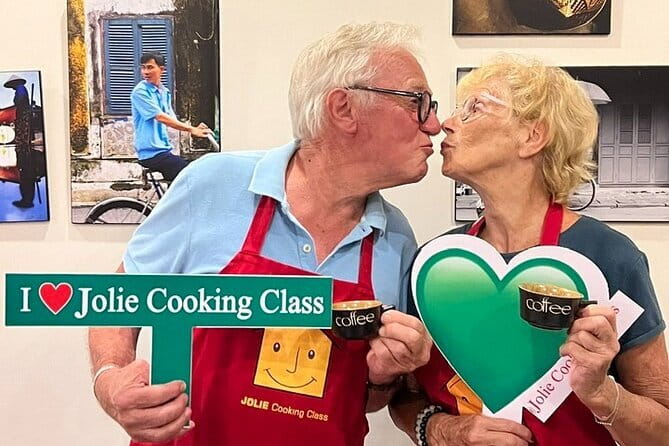
The meeting point is Jolie Cooking Class at 14 An Trung Đông 6, An Hải Bắc, Sơn Trà, Đà Nẵng 55000, Vietnam. The activity ends back at the same place.
This matters because you can plan the rest of your day without guessing. It also means you control the timing. If you want to grab a snack before class, or take a quick walk after your coffee and sandwich, you can.
You’ll also be glad it is near public transportation. That makes a difference in Da Nang, where traffic can be unpredictable at peak times.
Brewing Vietnamese coffee, then tasting like a local
The coffee part is the warm-up, and it is where the class earns its keep. You learn how to brew popular Vietnamese coffee styles using classic methods, and then you taste what you made.
Even if you think you already know Vietnamese coffee, this segment helps you focus on the details. Instead of drinking coffee and guessing what you like, you learn what changes the cup: strength, balance, and how the brew process affects flavor.
One extra detail that stands out from an instructor experience is that coconut coffee and Vietnamese salted coffee can show up in this class. In one past session, an instructor named Hanna taught people how to make both, and guests loved the combination of sweet coconut and the salty-smooth finish.
How Vietnamese coffee teaches you more than caffeine
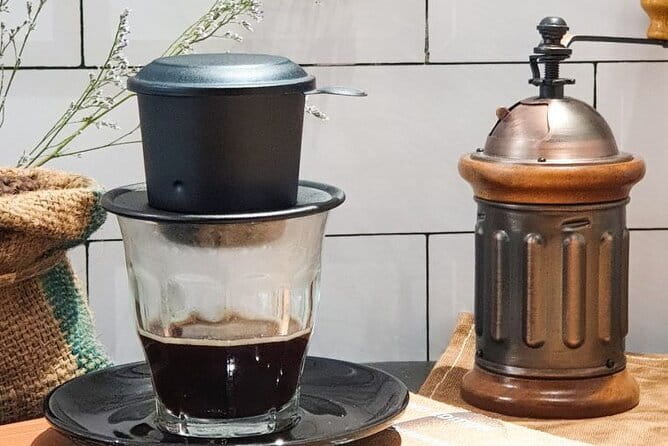
Vietnamese coffee is not just a beverage, it is a flavor lesson. The class format makes it easy to connect the dots between method and taste. You get to brew, taste, and then adjust your thinking for the next cup you try.
Here is what you should pay attention to as you taste:
- How strong the coffee feels in the first sip versus later
- Whether it tastes more sweet, more bitter, or more balanced
- How creamy or smooth it feels, depending on the coffee style
If you’re the type who likes to travel with a personal flavor checklist, this class gives you one. And if you prefer simple enjoyment, you still get that. You leave with a cup you made and a clearer sense of what you actually like.
Banh mi fillings: assembling flavor, not just ingredients
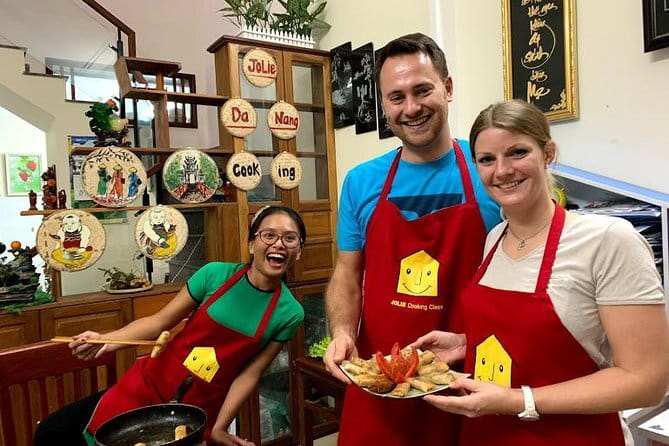
Next comes banh mi. You prepare and assemble fillings using key ingredients, and you learn how flavors work together before you build your sandwich.
This is one of the best parts because banh mi can feel like a mystery if you only ever order it. In class, you get the logic behind it. The host shares insights into Vietnamese food culture in a friendly, local family setting, which helps the food feel less like a menu item and more like a real meal with a purpose.
You use prepared bread and build your banh mi from there. Everything you need is provided, including ingredients and cooking equipment. That means you are not scrambling for supplies, and you are not stuck with instructions that don’t match what you can actually do.
More Hoi An lantern evenings, food walks, village rides, island trips, and central Vietnam day tours to compare


What goes into your final sandwich experience
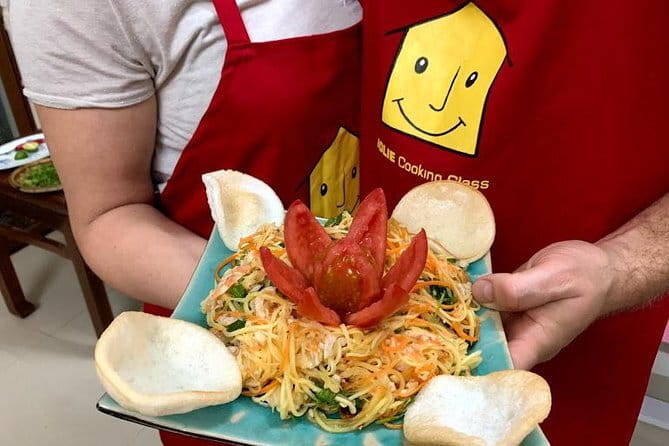
By the end, you enjoy coffee and banh mi tasting together. The goal is not a complicated production line. It is a small-group, hands-on session where you leave with a sandwich that reflects how you balanced the fillings.
This is also why the small group size helps. With a maximum of 12 participants, the host can keep an eye on the table and help you make choices if something seems off.
If you are traveling with picky eaters, this kind of structure can work. They can taste and adjust while building, instead of committing to a single sandwich made for someone else’s preferences.
The teaching style: easy to follow, patient when you need it
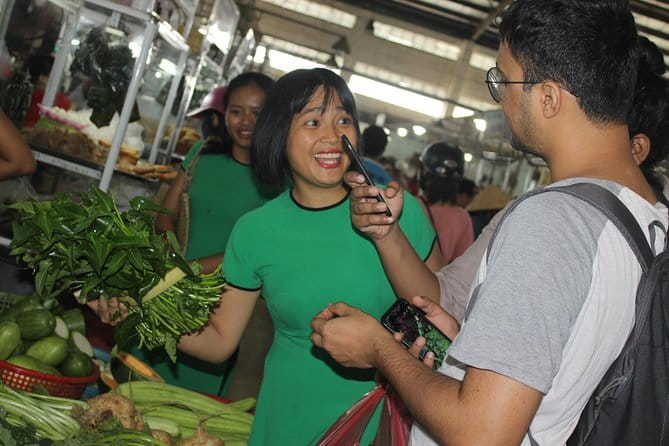
The class is hosted in a cozy local space and designed to be fun and social. In one group experience, instructors were great with a 10-year-old and a 13-year-old, keeping the lesson engaging and making sure the kids could follow along.
That tells me this is not just a lecture disguised as a workshop. The teaching style is hands-on and responsive. If you like to ask questions while you work, you should feel comfortable doing that here.
One instructor named Hanna was specifically praised for being fun, informative, and patient. That kind of feedback usually lines up with a class that keeps momentum without rushing people.
Duration and flow: plan a solid half-day block
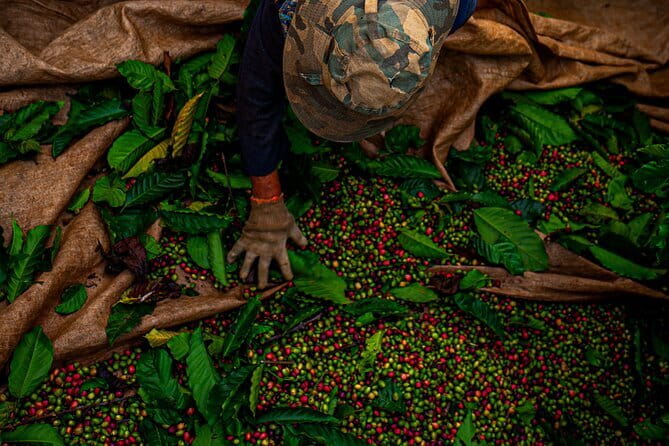
Expect about 3 hours 30 minutes. In practice, that is enough time to learn the coffee basics, build your sandwich, and still sit down for the tasting without feeling like everything is happening in a blur.
Because there is no pick up or drop off, treat it like a self-contained block. You’ll want to arrive with enough time to settle in. If you show up stressed, it makes the whole class less enjoyable.
Price and value: why $35 can make sense
At $35.00 per person, this is not a free activity, but it can be a strong value for what you get.
You’re paying for:
- A small-group class (maximum 12)
- Coffee making and tasting
- Banh mi fillings prep and sandwich assembly
- Ingredients and equipment
- A shared coffee-and-banh-mi end tasting
If you compare it to buying coffee plus a snack plus a meal in Da Nang, the difference is that you’re also learning. You leave with practical knowledge you can reuse at home, even if your kitchen setup is different.
The one cost tradeoff is that you handle getting there yourself. But if you are already sightseeing near Dragon Bridge or planning to use public transportation, that downside is minor.
Overall, this is the kind of activity that feels worth it because it replaces spending with a skill and a real meal.
Who this Da Nang class is best for
This class fits best if you want food that feels local and hands-on learning that does not require cooking experience.
It is especially good for:
- Couples who want something different than another photo stop
- Solo travelers who like meeting people around a table
- Families with older kids who can follow simple steps and enjoy tasting
- Coffee lovers who want to understand Vietnamese brewing methods, not just drink coffee
If you’re the type who hates sitting through instructions, this still might work. The format is built around doing the steps. You’re not just watching someone else work.
Logistics that matter day-of
A few practical notes help you enjoy it more:
- Bring your appetite. The class includes tasting coffee and banh mi you helped make.
- Plan to meet at 14 An Trung Đông 6, An Hải Bắc. The return is back at the same meeting point.
- Use public transportation if that’s convenient. The class is near transit.
You get a mobile ticket, and confirmation happens at booking. So you can focus on showing up rather than chasing paperwork.
Handy tips so you get more out of the class
You’ll learn fastest if you treat the class like a conversation with the host and not like a test.
- Ask what you should notice during tasting, like changes in strength or balance.
- Taste slowly. The coffee part improves when you don’t rush the first sip.
- For banh mi, think about balance while you assemble. If it tastes too intense, that usually means your fillings are tipping one direction.
- If you have dietary restrictions or allergies, check ahead. The class uses ingredients and equipment provided for the fillings, so you’ll want clarity before the day.
Should you book this Da Nang coffee and banh mi class?
Book it if you want a hands-on food experience near Dragon Bridge, with a small group and a clear payoff at the end, coffee and banh mi that you made. The class is good value for the time and what’s included, and it seems to be taught in a patient, easy-to-follow way, including for younger participants in at least one past group.
Skip it if you hate self-guided arrival. There is no pick up or drop off, so you’ll need to get there on your schedule. Also skip it if you only want sightseeing, since this is a focused cooking-and-tasting session rather than a tour with lots of external stops.
If you’re deciding between another random food stop and doing something memorable with a skill, this one is a solid bet. You’ll leave fed, and you’ll have a better sense of what makes Vietnamese coffee and banh mi taste the way they do.
More Workshops & Classes in Da Nang
More Coffee Experiences in Da Nang


More Tour Reviews in Da Nang



Not for you? Here's more nearby things to do in Da Nang we have reviewed









Coffee Experiences, compared.
 ★ 4.9Vietnamese Coffee Culture and Coffee Making ClassFrom $144,006 reviews
 ★ 5.0Early Morning My Son Sanctuary Trip w. Champa Food & CoffeeFrom $21629 reviews
 ★ 5.0Vietnamese Culture and Coffee Making ClassFrom $15497 reviews
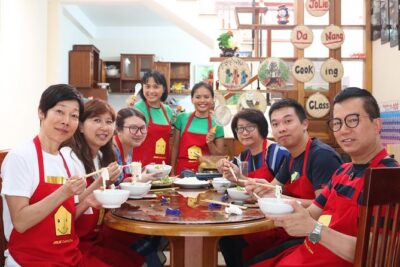 ★ 5.0Da Nang Cooking Class with Coffee Tasting and Market VisitFrom $45310 reviews
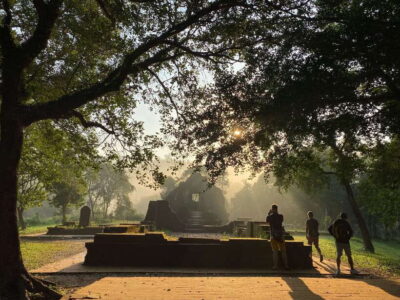 ★ 4.7My Son Early Morning with Banh My and Coffee 6 amFrom $18205 reviews
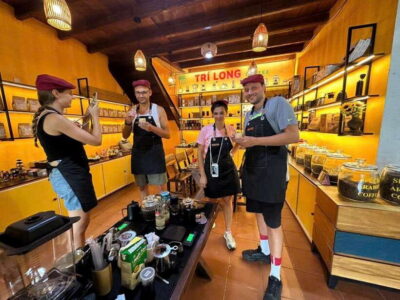 ★ 4.8Vietnamese Coffee Making Workshop at Local RoasteryFrom $16174 reviews
 ★ 5.0Lantern and Coffee Making ClassFrom $24154 reviews
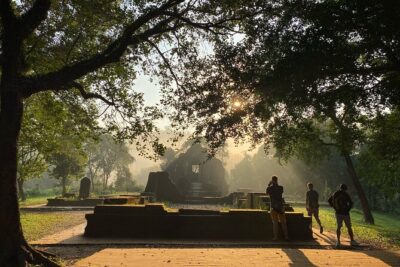 ★ 5.0My Son Sanctuary Early Morning Tour 6 am w Banh my and CoffeeFrom $21142 reviews
Browse the lists this tour appears in