
REVIEW · MARKETS
5 Dishes Cooking Class with Market Trip in Da Nang
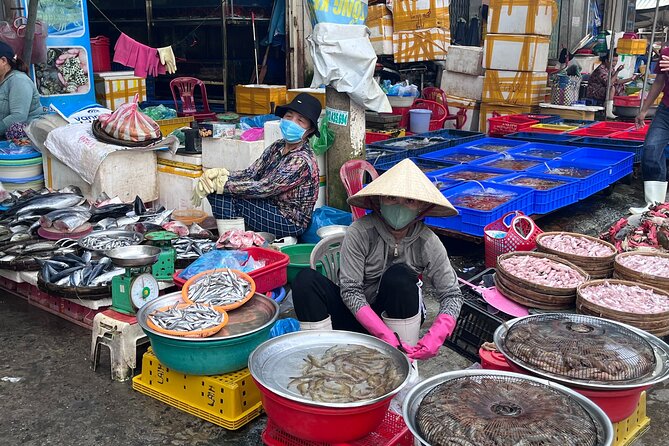
A market visit can change how you eat. This Da Nang cooking class starts at Chợ Bắc Mỹ An, so you learn ingredients first, then cook 5 local favorites. I like that the lesson includes both a hands-on cooking flow and a practical market shopping routine you can repeat later. I also like the specific lineup, from Bánh Xèo to avocado ice-cream, so you leave with more than one dish in your head.
One thing to consider is that language and pacing can vary by instructor, so if you need very clear step-by-step English, plan to use a translation app and ask questions early.
Quick takeaways before you go
- Chợ Bắc Mỹ An market start: You shop for key ingredients before you touch the stove.
- 5 dishes, not 1 or 2: Bánh Xèo, Bún Bò Huế, fresh rolls, young jackfruit salad, and avocado ice-cream.
- You eat what you make: Your meal includes homemade rice vodka.
- Small class feel: Maximum of 30 travelers, which helps the instructor keep an eye on your cooking.
- You take something home: Cookbook and a certificate after class.
Da Nang cooking class with a market trip, the smart way to learn
If you’re in Da Nang and thinking, I don’t know what to order, this format solves that problem fast. Starting at a market means you understand the ingredients behind the dishes, not just the finished plate. That’s a big deal because Vietnamese cooking often depends on fresh herbs, the right acid, and the right balance of salty, sweet, and chili heat.
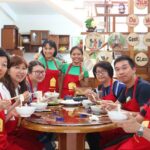
This class is designed like a mini food journey. You meet at 07 Nguyễn Bá Lân (Bắc Mỹ An) about 15 minutes early, then head to Chợ Bắc Mỹ An to shop and learn. After that, you cook 5 dishes, sit down together to eat, and finish with a cookbook and certificate. At $39.00 per person and about 4 hours total, it’s a straightforward half-day plan with a clear output: you learn dishes you can recreate later.
The tone is practical, not showy. You’re not just watching someone else cook. You’re doing the work, asking questions, and figuring out ingredient swaps, which is exactly what you want if you cook back home with limited grocery options.
You can also read our reviews of more shopping tours in Da Nang
Where you start: 07 Nguyễn Bá Lân and the 15 minute buffer
Your meetup point is at 07 Nguyễn Bá Lân, Bắc Mỹ An, Ngũ Hành Sơn, Đà Nẵng 550000, Vietnam. Plan to arrive about 15 minutes early, not right on the dot. That timing matters because the day begins with shopping and explanation before cooking starts.
Also, the tour is near public transportation. So if you’re bouncing around Da Nang, you can typically get there without a private car plan. For this kind of class, that matters because you want your energy for cooking, not for scrambling.
Finally, the experience ends back at the meeting point. That’s helpful because you’re not stuck trying to figure out transport at the end while you’re hungry and carrying leftovers. For most people, it turns a food activity into a clean, low-stress half-day.
Chợ Bắc Mỹ An: what the market trip actually teaches you
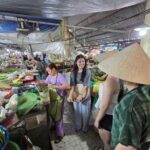
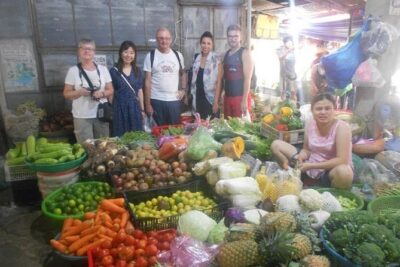
A market trip sounds nice, but the value is in what you learn to recognize and choose. Here, you’re visiting Chợ Bắc Mỹ An to shop for ingredients and learn how they work in the dishes. That means you should pay attention to textures, smells, and how vendors describe items you might otherwise walk past.
You’re also learning about ingredient replacements. That’s one of the most useful parts of a market stop, because it answers the question you’ll face later: what if you can’t find the exact herb, noodle, or fruit you saw in Vietnam?
In your real-world shopping back home, that knowledge beats memorizing a recipe line by line. For example, Vietnamese dishes often use sour elements like lime, sweetness from fruit, and fresh herbs as a finishing note. The market start gives you the cues to recreate that balance, even if your local ingredients are slightly different.
One more practical note: you come in with questions and curiosity, and this format gives you time to ask them while you’re still near the ingredients. That’s when things make the most sense.
Cooking time: the 5-dish lineup and why each one matters
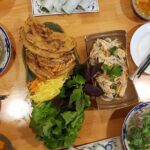
You’ll come back from the market and learn to cook 5 dishes. The lineup is smart because it covers variety: savory pancakes, a spicy noodle soup, a fresh roll, a young fruit salad, and a chilled dessert. It’s also a good mix of techniques, so you learn more than one “style” of cooking.
Bánh Xèo: the crispy, herb-fresh Vietnamese pancake
Bánh Xèo is one of those dishes you see everywhere, but it can be hard to order and understand if you’ve never cooked it. In class, you’ll learn the process and how it should come out. The key takeaway for you is that the pancake isn’t just batter. It’s about how thin the layer is, how it crisps, and how you finish it with herbs and dipping.
When you can cook it once, you’ll start noticing why restaurants bring it with herbs and dipping sauce. You stop thinking of it as a single item and start seeing it as a build-your-own bite.
More Hoi An lantern evenings, food walks, village rides, island trips, and central Vietnam day tours to compare


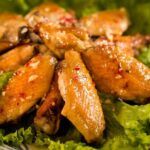
Bún Bò Huế: spicy beef noodle soup with a signature punch
Bún Bò Huế gives you something different: a warm, spicy bowl with deep flavor. The value here is technique and seasoning judgment. You’re learning to build a soup that can handle heat while still tasting balanced.
If you’re worried you’ll cook something bland, this dish is a good teacher because it forces you to think about flavor layers. Once you understand how the soup should taste, ordering it in Vietnam becomes easier, and recreating the idea at home becomes possible even if you use different cuts of beef.
Hoi An fresh roll: bright, fresh, and hands-on
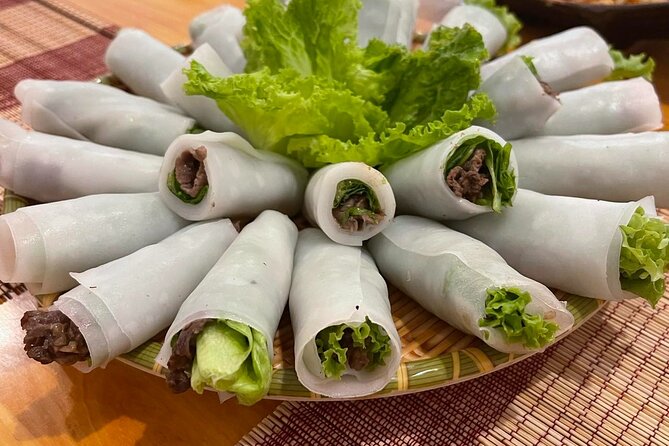
The class includes a fresh roll called Hoian Fresh roll. Fresh rolls tend to be about assembly, texture, and balance. You’ll likely get a feel for how to wrap neatly and how to pair the right fillings with the wrapper and herbs.
This dish is especially useful for cooks back home because it’s flexible. If you learn the method, you can swap fillings based on what’s available. The market start helps even more here, since you’ll know which ingredients add crunch and freshness.
Young jackfruit salad: the sour-crunch side of Vietnamese eating
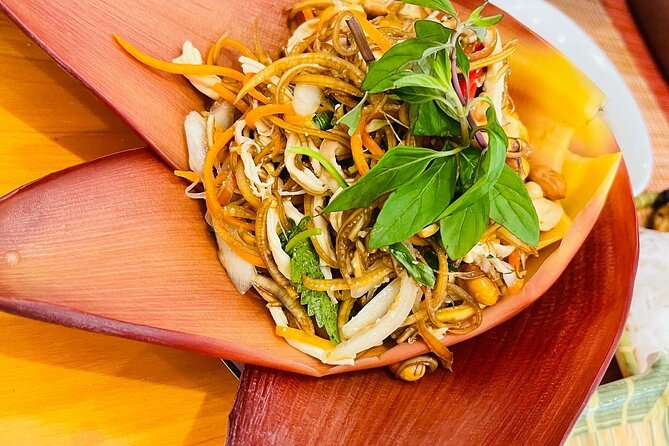
Young jackfruit salad is a great choice because it teaches you how Vietnam uses sour, fresh fruit and chili heat in savory ways. You’ll get a feel for how the salad should taste, not just what it looks like. Expect a sharp, crunchy profile with chili and a lime-like brightness.
This is one of those dishes that changes how you think about salads. It isn’t lettuce and dressing. It’s a dish built around fruit texture and strong flavor.
Avocado ice-cream: cool down with a creamy finish
After savory dishes and spice, avocado ice-cream gives you a clean, cooling finish. In a cooking class, dessert matters because it changes your pace and adds a “success” moment. You’re learning a Vietnamese-style sweet that’s likely different from what you’d make at home, mainly because of local flavor habits.
If you want one recipe that feels approachable and impressive, this is a strong candidate. It’s also a reminder that Vietnamese menus don’t stop at noodles and herbs.
What you eat: rice vodka, sharing, and the class meal
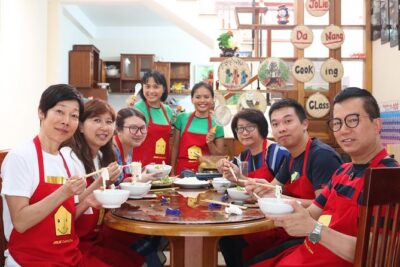
Once cooking is done, you eat the meal together. Included in the meal is homemade rice vodka. That’s a fun cultural touch, and it also makes the experience feel like more than a lesson. You’re not just performing a task, you’re sitting down and eating as a group.
If you don’t drink, you can still enjoy the food and atmosphere. But if you do, keep it light. The schedule is only about 4 hours total, and you’ll likely be walking to and from the market and cooking, so treat it like a tasting, not a night out.
Sharing the dishes you cooked also helps you learn faster. You get to taste and compare, and you’ll catch details like spice level or how fresh herbs affect the bite.
Value and why $39.00 feels fair for this format
For $39.00 per person, you’re getting a lot of “input,” not just a single recipe. The class includes:
- a market visit at the start
- cooking instruction for 5 dishes
- a shared meal with homemade rice vodka
- a cookbook and a certificate
That combination is what makes the price make sense. Many food tours teach you where to eat. This one also teaches you how to choose ingredients and how to make the food. The market part alone can be worth it if you’re new to Vietnamese shopping.
And the recipe material helps you after you return home. A cookbook plus a certificate might sound symbolic, but they also signal that this is a structured class, not a casual hangout. You leave with something you can actually use.
Small group size matters: up to 30 and your chance to ask questions
The class caps at a maximum of 30 travelers. That’s not tiny, but it’s also not so large that you disappear into the crowd. For cooking, group size matters because you need guidance at the stove and clarity about timing.
It’s also a practical benefit when it comes to questions. If something isn’t clear, you can ask without feeling like you’re shouting over a hundred people. Your best move is to ask early, before you’re rushed by the cooking process.
Dietary needs: vegetarian, vegan, and allergy requests
Good news: the experience can cater for vegetarian, vegan, allergies. You’ll want to mention your needs in a special request when booking.
This matters because cooking class ingredients can be mixed in surprising ways. If you’ve got allergies, don’t assume substitutions will happen automatically. Use the booking notes so the instructor can plan your station and ingredients.
If you’re vegetarian or vegan, you’ll still get a full meal. The key is making sure the instructor knows your constraints before the market start, since shopping happens right at the beginning.
Tips so you get the most from the class
This class works best when you treat it like a skill session, not just entertainment. Here’s what helps most:
- Arrive early at 07 Nguyễn Bá Lân so you start with time to settle.
- During the market trip, ask what you’re looking at and how to substitute ingredients you can’t find later.
- Take mental notes on the balance: sour, salty, sweet, and chili. Vietnamese cooking often hinges on that.
- When you cook, taste as you go. If a dish feels off, ask the instructor how to correct it rather than waiting until the end.
- If your Vietnamese is limited, use a translation app for simple ingredient names and flavor words. That can make the class flow smoother.
Finally, treat the meal with rice vodka as part of the experience. It’s included, but pace yourself.
Who should book this cooking class in Da Nang
This is a good fit if you want:
- a hands-on way to understand Vietnamese food, not just watch it
- a market lesson that helps with ingredient choices
- a compact half-day activity (about 4 hours) with a clear outcome
It’s also ideal for couples, solo travelers, and small groups who like structure. If you’re new to Da Nang cuisine and unsure what to order, you’ll gain confidence fast because you’ll know what’s inside the dishes and why they taste the way they do.
If you want nightlife, this won’t be that. It’s a food-focused morning or afternoon style activity, and it ends back where you started.
Should you book 5 Dishes Cooking Class with Market Trip in Da Nang?
Yes, I’d book it if you’re the type of traveler who likes to learn by doing. The best reason is the combination of market shopping plus cooking 5 specific dishes, all in about 4 hours for a clear price. You’re not just eating in Da Nang, you’re learning how to recreate the logic behind the food.
Skip it only if you strongly prefer purely observational experiences. Also consider your comfort with instruction in English, since communication quality can vary by instructor, so having a translation plan helps.
If you’re excited to cook, taste, and leave with a cookbook plus a certificate, this is a practical value play in Da Nang.
FAQ
What is the price of the 5 Dishes Cooking Class with Market Trip in Da Nang?
It costs $39.00 per person.
How long does the cooking class last?
The experience is about 4 hours.
Where do I meet the group?
Meet at 07 Nguyễn Bá Lân, Bắc Mỹ An, Ngũ Hành Sơn, Đà Nẵng 550000, Vietnam. Plan to arrive about 15 minutes before the start time.
What dishes will I learn to cook?
You’ll cook 5 dishes: Bánh Xèo, Bún Bò Huế, Hoian Fresh roll, young jackfruit salad, and avocado ice-cream.
Does the class include a market visit?
Yes. The session begins with a trip to Chợ Bắc Mỹ An to shop and learn about local ingredients.
Is the meal included?
Yes. You’ll eat the dishes you cook together, and the meal includes homemade rice vodka.
What do I receive at the end of class?
You receive a cook book and a certificate.
Can the tour accommodate vegetarian, vegan, or allergy needs?
Yes. Vegetarian, vegan, and allergy needs can be accommodated if you mention them in special requests when booking.
What is the cancellation policy?
You can cancel for free up to 24 hours in advance for a full refund. If you cancel less than 24 hours before the start time, the amount paid is not refunded.
More Markets in Da Nang
More Shopping Tours in Da Nang
More Tour Reviews in Da Nang






Not for you? Here's more nearby things to do in Da Nang we have reviewed











Markets, compared.
 ★ 5.0Cooking Class Hoi An:Local Market, Basket Boat, Fishing & CookingFrom $283,660 reviews
 ★ 5.0Hoi An Cooking Class(Market,BasketBoat Crabfishing&Cooking Class)From $283,386 reviews
 ★ 4.8Market Tour, Basket Boat Ride and Cooking ClassFrom $172,208 reviews
 ★ 5.0Hoi An Cooking Class(Local market,Basket Boat,Fishing & Cooking)From $281,323 reviews
 ★ 5.0Hoi An Eco Tour Cooking Class & Fishing (Local market,basket boat,learn cooking)From $29567 reviews
 ★ 5.0Traditional Cooking Class with Basket Boat Ride and market TourFrom $41391 reviews
 ★ 5.05 traditional dishes Da Nang cooking class with market tripFrom $39331 reviews
 ★ 5.0Da Nang Cooking Class with Coffee Tasting and Market VisitFrom $45310 reviews
Browse the lists this tour appears in