
REVIEW · COFFEE EXPERIENCES
Vietnamese Culture and Coffee Making Class
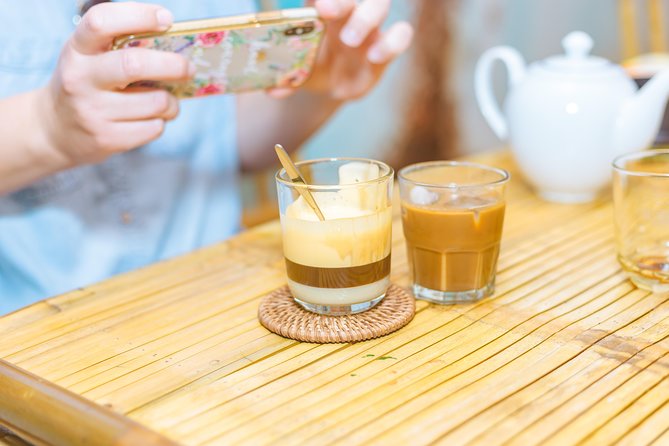
Coffee lessons in Hoi An are hands-on. You learn Vietnam’s coffee culture while making five styles, including filter black coffee, salt coffee, coconut coffee, and egg coffee, all led in English by a local instructor. I love how the session also explains how French colonization shaped Vietnamese coffee into what you drink today.
I also like that you leave with a real Vietnamese filter, a phin, so you can repeat the brews at home, plus recipes and a small surprise gift at the end.
With five coffees in about two hours, the drinks are very strong and caffeine-heavy, so go slow, and expect playful humor that may not land for everyone.
Key Things I’d Prioritize
- Five coffee types, one smooth workshop flow so you get variety without bouncing around town
- A take-home phin filter means you can actually make Vietnamese coffee back home
- Culture context with French influence tied directly to how the drinks taste
- Small group size (max 10) for more attention while you brew
- Very strong coffee so pacing matters more than you expect
Coffee Culture Lessons in Hoi An, Small Group, Real Brews
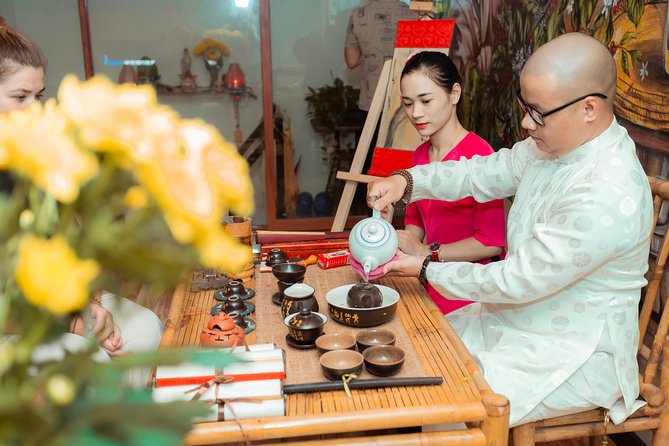
If you want an experience that feels both local and practical, this Vietnamese coffee making masterclass is a strong pick. It’s not just about watching someone else brew. You’re guided through multiple traditional styles, then you get the tools and a plan you can use later.
What makes it especially worth your time is the mix of hands-on coffee and simple cultural context. You learn why Vietnamese coffee culture developed the way it did, and you see how that history connects to what ends up in your cup.
More Hoi An lantern evenings, food walks, village rides, island trips, and central Vietnam day tours to compare


Where You Meet, How Long It Takes, and What Comes With You
This is a 2-hour class with a small maximum group size of 10 travelers, which is the sweet spot for a hands-on workshop. You’ll get an English speaking guide and coffee making tools, and you’ll work with the equipment needed for the styles you’re making.
The big included win for me is the phin filter you take home. That turns the class from a fun stop into something you can repeat after the trip. Add in the fact that the class includes recipes and a gift at the end, and you start to see why so many people feel like it’s good value.
One practical note: there’s no hotel pickup or drop-off. The start point is at 10C Bà Triệu, Phường Cẩm Phổ, Hội An, Quảng Nam 560000, and the activity ends back at the meeting point. You’ll want to be able to get yourself there on time, ideally using local transport or on-foot from nearby spots.
Also, the experience is described as requiring good weather. If conditions are poor, you’ll be offered a different date or a full refund.
Your Hands-On Brew Plan for Five Vietnamese Coffee Favorites
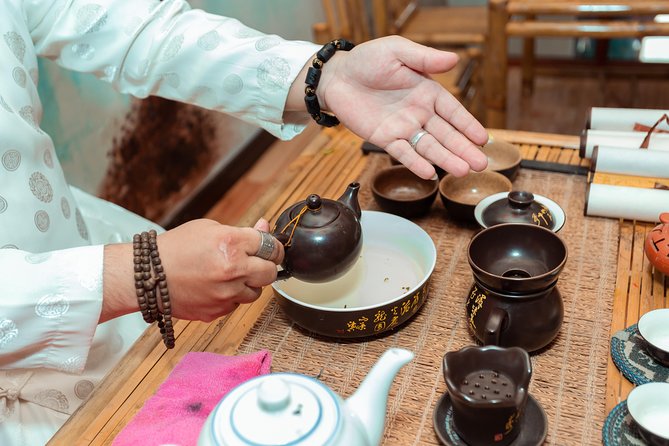
The class is built around making five different Vietnamese coffee styles. That’s a lot in two hours, but the structure helps. You start with the basics of brewing Vietnamese style with a filter, then you move into variations with different flavors and textures.
Here’s what you’ll make, in the same set the class advertises:
- Real traditional black coffee by Vietnamese filter
- Vietnamese happy white coffee
- Hue Imperial Salt coffee
- Hoi An fresh coconut coffee
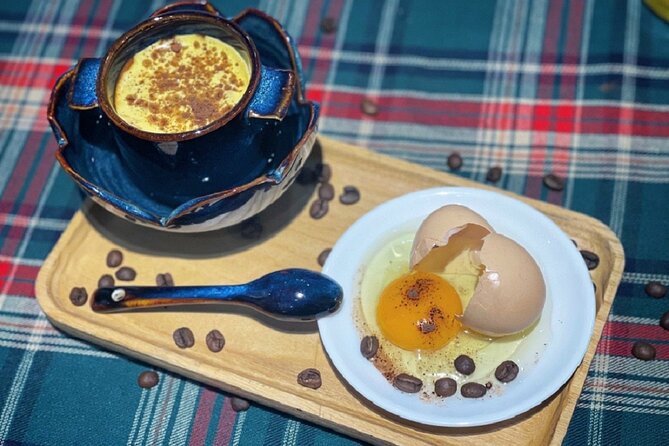
- Ha Noi Capital egg coffee
Real Traditional Black Coffee by Vietnamese Filter (Your Foundation)
This is where the workshop earns its keep, because it gives you the core technique: using a Vietnamese filter to brew your coffee. If you’ve only ever done drip machine coffee or espresso, this method feels different fast. It also becomes the reference point for everything else you’ll try afterward.
In practical terms, this step sets you up to understand how Vietnamese coffee reaches your cup, and why the taste profile differs from most coffee you know. Even if you end up loving one of the specialty styles most, you’ll still want this foundation for recreating things at home later.
Vietnamese Happy White Coffee (A Creamier Direction)
Next comes Vietnamese happy white coffee, a style name that tells you it’s meant to feel smooth and comforting. In the class format, you’re not just told what to do. You’ll follow the steps and handle the brewing process yourself, so you learn how the filter method adapts to a different style.
If you usually find black coffee too sharp, this is the kind of step that often feels like a relief. It’s also a good moment to slow down and pay attention to how the texture changes compared with your first brew.
More Hoi An lantern evenings, food walks, village rides, island trips, and central Vietnam day tours to compare
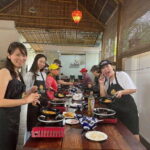

Hue Imperial Salt Coffee (The Sweet-Salty Curveball)
Hue Imperial Salt coffee is a fun checkpoint coffee because it’s outside the usual flavor expectations most visitors bring. The lesson here isn’t just about trying something unusual. It’s about learning how Vietnamese coffee culture can play with contrast, turning something as familiar as coffee into a more complex drink.
This is also a good time to check your taste preferences. If you like desserts with salt, you’ll likely enjoy this style. If you prefer coffee to stay strictly bitter and bold, it still teaches you something valuable about how Vietnamese coffee can be built differently.
Hoi An Fresh Coconut Coffee (Local Flavor, Local Logic)
Hoi An fresh coconut coffee is the style many people remember most, and it makes sense. Hoi An has a strong sense of place, and coconut flavors fit right into that mood. In the class setting, you’re making it as a coffee drink, not just tasting coconut as a separate ingredient.
One of the smartest things you can do here is compare it to your earlier brews. You’ll be able to sense the difference immediately, because you already have your filter black coffee taste as a baseline.
Ha Noi Capital Egg Coffee (Dessert Feel, Coffee Drink Mindset)
Ha Noi Capital egg coffee is the showstopper for a lot of people. Even if you’ve heard of egg coffee before, making it in a guided workshop helps you understand how the style fits into Vietnamese coffee culture as a whole.
Expect this to be one of the strongest, richest cups in the lineup. That matters because the class includes five coffee styles, and several people point out the caffeine can hit hard. So plan to pace yourself, especially on this last step.
Vietnamese Coffee History, French Influence, and Why It Matters

The class doesn’t keep the conversation at the level of, Coffee is popular. It connects coffee to Vietnamese life and history, including how French colonization shaped Vietnamese coffee into what people drink today.
You’ll get the story in a practical way, not a lecture that drifts off into details. The goal is that you understand what you’re tasting while you’re tasting it. When you know the context behind the brewing style and the flavors, the class stops being just sampling. It becomes learning.
I also appreciate that the explanation stays tied to the cup in front of you. Vietnamese coffee culture is built on specific brewing methods and local preferences. Learning the why helps you remember the how, and that’s what makes the take-home filter matter.
What the Class Energy Feels Like (And How to Make It Work for You)
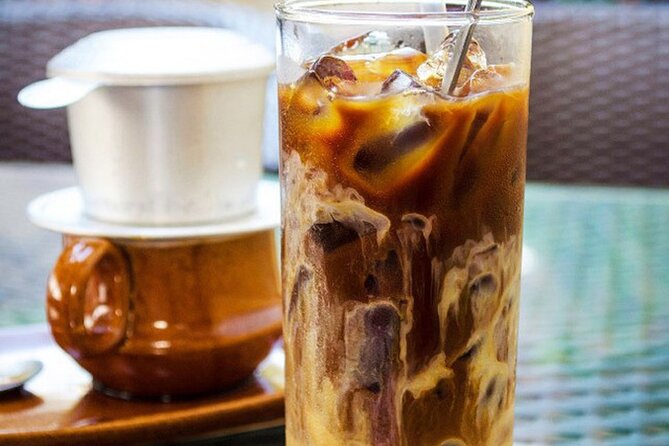
This workshop is run in a family-run style, and the tone tends to be friendly and funny. People mention banter and humor, and names like Linh come up in that mix. That lighthearted energy can make a short class feel easier, especially if you’re traveling solo or you’re not used to group activities.
That said, one realistic consideration: not everyone loves the humor level. If you prefer very formal instruction, you might find the comedy playful but a bit much. Keep that in mind if you’re sensitive to joking during learning.
The other thing to plan for is pace. Because you make and drink five styles in about two hours, the cups can add up quickly. If you’re sensitive to caffeine, I’d treat this like a tasting menu. Sip, breathe, and save room for the final cups, especially the egg coffee.
Price and Value at About $15.39 for Two Hours
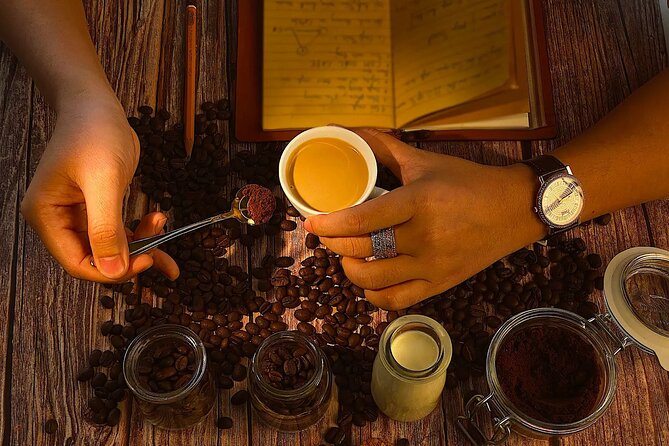
At $15.39 per person, the main question isn’t just Is it cheap? It’s what you get for that money.
Here’s the value breakdown you actually care about:
- You make five coffee styles, not one
- You get tools for the workshop and a phin filter to keep
- You get guidance in English plus an instructor who explains each coffee’s place in Vietnamese culture
- You leave with recipes and a surprise gift
In other words, you’re paying for an experience that also produces a practical outcome. A lot of food tours give you a story and a photo. This one adds equipment you can use later and recipes you can follow at home.
If you’re a coffee person, it’s an especially good value because you’re learning the technique behind multiple styles, not just collecting tastes.
Who Should Book This Workshop (and Who Might Want Something Else)
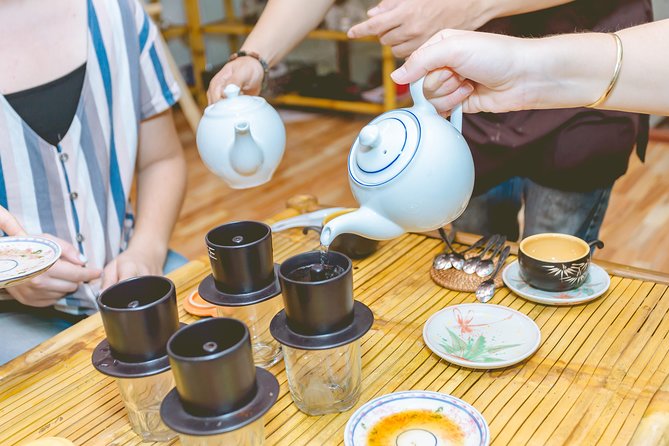
This is a great fit if you:
- Like coffee and want to learn a method you can recreate
- Want a fun Hoi An activity that doesn’t require museum-style patience
- Enjoy hands-on classes where you do the work, not just observe
- Travel with friends, partners, or solo and want a small-group social vibe
It’s less ideal if you:
- Want a super quiet, formal class
- Are very caffeine-sensitive and don’t plan to pace yourself
- Prefer short experiences and might feel two hours is a bit long
The good news is that even people who weren’t big fans still often agree the experience itself is enjoyable and the cups are strong. The main complaints tend to focus on timing and humor, not on the instruction or the overall idea.
Should You Book This Coffee Making Class?
If you want an experience that mixes Vietnam’s coffee culture with a skill you can keep, I think you should book it. The combination of five styles, an English-speaking instructor, and the take-home phin filter is what makes this class feel practical, not just entertaining.
Book it especially if you’re curious about different Vietnamese coffee styles and you want a low-effort way to bring that flavor home. Skip it only if you know you strongly dislike playful banter or you want something shorter and less caffeine-forward.
FAQ
How long is the Vietnamese Culture and Coffee Making Class in Hoi An?
It runs for about 2 hours.
What coffee types will I make during the class?
You’ll make traditional Vietnamese filter black coffee, Vietnamese happy white coffee, Hue Imperial Salt coffee, Hoi An fresh coconut coffee, and Ha Noi Capital egg coffee.
What is included in the price?
The class includes coffee making tools, an English speaking instructor and guide, and a Vietnamese filter (phin) to take home.
Is hotel pickup and drop-off included?
No, hotel pickup and drop-off is not included.
Where do I meet for the class?
The meeting point is 10C Bà Triệu, Phường Cẩm Phổ, Hội An, Quảng Nam 560000, Vietnam, and the activity ends back at the same meeting point.
What if the weather is poor?
This experience requires good weather. If it’s canceled due to poor weather, you’ll be offered a different date or a full refund.
More Workshops & Classes in Hoi An
More Coffee Experiences in Hoi An


More Tour Reviews in Hoi An

Not for you? Here's more nearby things to do in Hoi An we have reviewed







Coffee Experiences, compared.
 ★ 4.9Vietnamese Coffee Culture and Coffee Making ClassFrom $144,006 reviews
 ★ 5.0Early Morning My Son Sanctuary Trip w. Champa Food & CoffeeFrom $21629 reviews
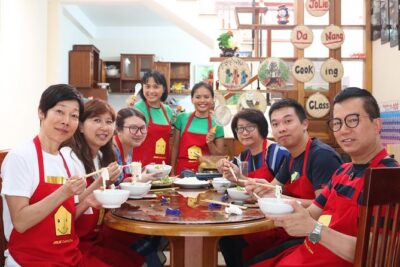 ★ 5.0Da Nang Cooking Class with Coffee Tasting and Market VisitFrom $45310 reviews
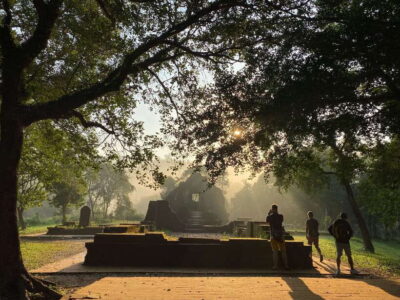 ★ 4.7My Son Early Morning with Banh My and Coffee 6 amFrom $18205 reviews
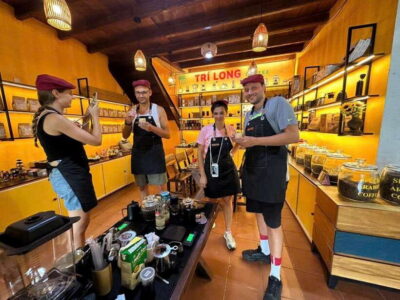 ★ 4.8Vietnamese Coffee Making Workshop at Local RoasteryFrom $16174 reviews
 ★ 5.0Lantern and Coffee Making ClassFrom $24154 reviews
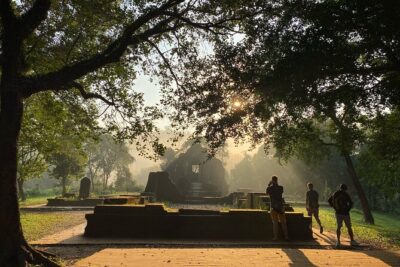 ★ 5.0My Son Sanctuary Early Morning Tour 6 am w Banh my and CoffeeFrom $21142 reviews
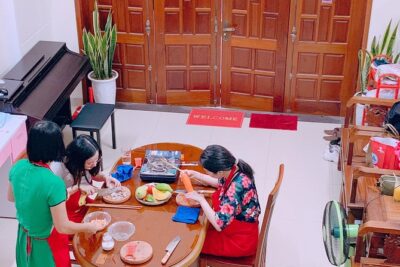 ★ 5.0DaNang Farm-to-Table Cooking Class with Market and Coffee TastingFrom $60131 reviews
Browse the lists this tour appears in