
REVIEW · COFFEE EXPERIENCES
Hoi An: Vietnamese Coffee Making Workshop at Local Roastery
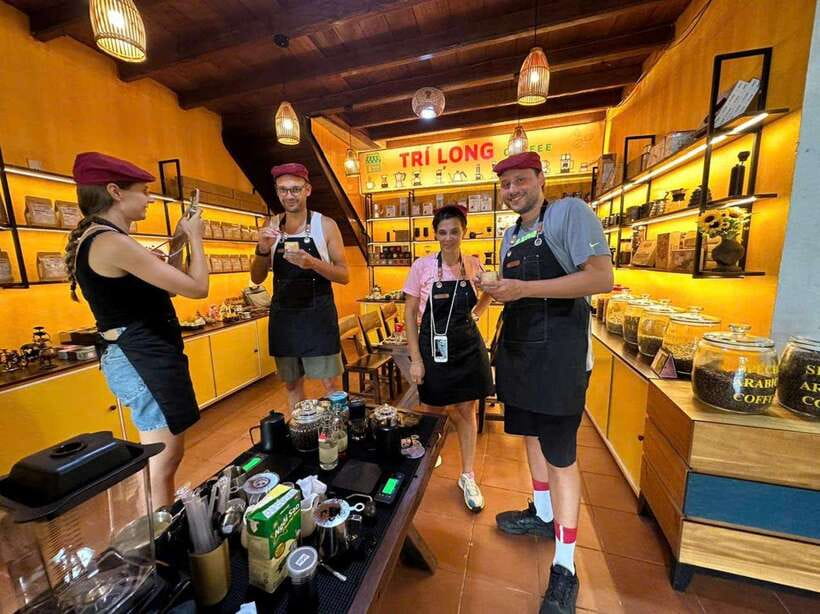
Vietnamese coffee has layers, and this class shows them. This hands-on workshop at Trí Long Coffee turns the usual cafe routine into a guided, step-by-step brew lesson in the heart of Hội An, with an English barista and a cozy space to sip what you make.
I especially like the format, you pick two signature coffees from phin, egg, coconut, or salt, so you leave with practical skills, not just a quick tasting. I also like the storytelling component, the instructor connects bean to cup with roasting and brewing methods plus the cultural background behind the iconic styles.
One thing to consider: the session can feel a little time-tight depending on how many groups are cycling through the roastery coffee shop, so come ready to focus for about an hour (often closer to 60 to 75 minutes).
Key highlights worth your time
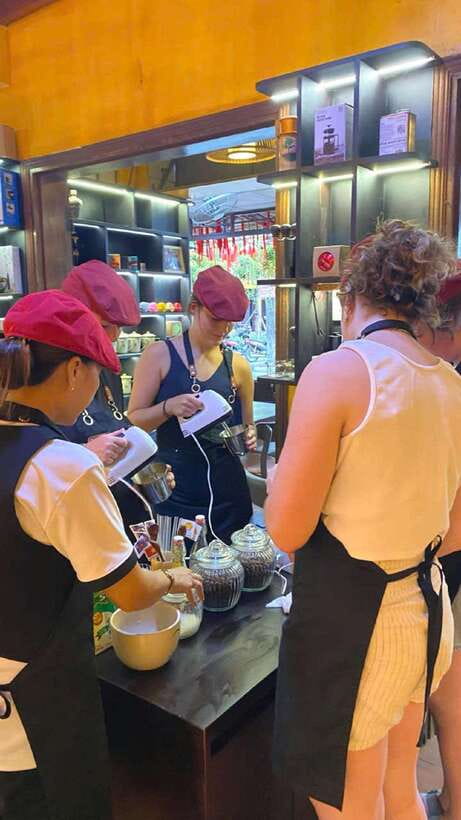
- Pick 2 out of 4 signature drinks: phin, egg, coconut, or salt coffee
- Hands-on brewing with step-by-step guidance from an English-speaking barista
- Coffee culture and roasting stories so you understand what you are tasting
- You get to relax and drink both coffees you made, not just watch
- Small group energy is common, sometimes even just two people for a chosen time slot
- Take-home value can include recipe printouts and sometimes a certificate
Where you meet in Hội An: Trí Long Coffee and the red hat cue
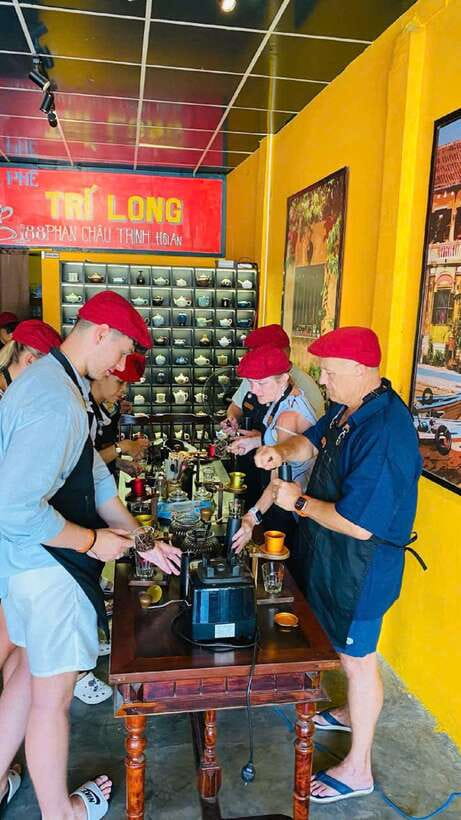
The whole experience centers on one easy meeting spot: Trí Long Coffee, 88 Phan Châu Trinh Street, Hội An. This is central, walkable, and simple to find compared with activities that scatter across town.
Plan to arrive 5 minutes early. That buffer matters because the workshop starts right away with a welcome and an intro, and you will want a calm moment to get settled. If you are using a taxi or Grab, just tell the driver the address, and then look for the guide outside the coffee shop wearing a red hat. In practice, this “spot the red hat” system is one of the fastest ways to avoid the awkward half-hour hunt.
One practical note from the vibe of the place: this is a functioning cafe and roastery environment, so you might hear normal shop activity around you. That is part of the charm. You are learning in the same real-world setting where the coffee is made, not in a sterile classroom.
More Hoi An lantern evenings, food walks, village rides, island trips, and central Vietnam day tours to compare



The workshop flow: 60 to 75 minutes that actually teaches
This is not a long, slow seminar. Expect a tight, friendly rhythm, roughly 1 hour, with some sessions running up to about 75 minutes.
Here is how the time typically gets used:
Welcome and intro: quick setup, clear expectations
You start with a short welcome and overview from your instructor. This matters more than it sounds. When you are about to brew two different Vietnamese coffee styles, you want to know what the instructor expects and how the tools and ingredients will be handled.
Coffee culture and roasting story: bean to cup, explained simply
Next comes the part that helps everything click. You get an introduction to Vietnam’s coffee culture and how coffee moves from growing to roasting to brewing. The barista also explains roasting methods and brewing techniques at a level that fits beginners.
The reason this section is valuable is that it gives you language for what you are tasting. Instead of saying, This tastes strong or sweet, you can start connecting flavor to roast style and brewing approach. That makes the rest of the workshop feel less like a guessing game.
Choose your 2 drinks: phin, egg, coconut, salt
Then you get to choose your two signature drinks. Options are:
- Phin filter coffee
- Egg coffee
- Coconut coffee
- Salt coffee
This is one of the best parts of the experience design. Vietnamese coffee has several famous styles, but most classes would force you into a one-size-fits-all selection. Here, you get agency. If you hate overly rich drinks, you can pick two that match your taste. If you love adventurous flavors, salt coffee and egg coffee are your playground.
If you are with a friend or partner, you can also split the selections so each of you learns different techniques. That way you end up with a wider “menu” of what to remember after the class.
More Hoi An lantern evenings, food walks, village rides, island trips, and central Vietnam day tours to compare

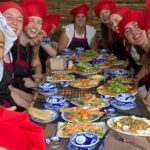
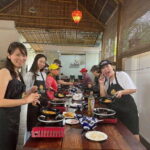

Hands-on brewing: step-by-step, not guesswork
After choosing, you move into the making phase. This is where the workshop earns its keep. You build both drinks yourself, and the barista guides you through each technique.
Multiple instructors are mentioned in the feedback you shared, including Tee, Houng, and Thi. That is a good sign for consistency, because the lesson style seems to work across different hosts. The key is that you are not expected to figure things out alone.
Sip, take photos, and ask questions
Once your coffees are ready, you sit down and enjoy what you made. The workshop space is described as relaxed and music-filled, which makes a difference if you have been walking around Hội An all morning.
Then there is a short Q and A. This is where you can ask about beans, roasts, and brewing techniques. Some sessions also include optional bean shopping, but it is framed as optional, not a hard sell.
How the 4 signature Vietnamese coffee styles work, and what to expect
You are learning two styles during your class, but it helps to understand what each one represents.
Phin coffee: the classic slow drip
Phin coffee is the traditional Vietnamese style brewed with a phin filter. It usually feels stronger and more concentrated because it is brewed in a slower, more controlled way. If you want to understand the “baseline” of Vietnamese coffee culture, phin is a smart choice.
You learn how to operate the phin and control the flow, which is the sort of practical skill that carries over to home brewing.
Egg coffee: sweet, creamy, and famous for a reason
Egg coffee is known for its creamy topping, often described as a rich, custard-like foam. In the workshop setting, you get guidance on the method rather than just instructions on what to do.
If you want a coffee that feels like dessert but still tastes like coffee, egg coffee is a crowd-pleaser.
Coconut coffee: refreshing and easy to love
Coconut coffee gets praised in the feedback for being refreshing, especially when served as an iced style. If you are visiting in warmer weather, or you just do not want something overly heavy, coconut coffee is a strong pick.
Even people who are new to Vietnamese coffee tend to enjoy it because it balances sweetness and creaminess without overwhelming bitterness.
Salt coffee: a memorable sweet-salty twist
Salt coffee is one of the most distinctive choices in the class options. It is memorable because it turns the usual coffee flavor expectations around, creating a sweet-salty sensation that can feel surprisingly smooth.
If you like trying local variations instead of only familiar flavors, salt coffee is a great way to learn something that is hard to replicate by reading a menu.
What makes this workshop feel worth $16
At $16 per person for a roughly 1 hour class, the price makes sense when you look at what is included. You are paying for:
- An experienced barista/instructor
- A hands-on workshop with tools and ingredients
- Two cups of coffee that you make yourself
That last part is the real value lever. Many coffee experiences are tastings where you watch and sip one small sample. Here, you actively brew your own two drinks and then sit down with them. That is time, instruction, and product all bundled together.
Also, the workshop is beginner-friendly. You do not need prior coffee-making experience. In other words, you are not paying to learn from trial and error. You are paying to learn from someone who can correct your technique as you go.
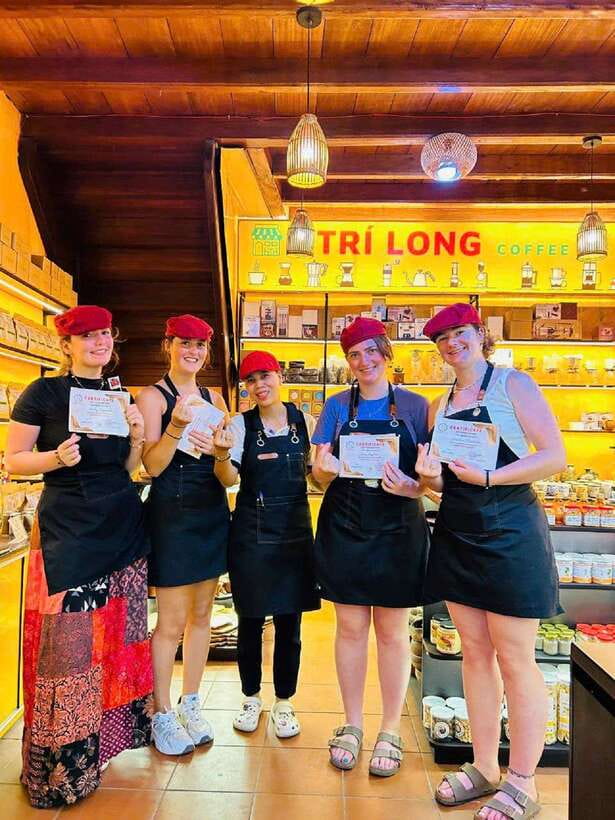
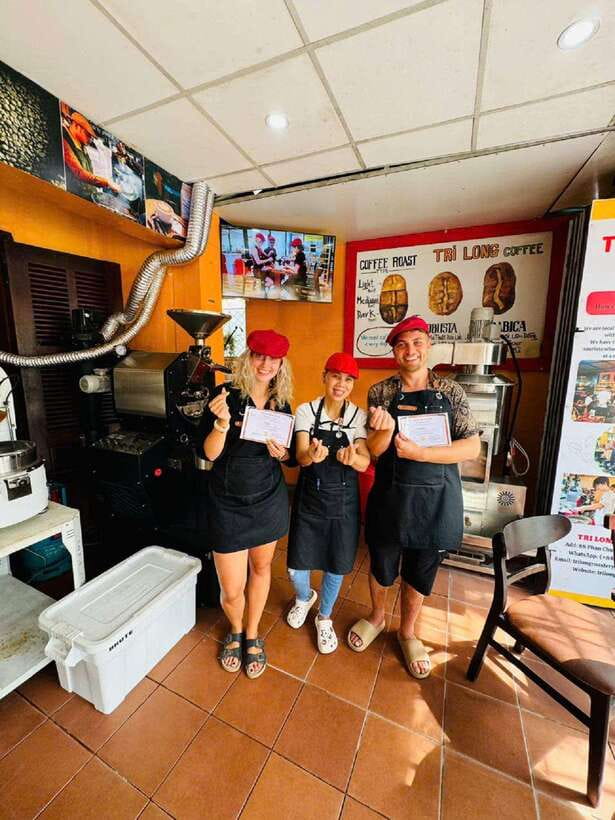
And there is an extra practical bonus: some participants report getting recipe printouts and even a certificate. Take this as you will, but it is genuinely useful. Recipes help you recreate the flavors later, and a certificate is a nice souvenir without buying anything.
Location tips: make it easy on yourself before you brew
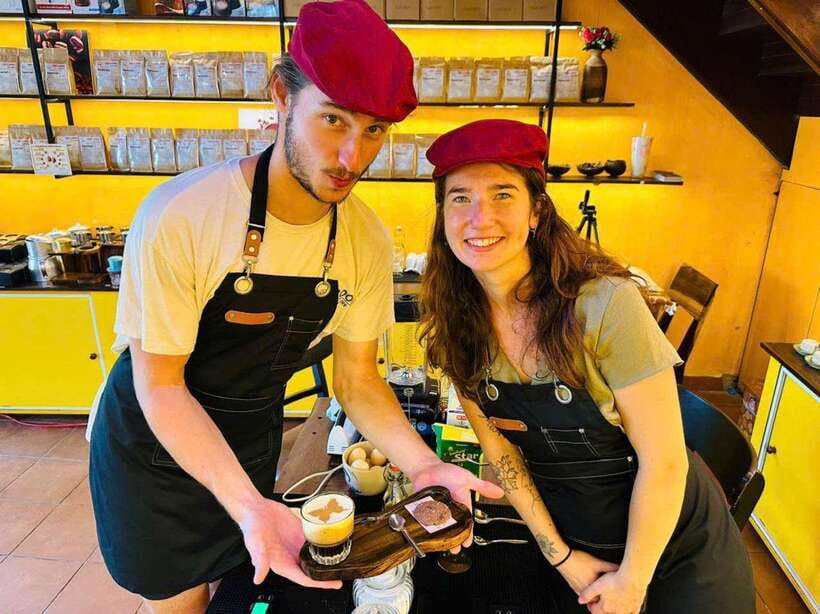
This is a short experience, so small mistakes add up. Here are a few things I would do to keep it smooth:
- Wear comfortable shoes. You will stand and move a bit during brewing.
- Bring a hat and sunscreen. Hội An sun can be strong even when the morning starts mild.
- Have water nearby. You will be drinking coffee, so hydration helps you taste the second drink clearly.
- Bring your camera. The process is visual, and the finished drinks are photo-worthy.
Smoking is not allowed, so keep that in mind if you are a smoker.
Transport is not included, so plan your own way to Trí Long Coffee. This is central, so you can likely walk from many areas, but that depends on where you are staying.
Group size and teaching style: why the small class matters
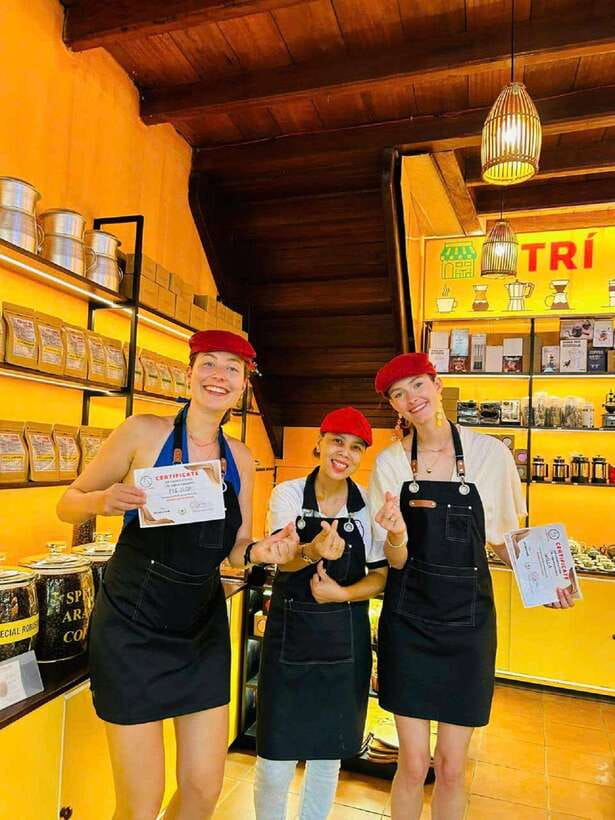
One reason this workshop earns such strong feedback is that the teaching environment can stay personal. Some sessions have been reported as very small, even just two people at the chosen time.
Even when you are not in a one-on-one situation, a small group format makes a difference. Brewing Vietnamese coffee has small technique points. Having a barista close by helps you fix mistakes early, like adjusting how the coffee flows or managing the steps for the topping.
If you hate being rushed, focus on arriving on time. The class is short enough that being late can throw you off the flow.
Who should book this in Hội An
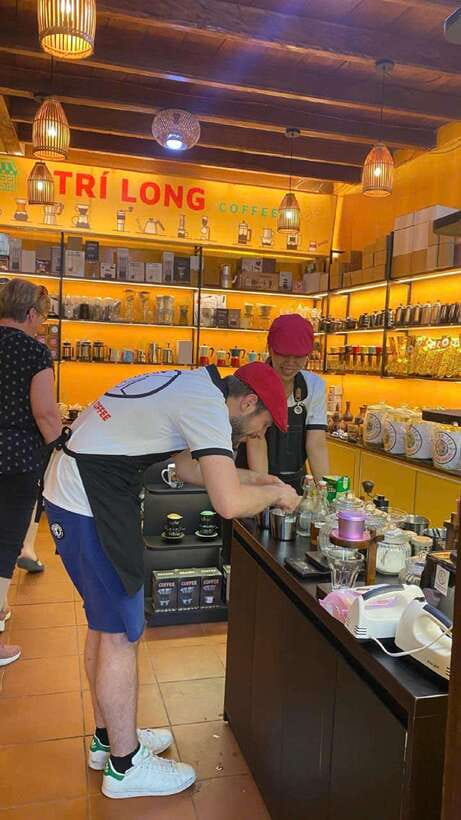
This workshop is a great fit if:
- You love coffee and want more than a quick tasting
- You want hands-on instruction without technical stress
- You are traveling solo, as a couple, or with small groups who want a shared activity
- You are curious about Vietnamese food culture beyond what you see on menus
- You want a straightforward, beginner-friendly activity that does not require much prep
It also works well for families. One review mentions a family with kids making coconut and salt coffee successfully, which suggests the pace is manageable for younger participants who can follow simple steps.
The practical takeaway: what you will remember after the last sip
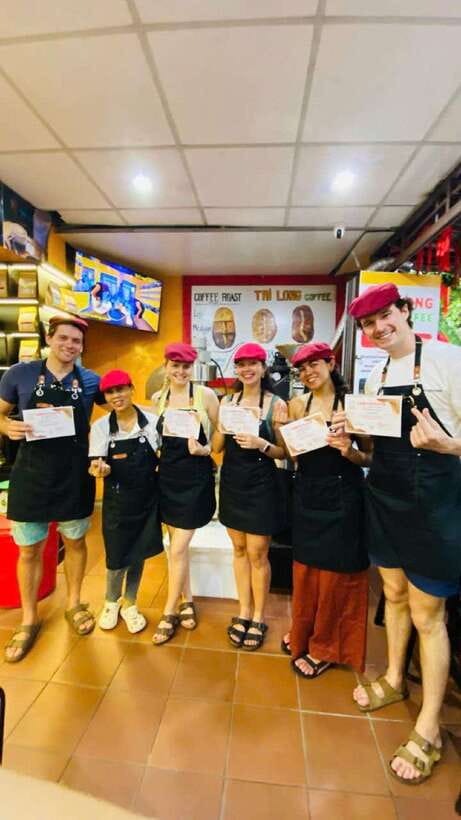
This is not just a “do it once” class. The most useful thing you can carry home is a method mindset. Brewing styles like phin coffee, egg coffee, and coconut coffee each teach you a different way to manage sweetness, strength, and texture.
When you understand the brewing approach, Vietnamese coffee stops being a mystery menu and becomes something you can reproduce. Plus, the Q and A time is a good chance to ask what beans to buy locally and what roasts work best for each style, based on how you like your cup.
Should you book this Vietnamese coffee workshop in Hội An?
I think it is an easy yes if you want a fun, beginner-friendly experience with real hands-on payoff. You get to make two Vietnamese coffee styles, sit down and enjoy them right away, and learn the roasting and brewing logic behind the flavors. For the money, it is strong value because you are not just paying for coffee, you are paying for instruction and usable recipes.
I would hesitate only if you dislike time-tight sessions or you hate learning in a shop setting with other groups moving through. If that sounds like you, choose a time when you can arrive calm and on schedule, so you do not feel rushed.
Bottom line: if Vietnamese coffee is on your “must try” list for Hội An, this workshop is one of the simplest ways to turn tasting into technique.
More Workshops & Classes in Hoi An
More Coffee Experiences in Hoi An


More Tour Reviews in Hoi An


Not for you? Here's more nearby things to do in Hoi An we have reviewed








Coffee Experiences, compared.
 ★ 4.9Vietnamese Coffee Culture and Coffee Making ClassFrom $144,006 reviews
 ★ 5.0Early Morning My Son Sanctuary Trip w. Champa Food & CoffeeFrom $21629 reviews
 ★ 5.0Vietnamese Culture and Coffee Making ClassFrom $15497 reviews
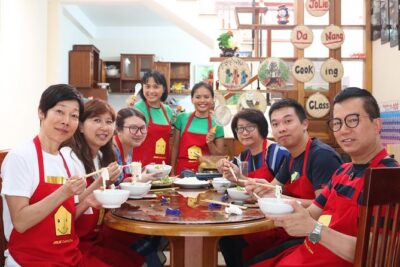 ★ 5.0Da Nang Cooking Class with Coffee Tasting and Market VisitFrom $45310 reviews
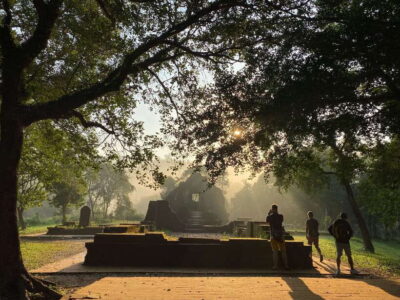 ★ 4.7My Son Early Morning with Banh My and Coffee 6 amFrom $18205 reviews
 ★ 5.0Lantern and Coffee Making ClassFrom $24154 reviews
 ★ 5.0My Son Sanctuary Early Morning Tour 6 am w Banh my and CoffeeFrom $21142 reviews
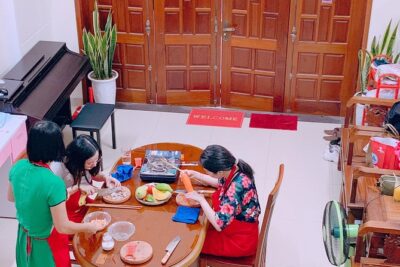 ★ 5.0DaNang Farm-to-Table Cooking Class with Market and Coffee TastingFrom $60131 reviews
Browse the lists this tour appears in