
REVIEW · COFFEE EXPERIENCES
Vietnamese Coffee Making Class in Hoi An
Coffee in Vietnam hits different. In a downtown Vietnamese coffee making class, I like how it pairs a practical roast lesson with you actually building the drinks yourself. Two things I particularly like are the hands-on coffee making (not just watching) and the chance to learn multiple classic styles, like Phin filter coffee and egg coffee. One thing to consider: doing 2 or 3 coffee types in a short session can mean a lot of richness and caffeine fast.
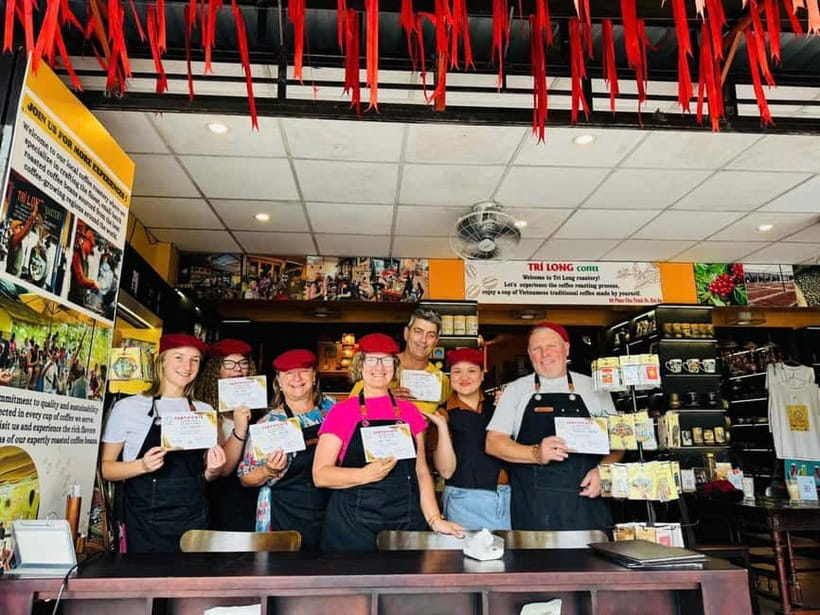
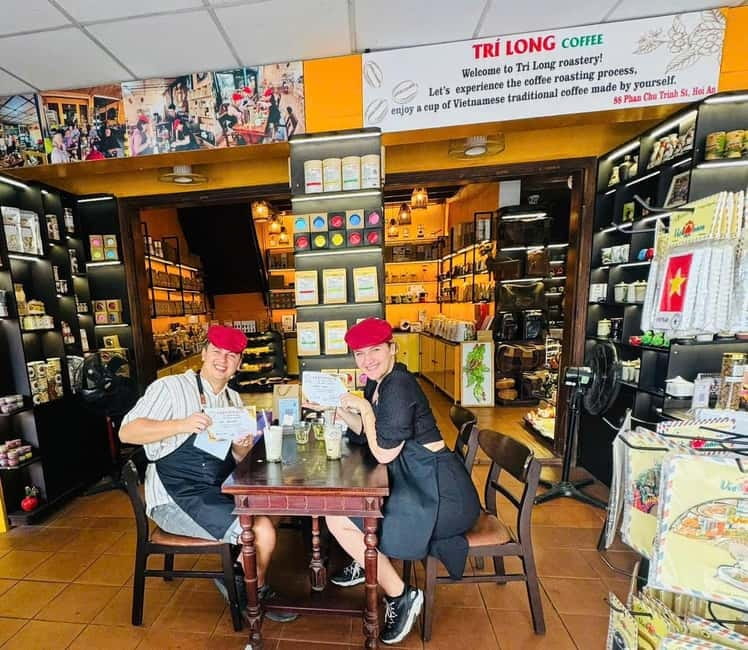
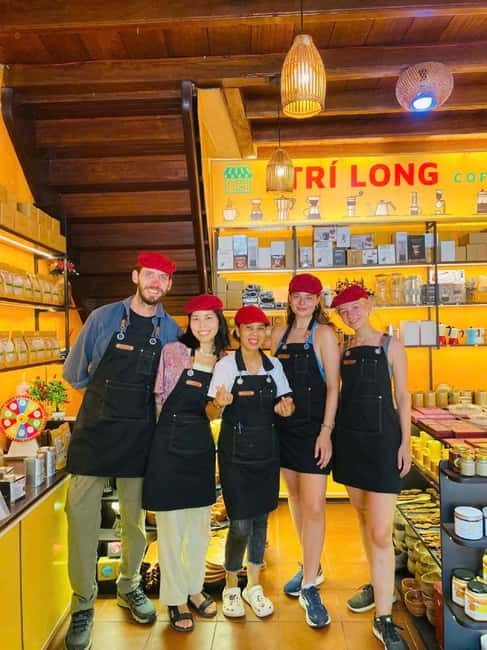
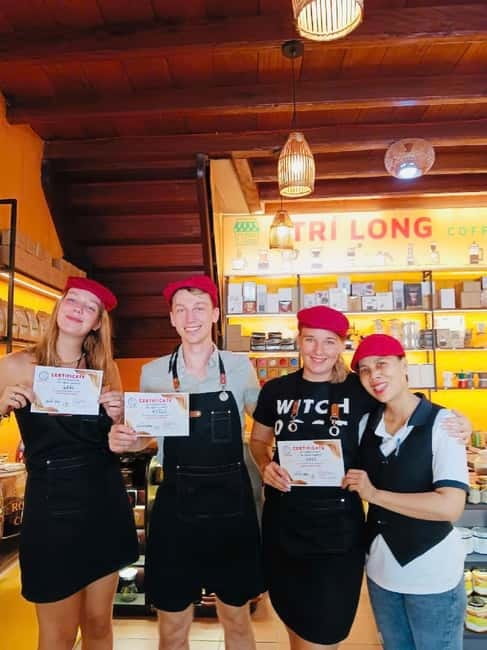
It runs with an English-speaking instructor and a small group limited to 10 people, so you can ask questions without feeling lost in the back. You meet at Trí Long coffee, 88 Phan Chau Trinh street in Hoi An, and you’ll spot the guide outside the shop wearing a red hat. You’ll leave with at least one cup you made yourself, plus plenty of ideas for what to order after you’re done.
Key highlights to know before you go
- You choose your coffee style, like egg coffee, Vietnamese Phin filter coffee, coconut coffee, or salt coffee
- You start with a roasting demonstration, including how different roast levels affect taste
- You learn the Phin filter method, the slow-dripping way that creates a bold, robust cup
- Egg coffee is made with egg yolks, condensed milk, and sugar, whipped into a creamy texture
- Salt coffee uses a pinch of salt to reduce bitterness and sharpen natural flavors
- If your last coffee is too much, ask about a substitute drink, like chocolate, if they offer it that day
A hands-on Hoi An coffee class that focuses on making, not watching
This is the kind of activity that works even if you’re not a coffee nerd. You’re not just tasting and nodding. You’re learning how Vietnamese coffee gets its specific character, and then you’re helping produce it with your own hands.
The lesson is set up around real techniques: roasting basics, then brewing through a Phin filter, then building flavor through styles like egg coffee, coconut coffee, and salt coffee. That mix matters because Vietnamese coffee isn’t one single flavor. It’s a whole set of methods that lead to very different cups.
I also like that the class is structured so you can pick 2 or 3 sessions depending on what you want most. That gives you control, especially if you’re traveling on a tighter schedule or you’re trying not to overload on caffeine.
More Hoi An lantern evenings, food walks, village rides, island trips, and central Vietnam day tours to compare



Trí Long Coffee meeting point, small-group setup, and what you bring to the table
The meeting point is Trí Long coffee at 88 Phan Chau Trinh street in Hoi An. When you arrive, look for a guide standing outside the shop wearing a red hat. No hotel pickup is included, so plan to get there on your own.
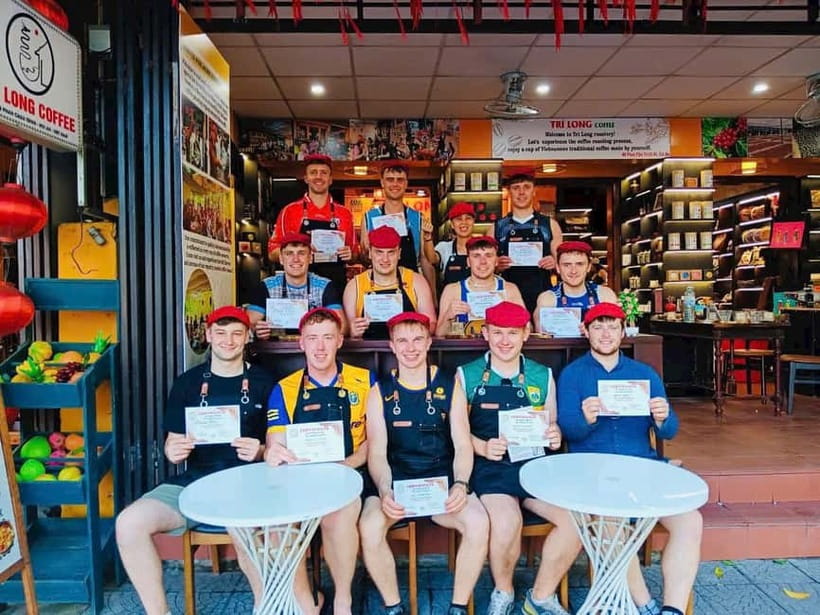
Once you’re in the group, the format stays practical. It’s capped at 10 participants, and the instructor is English-speaking. That small size is a big deal for a coffee class because you might want help with the exact steps, especially if you’ve never used a Phin filter before.
What you get is also clear and useful: you’ll have water, the ingredients and tools for the coffees, and you’ll make at least one cup yourself. Food isn’t included, so if you arrive hungry, I’d sort that out beforehand. The activity is about coffee, and coffee can be heavy on an empty stomach.
Roasted coffee demo: how roast levels change what you taste
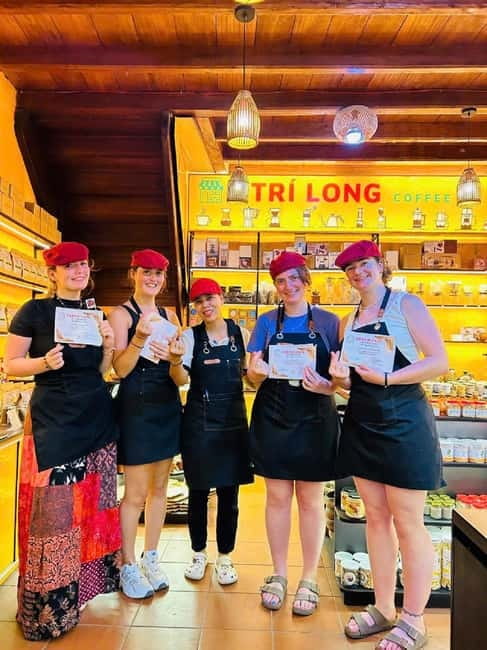
Before you start mixing and brewing, the class walks you through the journey from raw beans to the aromatic coffee you recognize. This roasted coffee demonstration is where you get the “why” behind the flavors, even if you’re brand new.
You’ll learn about the roasting process and different roast levels, and how those choices influence taste in your cup. The useful part here is not turning you into a roaster. It’s helping you taste with intention. When you later drink a cup you made, you’ll know what to pay attention to, like how roast level can shift flavor and how that connects to what you’re doing in the next steps.
Also, the class is using professionally roasted coffee beans, not a random bag of home-roasted coffee. That matters because your learning stays consistent. You’re training your palate on coffee that’s meant to deliver a specific flavor profile.
Vietnamese Phin filter coffee: the slow drip that makes the cup feel bold
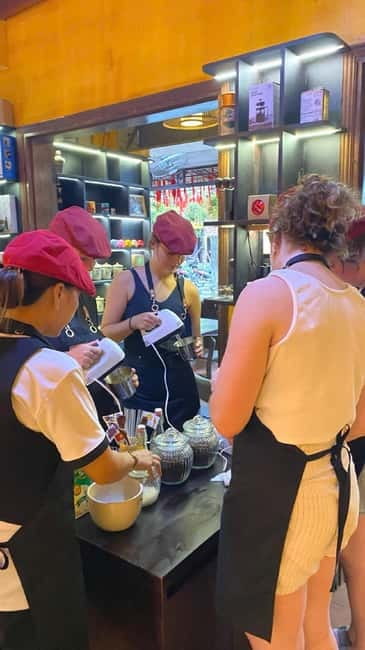
If you only pick one style to learn in this class, make it Vietnamese Phin filter coffee. This is the signature method, and the class shows you how it works rather than just describing it.
Here’s what you’re aiming for: slow-dripping coffee through the Phin filter. That process is part of the final personality of the cup, creating a brew that’s bold and robust. You also learn about the balance between bitterness and sweetness that makes this style so popular.
What I think you’ll enjoy is the pacing. The brew takes time, so you get a moment to smell, watch the drip, and actually notice how the coffee develops as it extracts. It’s a calm, hands-on step in a tour that otherwise moves quickly.
Practical tip: since the class can pack in multiple coffees, the Phin stage is a good time to slow down. If you want to compare later, taste this one with attention first, then use your notes (even mental ones) when you move to egg coffee, coconut coffee, or salt coffee.
Egg coffee in Ha Noi style: creamy, sweet, and built with whipped texture
Egg coffee is one of those foods you either love immediately or you approach cautiously. In class, you get a front-row view of what makes it work.
You watch skilled baristas prepare the drink, then you learn the components that create its texture: coffee combined with egg yolks, condensed milk, and sugar. The mixture is whipped until it turns creamy and smooth, which is the key difference from normal black coffee brewing.
This matters for your expectations. If you think you’re just ordering dessert coffee, you’ll be right. If you think it’s just a gimmick, you’ll probably be surprised by how the egg and condensed milk turn bitterness into something more rounded. The class format helps, because you can feel the change as you build the drink.
One more practical point: egg coffee tends to feel richer and heavier than a simple Phin cup, especially if you’re doing 2 or 3 coffees back-to-back. If you’re caffeine-sensitive, you might consider choosing egg coffee as one of your fewer picks, not all three.
More Hoi An lantern evenings, food walks, village rides, island trips, and central Vietnam day tours to compare

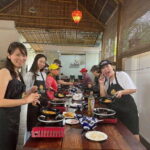

Coconut coffee: tropical sweetness meets the coffee base
Coconut coffee is the option if you want something a bit lighter in mood while still keeping the coffee identity. In the class, you learn how to infuse coconut flavor into your coffee so you get nutty sweetness and an aromatic finish.
What’s great about learning coconut coffee here is that it’s not random flavoring. The class frames it as a technique for adding coconut character in a way that still works with coffee, rather than drowning it out.
If you’re traveling in Vietnam when it’s hot, coconut coffee can feel like a smart palate break. It’s also a useful option if your first cup tastes too strong, because coconut sweetness can change the way bitterness reads.
Hue imperial salt coffee: a pinch that changes the bitterness level
Salt coffee sounds strange until you taste it with context. In class, you learn the idea directly: adding a pinch of salt can enhance the coffee’s natural flavors and reduce bitterness.
You also get the angle that there’s some science behind the pairing, not just a folk remedy. The practical value for you is that salt is a real tool in flavor control. After this lesson, you’ll probably start noticing when a tiny adjustment improves balance in other Vietnamese foods too.
The key way to approach this one is to pay attention to comparison. If you can, taste your earlier coffee style first, then taste the salt coffee after, even if you have to do it in small sips. The difference should make sense in your head as well as your mouth.
Also, salt coffee is a fun choice if you’re the type who likes food challenges. It’s not just making a drink, it’s learning a twist and applying it on the spot.
Picking 2 or 3 sessions: how the class timing affects your coffee load
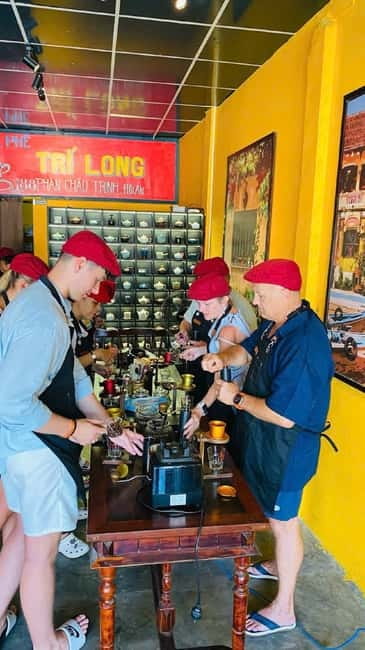
The class runs 1 to 90 minutes, and you can choose the type of coffee you want to make. You can select 2 or 3 sessions to experience different flavors and roasting techniques.
That flexibility is good, but it also explains why some people find it intense. If you make multiple coffees quickly, you’re stacking richness and caffeine in a short window. One helpful reality check: if you end up ordering or choosing more than you expected, you may still be offered a substitute if you ask, like switching the last coffee to a chocolate drink.
So I’d plan your order choices with your body in mind. If you’re most curious about variety, pick 2 or 3. If you’re more interested in technique, you can often get enough value from focusing on Phin filter plus one specialty.
Either way, expect the class to move at a steady pace. It’s not a slow tasting tour. It’s a working session where you’ll be involved.
Price and value: why $16 feels fair for this hands-on format
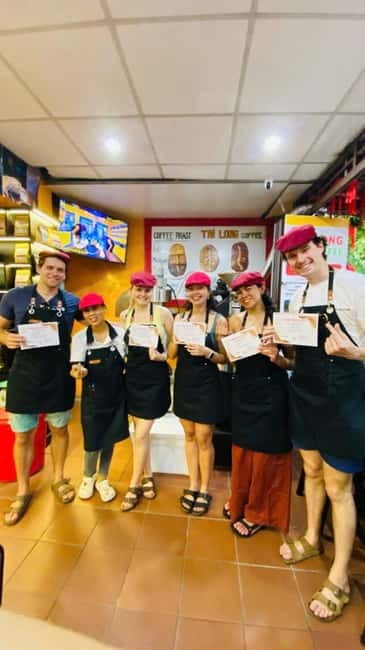
At $16 per person, this class is priced like a focused workshop rather than a long guided tour. And for the money, you’re getting several things working together:
- You learn roasting basics and how roast levels can affect flavor.
- You get instruction in the Phin filter technique, plus chances to make classic Vietnamese styles.
- You receive ingredients and tools, water, and an English-speaking instructor.
- You leave with a cup you made yourself, not just a sample sip.
The biggest value comes from the fact that it’s small group focused. In bigger settings, you’d spend more time waiting and less time getting feedback. Here, it’s limited to 10 participants, which helps you get the “do it right” support you need.
What you should budget separately: hotel pickup or drop-off is not included, and food isn’t included either. If you’re using this as your rainy-day activity, you’ll still want to eat before or after. That’s the only cost surprise I’d watch for.
Who should book this Vietnamese coffee making class, and who might skip it
Book this if you want an authentic Hoi An food experience that’s interactive. It’s especially strong for people who like learning by doing, not just reading or watching. If you’re someone who’s curious about why Vietnamese coffee tastes the way it does, you’ll get more out of it than you might expect.
It also fits well for couples and solo travelers because the group size stays small and the instructor is English-speaking. If you’re traveling with a wheelchair and need accessibility support, this class is wheelchair accessible.
You might consider skipping or scaling back if you know you don’t tolerate caffeine well. The class is short, and the structure can include multiple coffee styles. The drinks are designed to be bold and rich, so choosing fewer sessions could make it more comfortable.
Should you book this Vietnamese coffee making class in Hoi An?
Yes, if you want a practical Vietnamese coffee experience where you learn the techniques and then make the drinks yourself. It’s a good value at $16 because you get instruction plus ingredients, tools, and a cup you help create.
Before you book, decide what you want most: technique or variety. If you’re serious about learning, pairing Phin filter coffee with one specialty style is a smart plan. If you’re chasing fun flavors, coconut coffee and salt coffee are great choices, with egg coffee as the richest option.
And if you tend to get overwhelmed by sweet or strong drinks, keep an eye on how many coffees you choose. One thoughtful move is to plan for a gentler last option, and if you need it, ask whether a substitute like chocolate can work instead.
FAQ
Where is the meeting point for the Vietnamese coffee making class?
You’ll meet at Trí Long coffee, address 88 Phan Chau Trinh street, Hoi An. Look for a guide standing outside the coffee shop wearing a red hat.
How long is the class?
The duration is 1 to 90 minutes, depending on the session choices.
Can I choose which coffee types I want to make?
Yes. You can choose the type of coffee you want to make, such as egg coffee, Vietnamese Phin filter coffee, coconut coffee, or salt coffee.
Is there an English-speaking instructor?
Yes, the instructor is English speaking.
How many people are in the group?
The group is small, limited to 10 participants.
Is hotel pickup or drop-off included?
No. Hotel pickup and drop-off are not included.
What is included in the price?
A cup of coffee made by yourself, the coffee making course, water, an English-speaking instructor, and ingredients and tools are included.
What is not included?
Food and other expenses not mentioned are not included.
Is the experience wheelchair accessible?
Yes, it is listed as wheelchair accessible.
Is there free cancellation?
Free cancellation is available up to 24 hours in advance for a full refund.
Can I reserve and pay later?
Yes, you can reserve now and pay later, with the option to keep your travel plans flexible.
More Workshops & Classes in Hoi An
More Coffee Experiences in Hoi An


More Tour Reviews in Hoi An


Not for you? Here's more nearby things to do in Hoi An we have reviewed








Coffee Experiences, compared.
 ★ 4.9Vietnamese Coffee Culture and Coffee Making ClassFrom $144,006 reviews
 ★ 5.0Early Morning My Son Sanctuary Trip w. Champa Food & CoffeeFrom $21629 reviews
 ★ 5.0Vietnamese Culture and Coffee Making ClassFrom $15497 reviews
 ★ 5.0Da Nang Cooking Class with Coffee Tasting and Market VisitFrom $45310 reviews
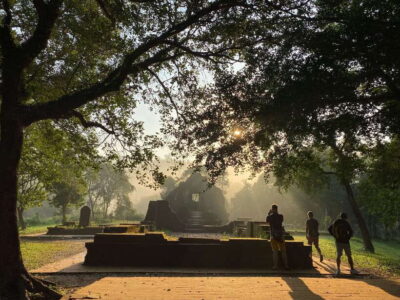 ★ 4.7My Son Early Morning with Banh My and Coffee 6 amFrom $18205 reviews
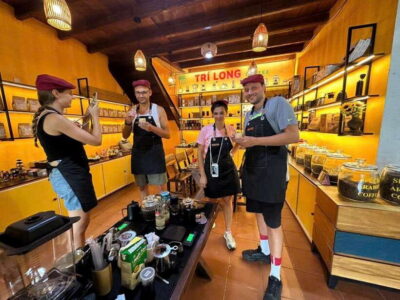 ★ 4.8Vietnamese Coffee Making Workshop at Local RoasteryFrom $16174 reviews
 ★ 5.0Lantern and Coffee Making ClassFrom $24154 reviews
 ★ 5.0My Son Sanctuary Early Morning Tour 6 am w Banh my and CoffeeFrom $21142 reviews
Browse the lists this tour appears in