
REVIEW · COFFEE EXPERIENCES
Hoi An: Vietnamese Coffee Making Course
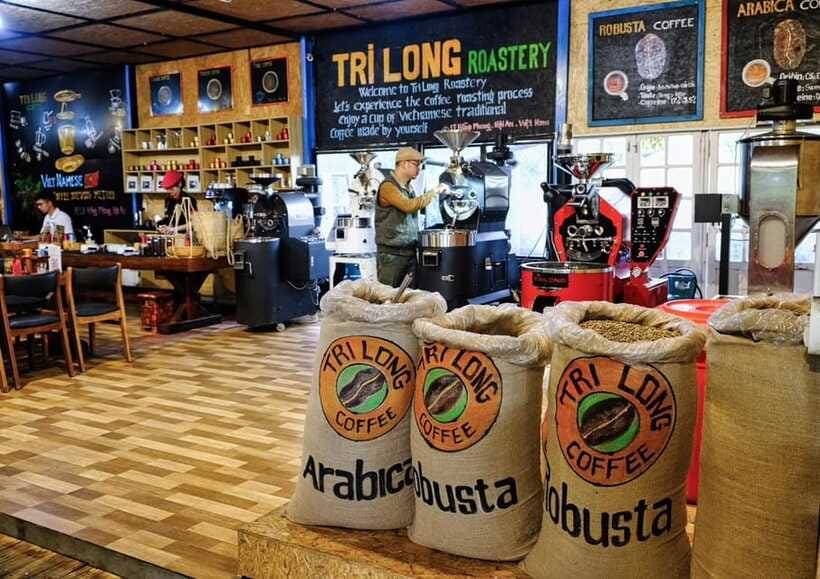
Coffee class in Hoi An, no guesswork. In this 90-minute Hoi An Vietnamese coffee making course, you get hands-on time with the Phin filter coffee method and also learn how coffee roasts change the flavor. I like that it is practical, not just talk. One drawback to plan around, there is no hotel pickup, so you’ll need to make your own way to Tri Long coffee in the city.
You can choose from 2, 3, or 4 sessions, including a roasted-coffee demonstration plus specialty drinks like egg coffee, coconut coffee, or salt coffee. If you care about the why behind the taste, this format helps you connect roasting, brewing, and flavor in a way you can actually repeat later.
Key Things That Make This Hoi An Coffee Class Worth Your Time
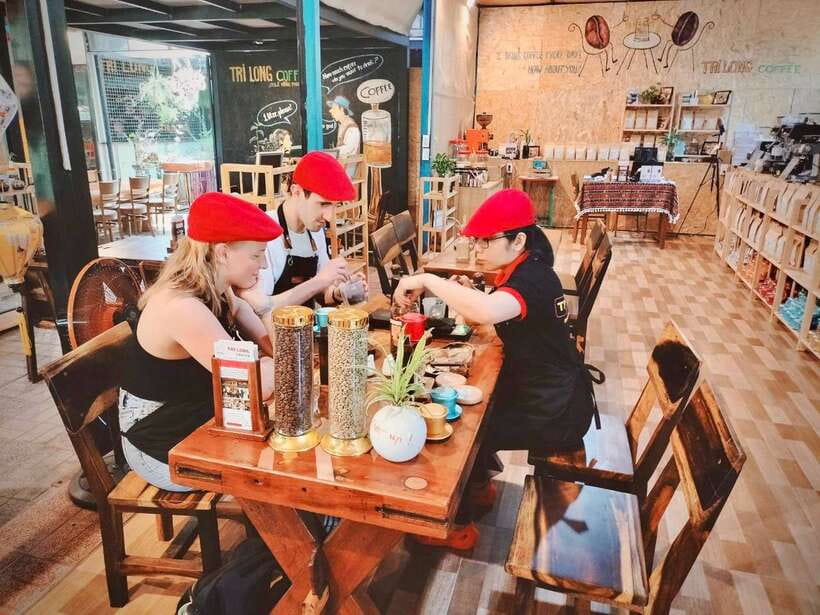
- Hands-on Phin filter coffee: you watch the drip, then make the cup
- Roast levels explained: you learn how roast changes bitterness and sweetness
- Pick your specialty: egg coffee, coconut coffee, or salt coffee
- You leave with a working recipe: recipes are provided at the end
- English-speaking instructor: easy to follow even if you are new to Vietnamese coffee
- Good value for the time: $22 for ingredients, tools, and a finished cup you made yourself
Where You Meet, How Long It Takes, and Why That Matters
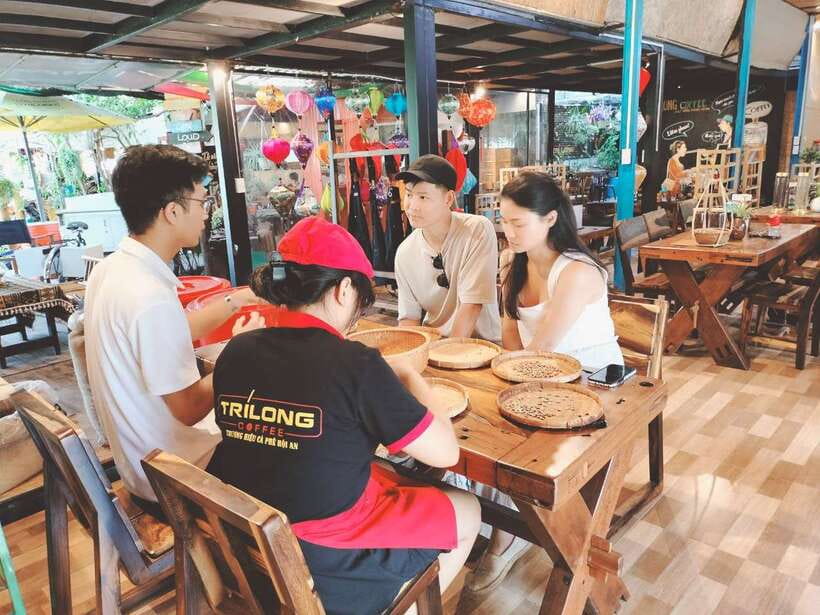
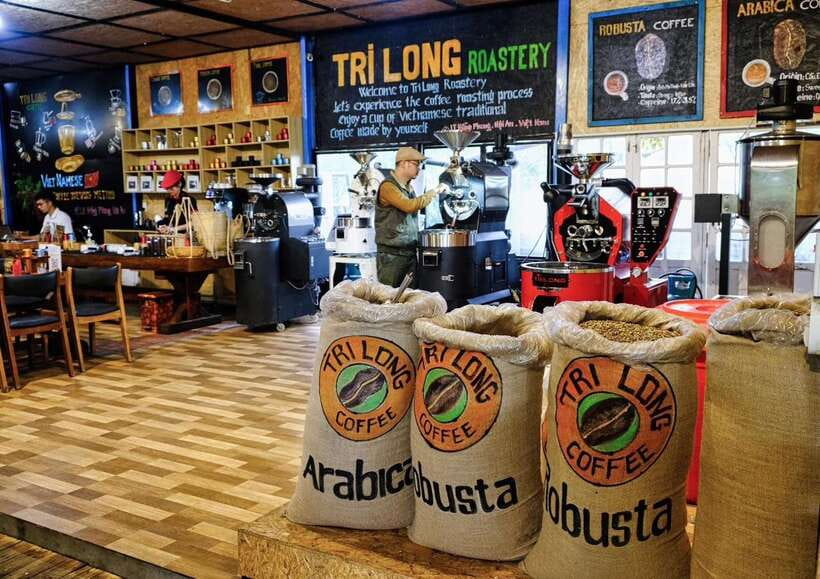
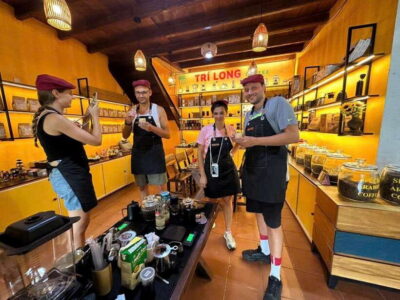
This class meets at Tri Long coffee in Hoi An city. The instructor welcomes you there, so you skip the usual waiting around for pickup and head straight into the coffee part.
You’re looking at 90 minutes, which is long enough to do real brewing steps, not just sample two sips and call it education. It also means the class fits well between sightseeing blocks. If your day is already tight, that time box matters.
No hotel pickup is the one logistics snag. If you are staying outside the central area, you’ll want to plan a quick local ride or walk to Tri Long coffee so you start on time.
More Hoi An lantern evenings, food walks, village rides, island trips, and central Vietnam day tours to compare


What Sessions You Can Choose (Roasting, Phin, and Specialties)
The way this course is set up, you choose how many sessions you want. You can select 2, 3, or 4 different sessions, so you can tailor it to your coffee curiosity level and your energy for the day.
From the course description, the lineup includes:
- A roasted-coffee demonstration that explains roast levels and how they affect what you taste
- Vietnamese Phin filter coffee brewing, focused on the slow-drip style
- Specialty coffee making such as egg coffee, coconut coffee, or salt coffee
Here’s the key practical point for you: if you only choose one specialty, you still get the core Vietnam coffee skills. If you choose more sessions, you get more contrast, like how a creamy egg coffee base tastes compared with a coconut-infused cup or the flavor shift you get from salt.
Roasted Coffee Demonstration: Understanding the Flavor Before You Brew
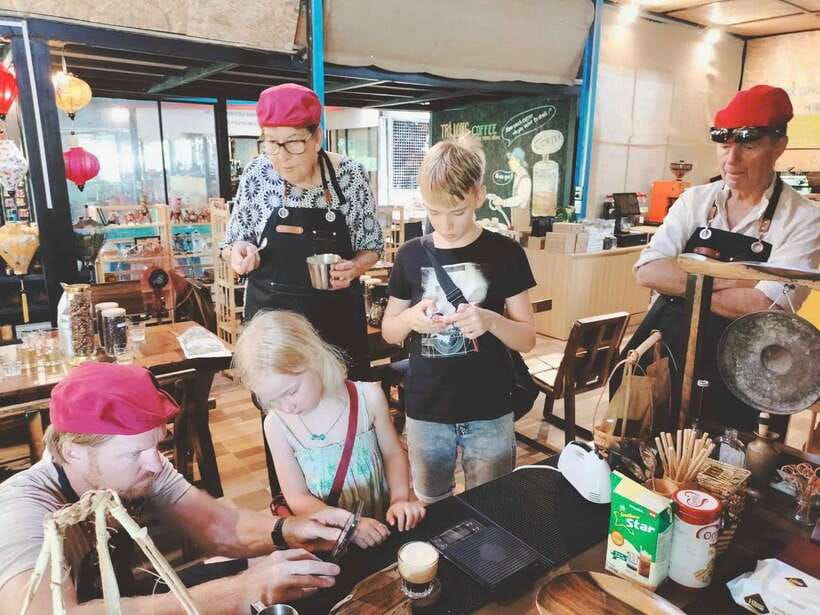
Most coffee courses jump straight to the drink. This one starts earlier, with a roasted-coffee demonstration.
You’ll follow the journey of beans from raw state into aromatic coffee, and you’ll learn how different roast levels influence the cup. That matters because many Vietnamese coffee styles lean into bold flavor, and roast choice is part of why the brew can taste both strong and balanced.
You’ll also be able to connect a common question you probably have before a coffee class in Vietnam: Why does coffee taste different from place to place? Roast level is one answer you can actually hold onto, not just vague trivia.
If you are new, this section keeps things simple: roast changes flavor. If you are already a coffee fan, you’ll likely appreciate that the lesson ties directly to what you drink next.
The Vietnamese Phin Filter Class: The Slow Drip You Can Taste
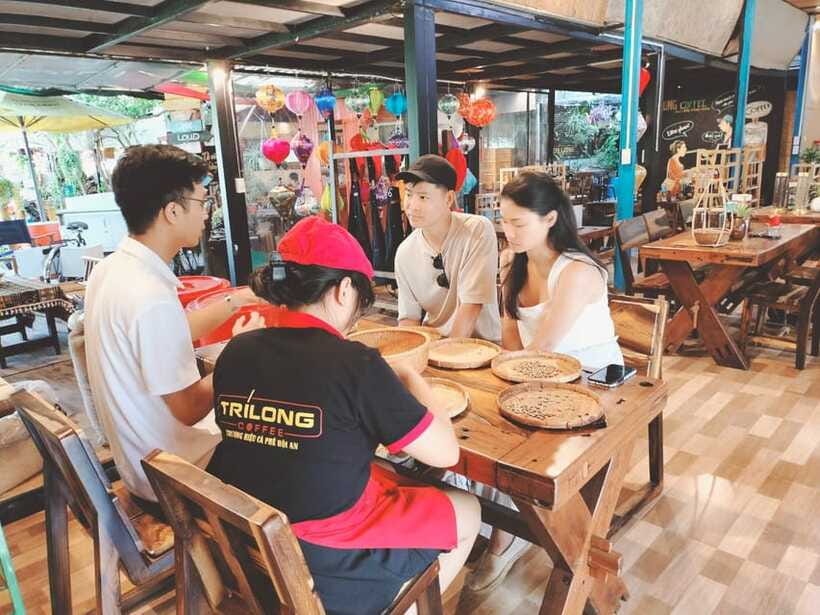
The heart of the experience is the Vietnamese Phin filter coffee making class. The Phin is a small metal filter set-up that drips slowly into your cup, and the course shows you the art of that process.
Why you should care: slow brewing and concentrated flavor go together. Instead of relying on speed, this style emphasizes extraction. That means you can taste the balance between bitterness and sweetness that Vietnamese Phin coffee is known for.
In practical terms, this is also the session that makes the class feel real. You’re not just watching, you’re participating in the brewing steps and ending with a cup you made yourself.
One more small advantage: the Phin filter technique is something you can reproduce later at home if you can source a Phin filter. Even if you never become a coffee nerd, it’s a souvenir skill.
Egg Coffee: The Creamy Signature You Either Love or Now Get
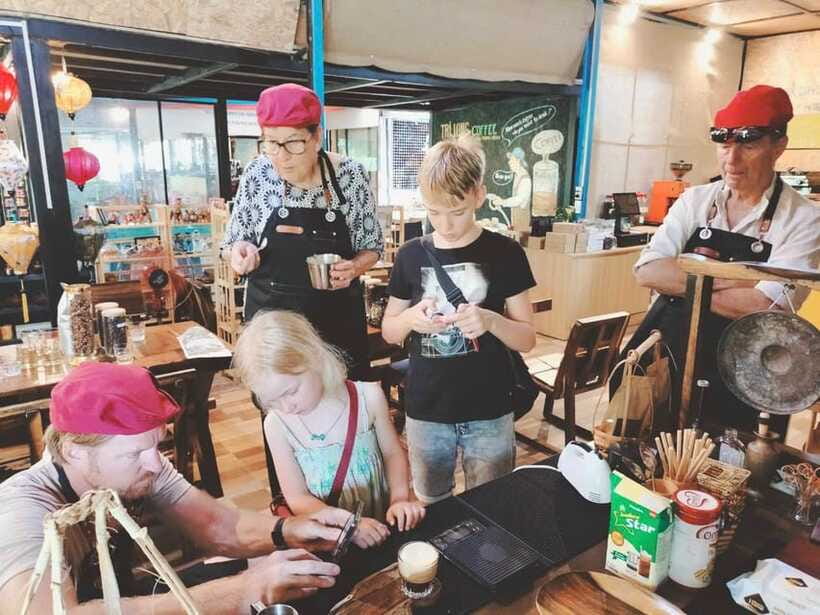
Egg coffee is one of Vietnam’s best-known specialty drinks, and the course includes a session for making it.
You’ll see how egg yolks are whipped together with condensed milk and sugar, then combined with coffee. The result is a creamy, velvety texture that feels richer than standard iced coffee and less bitter than you might expect from strong coffee beans.
What I like about including egg coffee here is that it changes the flavor conversation. Instead of just learning how to extract coffee, you learn how Vietnamese style balances strength with sweetness and body. It is a reminder that coffee is not only about bitterness.
If you tend to drink sweeter coffees, egg coffee is often the easiest specialty to enjoy right away. If you usually prefer black coffee, it can still be a fun contrast, but you’ll likely notice how much condensed milk reshapes the cup.



Coconut Coffee: Tropical Flavor With a Real Brewing Lesson Behind It
Coconut coffee brings a different kind of fun. You’ll learn how coconut flavor is infused into coffee, adding nutty sweetness and aroma.
Coconut coffee is a great choice if you want something that tastes lighter and more summery than egg coffee, while still staying in the Vietnamese specialty lane. It also tends to feel like a bridge between coffee and dessert flavors, which makes it a popular pick if you are traveling with non-coffee drinkers too.
From a value standpoint, this session is smart because it teaches you flavor pairing. You are not only learning one technique, you’re learning how ingredients change the taste profile of a strong coffee base.
Salt Coffee: The Strange One That Often Becomes Your Favorite
Salt coffee sounds weird until you taste it, and this course includes it as an option.
You’ll learn how a pinch of salt enhances coffee’s natural flavors and can reduce bitterness. The idea is not to make your drink salty like food. It is more like adjusting what your tongue reads in the cup, so the bitterness becomes less harsh and the sweetness feels clearer.
Why it is worth trying in a structured class: salt is easy to overdo at home, and the course gives you the method and the context while you’re making it. Plus, you get to taste the difference right away rather than trusting a claim.
If you like experiments, salt coffee is the session that gives you a story you can actually explain later.
English-Speaking Instructor and Small-Group Friendly Time
The class includes an English-speaking instructor, and that matters more than it sounds. Vietnamese coffee can be simple on paper, but the steps and the tiny adjustments are where questions live. Having clear explanations in English helps you avoid guesswork.
The experience also feels built for time. Reviews point out that there’s enough time to prepare and enjoy what you make, and that hands-on approach is a big reason people give it such high scores. At a $22 price point, you want real participation, not a rushed sampling.
If you are a solo traveler, this is also a nice option because you aren’t stuck in a big group where you feel invisible.
Ingredients, Tools, and What You Actually Take Home
Included in the course:
- A cup of coffee made by yourself
- Coffee making course
- Water
- English-speaking instructor
- Ingredients and tools
One thing I really like, based on the class feedback: recipes are provided at the end. That means you can recreate your favorite style after the trip. It turns the class from a one-time experience into something you can use when you’re back home and bored on a rainy day.
Also, because the course gives you a finished cup you made, you avoid the common disappointment of doing something educational but not leaving fully satisfied.
Price and Value: Is $22 Fair for 90 Minutes?
At $22 per person for a 90-minute class, this sits in a sensible range for what you get: an English instructor, ingredients, tools, and a drink you make yourself.
The best part is the “value per moment” factor. You are spending time actually brewing, roasting is explained, and you are not just paying for a beverage. If you choose 3 or 4 sessions, the value increases because you get more contrast between styles like Phin coffee, egg coffee, coconut coffee, and salt coffee.
If you only want one drink, you might feel less “wow” than someone who selects multiple sessions. But even then, the Phin filter experience alone gives you a technique that’s useful later.
Practical Tips Before You Go
A few common-sense pointers to help you enjoy the class without stress:
- Decide which specialty coffee you want first (egg, coconut, or salt). That makes it easier to choose 2, 3, or 4 sessions.
- If you like trying new flavors, pick at least two styles. Taste comparisons are half the fun.
- Arrive ready to participate. This is a hands-on brewing and mixing experience.
If you want to buy coffee beans, the class experience is set up so you get that option, and some people also appreciate the chance to bring coffee home after learning what makes it taste the way it does.
Who This Tour Fits Best
This coffee making course is a great match if you:
- Want a short, focused activity in central Hoi An
- Like food or drink experiences where you learn the method, not just the final product
- Prefer an English-speaking class
- Are traveling solo and want a structured activity that does not feel awkward
It may be less ideal if you:
- Only want to drink one coffee and do not care about roast or brewing methods
- Need hotel pickup and rely on door-to-door logistics
In other words, if you like hands-on learning, you’ll likely feel like your time was well spent.
Should You Book This Hoi An Vietnamese Coffee Making Course?
I’d book it if your goal is to walk away with real coffee skills, not just a souvenir cup. The Phin filter focus plus a roasted-coffee lesson creates a clear chain from bean to brew to flavor. Add in the option to make egg coffee, coconut coffee, or salt coffee, and you get enough variety to make the class feel special.
Skip it only if you dislike interactive food and drink activities, or if getting to Tri Long coffee downtown is a hassle you cannot solve.
If you want one memorable coffee experience in Hoi An that is practical, tasty, and easy to fit into a day, this one is a strong choice.
FAQ
Where is the meeting point?
You meet at Tri Long coffee in Hoi An city. The instructor welcomes you there.
How long is the Hoi An Vietnamese coffee making course?
The course lasts 90 minutes.
What coffee types can I choose to make?
You can choose the type of coffee you want to make, including egg coffee, Vietnamese Phin filter coffee, coconut coffee, or salt coffee.
Is the class taught in English?
Yes, the instructor is English-speaking.
What is included in the price?
The price includes a cup of coffee you make yourself, the coffee making course, water, an English-speaking instructor, and ingredients and tools.
Is hotel pickup included?
No. Hotel pickup and drop-off are not included.
Is there free cancellation?
Yes, you can cancel up to 24 hours in advance for a full refund.
More Coffee Experiences in Hoi An


More Tour Reviews in Hoi An
Not for you? Here's more nearby things to do in Hoi An we have reviewed








Coffee Experiences, compared.
 ★ 4.9Vietnamese Coffee Culture and Coffee Making ClassFrom $144,006 reviews
 ★ 5.0Early Morning My Son Sanctuary Trip w. Champa Food & CoffeeFrom $21629 reviews
 ★ 5.0Vietnamese Culture and Coffee Making ClassFrom $15497 reviews
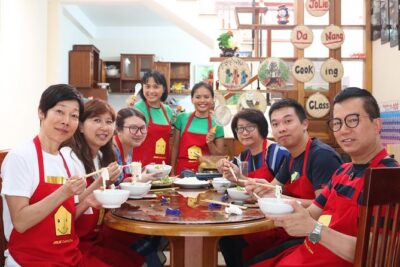 ★ 5.0Da Nang Cooking Class with Coffee Tasting and Market VisitFrom $45310 reviews
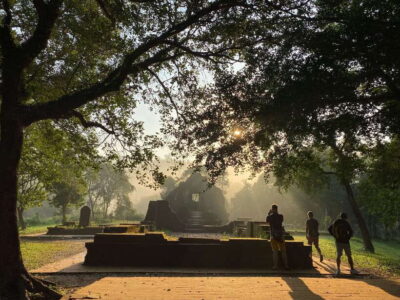 ★ 4.7My Son Early Morning with Banh My and Coffee 6 amFrom $18205 reviews
 ★ 4.8Vietnamese Coffee Making Workshop at Local RoasteryFrom $16174 reviews
 ★ 5.0Lantern and Coffee Making ClassFrom $24154 reviews
 ★ 5.0My Son Sanctuary Early Morning Tour 6 am w Banh my and CoffeeFrom $21142 reviews
Browse the lists this tour appears in