
REVIEW · COFFEE EXPERIENCES
Hoi An: Hands-on Vietnamese Coffee Making Class with Long
Vietnamese coffee turns hands-on fast, and this Hoi An class at Tri Long Coffee shop at 88 Phan Chau Trinh helps you understand small-batch roasted beans and how the drink moves from crop to cup with your guide Long. I love the hands-on pace, where you actually make and taste traditional styles like Vietnamese phin filter coffee, egg coffee, salt coffee, and coconut coffee. I also love the take-home recipe cards, so the class does not vanish after the final sip. One consideration: it is not set up for people with mobility impairments or wheelchair users.
Plan for about an hour, in English, inside a local roastery that feels small and relaxed. You’ll hear stories about Vietnamese coffee culture and why certain cafés became famous, then end with your own coffee while music plays in the background.
Key things to know before you go
- Tri Long meeting point, right in central Hoi An: 88 Phan Chau Trinh, so it’s easy to pair with your day in town.
- Small-batch roasting, not instant coffee lore: you get shown the beans and how they are roasted.
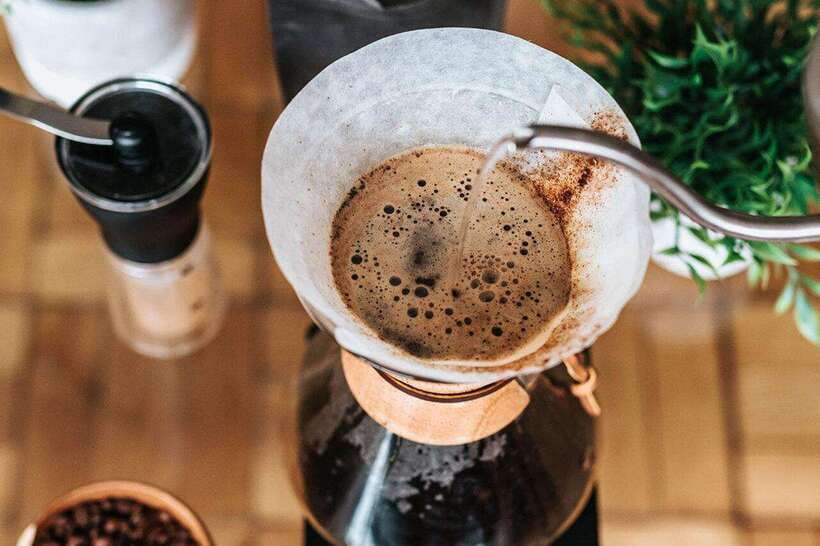
- Pick your traditional styles: phin filter, egg, salt, or coconut coffee, then learn to make them.
- You leave with recipes: take-home cards make it easier to repeat at home.
- Often feels intimate: if the schedule is light, you may end up in a smaller or even private-style class.
- Not mobility-friendly: the experience is not designed for wheelchair users or mobility impairments.
Tri Long Coffee shop meeting point, and what that means for your time

This class meets at Tri Long Coffee shop, 88 Phan Chau Trinh street in Hoi An. That location matters because you avoid a half-day detour. There is no hotel pickup, so you can build the rest of your day around it, rather than around a vehicle schedule.
Expect to arrive ready to stand, watch, and participate. The format is hands-on, with equipment and ingredients provided, so you don’t need to track down tools or supplies on your own. Also, the session runs for about one hour, so you’ll want to give yourself a little cushion for walking in and getting settled.
More Hoi An lantern evenings, food walks, village rides, island trips, and central Vietnam day tours to compare



The roastery walk-through: small-batch beans and crop-to-cup basics
The heart of the experience is the local roastery component. You start by settling in at the shop, then your coffee specialist (guided in English) explains how Vietnamese coffee connects to growing regions and how roasting is handled in small batches.
You’ll also get the crop-to-cup overview, which is where the class becomes more than just recipes. The goal is to help you understand what changes when the beans are processed and roasted, and why Vietnamese coffee culture developed around certain brewing habits. In plain terms, it gives your future coffee at home a framework: you stop thinking of Vietnamese coffee as one fixed drink and start seeing it as a set of methods.
One thing I like is that this is not a lecture only. The education is tied to what you will actually make. That makes the time feel purposeful, not like you’re sitting through coffee trivia.
Coffee culture stories, and how they connect to everyday Vietnam
Vietnamese coffee is never just about the caffeine. This class includes stories behind popular Vietnamese cafés and how they relate to history and culture. The tone is easy, and the guide Long helps connect the dots between what you see, what you’re brewing, and why those drinks became favorites.
If you care about the “why” behind travel experiences, this part is a big win. You’re not only learning how to make coffee. You’re learning how coffee fits into Vietnamese daily life, especially in café culture where people spend time, chat, and linger.
Several people also note the guide’s friendliness and patience. That matters because you’re learning techniques you might not know, like how the phin method works in practice, or how other traditional styles come together.
Choosing your coffees: phin filter, egg, salt, or coconut
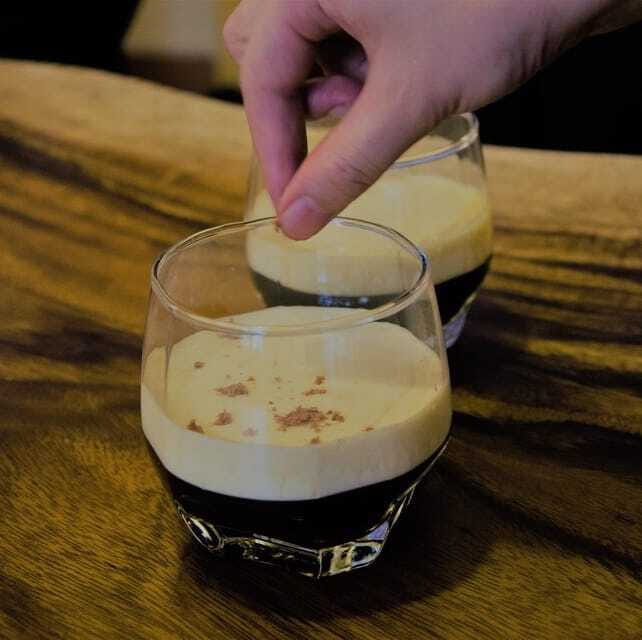
Before the hands-on part, you choose the coffee style or styles you want to make and taste. The class offers traditional options including:
- Vietnamese phin filter coffee
- Egg coffee
- Salt coffee
- Coconut coffee
This flexibility is practical. If one drink sounds more interesting than the others, you don’t have to take the “default” option. And if you like experimentation, you can pick multiple styles so you get a mini comparison session.
From what you’re told in the class structure, the equipment and ingredients are provided for what you choose. That means you can focus on technique rather than hunting down the right condiments or tools. You’ll also taste what you make, which is key for learning. Coffee-making is all about small adjustments, and tasting right away helps you understand what works.
The hands-on making part: techniques, equipment, and learning by doing
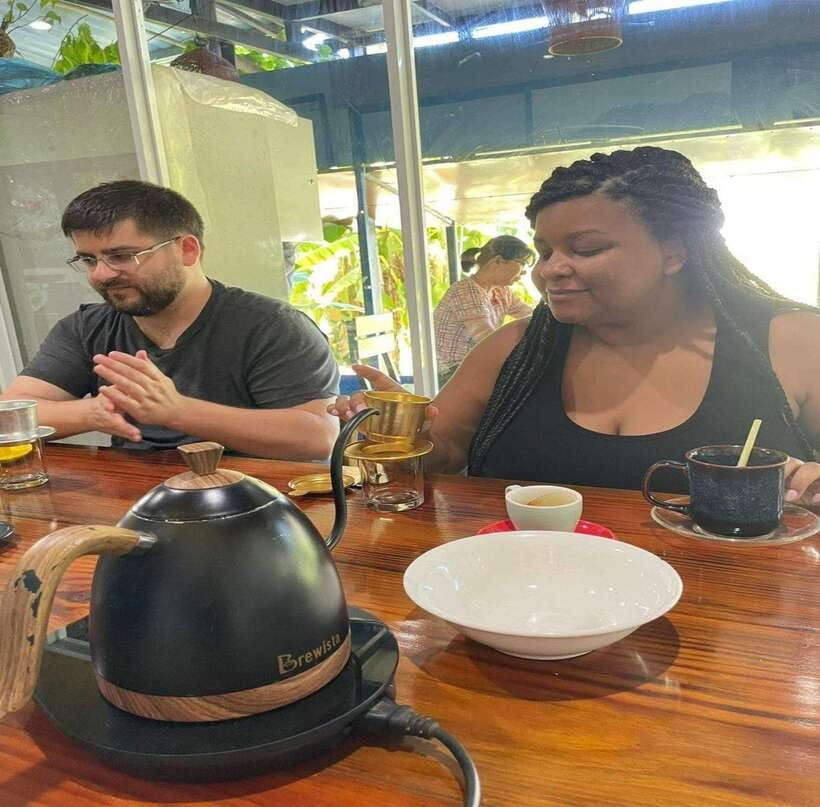
This is the section most people remember. You’ll get step-by-step help from the instructor as you build your coffee. You’re not just watching. You’re doing it, with all the ingredients and equipment already laid out for the session.
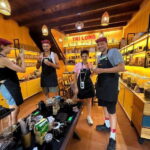
It can also feel surprisingly playful. One detail that comes up is that participants are given cute hats and aprons, which keeps the mood light even when the steps are new. That makes a difference when you’re trying to stay focused for an hour.
In a lot of coffee classes, the brewing part is treated like a quick demo. Here, the “how-to” is tied to your chosen styles. That’s why even people who think they already know Vietnamese coffee sometimes leave with a better sense of why each method tastes the way it does, even if you can’t fully replicate every variable at home right away.
Also, the pace includes time to relax. A few mentions highlight that there is breathing room to enjoy the drinks after making them, instead of a rushed “brew, sip, go.”
More Hoi An lantern evenings, food walks, village rides, island trips, and central Vietnam day tours to compare


Music, comfortable pacing, and the best part at the end

At the end of the class, you sip the coffee you made. That’s not just the payoff. It’s also your chance to compare styles side by side if you picked more than one.
The setting includes music and a comfortable atmosphere, so you’re not fighting through a crowded, noisy tourist stop. It’s more like stepping into a local roastery environment for a short, guided session.
One small tip: treat the final tasting like part of the lesson. Ask questions as you drink. If something tasted stronger, smoother, or more unusual than you expected, that’s the moment to ask what caused the difference.
Recipes you can use at home: why the take-home cards matter

A big reason this class earns strong feedback is the takeaway. You receive recipe cards for the coffees you make. Multiple people specifically call out how useful these cards are, and that they plan to make the coffees at home afterward.
That’s a real value add, because most short activities in Hoi An end with a good story and a photo. Here, you get a practical tool you can use when you’re back in your kitchen.
If you’re the type who likes repeating experiences after the trip, this is the kind of class where that actually works. The cards give you a reference for the steps and the ingredients you used, so you’re not relying on memory.
Price and value: is $15 for one hour actually fair?

At $15 per person for about one hour, this class is priced like an easy add-on, not a high-end specialty workshop. The value is in three places:
First, you are paying for access to a real local coffee roastery, plus guidance in English. That beats learning from a generic video when you want practical technique.
Second, you get hands-on making and tasting of traditional styles, with equipment and ingredients included.
Third, the take-home recipe cards extend the value beyond the session. If you make even one of the styles again at home, you’ve gotten a return on your time.
So yes, $15 is reasonable here. It becomes a smart purchase if you enjoy coffee and want more than a snack stop in Hoi An.
Logistics in real life: timing, booking mix-ups, and what to do about them
Since there’s no hotel pickup, you’ll want to make your own way to Tri Long Coffee shop. Arriving a bit early helps, especially if you need a minute to confirm the group and settle in.
There’s also one practical note to keep in mind. Some people have reported minor confusion when a booking is made through a third-party channel. The fix is simple: when you arrive, confirm your class details with the shop staff at Tri Long Coffee shop so you’re aligned on what you booked.
If you’re worried about this, you can also consider calling or asking at the shop directly once you have your booking confirmation. That kind of quick check saves time and stress.
Who this class is best for, and who should skip it
This class is a strong match if you want a hands-on food and drink experience in central Hoi An. It’s also ideal if you like learning culture through everyday habits, like how cafés became social spaces in Vietnam.
It’s especially good for:
- coffee lovers who want practical technique
- people who enjoy short, focused classes
- travelers who like take-home materials like recipes
- small groups, where you may get a more intimate setting
You should skip it if:
- you need wheelchair access or mobility support, because it is not suitable for wheelchair users or people with mobility impairments
- you hate standing and participating in a hands-on format for about an hour
Should you book this Hoi An Vietnamese coffee class?
If you want a quick, local-feeling activity that teaches real technique, I’d book it. The strongest reasons are the mix of roastery learning, actual hands-on coffee making, and the take-home recipe cards that let you repeat the experience later.
If you’re only looking to drink coffee and don’t care about technique or culture, you might feel the price is more than a café stop. But if you enjoy learning and comparing different traditional styles, this is a solid use of an hour in Hoi An, right at Tri Long Coffee shop on Phan Chau Trinh.
FAQ
Where is the meeting point for the coffee class?
The meeting point is Tri Long Coffee shop at 88 Phan Chau Trinh street, Hoi An.
How long does the class last?
The class duration is 1 hour.
What does the class cost?
The price is $15 per person.
Is hotel pickup included?
No. Hotel pickup and drop-off are not included.
What coffee styles can I choose to make?
You can choose traditional options such as Vietnamese phin filter coffee, egg coffee, salt coffee, or coconut coffee.
Is the class taught in English?
Yes, the live tour guide is English.
What is included in the price?
Included are all ingredients and equipment to make coffee, experience local coffee roastery, hands-on making and tasting of traditional coffee, and a coffee expert or specialist.
Are meals included?
No. Meals and other drinks are not included.
Is there any accessibility information?
This activity is not suitable for people with mobility impairments and wheelchair users.
What are the cancellation rules and how does pay later work?
Free cancellation is available up to 24 hours in advance for a full refund. You can also reserve now and pay later, meaning you can book your spot and pay nothing today.
More Workshops & Classes in Hoi An
More Coffee Experiences in Hoi An

More Tour Reviews in Hoi An


Not for you? Here's more nearby things to do in Hoi An we have reviewed








Coffee Experiences, compared.
 ★ 4.9Vietnamese Coffee Culture and Coffee Making ClassFrom $144,006 reviews
 ★ 5.0Early Morning My Son Sanctuary Trip w. Champa Food & CoffeeFrom $21629 reviews
 ★ 5.0Vietnamese Culture and Coffee Making ClassFrom $15497 reviews
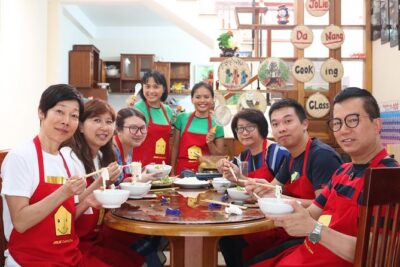 ★ 5.0Da Nang Cooking Class with Coffee Tasting and Market VisitFrom $45310 reviews
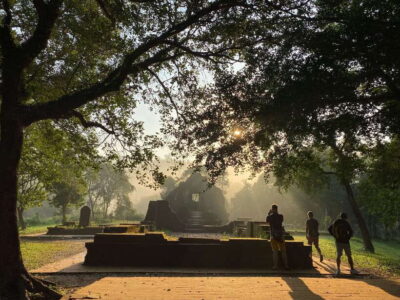 ★ 4.7My Son Early Morning with Banh My and Coffee 6 amFrom $18205 reviews
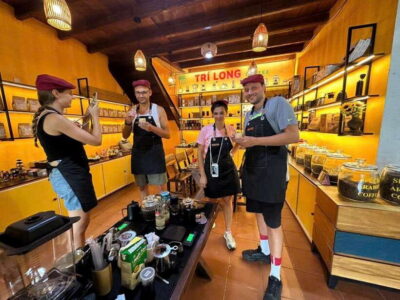 ★ 4.8Vietnamese Coffee Making Workshop at Local RoasteryFrom $16174 reviews
 ★ 5.0Lantern and Coffee Making ClassFrom $24154 reviews
 ★ 5.0My Son Sanctuary Early Morning Tour 6 am w Banh my and CoffeeFrom $21142 reviews
Browse the lists this tour appears in