
REVIEW · MARKETS
Experience Locals Market &Cooking Class With Master Chef Hoi An
Rick Steves style review
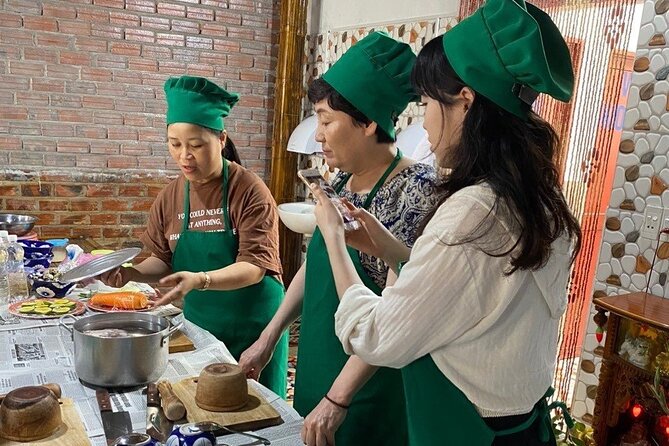
Cooking in a real home changes your day. This Hoi An class takes you out to the rural village of Cam Thanh, where you cook Vietnamese food with a local family setting, not a showroom kitchen. I especially like the market stop first, because it turns ingredients into something you recognize, not just items on a menu.
Two things I really like: the practical, step-by-step instruction from a local English-speaking chef, and the chance to eat what you make right after cooking. One consideration: this experience requires good weather, so if conditions are poor, plans can shift or you may be offered another date.
Key Highlights You Should Know
- Cam Thanh cooking setting, away from the city rush and into a village home environment
- Local market time to learn what to buy and how vendors talk through the process
- Small group size with a maximum of 10 people, so you get real attention while cooking
- Chef-led instruction that works for beginners and people with some cooking experience
- 4-dish meal you cook and then eat, plus a recipe for you to take home
- Hands-on Vietnamese flavor basics, from sauces to crunch and balancing sweet, sour, and salty
You can also read our reviews of more shopping tours in Hoi An
From Hoi An To Cam Thanh: Why This Class Feels Local
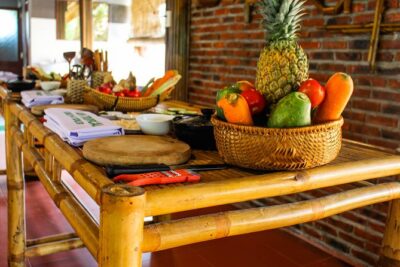
Hoi An has plenty of tours that promise authentic food, but this one is built around a simpler idea: get you into the rhythm of everyday Vietnamese cooking. You start in Hoi An and head out to Cam Thanh, on the outskirts, where rural life sets the tone. Instead of jumping straight to a stove, you begin with ingredients and context.
The value here is that you’re not just learning recipes, you’re learning decisions. In a home setting, cooking is about what you can find, how fresh it looks, and how each ingredient behaves in a wok, pan, or pot. That’s the stuff that makes your own kitchen results better later.
Also, it runs for about 4 hours, which is a comfortable length. Long enough to shop, cook, and eat without rushing, but short enough that you’re not committing your entire day.
The Market First: Shopping Like You Mean It
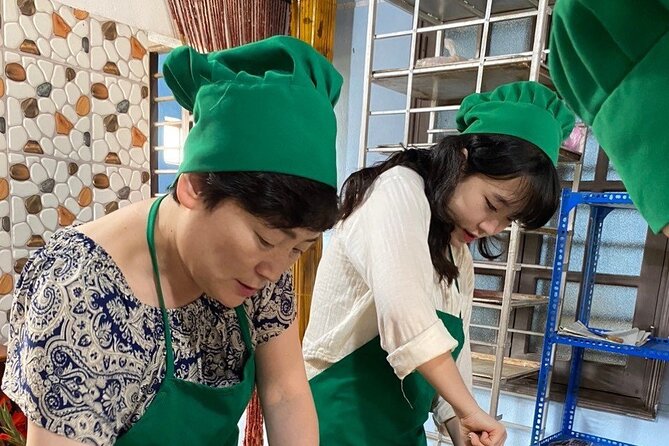
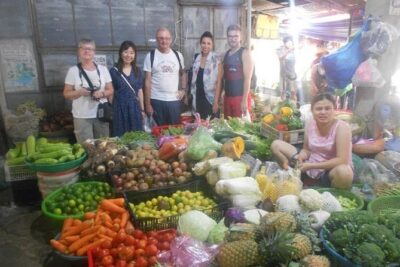
You’ll be picked up from your hotel by car or scooter, then taken to a local market. This is not just a photo stop. The goal is to learn how to deal with sellers and how to select ingredients for your class dishes.
Even if you’re not big on markets, this is usually the part that gives you a deeper payback. Once you’ve seen and handled the ingredients, cooking feels less mysterious. You’ll also get a clearer sense of how Vietnamese cooks think about flavor and texture before anything hits the heat.
There’s an optional market exploration element tied to the pickup and ingredient shopping. Practically speaking, it means you get a smoother path from buying to cooking, which helps if you’re traveling on a tight schedule.
Inside the Home Kitchen: How the Class Works
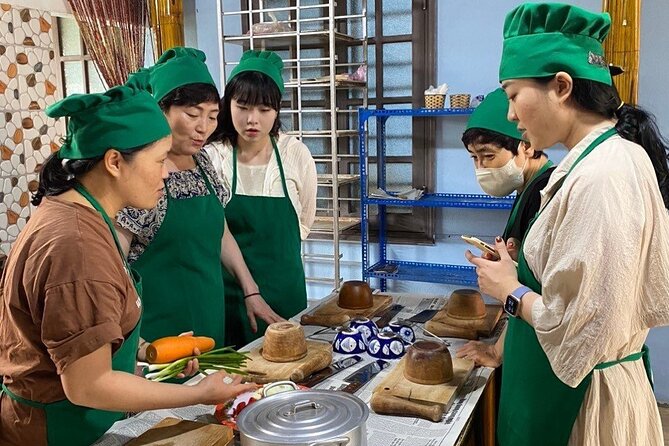
After the market, you join the cooking class in the local home. The chef teaches you how to prepare Vietnamese specialties step-by-step, and the pace is designed for all levels. If you’re a beginner, you’ll appreciate that you’re not thrown into a chaos of stations and unfamiliar tools. If you’ve cooked before, you’ll still benefit because Vietnamese cooking often hinges on sauce balancing and small technique details.
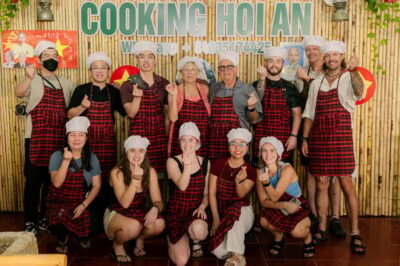
Because the class is capped at up to 10 travelers, it tends to feel more like small-group coaching. That matters. Cooking classes can lose something when 25 people are trying to chop at once. Here, you’re more likely to get help when you need it, and you spend more time actually cooking.
You’ll also receive a recipe for cooking. That’s a real benefit for bringing the results home, since Vietnamese dishes often depend on proportions and specific components. Having a written guide means you’re not reconstructing everything from memory later.
What You Cook: The Dishes, the Skills, and the Flavor Logic
This class includes a set menu built around the classic Vietnamese pattern: fresh starters, savory mains, and a simple sweet finish. You’re preparing four local dishes and eating them as a meal.
More Hoi An lantern evenings, food walks, village rides, island trips, and central Vietnam day tours to compare





1) Sweet and Sour Chili Sauce (xốt chua ngọt)
This is one of those sauces that shows up in a lot of Vietnamese dining, but it’s usually treated like a mysterious bottled thing by visitors. In class, you learn what makes it sweet, what makes it sour, and how chili heat gets balanced so the sauce supports the rest of the meal rather than overpowering everything.
If you remember one takeaway, make it this: Vietnamese sweet and sour is about control. You’re aiming for harmony, not punchy dominance.
2) Green Mango with Prawn Salad (gỏi xoài với tôm)
Green mango brings brightness and a firm bite. Pair it with prawns and you get a mix of sweet, tangy, and savory. This dish is a great practice meal because it teaches technique for working with raw or lightly treated ingredients, and for building flavor through seasoning rather than heavy cooking.
The texture contrast is key here. You’ll learn why fresh herbs and crisp elements matter as much as the main protein.
3) Hội An Crispy Spring Rolls (chả giò chiên giòn Hội An)
These are built for crunch. Spring rolls sound simple until you try making them and realize the real work is in rolling consistency and frying technique. The “crispy” part is not an accident. It depends on the wrapping, filling setup, and heat control.
This is also where you often see how well a class teaches. When it’s done right, the result is crisp and not greasy. When it’s not, the roll can go soft too fast. Either way, you’re learning the process you can repeat later.
4) Hanoi Beef or Chicken Noodle Soup
For the main, you’ll cook a Hanoi-style noodle soup, with a choice of beef or chicken. It’s a comforting dish that helps you understand Vietnamese savory flavor building. You get practice with the idea that a good soup is not just a pot of broth, it’s a balance of saltiness, aromatics, and how noodles and toppings are treated.
Choosing beef or chicken is helpful if you have preferences. It also changes the way you experience the bowl, but the structure of the dish stays the same, which is good for learning.
Dessert: Mixed Fresh Fruit (Trái Cây Thập cẩm)
The dessert is refreshingly straightforward, which is exactly how Vietnamese meals often finish. Fresh fruit is a cooling break after savory and fried items. It also keeps the meal from feeling heavy.
Meet Chef Koo and Other Local Talent
The cooking instruction can be led by different chefs, and one name that comes up in this experience is Chef Koo. The impression from that kind of guidance style is clear: the chef is there to teach, but also to keep things light so you don’t feel stressed in a foreign kitchen.
That teaching style matters more than you might think. In cooking classes, people get frustrated when they feel rushed or unclear. With a calm, funny, instructive chef, you end up paying attention to technique rather than panicking about mistakes.
And since you’ll be working through multiple dishes, the chef’s role shifts from explaining ingredients early on to guiding you through technique once the stove is hot.
The Meal Part: Eating What You Made, With Context
The best part of cooking classes is not just the cooking. It’s the meal that follows, because you can taste your food when it’s at its best. Here, you enjoy the dishes you prepared, which means you can immediately connect flavors to steps.
This also builds confidence. After you eat, you understand the dish as a whole instead of as a list of ingredients. You’ll likely remember the sauce, the crunch, the bright mango bite, and the comfort of the noodle soup as a linked experience.
Also, the class gives you the story behind techniques and ingredients. You learn Vietnamese culinary culture through what you do, not through lecture alone. That’s why the meal feels like it belongs to the village, not a restaurant repackaging.
Price and Value: Is $25 Worth It?
At $25 per person for about 4 hours, the value mostly comes from what you get, not just the headline price. You’re paying for:
- Market time to select ingredients
- A local English-speaking chef who teaches multiple dishes
- A meal that includes 4 local dishes
- A recipe for you to take home
That package is strong for visitors who want more than a one-dish cooking demo. Many cooking activities cost more and still feel like a workshop you stand next to. Here, you’re actively making the meal.
One small note on costs: soft drinks and beer are not included. So if you like to drink while eating, plan on paying extra. Still, the core class value stays reasonable.
Group Size, Timing, and Your Comfort Level
This is a maximum of 10 travelers. In practice, that tends to mean you can move around, ask questions, and get help without waiting in a line for every step.
Pickup is offered, and you’ll likely travel by car or scooter. That’s a normal part of getting out to Cam Thanh. If you’re sensitive to scooter rides, mention it when booking or ask about pickup options.
The experience ends back at the meeting point in Hoi An, so you’re not dealing with a complicated return. The start point is at Lantern Restaurant & Cooking Class, 46 Huỳnh Thị Lựu, Phường Hội, An Đông, Quảng Nam, Vietnam.
Weather Matters More Than You Think
The experience requires good weather. That’s not a minor detail. Market and outdoor-to-indoor transitions can become awkward if conditions are rough.
If you’re visiting in a season with rain or sudden weather swings, keep your schedule flexible. The experience provider can offer another date or a full refund if the activity is canceled due to poor weather, which is a nice safety net.
My practical advice: don’t book this on the only day you’re free to roam the area. Pick a day where a small shuffle won’t ruin your plan.
Who This Hoi An Class Fits Best
This class is a great match if you want hands-on Vietnamese cooking that feels tied to real village life. It works well for:
- Couples who want a shared, active experience
- First-time Vietnam visitors who want food skills, not just a meal
- Travelers who like local markets and ingredient shopping
- Beginners who want structure and guidance
- People who want something more personal than a restaurant cooking show
It might be less ideal if you hate markets, dislike cooking, or need a very quiet, sit-down-only activity. But if you’re the type who likes learning by doing, you’ll probably love the format.
Should You Book Locals Market & Cooking Class With Master Chef Hoi An?
Yes, I’d book it if your goal is practical Vietnamese home cooking, not just watching someone else cook. The combination of local market selection, small-group chef instruction, and a sit-down meal made from your work is exactly what makes a cooking class feel worth your time.
Book it especially if you want to bring something tangible home. The recipe and the technique lessons give you a repeatable way to recreate these dishes later, even if you don’t live near a Vietnamese grocery store.
Only hesitate if weather is likely to be rough for your travel window or if you strongly prefer restaurants over hands-on cooking. If those aren’t dealbreakers, this is one of the more satisfying ways to experience Hoi An food culture in a few focused hours.
FAQ
What is included in the cooking class?
The tour includes a local meal, a local English-speaking chef, a recipe for cooking, and 4 local dishes.
How many dishes will I cook and eat?
You cook 4 local dishes as part of the menu: sweet and sour chili sauce, green mango with prawn salad, Hội An crispy spring rolls, and Hanoi beef or chicken noodle soup. Mixed fresh fruit is included as dessert.
Do you offer hotel pickup?
Yes, pickup is offered from your hotel by car or by scooter.
How long does the experience last?
The cooking class lasts about 4 hours.
What drinks are included?
Soft drinks and beer are not included.
What happens if the weather is poor?
This experience requires good weather. If it’s canceled due to poor weather, you’ll be offered a different date or a full refund.
More Markets in Hoi An
More Shopping Tours in Hoi An
More Tour Reviews in Hoi An




Not for you? Here's more nearby things to do in Hoi An we have reviewed










Markets, compared.
 ★ 5.0Cooking Class Hoi An:Local Market, Basket Boat, Fishing & CookingFrom $283,660 reviews
 ★ 5.0Hoi An Cooking Class(Market,BasketBoat Crabfishing&Cooking Class)From $283,386 reviews
 ★ 4.8Market Tour, Basket Boat Ride and Cooking ClassFrom $172,208 reviews
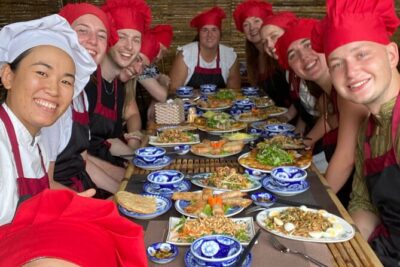 ★ 5.0Hoi An Cooking Class(Local market,Basket Boat,Fishing & Cooking)From $281,323 reviews
 ★ 5.0Hoi An Eco Tour Cooking Class & Fishing (Local market,basket boat,learn cooking)From $29567 reviews
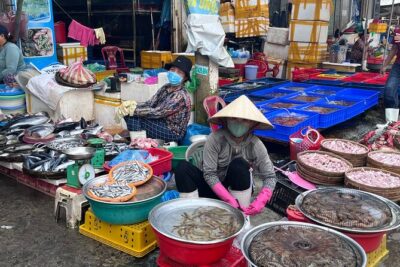 ★ 5.05 Dishes Cooking Class with Market Trip in Da NangFrom $39466 reviews
 ★ 5.0Traditional Cooking Class with Basket Boat Ride and market TourFrom $41391 reviews
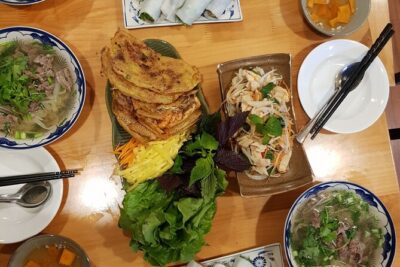 ★ 5.05 traditional dishes Da Nang cooking class with market tripFrom $39331 reviews
Browse the lists this tour appears in