
REVIEW · CAM THANH BASKET BOAT TOURS
Traditional Cooking Class with Basket Boat Ride and market Tour
This half-day tour mixes a market hunt, river play, and a real hands-on class with food you’ll actually recreate later. I love how it begins with Hoi An market ingredients instead of jumping straight to recipes, and I also like the built-in river and coconut-forest boat time that keeps it fun even if cooking isn’t your main goal.
Two things stand out right away for me. First, you cook four Vietnamese favorites, including Green Mango Salad and Beef Pho, so you leave with a mini menu, not just one dish. Second, the day includes pampering, from herbal foot soak to a shoulder massage, which makes the whole experience feel like a treat, not just a checklist.
One consideration: parts of the day can feel time-pressured, especially during the actual cooking. Also, the market walk is short, so if you want a long, slow wander, plan a bit of free time before or after the tour.
Key Things You’ll Remember
- Market-first tasting: learn what ingredients look like and why they matter before you start chopping
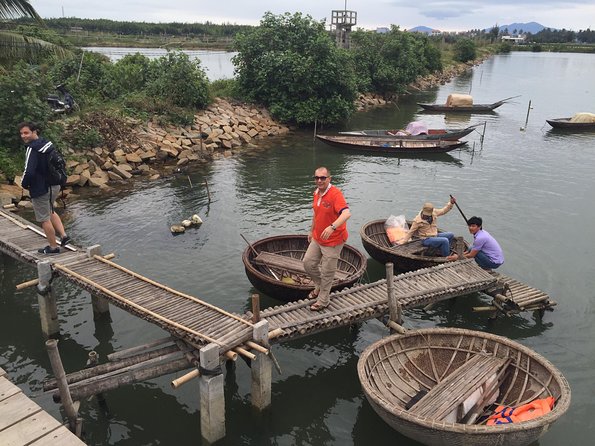
- Thu Bon River cruise to Bay Mau: a change of pace from old town lanes, with coconut forest scenery
- Basket boat ride: a fun, close-up transfer on the water, not just a sit-and-ride moment
- Herbal foot soak plus shoulder massage: a calm reset before the hands-on class
- 4-dish cooking plan: green mango salad, rice paper rolls, pho, and lemongrass-chili chicken
- Small group size up to 18: enough people for energy, but still manageable for attention
A half-day that turns Hoi An into a meal
Hoi An is famous for lanterns and river views, but this tour gives you the other side of the city, the food logic. You travel out of the center to the countryside area near Sabirama and get a structured rhythm: ingredients first, water second, then cooking and plating.
The schedule is simple. You can choose a morning slot (08:30 to 12:30) or an afternoon slot (13:00 to 17:00). Either way, the whole experience aims to fit into a half-day, which is great if you want to do more than one activity in Vietnam without blowing up your itinerary.
You can also read our reviews of more boat tours in Hoi An
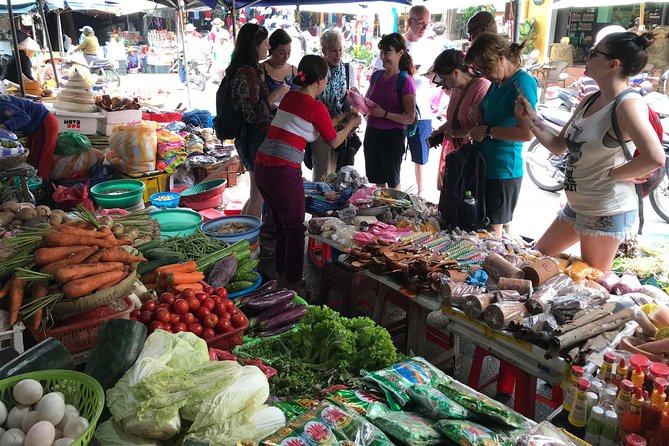
Market time at Hoi An, with real ingredient context
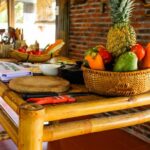
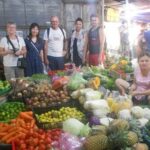
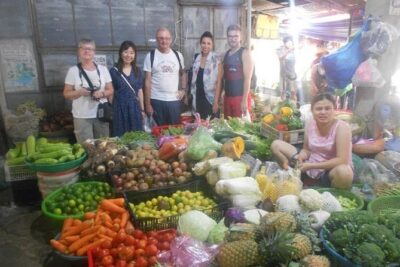
The day starts at the Hoi An market, where you get an up-close look at what you will later cook. This part matters because Vietnamese dishes rely on balance, acidity, herbs, aromatics, and texture. When you see herbs, dried items, fresh produce, and common cooking staples in context, the recipes make more sense.
You also get to smell and taste some foods and products before the cooking begins. In a food class, that can be the difference between following instructions and actually understanding why certain flavors work together. The market walk is not meant to be a long wandering session, so it moves efficiently.
Practical tip: if you go in the morning or afternoon, plan for heat. Markets are outdoor and side-street conditions can be warm. Wear light clothes, bring water, and consider sun protection. If you’re the type who gets tired quickly in heat, the pace can still work, but you’ll feel it.
Thu Bon River cruise to Bay Mau coconut forest
After the market, you switch from shopping energy to water-time calm. You cruise the Thu Bon River toward the Bay Mau coconut forest, which is one of the classic Hoi An nature experiences. The goal here is not speed or big stops. It’s a relaxed ride where you can look out at the river and vegetation and let the day reset.
This is also a good moment to see why the region’s food culture makes sense. Coconut, river plants, and seasonal produce show up again and again in local cooking. Even if you never think of ingredients as geography, the cruise makes the connection click.
In short, you get scenic variety without the long travel time that some countryside tours demand. For many people, this is the “I needed this” segment of the day, especially after the market.
Basket boat ride: fun, close, and different
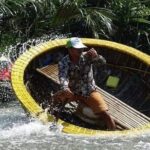
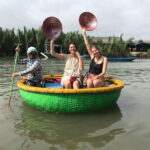
One of the most memorable parts is the basket boat ride. Instead of a typical tour boat that feels distant, this is a hands-on water experience. You transfer into basket boats for a short ride, with the feel of being out on the water in a more personal way.
This segment is usually quick, but it’s exactly the kind of activity that makes a cooking class feel special. You’re not just learning recipes in a room. You’re also experiencing the local setting where the food culture lives.
If you’re traveling with kids, this tends to score points because it’s visual and playful. The basket boats also offer natural “look at that” moments, which can keep attention from drifting while the schedule continues.
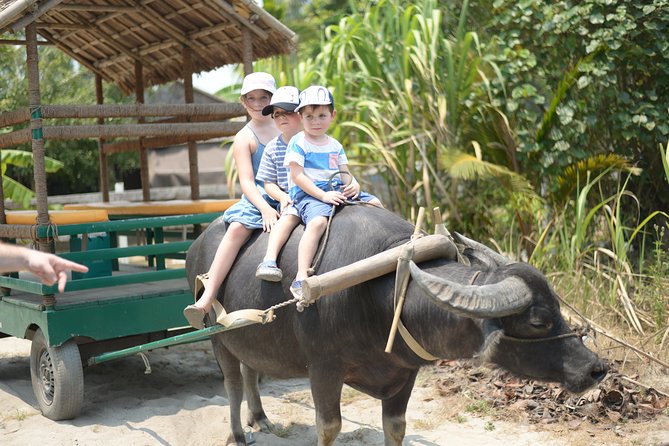
Water buffalo cart ride and animal time
The countryside portion can include a water buffalo cart ride. In places like Cẩm Thanh, the animals and cart rides are tied to how people historically moved through rural routes. It’s also one of the reasons this tour feels different from a standard cooking class.
Animal experiences can be a mixed bag in any country, so I recommend thinking about what you want from it. The ride is meant to be short, and it’s positioned as part of the day’s cultural variety, not a long animal activity.
If animal welfare is a top concern for you, pay attention to how calmly the buffalo is handled and how the operator works around the animal. If that doesn’t feel right, you can still enjoy the rest of the day because the main cooking class is still the core.
You can also read our reviews of more shopping tours in Hoi An


Foot soak, shoulder massage, then back to food mode
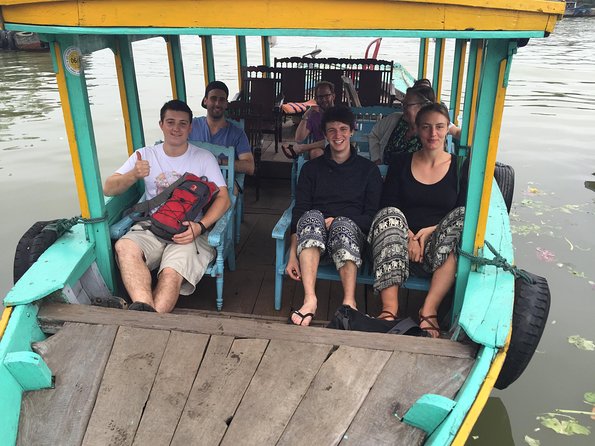
Before the cooking starts, you get a relaxation reset. The tour includes an herbal foot soak and massage before you join the hands-on class. Some departures also feature a shoulder massage, which helps with the timing, especially if you’ve been walking around in heat.
In one detailed account, the foot soak is described as using lemongrass and guava leaves. That’s a nice detail because it gives you a clear expectation of what the soak feels like and smells like, not just generic spa time.
This segment is more than “nice to have.” It’s also practical. When you’re relaxed, cooking feels easier, and your attention stays on the process rather than fatigue.
Inside the Sabirama cooking class: 4 dishes, real technique
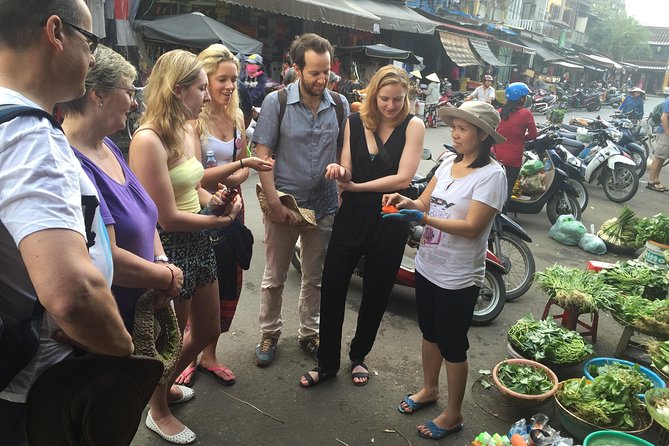
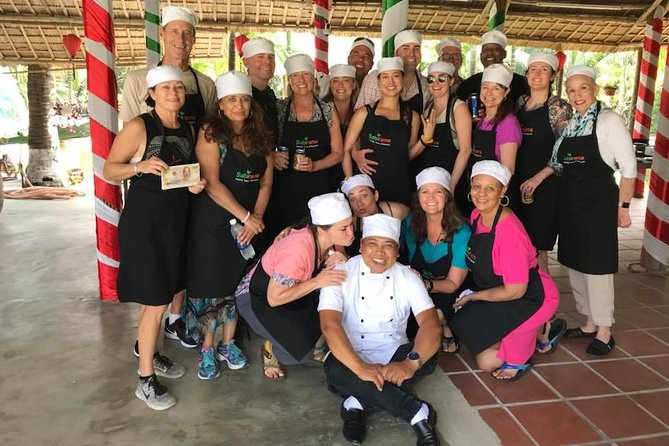
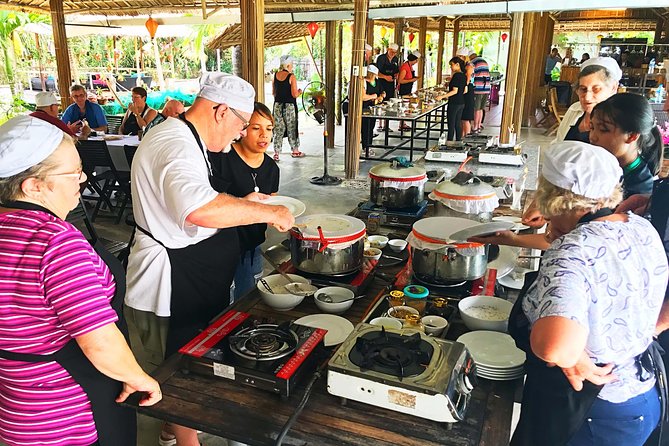
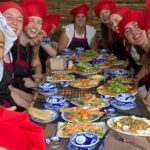
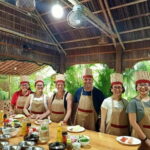
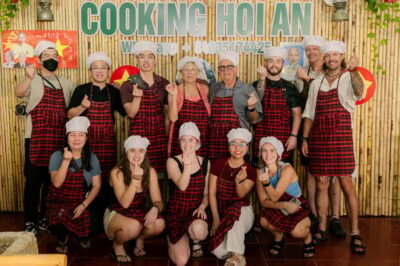
Once you reach Sabirama, the class shifts from watching to doing. You’ll learn to cook four Vietnamese favorites, plus you’ll practice presentation.
Here’s the dish lineup you should expect to work on:
- Green Mango Salad
- Steamed Rice Paper Rolls
- Beef Pho
- Stir-fried Chicken with Lemongrass & Chili, served with rice
These are smart choices for a half-day class. Mango salad teaches sour, sweet, and herb balance. Rice paper rolls train you on texture and wrapping. Pho teaches you how a basic broth and flavor building works, even if the class version is simplified for time. The stir-fry gives you a clear lesson on aromatics like lemongrass and how chili changes the whole profile.
The class also includes food decoration skills, and then a light dessert such as seasonal fruit or yogurt. That ending is useful because it turns the last course into a finish you can remember, not just a snack.
One thing to keep in mind: the cooking portion can feel fast. Some people enjoy that because it means you get through a lot. If you want a slow, step-by-step pace with lots of solo time, you might feel the schedule moving forward. In a class format like this, it helps to pay attention early, ask questions as you go, and choose one or two techniques you want to repeat later at home.
Guides that make it feel personal
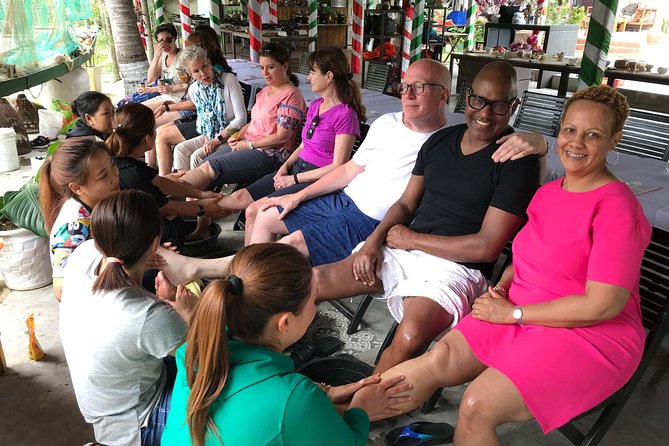
The experience is driven by the guide and the cooking team. In the feedback you’ll see names like Hung, Nhu, and Bé, and the common thread is that they’re friendly and keep the day moving with clear explanations.
That matters because Vietnamese cooking can look deceptively simple. Herbs, sauces, and seasonings can change everything, and the best classes explain what to taste for and what to adjust. If you get a guide who talks through what you’re tasting and why, you’ll leave with more than recipes.
If your English is decent but you want extra clarity, don’t be shy about asking what to look for in the cooking steps. This is the kind of tour where good questions make a real difference.
Price and value for a 4-hour food day
At $41 per person, this is priced like a value-forward half-day experience. You’re paying for a bundle: market time, river and basket boat activities, foot soak and massage, transportation (including hotel pickup and drop-off), and a multi-dish cooking class.
Here’s how I think about value with tours like this:
- If you were to book market time plus transport plus a boat ride plus a cooking class separately, costs usually add up quickly.
- You also get more than one activity, so you’re not stuck with a single weather-dependent component.
What you should compare is whether you want “experience variety” or “long cooking practice.” If your goal is mastering one dish deeply, you might prefer a slower class. If your goal is leaving Hoi An with four reliable dishes and a day that feels like more than a kitchen, the price can make sense.
Also, the group size is capped at 18. Smaller groups typically mean you spend more time understanding steps rather than waiting. That alone can boost the value.
Who should book this tour, and who might skip it
This is a strong match if you want:
- A half-day plan that mixes food, culture, and nature
- To cook multiple dishes, not just taste and watch
- River experiences without committing to a full-day outing
- A guide-led market orientation so ingredients feel less random later
It might be less ideal if:
- You hate heat and want a fully indoor, slow-paced cooking time
- You prefer cooking classes where you control every step for a long time
- You want a long market exploration rather than a quick ingredient-focused start
If you’re visiting Hoi An for the first time, this is also a good “anchor” activity because it connects the city’s river setting to its food culture. You’ll be better oriented for everything else you do after.
Tips to get the most out of your half day
A few practical moves can make this smoother:
- Eat lightly before you go. You’ll be making multiple dishes and finishing with dessert, so arriving hungry usually helps.
- Bring sun protection and water for the market and outdoor segments.
- Wear shoes that can handle outdoor paths and getting in and out of vehicles comfortably.
- Tell the team your dietary needs when booking, since a vegetarian meal option is available.
If you have specific preferences, get them in early. This type of tour can adjust what you’re served in line with dietary requirements, but the earlier you communicate, the easier it is for the kitchen to handle it.
Should you book?
Yes, if you want a high-value half-day that turns Hoi An into something you can taste. The combination is the point: market context, Thu Bon River cruising, basket boat fun, massage reset, then four dishes you can recreate.
If your priority is slow, detailed cooking with minimal rushing, you should set expectations about pace and plan your day accordingly. For most people, though, the blend of activities makes it feel like one of the most efficient ways to experience Hoi An beyond the old town streets.
FAQ
What does the tour include?
It includes hotel pickup and drop-off, all activities, a local guide, air-conditioned vehicle transportation, and the cooking class experience with the included food and light dessert.
How long is the experience?
It runs about 4 hours.
How much does it cost?
The price is $41.00 per person.
What time options are available?
You can choose a morning class from 08:30 to 12:30 or an afternoon class from 13:00 to 17:00.
Is there a vegetarian option?
Yes, a vegetarian meal option is available. You should advise dietary requirements at booking.
What do you cook during the class?
You learn to cook four Vietnamese favorites: Green Mango Salad, Steamed Rice Paper Rolls, Beef Pho, and Stir-fried Chicken with Lemongrass & Chili served with rice.
Are river and boat rides part of the tour?
Yes. You visit the Thu Bon River area, cruise down the river to the Bay Mau coconut forest, and take a basket boat ride.
Is massage included?
The experience includes herbal foot soak and massage before the cooking class, and it may also include a shoulder massage.
What group size should I expect?
The tour has a maximum of 18 travelers.
What is the cancellation policy?
Free cancellation is available up to 24 hours in advance for a full refund. If it is canceled due to poor weather, you will be offered a different date or a full refund.
More Boat Tours & Cruises in Hoi An

More Tours in Hoi An


More Tour Reviews in Hoi An


Not for you? Here's more nearby things to do in Hoi An we have reviewed







Cam Thanh Basket Boat Tours, compared.
 ★ 4.9Basket Boat Ride in the Coconut ForestFrom $34,956 reviews
 ★ 5.0Cooking Class Hoi An:Local Market, Basket Boat, Fishing & CookingFrom $283,660 reviews
 ★ 5.0Hoi An Cooking Class(Market,BasketBoat Crabfishing&Cooking Class)From $283,386 reviews
 ★ 4.8Market Tour, Basket Boat Ride and Cooking ClassFrom $172,208 reviews
 ★ 4.8Coconut Basket Boat Ride by HangcoconutFrom $31,364 reviews
 ★ 5.0Hoi An Cooking Class(Local market,Basket Boat,Fishing & Cooking)From $281,323 reviews
 ★ 5.0Coconut Basket Boat Ride in the Coconut ForestFrom $5971 reviews
 ★ 4.9Basket Boat Ride, Cooking Class by HangcoconutFrom $19802 reviews
Browse the lists this tour appears in