

REVIEW · WALKING TOURS
Ancient Town Walking Tour in Hoi An
Hoi An feels different on foot. This 3.5-hour walking tour takes you through a UNESCO World Heritage Site recognized in 1999, where Vietnamese, Chinese, and Japanese influences still shape the streetscape. You also get a clear, guided route so the old town feels organized instead of random.
I especially liked the storytelling from Jun, a friendly, knowledgeable guide who explains the history and culture of Hoi An and Vietnam in plain, everyday language. I also like that the tour can be timed early, and choosing an 8am start helps you see the town before the biggest crush.
The main drawback to plan around is the good-weather requirement, since this is an outdoor walk. If it is rainy or too hot, you may feel it in your feet after 3 hours and a bit.
Key highlights to look for
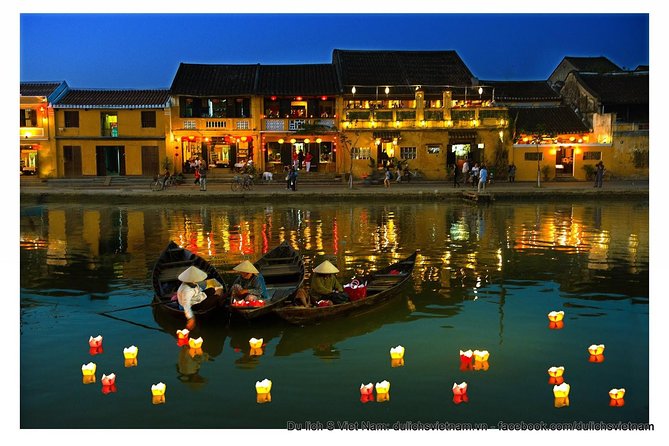
- UNESCO World Heritage old town layout, designed for walking and easy navigation
- Jun’s guided explanations, including how Hoi An’s mixed cultures shaped daily life
- Hoi An Museum visit that adds context to what you see on the street
- Chinese Assembly Halls and the Japanese Covered Bridge as top-photo stops
- Small group size with a maximum of 20 people
- Pickup offered plus a mobile ticket and bottled water included
Why Hoi An Ancient Town works best as a walk
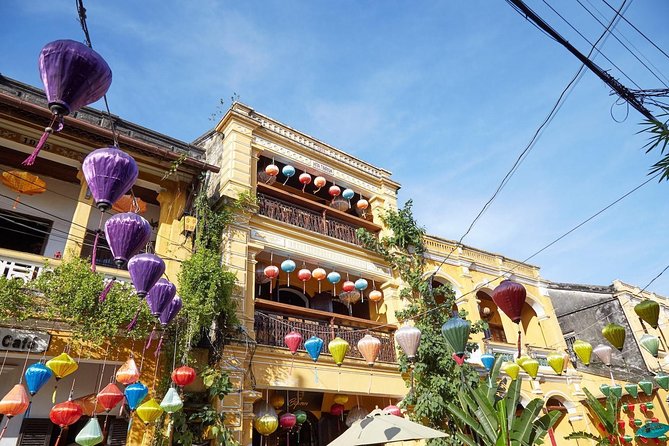
Hoi An’s charm is not something you can fully catch from a quick car ride. The streets are made for slow movement, so a walking tour is the right format if you want to notice details, not just landmarks.
This tour focuses on the Ancient Town area, which helps you avoid the feeling of zigzagging across random sights. Because the route is designed around the old town core, you’ll get a better sense of how the pieces connect: the houses, the community halls, the museum, and the iconic bridge all sit within a walkable world.
Also, the old town atmosphere is part of the value. Even though it is a famous destination, the pace of a guided walk can make the experience feel calmer and more readable, especially if you go early.
You can also read our reviews of more walking tours in Hoi An



Meet Jun, and why the guide changes the experience
A guide can either recite dates, or make places make sense. Jun does the second thing, which is exactly what you want in a place like Hoi An, where different cultural waves overlap in the same blocks.
What I like about this setup is that you do not just get a list of what to photograph. You get explanations of why buildings look the way they do, and how the cultures connected through trade and community life. That means when you pause at an Ancient House or look at a Chinese Assembly Hall, you are not guessing.
Jun also brings the tour beyond the sights. You get context on life in Vietnam that helps the old town feel less like a staged museum district and more like a real place with real history behind it. For many people, that is the difference between seeing Hoi An and understanding it.
Stop-by-stop: Old Town, Ancient Houses, and Hoi An Museum
The tour starts in Hoi An Ancient Town, and that opening matters. You get oriented fast, so the rest of the walk feels like a guided story instead of a scavenger hunt.
Hoi An Ancient Town
Once you’re inside the Ancient Town area, you’ll notice how the streets and architecture guide where your eyes go. The atmosphere is quiet and peaceful compared to the chaos you might expect from a major tourist town. That calmer feel makes it easier to slow down and absorb details.
This is also where you learn the big picture. Hoi An is shaped by Vietnamese, Chinese, and Japanese influences, and the guide’s job is to help you recognize that pattern as you move.
Ancient Houses
The highlight for many people is the Ancient Houses, because the architecture is where history shows up in physical form. You’ll spend time looking at the houses that reflect a long-gone way of living, where design choices were practical and symbolic.
What you should do here is simple: don’t rush your eyes. Look at the structure, entrances, and how the house relates to the street. When a guide points out details, it turns a pretty facade into a clue.






Hoi An Museum
Including the Hoi An Museum is great value because it gives you a reference point. Without that stop, it is easy to treat the old town as scenery. With the museum, you get context that makes later stops feel more connected and less like separate photo stops.
Even if you prefer minimal museum time, this one is useful. It helps you understand what you are seeing on the walk, so you can connect the dots as you go.
A local art and craft manufacturing stop
The tour also includes time related to local art and craft manufacturing. You might find this a satisfying mid-walk change of pace, especially if you like seeing how traditions connect to what you’re touring.
If crafts are not your thing, you can still treat it as a cultural snapshot. It adds another layer to why Hoi An has kept its identity so long.
Chinese Assembly Halls and the Japanese Covered Bridge
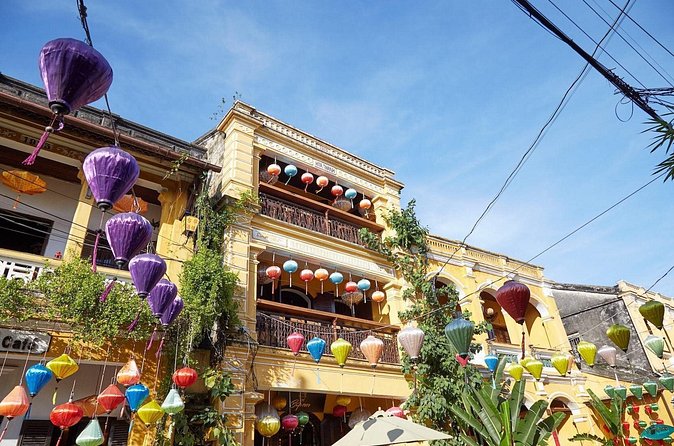
Hoi An’s most famous architectural moments are not just aesthetic. They show community history made visible in stone, wood, and layout.
Chinese Assembly Halls
The Chinese Assembly Halls are where you can see Chinese influence made specific to Hoi An’s story. These halls often feel like the physical center of community life for groups, not just impressive buildings to pass by.
As you stand there, focus on function as much as form. Think about what kind of gatherings might have happened in spaces like these, and how that would shape the neighborhood around them. With a guide explaining the cultural background, the halls stop being generic and start reading like history.
Japanese Covered Bridge
Then you reach the Japanese Covered Bridge, one of the most recognizable symbols of Hoi An. Even if you have seen photos before, seeing it in person is different because you sense the scale and the way it connects the street grid.
This stop is also a good reminder of why a guided walk beats random touring. You learn what the bridge represents and how it fits into the broader mix of influences across town. It helps the stop feel meaningful, not only photogenic.
Timing tips: go early, keep the walk easy
A practical advantage here is that you can choose an early start. An 8am tour keeps you away from later crowd buildup, and the difference is real. Your photos look cleaner, and your attention stays on the buildings instead of dodging people.
If you can, pick the time that matches your energy. This tour runs about 3 hours 30 minutes, so you need to be ready for a steady walking pace. Going early also tends to make the experience feel more relaxed, and you get a better sense of the old town’s quieter character.
Pickup, mobile tickets, and what that means for your day
This tour includes pickup offered, and you get a mobile ticket. Those two details matter more than they sound.
Pickup reduces friction when you are moving between places in a busy area. You spend less time figuring things out and more time actually walking the old town. The mobile ticket also helps you avoid printing or hunting for paperwork.
The group is limited to a maximum of 20 travelers, which usually keeps the experience from turning into a long conga line. In places like Hoi An, smaller groups mean you can hear the guide and you can pause when something catches your eye.
Price and value: what $41.03 buys you
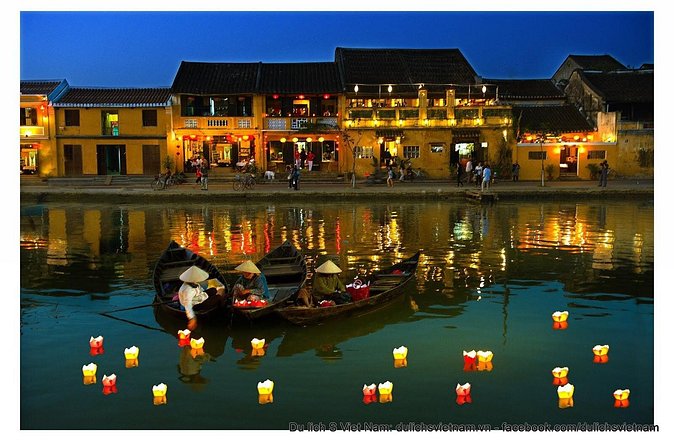
At $41.03 per person, the big question is whether you get more than a simple stroll. You do, because the price covers practical extras:
- Guide
- All fees and taxes
- Bottled water
- Admission ticket included for the included sights
That matters in a country where ticket costs and small add-ons add up quickly. When admissions and guide time are bundled, you get a clearer idea of total cost before you commit.
Also, the structure helps you maximize time. You get a curated walk through the old town’s most meaningful highlights without needing to do pre-research to figure out what to see in what order. For many visitors, that is the real value.
You’ll still want to budget for personal expenses, like snacks, drinks beyond bottled water, or shopping. The tour takes care of the basics, but it does not take over your whole day.
What to expect from the pace and walking style
This is an Ancient Town walking tour, so expect streets that are meant for walking, not for rushing. You’ll be out for about 3.5 hours, and that is long enough to feel like a real outing but short enough to fit into most Hoi An schedules.
Good shoes help, especially if you start in the morning and keep going through the day’s heat. If it is sunny, you will appreciate that the tour includes bottled water, even if you end up buying extra along the way.
Also, pay attention to the weather. The experience requires good weather, and if it is canceled due to poor conditions, you will be offered another date or a full refund. That policy is worth noting because it protects your money if conditions turn against you.
Who should book this walk
This tour is a strong fit if you want:
- A guided route through Hoi An’s key old-town highlights
- A history and culture explanation that connects buildings to the people behind them
- A format that feels calm, especially with an early start option
It is also a good choice for first-timers who want the highlights, but without the pressure of planning every stop yourself. If you like architectural details, Chinese and Japanese influence, and stories you can actually use while sightseeing, you’ll likely enjoy this route.
If you dislike walking for long stretches, or if you are planning around unpredictable weather, you might want to compare options that offer more flexibility. But as long as the day is workable, this is one of the most straightforward ways to understand Hoi An on your feet.
Should you book the Hoi An Ancient Town walking tour?
Yes, I think you should book it if you care about context, not just photos. The mix of old town walking, Hoi An Museum, Ancient Houses, Chinese Assembly Halls, and the Japanese Covered Bridge gives you a full picture of what makes Hoi An special.
Also, the inclusion of admissions and a guide at this price makes it feel fair, not nickel-and-dimed. The small group size helps you hear the guide and move at a human pace.
Just do one thing before you go: check the weather closely and plan for comfortable walking. If conditions are right, this is an efficient, high-reward way to experience Hoi An’s layered culture in only half a day.
FAQ
How long is the Ancient Town walking tour in Hoi An?
It lasts about 3 hours 30 minutes.
Is pickup included?
Pickup is offered.
What is included in the ticket price?
The tour includes all fees and taxes, bottled water, a guide, and admission ticket(s).
What sights does the tour cover?
You’ll explore Hoi An Ancient Town, with visits that include Hoi An Museum, Ancient Houses, Chinese Assembly Halls, and the Japanese Covered Bridge.
How large is the group?
The tour has a maximum of 20 travelers.
Is the tour ticket digital?
Yes, you receive a mobile ticket.
What is the weather requirement?
This experience requires good weather. If it’s canceled due to poor weather, you’ll be offered a different date or a full refund.
Can I cancel for free?
Yes. You can cancel up to 24 hours in advance for a full refund. Cancellation changes made less than 24 hours before the start time are not refunded.
More Walking Tours in Hoi An



More Tours in Hoi An





More Tour Reviews in Hoi An
Not for you? Here's more nearby things to do in Hoi An we have reviewed











Walking Tours, compared.
 ★ 5.0Evening Walking Food Tour, folk game and lantern boatFrom $39665 reviews
 ★ 5.0Hoi An Ancient Town Walking Tour with a LocalFrom $9517 reviews
 ★ 4.9Hoi An Ancient Town – Walking Tour with Local GuideFrom $14385 reviews
 ★ 5.0Hoi An Street Food Walking Tour with TastingsFrom $35317 reviews
 ★ 5.0Hoi An Walking TourFrom $69269 reviews
 ★ 5.0Guided Tour to Marble Mountains & Hoi An Walking Tour , Night Market, Boat RideFrom $96218 reviews
 ★ 5.0Hoi An Night Market with Hoi an walking Tour , Colourful Lanterns, Boat RideFrom $85142 reviews
 ★ 4.4Cham Island: Underwater Walking & Snorkeling TourFrom $68112 reviews
Browse the lists this tour appears in