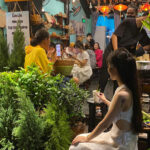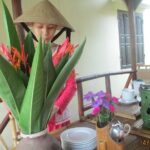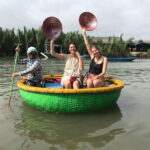
Morning market to meal in one tidy session. This Hoi An class is built around local farmers and real village food, starting with a trip through the market and ending with you cooking, eating, and getting a herbal foot massage. I love that the hosts grew up in the countryside and spent over 10 years working in restaurants before turning their skills into a teach-you-every-step day. I also like the small size, max 10 people, so the pace stays friendly and questions actually get answered, including Vietnamese plant and herb uses you would never spot in a standard food tour.
One thing to consider before you book: the day is short, about 3 hours, and it includes market walking and biking on quiet roads, so it is best if you are comfortable moving around and enjoying an active schedule.
Key things to know before you go
- Small group (max 10), which helps you cook with confidence instead of watching from the sidelines.
- Market + herbs + local medicine talk, including fruit and vegetable names and how locals use plants.
- Biking through countryside near Hoi An, with farms, rice fields, shrimp and ducks, and a peaceful route away from traffic noise.
- Hands-on cooking at a local home, with table decoration (carving veggies into flowers) and cooking of classic dishes.
- Herbal foot massage with leaves mentioned in the program, like lemongrass, ginger, and basil leaves.
- Included lunch on what you make, plus bottled water and cold towels to reset after cycling.
A 3-hour farm-to-table shortcut from Hoi An
This is not a long, slow “stay on a farm all day” kind of tour. It is more like a focused, high-value burst of Vietnamese food culture, designed to fit into about three hours from a 9:00am start. You get countryside time, market time, and a proper cooking class, plus the kind of extras that make it feel like you visited a family rather than just a restaurant kitchen.
If your ideal day in Hoi An includes more than lanterns and river photos, this hits the sweet spot. You move through real village life, then return for cooking in a home setting, with a family-run team leading the show. The small group cap matters too. With fewer people, it is easier to keep up during chopping, mixing, and cooking steps, and easier for your guide to adjust if someone in your group is hungry, curious, or trying to learn faster.
You can also read our reviews of more tours and experiences in Hoi An.
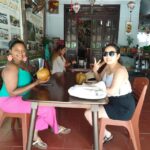

Morning market stop: produce, herbs, and local medicine talk
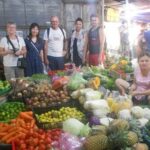
The day begins at the market, where you do more than just look. You learn the names of fruits and vegetables and how local people use them, including plant uses tied to local medicine. That context is the difference between eating Vietnamese food and understanding it.
What I like about this market segment is that it connects food choices to everyday life. You will see fresh produce that looks simple until you learn the Vietnamese uses behind it. You also get a head start on what ingredients will show up later in your dishes, so the cooking feels less like random steps and more like a repeatable skill you can do at home.
Market time is also where you set expectations for the day’s pace. If you do not like walking through crowded stalls, you might find the market part a bit brisk. Still, the program keeps it practical, and the rest of the morning is lighter and more scenic once you swap the market bustle for quiet countryside roads.
Cycling the countryside roads to Tra Que vegetable areas
After the market, you bike on small winding roads where traffic noise stays low. This is one of those rare chances to see Hoi An’s surrounding farmland without turning it into a stressful scooter sprint. You pass the working scenery you came to Vietnam for: buffaloes grazing, rice fields tended by farmers, and farming setups that include shrimp and ducks.
This part of the experience does two useful things for you. First, it builds appetite fast, because you are working your legs while looking at real agricultural life. Second, it ties directly into what you cook later. The vegetables you handle in the kitchen are not just “ingredients,” they are part of a farm rhythm, including manual growing methods and fertilizer and pesticide choices discussed as part of the program.
One consideration: you are biking, so wear shoes that handle uneven surfaces comfortably. If you are worried about balance or prefer minimal physical activity, you might want to think twice. The biking is described as on quiet roads, but it is still an active segment.
Traditional craft villages and how organic growing shows up in dinner
The program includes time at a long-standing traditional craft village tied to vegetable growing methods. You learn about manual vegetable growing, including the use of organic fertilizers and pesticides, as described in the experience overview.
Why this matters: Vietnamese cooking often depends on freshness, herbal character, and the way ingredients taste when they are not treated like generic supermarket produce. When you understand that vegetables are grown with specific methods, it changes how you evaluate a dish. Later, when you taste, you are not just enjoying food, you are picking up why it tastes the way it does.
You might also enjoy this stop more if you like seeing the craft side of farming and food. This is not only about planting and harvest. It’s about how knowledge is passed down through village traditions, then translated into meals you can actually recreate.
Decorate the table: veggie carving that makes food feel special
Before you cook, the program also includes table decoration. You will learn decorative ideas like making flowers from carrots and tomatoes. That sounds “decorative” on paper, but in practice it teaches something practical: how to cut clean shapes and how to handle vegetables with intention, not just speed.
This is one of the small moments that makes the day memorable. You end up with a plated result that looks like it belongs at a local table, and you learn techniques that go beyond Vietnamese cuisine. Even if you never host a Vietnamese dinner, the carving steps make your normal cooking prettier and less stressful.
It also adds an element of fun. If you enjoy hands-on learning, this is the part that turns a typical class into a mini show, where your confidence builds quickly.

The cooking class menu: what you’ll learn and why it’s a smart spread
The class focuses on classic dishes. The lunch you eat includes Vietnamese pancake, Hoi An spring roll, green papaya & banaba flower salad, chicken in clay pot, morning glory stir-fried with garlic, rice, and dessert.
Here is how that menu helps you as a home cook:
- Vietnamese pancake gives you practice with a batter-based dish and the feel of cooking on a hot surface.
- Hoi An spring roll builds skills around rolling and flavor balance, not just assembly.
- Green papaya and banaba flower salad shows you how Vietnamese flavors can be bright and herbal, not just salty and sweet.
- Chicken in clay pot teaches you about slow, covered cooking flavors, where the pot does part of the work.
- Morning glory with garlic is a fast way to understand Vietnamese greens, especially how heat and seasoning bring out the vegetable’s character.
- Dessert rounds out the meal so you taste the full arc, not only the savory parts.
The experience overview also mentions cooking four typical dishes, and that matches the overall structure: you cook key items, then you eat them. If you are hoping for a class that leaves you with confident, repeatable techniques, this menu is a good choice because it covers different cooking styles, not one single method.
Eating your work in a local home setting
Lunch is included, and it is not an afterthought. The program is built so you cook, then eat right where you prepared the dishes. You will have a meal based on what you make, including the dishes listed above.
This matters more than people think. Eating right after cooking helps you connect taste to technique while everything is fresh in your memory. If you plan to cook Vietnamese food again later, that timing helps you remember which step created which flavor.
The program also includes bottled water, cold towels, and an E water welcome drink, which is useful after market walking and biking. It keeps the day comfortable, especially in warm weather.
Foot massage with herbal leaves, then the fire pan pancake performance
A standout part of this tour is the wellness element. You get a foot massage, and the overview specifically mentions herbal leaves like lemongrass, ginger, and basil leaves used for the massage experience. That is a very Vietnamese touch, and it fits perfectly after biking and chopping.
Then there is a performance element described in the program: a fire pan performance and even juggle pancakes. That combo may sound playful, but it works. It keeps energy high after the quieter learning segments, and it adds a light show element that makes the day feel like a complete package, not only a cooking class.
If you are sensitive to heat or you prefer a very calm experience, you might treat the performance as optional energy. But if you like a bit of fun built into cultural learning, this is one of the reasons people rate the experience highly.
Price and logistics: is $35 really fair value?
At $35 per person for about 3 hours, the price looks reasonable because a lot is included. You are paying for market time, a countryside biking segment, a guided cooking lesson, table decoration practice, lunch, transport, a local English-speaking guide, and even foot massage plus bottled water and towels.
What you get is not just a meal. You get context for ingredients, active learning in the kitchen, and an add-on wellness moment that usually costs extra in other activities. Also, the group size cap of max 10 helps keep the “per person attention” feeling real.
The program also notes pickup is offered. If you want to reduce hassle, pickup can make a big difference in Hoi An, where moving between pockets of town and rural areas can eat time.
Who should book this cooking day, and who might skip it
This is a strong match if you:
- want hands-on learning, not only tasting
- enjoy countryside views and biking on quiet roads
- like food that includes herbs and fresh vegetables, not only meat-heavy dishes
- prefer a small group experience over a big tour bus
You might skip it if you:
- cannot or do not want to bike during the tour
- want a slow sightseeing day with lots of free time to wander on your own
- prefer meals without an active, step-by-step cooking component
One more tip: bring a curious mindset. You learn about herbs and vegetable uses, including references to local medicine from the market segment. If you enjoy asking questions and making connections, the day feels longer in the best way.
A final call: should you book Spring Onion Family Tour?
If you want one of the most practical ways to learn Vietnamese cooking in Hoi An, this is easy to recommend. The value comes from how many “life skills” you take home: market ingredient knowledge, basic veggie carving, multiple cooking techniques, and the specific flavors of dishes like green papaya salad and chicken in clay pot. Add the herbal foot massage and the small-group pace, and you get more than a meal.
I would book it if you are comfortable with short active segments and you want to leave with confidence that you can recreate at least several dishes at home. If you are mainly chasing a restful day with minimal movement, you may prefer a lighter food tour instead.
FAQ
What is the start time of the tour?
The tour starts at 9:00am.
How long is the experience?
It runs for about 1 day, 3 hours (approx.).
What is the price per person?
The price is $35.00 per person.
Is pickup included?
Pickup is offered, and private transportation is included.
How big is the group?
The experience has a maximum of 10 travelers.
Is lunch included?
Yes. Lunch is included with the dishes listed in the included section (Vietnamese pancake, Hoi An spring roll, green papaya & banaba flower salad, chicken in clay pot, morning glory stir with garlic, rice, and dessert).
What is included besides the meal?
Included items are bottled water, private transportation, all fees and taxes, a local English speaking guide, cold towels, welcome drink (E water), and foot massage.
What is not included?
Coffee and/or tea, alcoholic beverages, and soda/pop are not included.
Does the tour include cooking at a local’s home?
Yes. You participate in a cooking class with a chef at a local’s house.
What is the cancellation policy?
You can cancel for free up to 24 hours in advance for a full refund. If you cancel less than 24 hours before the start time, the amount paid will not be refunded.