
REVIEW · HOI AN FARMING & FISHING TOURS
Hoi An:Cycling,Traditional Farming & Fishing Life Experience
Bikes, boats, and buffaloes in one morning. This Hoi An area experience is built around Cam Thanh village life, where you’ll see how people grow food and catch seafood in the same coconut-palm waterways that once sheltered locals during the American-Vietnam war. I love the hands-on farm moments like planting rice with farmers, and I also like that you get to try real fishing work, not just pose for photos, including bamboo basket boat paddling. One drawback to consider: you do ride a bicycle around 6 to 7 km, so you’ll want decent balance and comfy legs, even though the pace is tour-friendly.
Expect a relaxed half-day flow with an English-speaking guide, hotel pickup in select areas, and lunch included. The day runs from 8:30am to 1:00pm or 2:00pm to 6:30pm, and it’s priced at $34 per person, which becomes a fair value when you count the included transportation, entrance fees, lunch, and the practical, do-it-with-your-hands activities.
Key highlights worth your time
- Water buffalo ride and feeding, up close with the daily rhythm of village life
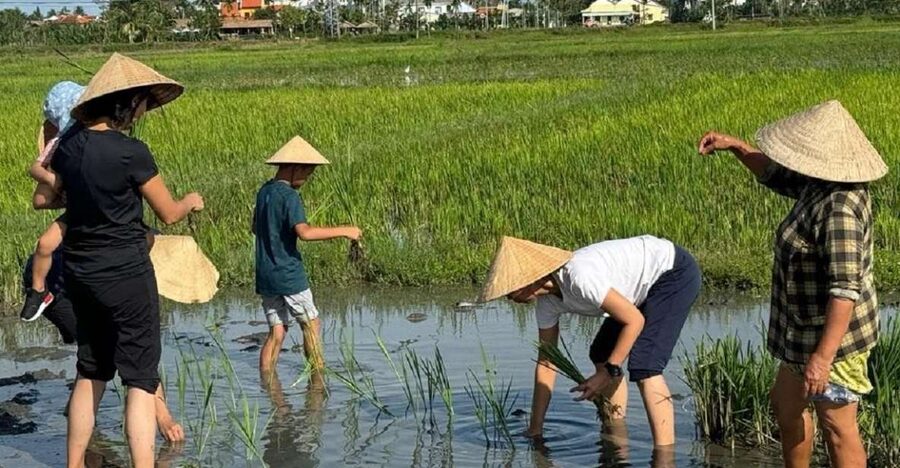
- Rice field work with farmers, including preparing ground and planting baby rice
- Palm-thatched house making watching, a look at a skill still used by local builders
- Meet a fisherman family, with coconut jam and local tea
- Catch fish and purple crabs, using unique fishing nets
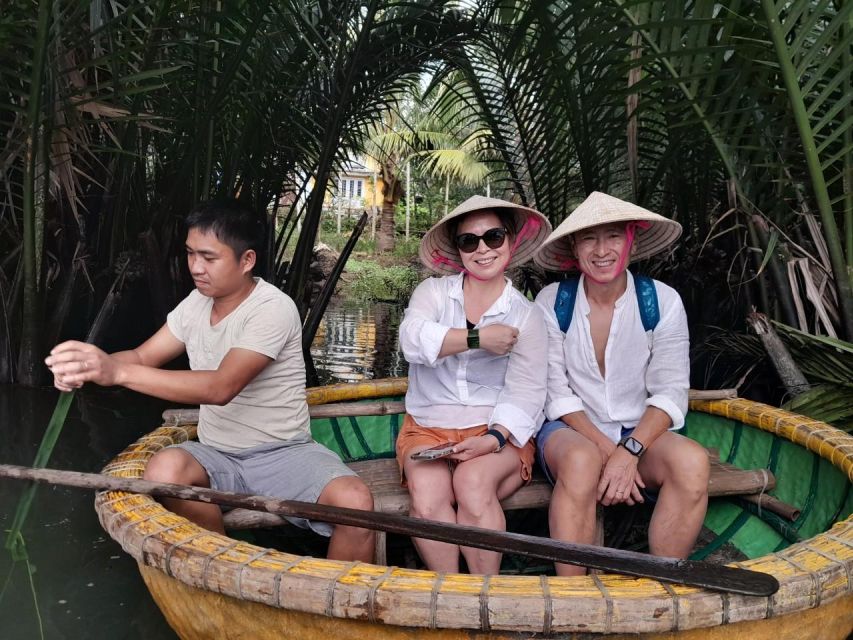
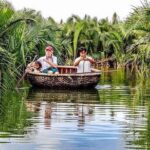
- Paddle the bamboo basket boat, a signature Vietnamese way to fish and travel
Cam Thanh: where village work meets the war stories
Cam Thanh sits about 5 km from Hoi An’s Old Town, and it feels like a living work zone more than a showpiece. The area was used as shelter during the American-Vietnam war, and today it’s known for seafood, fresh vegetables, and rice that feed the Hoi An area. That matters because you’re not only seeing nature, you’re seeing how people produce food day after day.
On this kind of trip, the big win is the social side. You get time with villagers, farmers, and fishermen, and the guide can connect the dots between daily work and the war-time role of the waterways. You’ll also see how coconut palms shape life here, from shade and materials to the fishing routines in the water palm channels.
You can also read our reviews of more cycling tours in Hoi An

Getting moving: pickup, timing, and how hard the cycling really is
You can start in two windows: 8:30am to 1:00pm, or 2:00pm to 6:30pm. The tour is designed for a half-day experience, not a marathon, and most of your time is spent on village stops plus a few active moments.
Pickup is available as an option in the Hoi An area, with multiple pickup choices that can include Ngũ Hành Sơn, Hội An, Da Nang, and Điện Dương (details depend on where you’re staying). One practical note: pickup and drop-off is not available from Vinpearl Resort Golf Nam Hoi An, Hoiana Resort, Bliss Resort, Tui Blue Resort, or similar areas. If you’re staying in one of those, you’ll likely need to meet elsewhere.
How difficult is the ride? You’ll cycle around 6 to 7 km. That’s not far, but it’s still biking on local roads, so bring the mindset that this is part sightseeing, part movement. If you really want to go but cycling is not your thing, the operator says you can let them know, and they’ll find another solution.
The bike ride through fields and shrimp farms
After meeting your English-speaking guide and getting set up, you pedal through narrow village lanes toward Cẩm Thanh. This is one of those routes where the scenery is not the point. The point is passing everyday places that support the local food system.
Along the way, you’ll stop to see rice areas plus fish and shrimp farms. These stops are useful because they explain the local “why” behind everything you’ll do later. If you understand how shrimp ponds and rice fields fit into village income and daily schedules, the rest of the day makes more sense.
You also get an easier pace to take in how villagers live at working times. Don’t expect silence. You’re moving through a real production area where people are out and about, and that’s exactly why this feels authentic.
Stop in the rice paddies, then plant baby rice with farmers
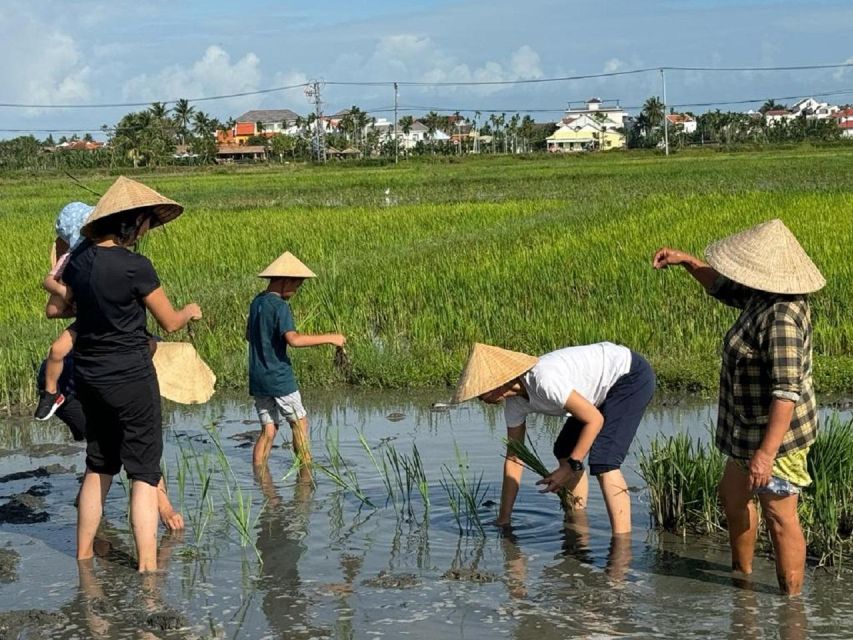
One of the strongest parts of the experience is the direct farm involvement. You’ll meet local farmers and join them with field work, including ploughing and preparing the ground, then planting baby rice in the field you just prepped.
This is not a “watch from a distance” situation. It’s hands-on, and that’s what makes it memorable. You’ll see the effort behind something that is usually reduced to a bowl of rice on a plate. And because farmers here are working, not performing, the process feels grounded.
Two practical tips help a lot. First, wear clothes you don’t mind getting a little dusty or muddy, because paddies and farm edges can be damp. Second, keep expectations flexible. The guide can’t control the pace of farming, and field work often moves at a local rhythm.
Water buffalo ride and feeding: fun, but be respectful
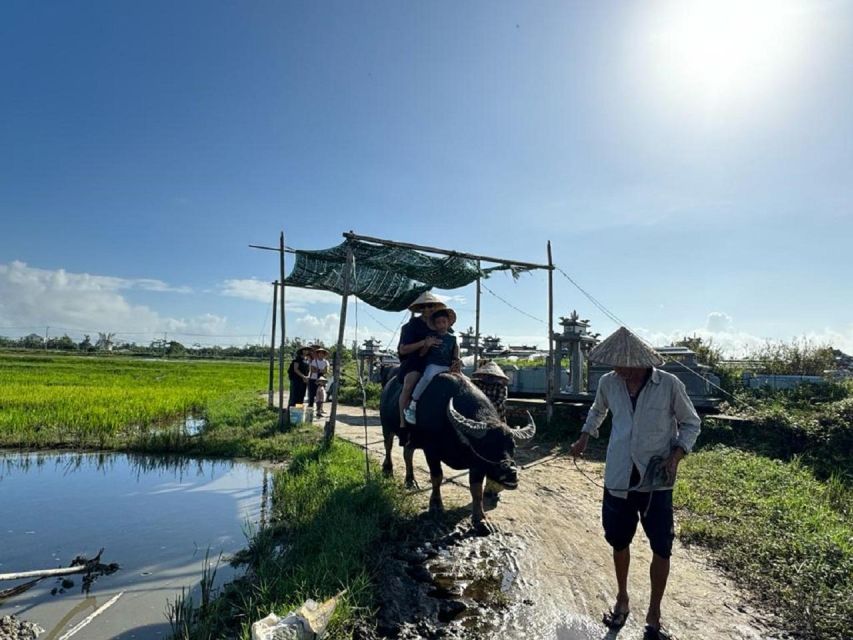
Yes, you might get to ride water buffalos and then feed them. This is one of the headline highlights, and it can be genuinely enjoyable because it’s a direct link to how the countryside supports farming.
But approach it with a respectful, calm attitude. Animals can be unpredictable, and you’ll have more fun if you follow the guide closely and avoid sudden movements. Also, plan for the reality that you’re in a working village setting, not a staged petting zoo.
If you’re traveling with kids, this is the kind of moment that makes the day feel special fast. If you’re an adult who prefers quieter sightseeing, it can still be worth it because it’s short, guided, and tied to the farming story.
More Hoi An lantern evenings, food walks, village rides, island trips, and central Vietnam day tours to compare

Watching palm-thatched house making and learning what materials mean
Another part of the day focuses on traditional building work, including watching local people make palm-thatched houses. Even if you don’t plan to “build anything,” this helps you see why coconut and palm materials are central here.
It connects the environment to everyday life. The palms aren’t just scenery. They’re shelter materials, shade makers, and a local resource that keeps working year after year. When you later see water palm areas and fishing routines, it’s easier to understand why this landscape and these livelihoods are connected.
This stop also brings a more cultural layer than the animal and fishing moments. If you want a day that doesn’t swing only toward action, this kind of craft watching adds balance.
Fisherman home visit: coconut jam, tea, and family conversation
You’ll stop at a fisherman home, where you’ll taste coconut jam and tea, and you’ll meet family members. This is a “slow down” part of the day, and it’s valuable for two reasons.
First, food is a cultural language. Coconut jam might sound simple, but it helps you understand how ingredients travel from local production into daily meals and treats. Second, meeting the family gives context for fishing life beyond the water. You learn how families share work and how routines run off the tides and the local fishing cycle.
This break is also where the guide’s storytelling comes through. You might hear interesting, true stories about what happened during the war time, connected to how the village sheltered people and how the waterways still matter today.
Fishing work in the water palm paradise, with nets and purple crabs
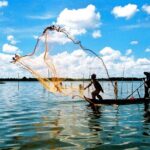
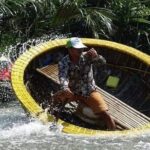
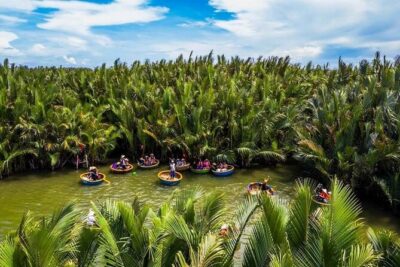
The heart of the experience is learning and sharing fishing techniques with local fishermen. You may catch fish and purple crabs using unique fishing nets, and then you’ll learn how to paddle a traditional Bamboo Basket boat.
Catching purple crabs is a particularly memorable detail because it shows the specific, local adaptation of fishing gear and technique. It’s not generic “try to catch something.” It’s local know-how in action, and it’s guided enough that you’re not left guessing.
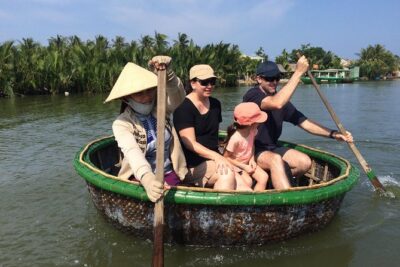
The bamboo basket boat part is where many people feel the difference between “tour” and “tradition.” You’re not only sitting in a boat. You’re handling the boat with local technique, which makes it feel like a skill, not a ride.
Still, there are limits. You’re a visitor, and the fishermen are the experts. Your role is to learn and participate, while they manage the bigger picture. That’s exactly what makes the experience good value, because the time spent is practical, not just scenic.
Lunch at a local home: fuel after farm and fishing
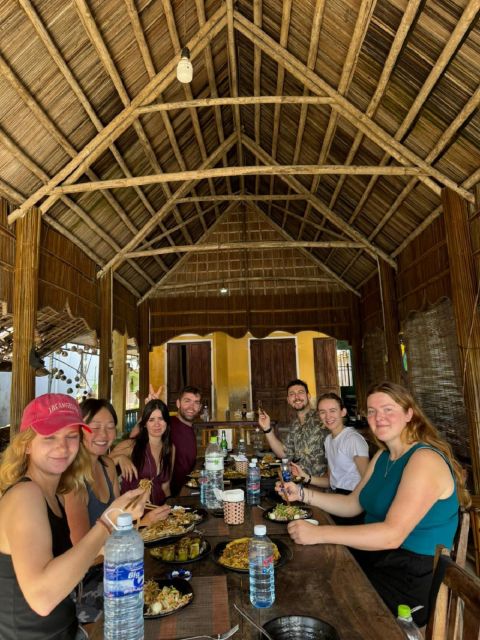
Lunch happens at the local home, and it’s included. This matters more than you might think because the day mixes active farm work, animal handling, and time on the water. Eating locally after those efforts is part of the flow.
What should you expect? You can expect a traditional lunch style meal as part of the cultural day. You’ll also have already had coconut jam and tea earlier, so the pacing is designed to keep energy up and keep you comfortable between activities.
One small practical thing to plan for: after touching nets, water edges, and farm ground, you’ll likely want to freshen up a bit before your meal. Bring something simple if you’re sensitive to smells or dirt.
Price and value: what $34 buys you in the real world
At $34 per person for 4.5 to 6 hours, the price feels reasonable for what’s included. You’re not only paying for a guide and a couple photos.
Your money also covers:
- hotel pickup and drop-off in the Hoi An area
- English-speaking guide time
- bicycles and bamboo basket boat transportation
- entrance fees
- lunch
- cold water
More importantly, it buys access to participation: rice planting, fisherman conversation, and fishing-style catching (including purple crabs). If you’ve done tours where the main activity is sitting in a vehicle, this is different. It’s closer to a workday with village stops, and that’s why it tends to feel worth it.
If you’re price sensitive, look at whether you’ll use the included components. If you like hands-on activities and don’t mind getting slightly dirty, value improves fast. If you prefer air-conditioned comfort and minimal physical effort, you might feel $34 is better spent elsewhere.
Who this is best for, and who might not love it
This tour is a good match if you want a practical culture day. You’ll likely enjoy it most if you like:
- meeting villagers in a real setting, not just at a market
- hands-on activities, from planting rice to fishing techniques
- a half-day schedule that still feels full
It may be less ideal if you:
- strongly dislike cycling at any distance, even 6 to 7 km
- want a purely sightseeing pace with no animal contact or farm work
- are very sensitive to getting a little dirty, because farm edges and nets are part of the day
If you’re traveling with mixed ages, the guide says activities are fun, safe, and interesting for people of all ages. Still, your comfort level depends on how your body handles biking and field work.
Should you book this Cam Thanh cycling and fishing life experience?
I’d book it if you want your Hoi An day to feel like participation. The combination is rare: bicycle time through local lanes, rice field work with farmers, water buffalo moments, a family visit with coconut jam and tea, then fishing practice plus bamboo basket boat paddling.
Skip it only if you’d rather avoid hands-on farm and fishing activities, or if cycling distance is a hard no. The good news is that the operator says if you want to join but you cannot cycle, you can ask them for another solution.
If your goal is authentic village life around Cam Thanh, this one checks the boxes without overcomplicating the day. It’s a half-day tour that gives you real context for how people live and work in central Vietnam’s coconut-palm world.
FAQ
How long is the tour?
The duration is 4.5 to 6 hours.
What are the departure times?
There are two time slots, from 8:30am to 1:00pm, and from 2:00pm to 6:30pm.
Where does pickup happen?
Pickup is available with options around Hoi An area, including Ngũ Hành Sơn, Hội An, Da Nang, and Điện Dương, depending on your selection. Pickup and drop-off are not available from Vinpearl Resort Golf Nam Hoi An, Hoiana Resort, Bliss Resort, Tui Blue Resort, or similar areas.
How far do I cycle?
You ride a bicycle around 6 to 7 km.
What if I cannot cycle?
If you would love to join but could not cycle, you should let them know so they can find another solution.
What’s included in the price?
Included are an English-speaking guide, basket boat and bicycle transportation, hotel pickup and drop-off in the Hoi An area, entrance fees, cold water, and a traditional lunch or dinner at a local home.
Do I get to do fishing activities?
Yes. You learn and share fishing experience with local fishermen, including catching fish and purple crabs with unique fishing nets, and you paddle a traditional Bamboo Basket boat.
Can I cancel for a refund, and is pay later available?
You can cancel up to 24 hours in advance for a full refund. You can also reserve now and pay later, so you pay nothing today.
More Fishing Tours in Hoi An
More Cycling Tours in Hoi An

More Tour Reviews in Hoi An


Not for you? Here's more nearby things to do in Hoi An we have reviewed






Hoi An Farming & Fishing Tours, compared.
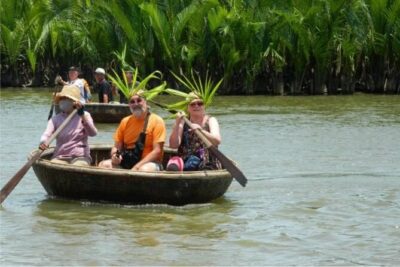 ★ 5.0Hoi An Farming And Fishing LifeFrom $4445 reviews
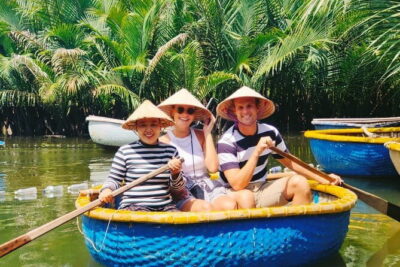 ★ 5.0Small Group Bicycle Tour with Farming and Fishing ExperienceFrom $3131 reviews
 ★ 5.0Hoi An Fishing Tour Private-Lantern /Cafe Making Class by LunchFrom $1928 reviews
 ★ 5.0Hoi An Farming and Fishing life Experience TourFrom $8317 reviews
 ★ 5.0Photography Tour Hoi An Fishing NetsFrom $2604 reviews
Browse the lists this tour appears in