
REVIEW · WORKSHOPS
Hoi An: Pottery Making Workshop With Local Craftsmen
Pottery gets personal fast. In Thanh Ha pottery village, you spend about 20 minutes making something with local people, then you walk away with a souvenir you made yourself. I love the hands-on, step-by-step feel, and I like that you get both a little gift and a finished piece to take home. One thing to consider: the workshop is mainly in Vietnamese, so English help can be limited.
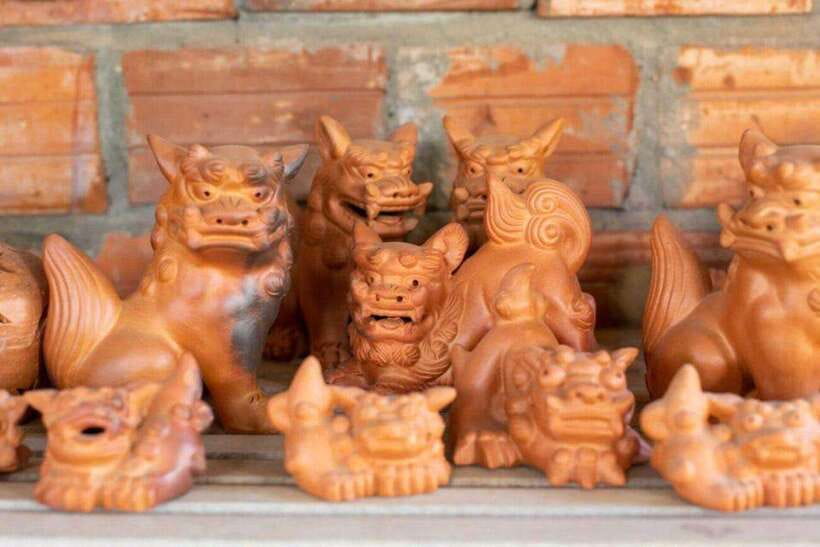
The class starts when a local craftsperson welcomes you in their home, shows you local pottery products, and guides you through the process from technique to finishing. You’ll work on core stages like drying, trimming, painting, and decorating, even if the session is short.
After the workshop, you can keep the experience going at a relaxed pace. You can explore the village area on your own, including the Xuan My Communal House and the Nam Dieu Temple, which relate to pottery founders.
Key Things I’d Put on Your Radar
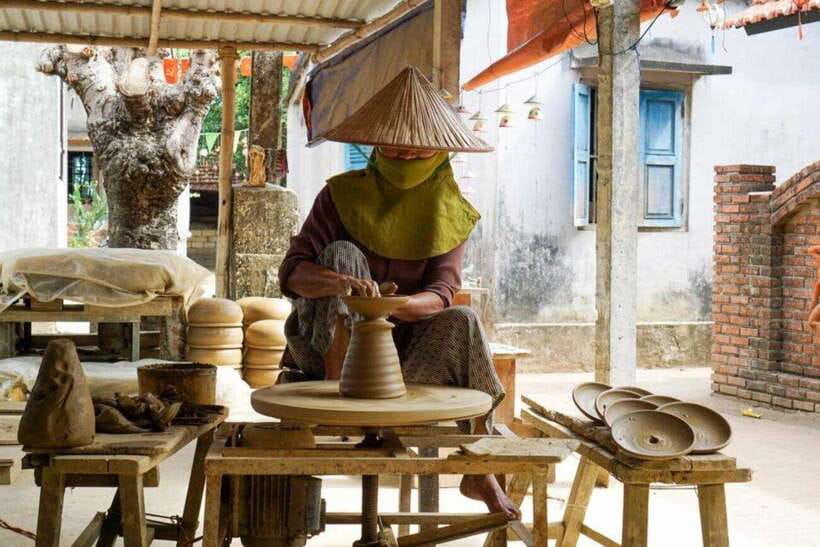
- A friendly welcome in a craft home right near Hoi An ancient town, not a big impersonal studio
- A complete mini-process covering technique, drying, trimming, painting, and decorating
- Take-home proof of your effort, including a souvenir made by you
- Short and realistic timing at about 20 minutes, with the option to extend
- Self-guided cultural stops at the communal house and temple
- Local communication style, since the instructor is Vietnamese and English may be limited
From Nguyen Sau Experience House to Thanh Ha: How This Workshop Sets You Up
This pottery workshop is designed for people who want a real craft moment in Hoi An without losing half a day. You begin at Nguyen Sau Experience House. It’s the kind of meeting point that makes sense because it’s close enough to Hoi An to be easy to fit into your schedule, but far enough that you actually feel like you’re getting into a working village.
One practical note that matters once you’re there: you’re told to stop at the ticket counter in the entrance gate to buy the Thanh Ha Village ticket. The activity price listed covers the pottery class and take-home items, but not the village entrance ticket. You’ll pay 35,000 VND per person at the gate.
You may also see wording that the booking helps you avoid the longest waits at the ticket line. In plain terms: expect to buy your ticket on arrival, but don’t waste time trying to hunt for it later.
If you like the idea of a “small, human-scale” workshop, this is the right setup. You’re met by local craftsmen, and the class is not framed as a performance for tourists. It’s more like you’re learning how they make pottery, in their environment.
More Hoi An lantern evenings, food walks, village rides, island trips, and central Vietnam day tours to compare



Inside the Workshop: What You Learn in About 20 Minutes
The class starts with a welcome at a local craft home. That’s a big part of why this experience works. Instead of watching from across a table, you’re treated as a participant from the first moment.
Here’s the flow you should expect:
First, you get an introduction to local pottery products. This helps you understand what you’re making and why the methods matter. It also gives context so the steps feel connected, not random.
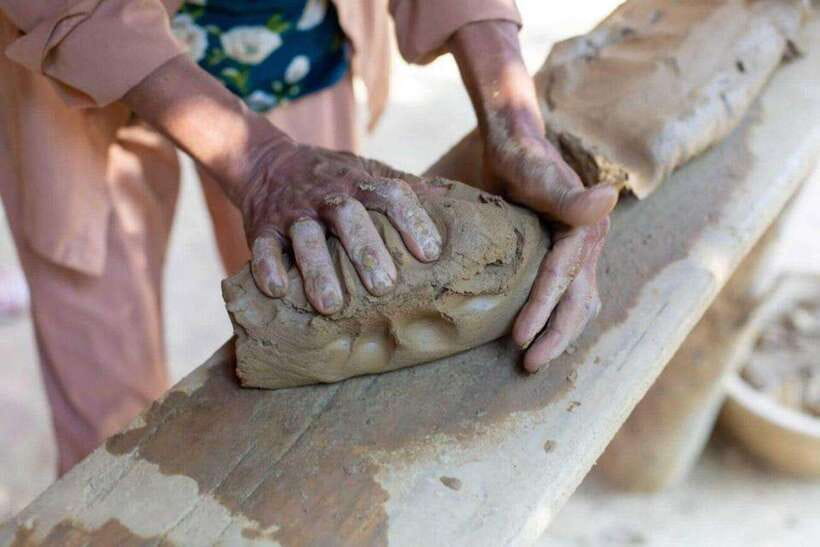
Then comes the hands-on part. You’ll learn pottery-making techniques and go through key stages, including drying, trimming, painting, and decorating. Even though the whole session is often around 20 minutes, the process is presented as a sequence, which is the best way to learn something practical.
Two details are worth keeping in mind because they affect your results:
- Short sessions mean priorities. You’ll focus on the most important steps of making and finishing, but you shouldn’t expect a slow, classroom-style pace.
- Drying and trimming are real steps, not filler. The workshop doesn’t skip the concept that pottery needs shaping and finishing stages, and your instructor will keep you moving.
English may be limited. So go in ready to communicate with a simple plan: point, watch closely, and follow the instructor’s demonstrations. This is also where your expectations help. If you want a lot of conversation, you might feel less comfortable. If you want to make, watch, and get your hands dirty, you’ll probably love it.
What You Actually Make, and How the Take-Home Part Works
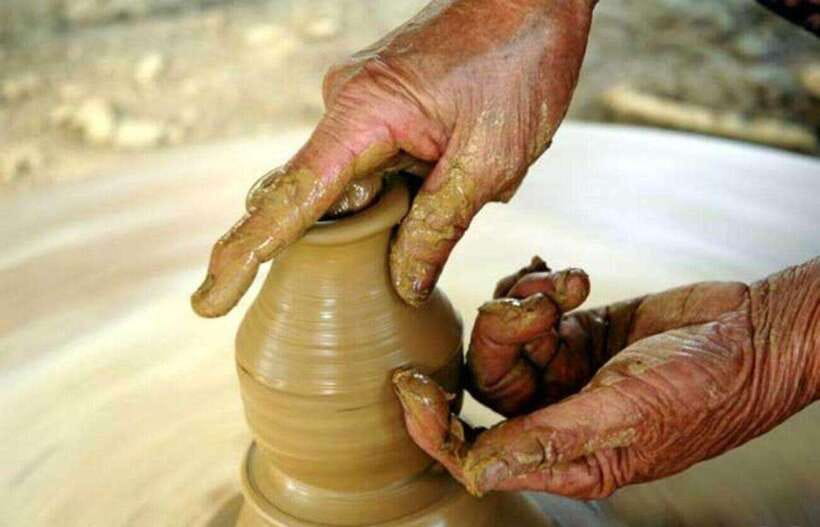
The best part of this workshop is what you end up with. You’re not just paying for a photo. You receive a souvenir made by yourself to take home, plus a little gift during or after the class.
The souvenir element is the real value driver here. You’ll walk away with an object that reflects your own effort, not a mass-produced item bought at a shop. And because the workshop covers multiple finishing stages like painting and decorating, your piece should feel personal in a visible way.
Also note that the class duration is often around 20 minutes, but you can extend the time to finish your product if you want. That matters if you’re the type who likes to take your time with decoration details, or if you want a cleaner final result. If you’re rushing to catch trains or meet someone, plan for the standard time and treat any extra time as a bonus.
One more practical thought: you’re in a craft village setting, so your piece may be one you’ll want to protect while traveling. The tour doesn’t mention special packaging, so keep that in mind as you plan how you’ll carry it.
After the Workshop: Xuan My Communal House and Nam Dieu Temple on Your Own
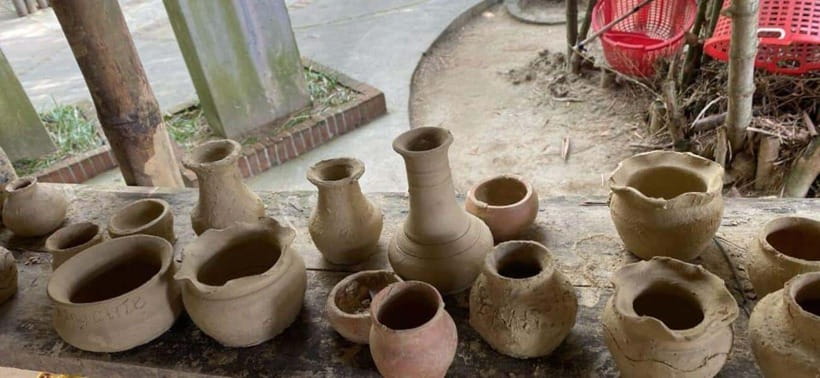
Once the class ends, you can explore independently. No need to rush back into a crowd. You can visit the Xuan My Communal House and the Nam Dieu Temple connected to pottery founders, then spend time around the village at a slower pace.
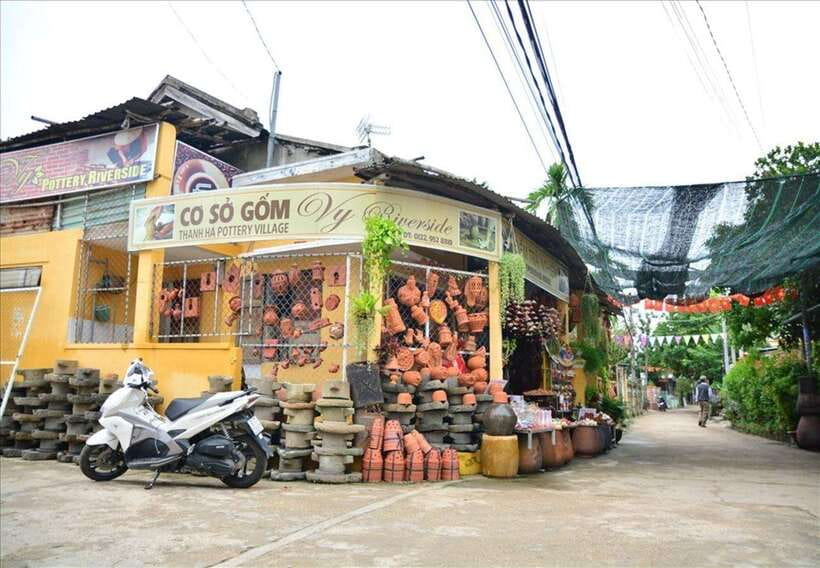
Why this self-guided part is valuable: the pottery story lands better when you connect craft with place. Even if you only skim the area, it helps you understand that pottery here isn’t a single activity. It’s tied to community life and local heritage, represented by specific sites linked to the people who developed the craft.
What to expect in practice: you’ll move around on your own after the workshop. The tour information frames it as peaceful and quiet, which fits the vibe of a pottery village compared with the energy of the Hoi An ancient town center.
Since your class is only about 20 minutes, this post-class freedom is a smart design. It lets you add culture without feeling locked into a long schedule.
Price and Value: Why $7 Can Still Make Sense Here
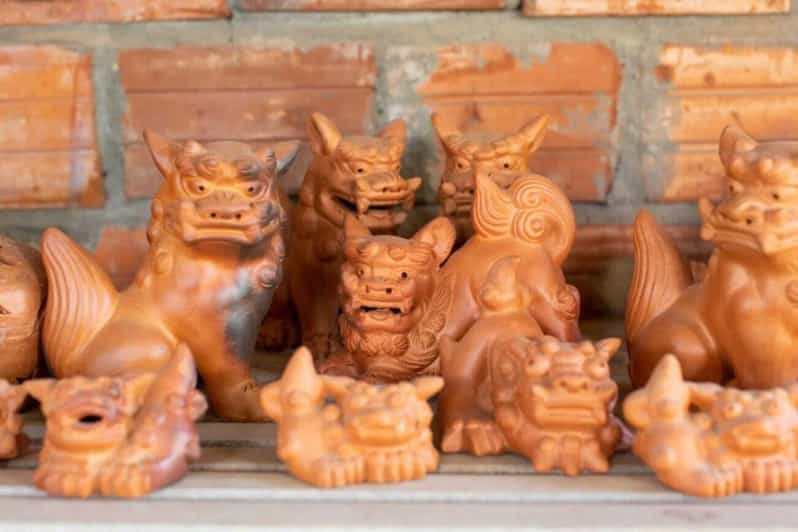
The headline price is $7 per person, and the included items do most of the work for the value argument.
Included in the price:
- Making pottery fee
- 01 little gift
- 01 souvenir made by yourself to take home
Not included:
- Thanh Ha Village entrance tickets (you buy at the gate for 35,000 VND/person)
- Hotel pick-up and drop-off
- Food and drinks
- Personal expenses
So the real math is simple. You pay $7 for the pottery session plus your finished souvenir, then you add the Thanh Ha Village ticket at the gate.
For many short activities, the take-home object is what makes the price feel fair. Here, the souvenir is part of the core offer, not an optional extra. Also, because the workshop is fairly brief, you’re not paying for a long guided tour day. You’re paying for a focused craft session and the outcome.
If you’re comparing options, ask yourself one question: do you want to do a short craft with a tangible end result, or do you prefer a longer class where you spend more time perfecting details? This one leans toward the quick, rewarding try-your-hand version.
And since the experience provider is Bay Mau Eco Travel, you’re getting a structured activity run through a travel operator, not a random street class.



Timing, Pace, and the Reality of Limited English
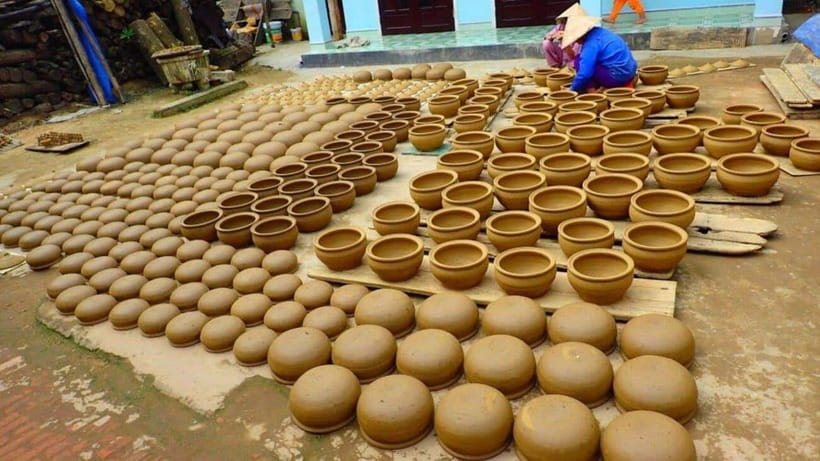
This is a short workshop, and that shapes the pacing. Expect about 20 minutes for the pottery making class. You can often extend the time if you want to finish your product, but the default plan is compact.
Language is a clear factor. The instructor is Vietnamese, and English communication is limited. That can be a dealbreaker for some people, but it’s usually fine if you approach it like this:
- Watch the hand movements closely
- Follow step order
- Accept that guidance may be mostly through demonstration
Also, the experience isn’t suited to wheelchair users. That’s an important constraint to respect. If you’re mobility-limited, you may want to consider a different activity in Hoi An.
One more practical detail that can save you time: the meeting point is Nguyen Sau Experience House, and you’re told to provide a WhatsApp number for easier contact. Even if you already know where you’re going, having WhatsApp ready helps the operator locate you quickly.
Who This Workshop Fits Best
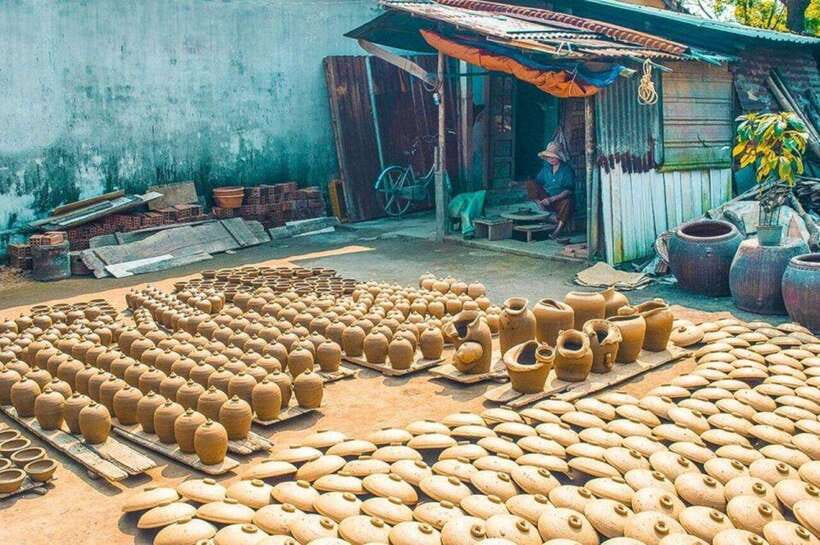
This pottery workshop fits best if you:
- Want a short, hands-on activity near Hoi An ancient town
- Care more about making a souvenir than about long lectures
- Like learning by doing, even if language support is limited
- Want a calm follow-up stroll around craft sites like Xuan My Communal House and Nam Dieu Temple
It may feel less ideal if you:
- Need step-by-step English explanations
- Are looking for a long class with deep instruction over multiple hours
- Use a wheelchair (not suitable)
Based on the simple feedback people left, the activity quality centers on being enjoyable and friendly. It’s the kind of short experience that feels pleasant rather than stressful.
Should You Book This Hoi An Pottery Workshop?
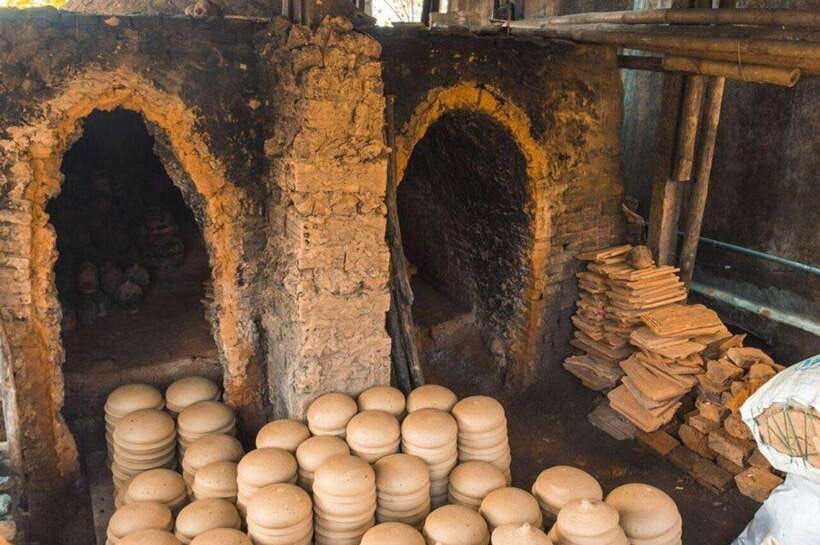
Yes, I think you should book it if you want a real craft moment with a take-home result, and you don’t need a long language-heavy class. The value comes from what’s included: the pottery-making fee, your own souvenir, and a little gift, all wrapped into a compact schedule.
Book with the right expectations. This is not a full-day pottery education. It’s a smart, efficient way to learn key steps like drying, trimming, painting, and decorating, then leave with something you made.
If your schedule is tight, this is a strong match. If you want help communicating, plan to rely on visuals and the instructor’s demonstrations.
FAQ
FAQ
Where is the meeting point?
You meet at Nguyen Sau Experience House.
How long is the pottery making class?
The pottery making class is often around 20 minutes.
How much does the workshop cost?
The price is listed as $7 per person.
Do I need to pay for Thanh Ha Village entrance?
Yes. Entrance tickets to Thanh Ha Village are not included, and you should buy the ticket at the entrance gate for 35,000 VND per person.
What’s included in the price?
The included items are the making pottery fee, a little gift, and a souvenir made by yourself to take home.
Is hotel pick-up and drop-off included?
No. Hotel pick-up and drop-off is not included.
Are food and drinks included?
No. Food and drinks are not included.
What language is used during the workshop?
The workshop language is Vietnamese, and English communication is limited.
Is this activity suitable for wheelchair users?
No. It is not suitable for wheelchair users.
More Workshops & Classes in Hoi An


More Tour Reviews in Hoi An
Not for you? Here's more nearby things to do in Hoi An we have reviewed










Workshops, compared.
 ★ 4.9Vietnamese Coffee Culture and Coffee Making ClassFrom $144,006 reviews
 ★ 4.9Vietnamese Foldable Lantern Making ClassFrom $103,742 reviews
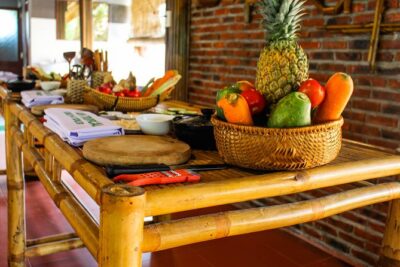 ★ 5.0Cooking Class Hoi An:Local Market, Basket Boat, Fishing & CookingFrom $283,660 reviews
 ★ 5.0Hoi An Cooking Class(Market,BasketBoat Crabfishing&Cooking Class)From $283,386 reviews
 ★ 4.8Market Tour, Basket Boat Ride and Cooking ClassFrom $172,208 reviews
 ★ 5.0Hoi An Full Lantern Making Class- A special Foldable lanternFrom $152,007 reviews
 ★ 5.0Hoi An Cooking Class(Local market,Basket Boat,Fishing & Cooking)From $281,323 reviews
 ★ 4.9Basket Boat Ride, Cooking Class by HangcoconutFrom $19802 reviews
Browse the lists this tour appears in