REVIEW · HOI AN
Hoi An: Experience Pottery Making With Local Craftsmen
Clay time beats souvenir shopping. You’ll learn Thanh Ha pottery village techniques while making a piece of your own. Two things I really like are the chance to take home what you create, and the relaxed, family-run feel where the whole process is taught patiently.
The only real catch is communication. The workshop runs in Vietnamese, and English is limited, so you’ll rely on gestures and good instruction more than a long explanation. Also, the class often takes longer than the 20 minutes on the schedule, so plan your day with extra breathing room.
Key highlights not to miss
- A workshop inside a local home gives you the real rhythm of daily craft life
- Turntable or wheel work guided by patient instructors who slow down when needed
- You paint your own pottery for a souvenir that looks like you, not like mass production
- A take-home piece is included, plus options to make more if you want
- Quiet village follow-up lets you explore nearby cultural spots after the class
Hoi An Pottery Making in Thanh Ha: What This Workshop Is Really Like
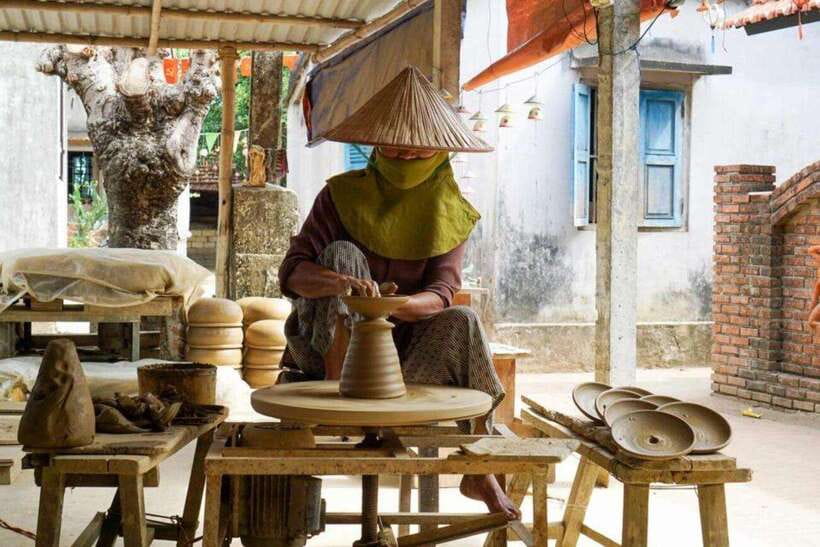
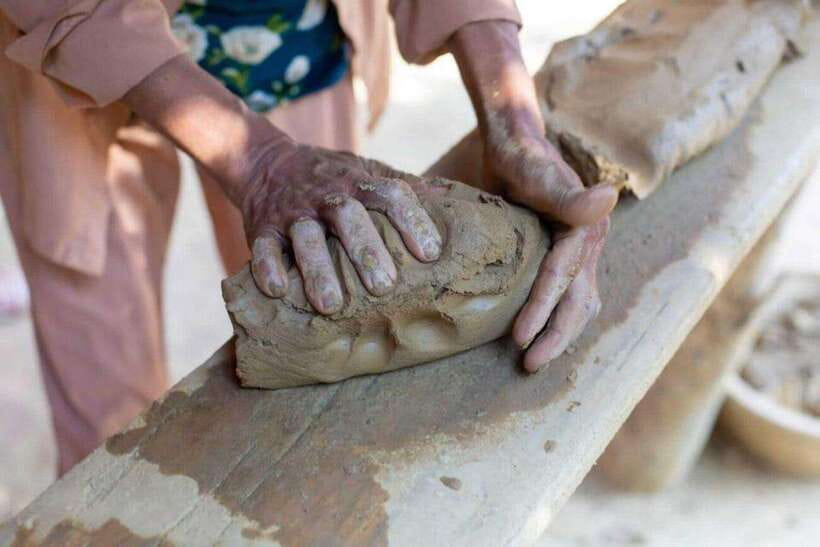
This is one of those activities that feels small on paper and better in real life. It’s pottery making in Thanh Ha pottery village, just a short distance from Hoi An ancient town, but you spend your time away from the big tourist buzz. Instead of watching from the back, you sit down and make something with your hands.
What makes it special is that it’s not staged. You’re greeted by a local craftsman at their home workshop. Then you get a quick introduction to the pottery products made in the village, and you start making your own pottery product. You’ll also receive a small gift during the experience. After the pottery part, you paint your creation.
Two extra details make it feel authentic: you’re working with techniques shaped by local life for centuries, and the hosts are part of the family doing the craft. One review note that really sums up the vibe: it’s wholesome, relaxed, and you’re helped without being rushed.
One practical point before you commit: the class can be shorter or longer than the 20-minute label. Many people end up staying around an hour, sometimes closer to 90 minutes, once you add making time and painting time. So treat 20 minutes as a starting point, not the full story.
You can also read our reviews of more tours and experiences in Hoi An.



The Start: Meeting Nguyen Sau Experience House and Meeting the Craftsman
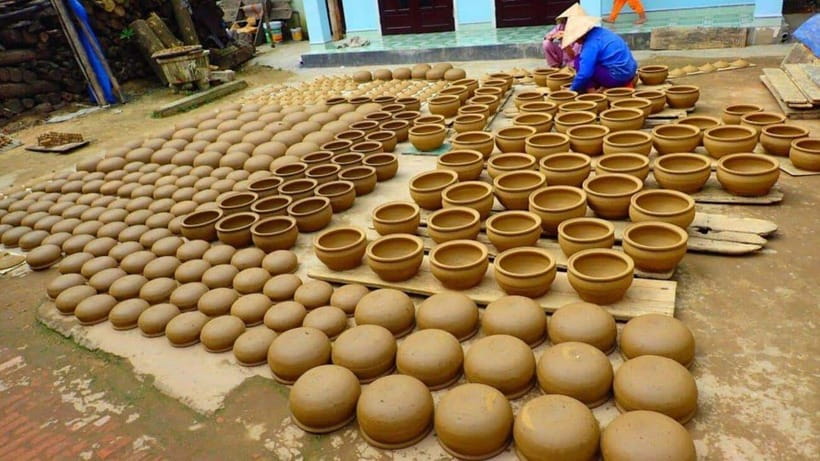
Most people arrive at Nguyen Sau Experience House first. That’s your meeting point. From there, you’ll connect easily with the workshop team, and you should be ready to share your WhatsApp number so they can contact you quickly.
Once you’re at the home workshop, you’ll be greeted by the craftsman. English communication is limited, so it helps to go with a simple mindset: watch, copy, ask with your hands, and don’t worry if your first attempt looks nothing like the sample.
This part matters because it sets the tone. You’re not walking into a classroom-style studio with strict timing and heavy lecture. You’re entering someone’s craft space, and the instructions are practical.
How the Pottery Class Works Step-by-Step
Here’s the rhythm of what happens during the pottery making experience.
1) A quick introduction to the village pottery style
You’ll get shown pottery products and basic technique. This is where you learn what shapes the village is known for and how the process usually goes. Even if you don’t speak Vietnamese, you can follow along because you’re seeing the items and the tools in real time.
This is also a good moment to look at what you might want to make. Different shapes mean different steps, and your final result will depend on your choice.
2) Making your own pottery product
You start the class and make your own pottery piece. People describe working on a turntable and using pottery-wheel style guidance. The key word in the reviews is help. The instructors are patient, and they guide you through the process even when your Vietnamese is limited.
You should expect to spend time shaping your piece, then moving on. Wheel time can feel different depending on timing and group pace. One person wished they had more wheel time because it felt a bit rushed, so if you’re the kind of person who wants extra hands-on time, schedule this earlier in your day.



3) A small gift
You receive a little gift during the experience. It’s not a long ceremony, but it adds a friendly, “this is family craft” feeling.
4) Painting your pottery
After the pottery shaping, you paint your creation. This is where you turn your piece from handmade-looking to actually personal. Some people make around three items, while others make one main piece. You’ll also often have guidance on styles and shapes, so you don’t just guess what color to use.
Painting time is where the experience can expand beyond the 20 minutes. Many people end up staying 45 minutes total or closer to an hour to finish the full process, including painting.
What you get to keep
Your included souvenir is one piece you make yourself. Reviewers also mention keeping mugs and bowls they made. If you want more than one item, there are usually options to make additional pieces for an extra payment, and in at least one case, a wind chime was also available as something already made.
Price and Value: Why $7 Can Feel Like a Real Deal
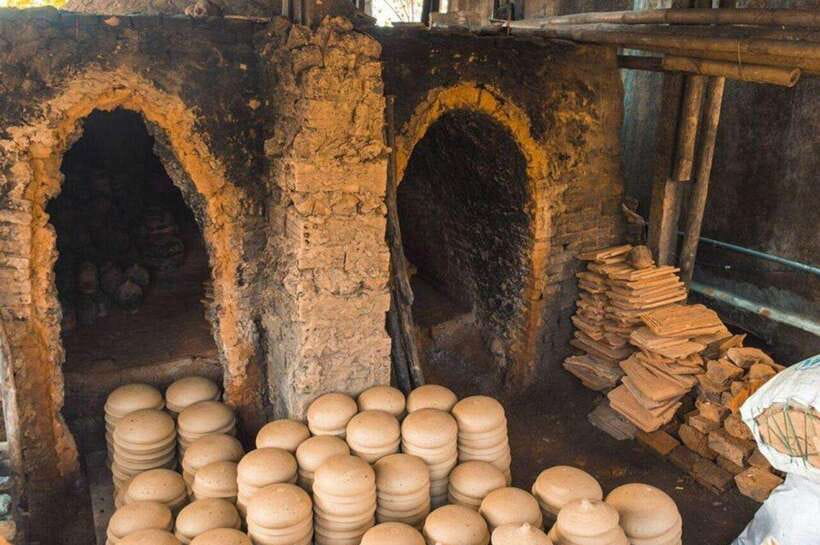
The price listed is $7 per person, and on paper it sounds almost too good for hands-on pottery. The value comes from three things.
First, you’re not just buying a finished souvenir. You’re making it, shaping it, and painting it with guidance. That effort changes the souvenir from generic to meaningful.
Second, the experience is set in a living craft environment. You’re welcomed into a local home workshop, not a retail shop pretending to be local. That intimacy is a big part of the appeal, and it’s hard to fake.
Third, the class includes more than just “try a hobby.” You get introductions, step-by-step help, a take-home piece, and a small gift. Even if the language barrier is real, the craft itself is visual and learnable.
Now, the fine print that affects real cost: the Thanh Ha Village entrance ticket is not included, and it’s listed as 35,000 VND per person. The good news is you can skip the ticket line. Still, you should budget for that extra ticket so you aren’t surprised when you arrive.
Also note what’s not included: hotel pickup and drop-off, food and drinks, and personal expenses. So plan to snack before or after, or bring simple water if you’re the kind of traveler who hates running around for drinks.
Location Logic: How This Fits With a Hoi An Day
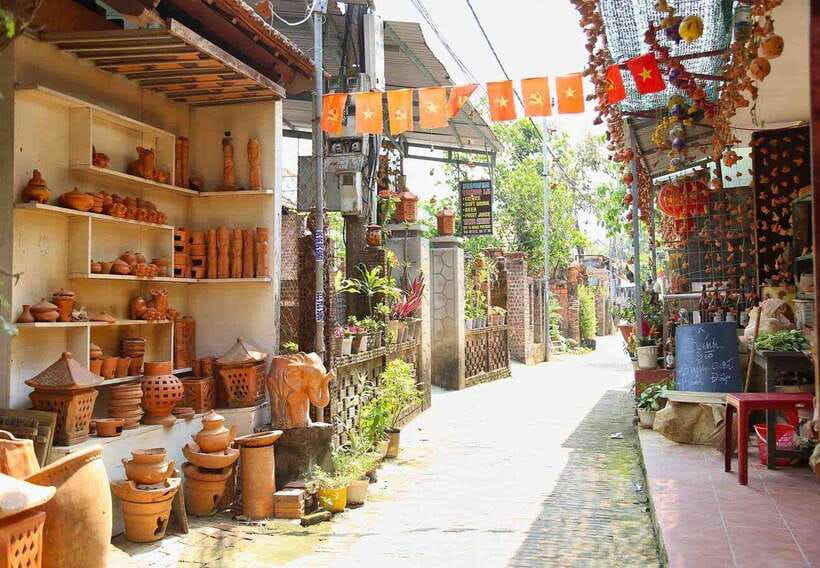
This workshop sits just outside Hoi An ancient town. That’s useful because you get the best of both worlds. You can do old-town sights in the morning, then get your hands dirty in a calmer village setting.
After the class, you can visit around on your own:
- Xuan My Communal House
- Nam Dieu Temple of the pottery founders
Having these as a self-guided add-on is smart. It keeps the pottery experience from turning into a rushed checklist. You can take a slower pace and enjoy the crafts around you.
One more timing tip from the lived experience of others: don’t pack your schedule too tightly. The workshop is labeled around 20 minutes, but making plus painting can easily stretch. If you have another activity booked immediately after, you might feel time pressure.
Communication and Comfort: What to Expect When English Is Limited
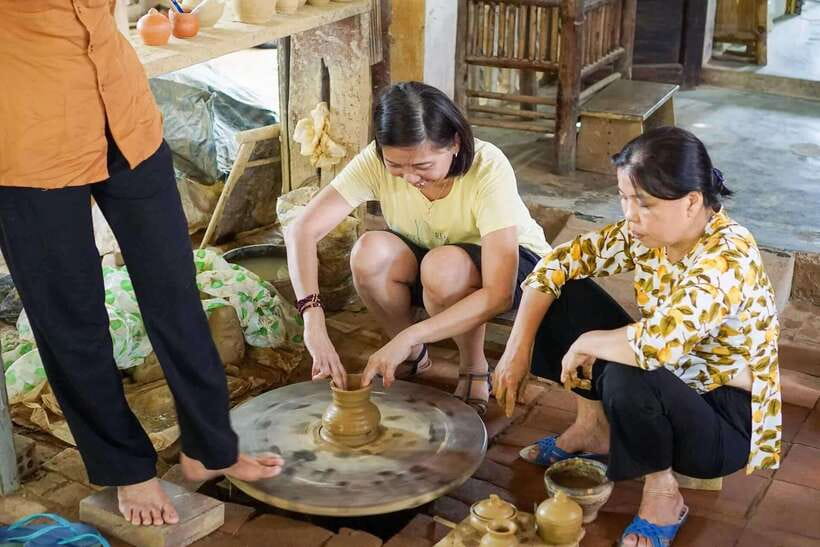
You’ll be working in Vietnamese, and English is limited. This can sound scary, but in practice it’s manageable.
How?
- You’ll see demonstrations and examples.
- You’ll copy the instructor’s hand movements.
- You can ask questions with your phone using translation, if you want.
- And most importantly, the hosts are described as patient and helpful.
One review specifically notes an older couple being friendly and helpful even without shared language. That’s a good sign that the workshop is built for real visitors, not just locals.
If you want to feel more confident, go with one simple goal: make one piece you’ll proudly use at home. That mindset helps you focus, even when explanations are short.
The Biggest Practical Considerations Before You Book
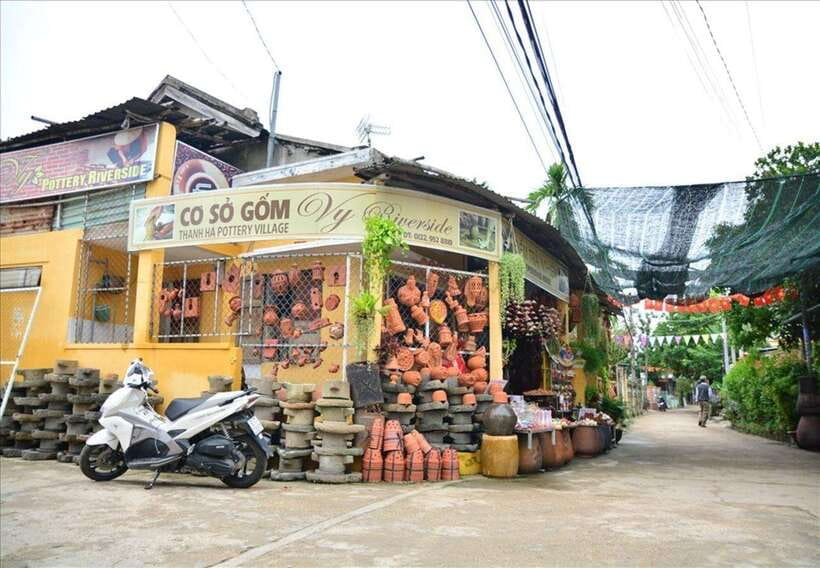
Here are the things that most often matter when this sort of workshop goes right or wrong.
Plan for extra time
Even when it says 20 minutes, a more realistic expectation is that you spend time shaping and then painting. Many people end up around an hour. Some stay closer to 90 minutes if they take their time or make multiple pieces. Build in buffer.
Wheelchair access is not available
This activity is not suitable for wheelchair users. If mobility is an issue, it’s worth considering alternatives in Hoi An that are fully step-free.
Budget for the village ticket
Remember the 35,000 VND entrance ticket isn’t included. You can skip the ticket line, but it’s still an extra cost you should expect.
If you want more wheel time, aim earlier
If you’re sensitive to being rushed, schedule the session when you aren’t juggling other deadlines. A smoother pace usually comes from having time to finish.
Who This Workshop Suits Best
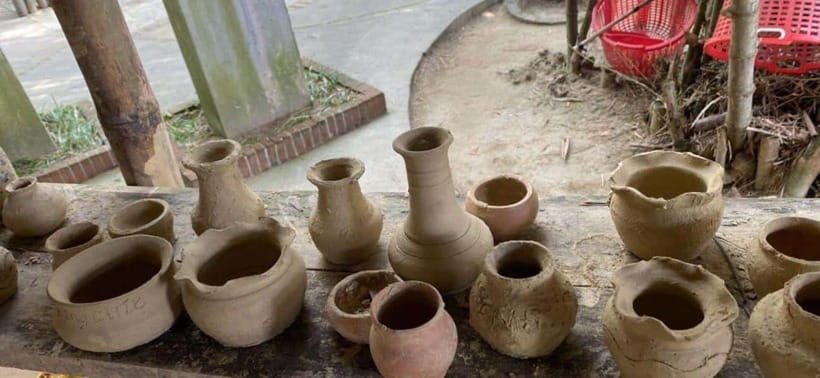
This pottery experience is a strong fit for you if you want an authentic, hands-on activity without a big language hurdle.
It works especially well for:
- Couples who want something different from typical tours
- Families with teens who can handle simple instructions
- People who like making art but do not want a long class
- Anyone who values quiet craft life over crowds
It’s also a good “rain plan” type of activity. The workshop is in a home-based setting, so it’s less about chasing sights and more about doing something creative in one place.
After the Workshop: Turning Your Piece Into a Souvenir With Meaning
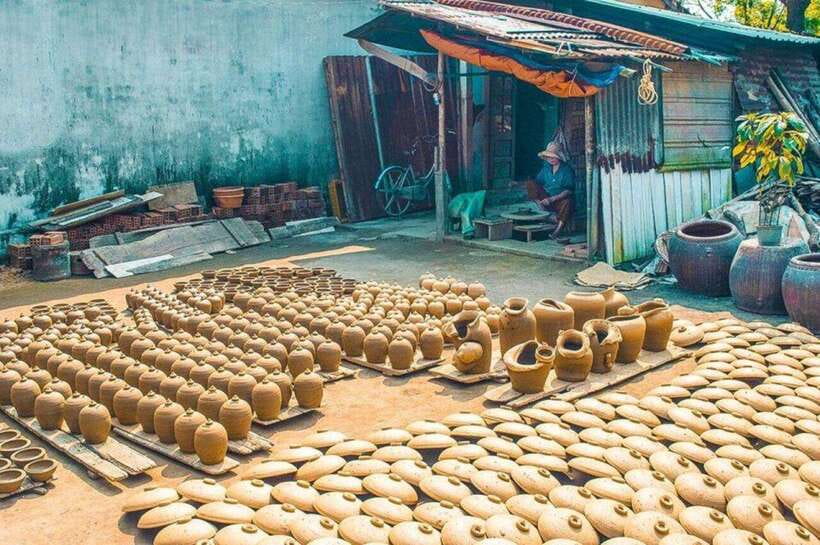
The best part isn’t just that you leave with pottery. It’s the feeling that you made it. When you choose the shape, shape it, paint it, and then pack it away, it becomes a story you can tell later.
And because the village makes pottery for generations, you’re not just doing a craft for fun. You’re connecting with a local way of life that depends on skilled hands and repeated practice.
When you add the chance to visit nearby sites like Nam Dieu Temple and Xuan My Communal House on your own, you can turn one short workshop into a complete cultural half-day.
Should You Book This Hoi An Pottery Making Class?
If you want a meaningful souvenir and an experience that feels human, yes, book it. The value is strong for the price, and the process is guided enough that you don’t need prior skill.
I’d especially recommend it if you can handle limited English and you can spare enough time for making and painting. If your schedule is tight, adjust your day so you do not feel rushed. And if mobility access is a concern, skip this one.
Bottom line: for a low-cost, hands-on craft in the Thanh Ha pottery village area near Hoi An, this is the kind of activity that leaves you with something better than a photo.
FAQ
How long is the pottery making experience?
The pottery making class is often around 20 minutes, but you can extend the time if you want. Many people end up staying longer because of the time needed to finish the pottery and paint it.
What is the total price, and what else might I need to pay?
The listed price is $7 per person. The Thanh Ha Village entrance ticket is not included and costs 35,000 VND per person.
Is the class taught in English?
The workshop is in Vietnamese, and English communication is limited.
What’s included in the $7 experience?
You get the pottery making experience plus one souvenir made by yourself.
Do I need hotel pickup or drop-off?
No. Hotel pick-up and drop-off are not included.
Where do I meet the group?
The meeting point is at Nguyen Sau Experience House.
Can I cancel for a refund?
Yes. Free cancellation is available up to 24 hours in advance for a full refund.
Is this activity wheelchair accessible?
No. This activity is not suitable for wheelchair users.