
REVIEW · TOURS
Hoi An Craft Villages And Lantern Making Tour
Craft villages and lanterns, all in one afternoon. This tour strings together a Thu Bon River boat ride with real working villages, plus a lantern-making stop in Hoi An.
I love how the group stays small, with a maximum of 15 people, and it often runs even smaller. I also like the guide factor, since the English can be clear and lively, with one standout example being Emily.
One heads-up: the pottery stop leans heavily into terracotta. If you expected glossy, museum-style ceramics only, you may find it more plain and utilitarian.
Key highlights you should plan around
- Thu Bon River cruise time gives you a slower pace between village stops
- Kim Bong Carpentry Village connects woodwork to boat and furniture traditions
- Thanh Ha Pottery Village shows how everyday pottery is made, not just sold
- Lantern making lesson is a direct look at Hoi An’s signature craft
- Small-group size helps you actually ask questions and hear the details
A half-day Thu Bon cruise with real craft villages
Hoi An’s craft culture isn’t just something you shop for. It’s how families have earned a living along the river for generations, and this tour is built around watching that work up close.
What makes it feel worth your time is the rhythm: boat first, then villages. You get movement and scenery without spending the whole afternoon in traffic. And because the tour uses English speaking guides, you should be able to follow the “why” behind each craft, not only the “what.”
This is also a good option if you want culture without a marathon. At about 4.5 hours total, you can fit it between other Hoi An highlights while still feeling like you did something hands-on, not just passively sightseeing.
You can also read our reviews of more tours and experiences in Hoi An.



Price and logistics that feel fair for $40
At $40 per person for a 4.5-hour outing, the value is mostly about what’s included. You get hotel pickup and drop-off in Hoi An city center, bottled water, air-conditioned transport, and boat rides between stops.
Entrance fees are also included, which matters here because you are paying to enter craft areas and related stops. The tour also includes travel insurance and uses an English speaking guide (other languages may be available on request with a surcharge).
Your money also buys a calm format. The max group size is 15, and from the vibe described by past guests, it can run much smaller. That usually means fewer people competing for the guide’s attention and more time to look closely at tools and finished items.
The only cost you should expect beyond the ticket is the usual travel stuff: personal expenses and tips. So if you want to keep costs predictable, set a small shopping budget in advance and stick to it.
Getting picked up and keeping the pace comfortable
This tour includes pickup and drop-off in Hoi An city center, which makes it easier than trying to time buses or rideshare between three separate craft stops.
The schedule is built to include two boat rides plus time on land:
- Kim Bong first by boat (about 30 minutes)
- Then another boat ride to Thanh Ha
- Then a lantern stop back in Hoi An with no paid admission
Because it’s timed this way, you’re not constantly switching transportation modes. It feels like a single plan with short transitions. That matters in Hoi An, where walking between the right spots can be more complicated than it looks on a map.
One more practical point: you’ll be in a group, so wear your patience lightly. But with small numbers, the guide can slow down if questions come up. If you want to ask about materials, tools, or how the crafts are passed down, this format gives you room to do it.
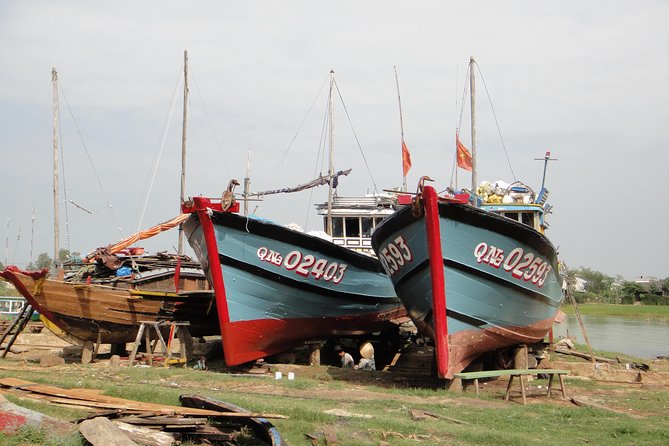
Kim Bong Carpentry Village, where woodwork meets local boats
Kim Bong Carpentry Village is your first craft stop, and it starts with a short boat ride over the Thu Bon area. That approach is more than scenic. It sets the tone that these villages are river-connected, built around practical trades.
On arrival, you’ll spend about 1.5 hours at Kim Bong. This village has roots going back to the 15th century, when artisans arrived from Thanh Hoa, Nghe An, and Ha Tinh. That migration detail is useful because it explains why the craft here isn’t “random,” it’s part of a transfer of skill across regions.
This stop is where you’ll see carpentry used for more than furniture. The tour notes pottery making later, but here the focus includes boat building and furniture crafting. In other words, you’re looking at woodwork that serves the local lifestyle, not only items made for tourists.
What to expect:
- Watching the woodcraft process rather than only viewing finished pieces
- Learning how tools and techniques are used for practical objects
- Asking questions about how the trade works as a livelihood
Potential drawback: if you are mostly into ceramics or lanterns, you might find this stop a bit technical. Still, it’s often a strong foundation for understanding how these communities use local materials and keep building skills over time.
Thanh Ha Pottery Village and the terracotta reality check

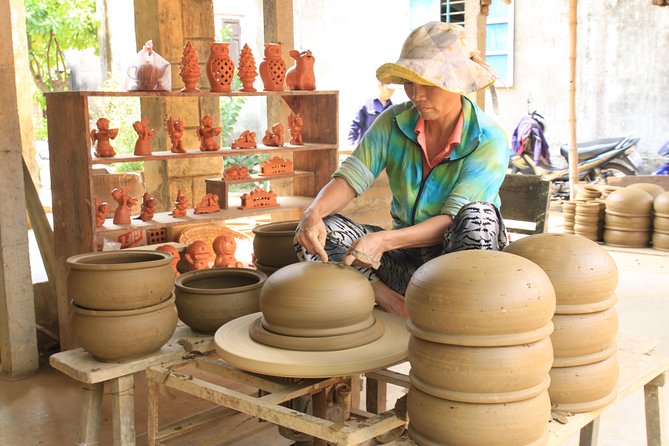
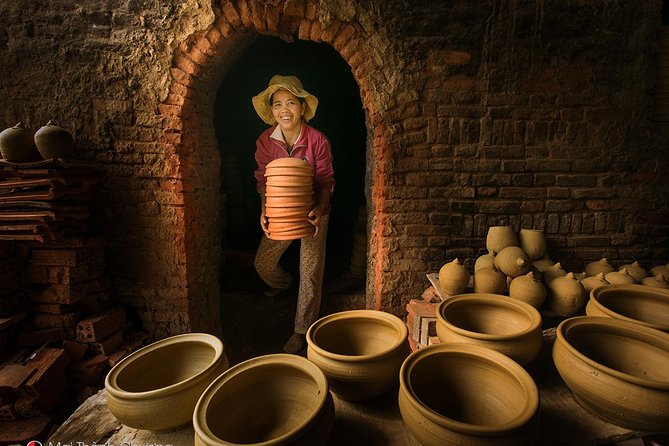
Next comes Thanh Ha Pottery Village, reached by another boat ride. You’ll have about 45 minutes here, and the goal is clear: observe pottery products being made, including items like vases, pots, and kettles.
Thanh Ha has a reputation as a pottery center, and the format is generally what you want from this kind of tour: watch real production, see what’s being made, and learn what materials and steps go into it.
Here’s the honest caution from experience patterns on similar tours, and it matches what past guests flagged: the pottery stop can feel very terracotta-forward. One person said it was all terracotta and rather plain, and that even when there was a terracotta museum component showing pottery through the ages, it still didn’t grab them much.
So who will like it most?
- You enjoy process and tools more than flashy finished objects
- You want practical “how it’s made” knowledge
- You don’t need glazed showpieces to feel satisfied
If your expectation is a highlight reel of decorative ceramic art, consider this your adjustment note. This is more about everyday utility and craft continuity than a glam product showcase.



A lantern craftsman in Hoi An, where the tour lands on a signature
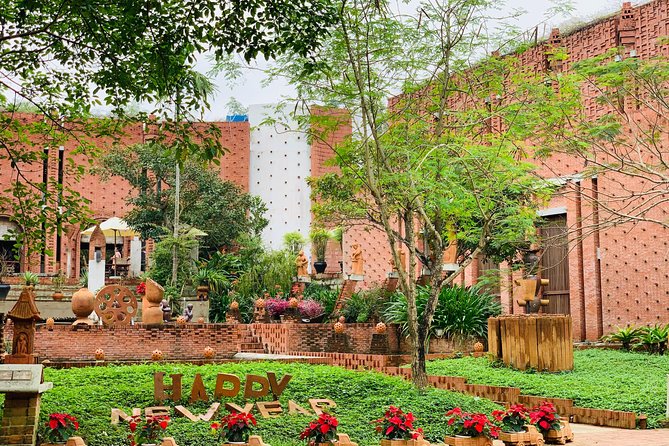
The final stop is a local lantern craftsman in Hoi An, with about 40 minutes allocated for learning. Importantly, admission at this stop is free, so the time goes to the lesson and the craft itself rather than extra entry fees.
Lantern making is a great closing chapter because it ties the whole tour together. Earlier you saw communities working with materials that fit the region and the river. Here you get the cultural side of craft, the kind that turns local skill into a visual identity.
What you should plan for during the lantern portion:
- Watching how lantern materials are prepared and shaped
- Learning the traditional art behind the craft
- Possibly seeing the workflow from concept to finished form
This is also where a small-group setup helps. With fewer people, the guide can translate details you might otherwise miss, like how artisans think about design, proportions, and durability of materials.
Even if you do not buy anything, this stop is usually the part that sticks. It’s tactile, visual, and very “Hoi An,” in a way that pottery and carpentry can become more abstract unless you connect it to everyday life.
Why the river route matters more than it seems
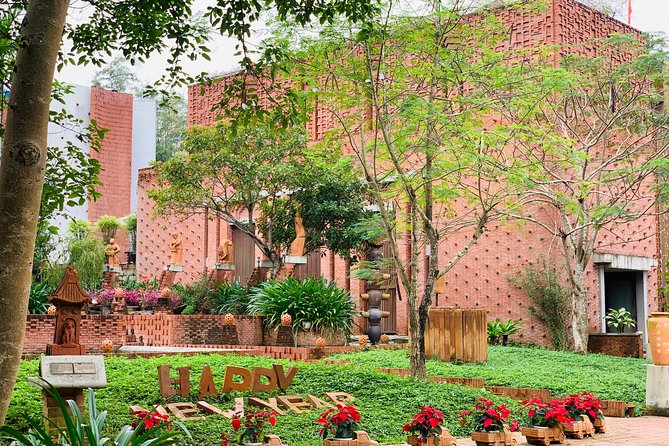
At first glance, a river cruise can sound like a scenic extra. On this tour, it actually shapes your experience.
The Thu Bon river transport connects the villages in a practical way, and it mirrors how these communities operate. When you move by boat between Kim Bong and Thanh Ha, the trades feel linked, not like three unrelated stops stacked together.
The river also resets your attention. Craft villages can be detail-heavy. Boat time helps you breathe between sessions, so you don’t feel like you’re rushing to the next photo spot.
In practical terms, the cruise:
- Reduces road time between stops
- Keeps transitions smooth
- Makes the afternoon feel like a single flow, not a scramble
So even if you are not chasing dramatic views, you still benefit from the pacing.
Guide quality is the difference maker here

The strongest praise from past guests centers on the guide, especially energy and communication. One review highlighted that the tour was excellent with an enthusiastic guide, and another specifically praised Emily for strong English and a knack for making the craft feel understandable and fun.
You should treat this as a “check the guide” tour, not a “passively follow along” one. The craft stops are visual and hands-on in feel, but the real learning happens when the guide connects what you see to how the villages work and why the traditions matter.
How to get more from the tour:
- Ask simple questions as you move between places: what’s the hardest step, what materials are local, how has the craft changed over time?
- Spend a moment looking at tools and unfinished items, not only the finished products
- If you shop later, you’ll be better at spotting quality because you understand the workflow
If you want a culture tour where conversation matters, this format tends to deliver.
What to bring, what to wear, and how to prepare
This tour is short, so you don’t need heavy planning. Still, you will be outside during parts of it, and boat rides can mean breezes and changing light.
Bring:
- A small water plan (bottled water is included, but you can carry extra if you run warm)
- Sun protection for daytime
- Comfortable shoes for walking on village paths
Wear:
- Light, breathable layers
- Clothing you’re comfortable moving in while you watch crafts
If you plan to buy lanterns or other items, keep in mind you’ll be carrying purchases through the rest of the day. A small bag that’s easy to manage can make a difference.
Also, keep your expectations tuned to what each craft offers. Carpentry and pottery are process-heavy. Lantern making is more visual and craft-identy. Matching your mood to each stop helps you get more satisfaction from all three.
Who this tour suits best
This is a good fit if you want:
- A small-group, half-day craft experience
- Real observation time at multiple working villages
- A river ride that breaks up the day
- Guides who can explain the trade, not just point at it
It may not be the best choice if you’re mainly interested in:
- Highly decorative ceramic displays with lots of glaze and shine
- Long museum-style time at a single venue
In that case, you may still enjoy the overall structure, but plan to treat the pottery stop as a “watch how it’s made” stop rather than a “wow factor” stop.
Should you book Hoi An Craft Villages and Lantern Making?
I’d book it if you want a practical craft day with boat rides, two major village stops, and a lantern lesson that ends in Hoi An’s signature style. At $40, the inclusion of pickup, transport with air-conditioning, boat rides, entrance fees, bottled water, and an English speaking guide makes it feel like a well-rounded half-day rather than a budget add-on.
I would pause and calibrate your expectations if terracotta ceramics do not interest you. The pottery portion can feel plain to some people, so if your ceramic taste runs toward decorative showpieces, go in knowing this is more about production and utilitarian forms.
If you’re on the fence, here’s the simple decision rule: if you enjoy watching how things are made and you like conversation with your guide, this tour is a strong bet.
FAQ
How long is the Hoi An Craft Villages and Lantern Making Tour?
The tour runs about 4 hours 30 minutes.
Is hotel pickup and drop-off included?
Yes, hotel pickup and drop-off are included for hotels in Hoi An city center.
What craft villages will I visit?
You’ll visit Kim Bong Carpentry Village and Thanh Ha Pottery Village, plus a lantern craftsman in Hoi An.
How long do I spend at each stop?
Kim Bong Carpentry Village is about 1 hour 30 minutes, Thanh Ha Pottery Village is about 45 minutes, and the lantern stop is about 40 minutes.
Are entrance fees and boat rides included?
Yes. Entrance fees and boat are included in the tour price.
Does the tour include an English-speaking guide?
Yes, the guide is English speaking. Other languages may be available upon request with a surcharge.
What’s included in the price besides the craft visits?
The price includes bottled drinking water, transportation in an air-conditioned vehicle, travel insurance, and transportation as per the itinerary.
Is there free cancellation?
Yes, free cancellation is available up to 24 hours in advance for a full refund.
Does the tour have a group size limit?
Yes, the tour has a maximum of 15 travelers.
More Tours in Hoi An






More Tour Reviews in Hoi An
Not for you? Here's more nearby things to do in Hoi An we have reviewed











Tours, compared.
 ★ 5.0Hue to Hoi An ( Hoi An to Hue) Top Gear with Lefamily Riders Tours ( 1 way)From $503,156 reviews
 ★ 5.0Full Day Golden Bridge and Ba Na Hills Small Group TourFrom $212,369 reviews
 ★ 4.8Market Tour, Basket Boat Ride and Cooking ClassFrom $172,208 reviews
 ★ 5.0Easy Rider private tour via Hai Van pass from Hue – Da Nang – Hoi An (1Way|Loop)From $551,542 reviews
 ★ 5.0Da Nang: Ba Na Hills and Golden Bridge TourFrom $66938 reviews
 ★ 4.5Hoi An/Danang: Bana Hills and Golden Bridge Small Group TourFrom $19877 reviews
 ★ 4.6Imperial City, Hue: Day Tour from Hoi An and Da NangFrom $47830 reviews
 ★ 5.0Coconut Jungle Eco & Hoi An City Tour With Boat RideFrom $42800 reviews