
REVIEW · HOI AN
Discover Traditional Silk Process in Hoi An Silk Village
Silk making starts in a tree. This traditional silk process tour in Hoi An explains the full chain of sericulture in about 50 minutes, with real demonstrations and an easy explanation style. I especially like the hands-on feel, from mulberry growing to how silk is turned into thread.
My other favorite part is the practical clarity around the hard-to-understand steps, like how cocoons are handled and how weaving works in the workshop spaces. The one thing to consider is that the shopping hall is a bit focused on available prints and product styles, so if you are picky about design, give yourself time to browse calmly.
Key things you will notice right away

- Mulberry-to-silkworm setup: you see the garden and breeding house, so the process starts with the plant, not the fabric
- Sericulture storytelling in Quang Nam: you hear how mulberry growing supports the craft tradition
- Cocoon-to-thread demonstration: the unraveling step shows how raw cocoons become usable silk thread
- Weaving in action: workers handling silk fibers and fabrics makes the whole process feel real, not like a lecture
- Pure silk vs fake silk explanations: the exhibition gives you a simple way to think about what you are buying
- Short and manageable timing: at 50 minutes, it slots neatly into a Hoi An day without eating up your morning
Why Hoi An Silk Village fits your schedule and your curiosity
Hoi An is famous for tailoring and fabrics, so it makes sense to learn where the material comes from. This tour is built around the core steps of traditional silk making, from mulberry gardens to silkworm breeding to weaving. In one short visit, you get the logic behind the product, so later when you see silk shirts hanging in shops, you can judge what you are looking at.
At $11 per person and 50 minutes long, it is also a smart value if you want something more meaningful than a quick photo stop. You get an English speaking guide, entrance included, plus bottled water. And because it is a guided format, you are not left guessing what each room is for.
One note: you will be on your feet in workshop spaces. The tour is not listed as suitable for mobility impairments or wheelchair users, and large bags or luggage are not allowed, so travel light.
You can also read our reviews of more tours and experiences in Hoi An.


Quang Nam welcome and the sericulture story you actually use
The experience starts with a welcome drink. Then you head to a traditional house area in Quang Nam, where you listen to the story of craft sericulture and how the craft developed around silk production. This part matters more than it sounds. A lot of silk experiences in Vietnam focus on the finished fabric. Here, you start with why the silk supply chain exists at all, and how mulberry growing ties into feeding silkworms.
You also get a sense of the culture behind the work. The craft context is connected to the Champa to Dai Viet era, and the whole point is that handmade methods have been preserved rather than replaced by fast, modern-only production. Even if you do not care about history facts, it helps you understand why certain steps are slow, careful, and labor intensive.
Mulberry gardens and the silkworm breeding house, where the process becomes real
Next comes the part that makes silk feel less like magic and more like a system. You visit ancient mulberry gardens and then the silkworm breeding house. This is where the tour earns its keep, because silk is not something you can fake without starting at the beginning.
You learn how people cultivate mulberry and how the silkworms are fed. You also see the living link in the chain, the silkworm stage that turns mulberry leaves into the cocoons used later for thread. One of the strongest memories from the experience is how clearly the steps connect. If you have ever wondered why silk costs more than many other fabrics, this is the moment you understand the labor behind it.
There is also a strong “watch and ask” vibe here. The guide explanations tend to be easy to follow in English, and the environment gives you a clear visual reference for each step.
Unraveling House: from cocoon to silk thread to weaving
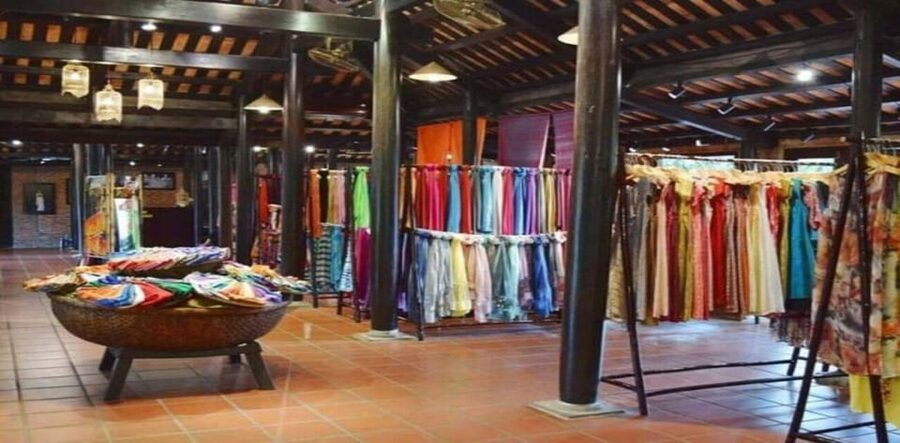
Then you move to the Unraveling House. This is the turning point. You learn how to get silk thread from the cocoon, which is where silk turns from an animal product into a usable textile material.
This step is fascinating because it is mechanical in its logic. The cocoon is not just something you admire. It is processed so thread can be produced for weaving. You also hear about how cocoons are cultivated and removed using traditional methods, and you see how that leads directly into the weaving work.
In this part of the visit, the tour feels practical. Even if you do not remember every detail, you come away with one simple takeaway: silk production is not just spinning or weaving. It is a linked set of careful steps, and each one affects the next.
One detail worth knowing for your expectations: you are watching a process where silkworms die as part of cocoon handling and extraction. If that thought makes you uncomfortable, go in with eyes open. For most people, seeing the full chain turns guilt into understanding, but it is still something to consider.
Champ crafts and weaving demonstrations you can follow with your brain
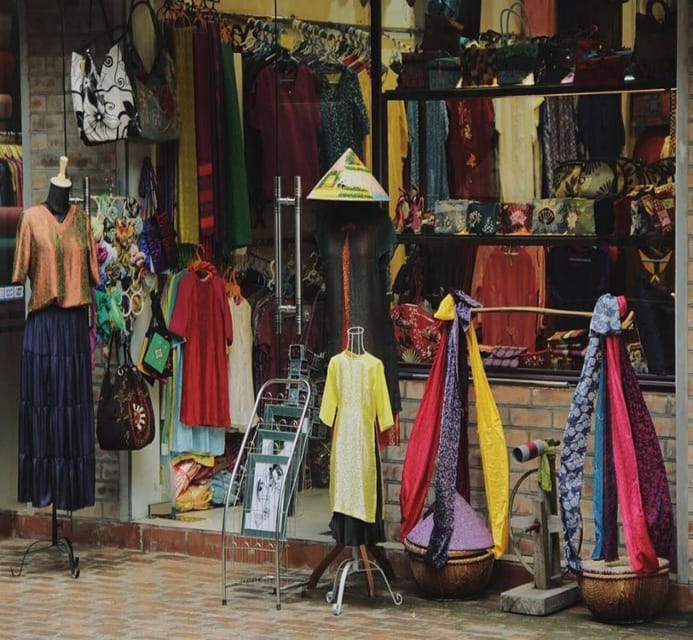
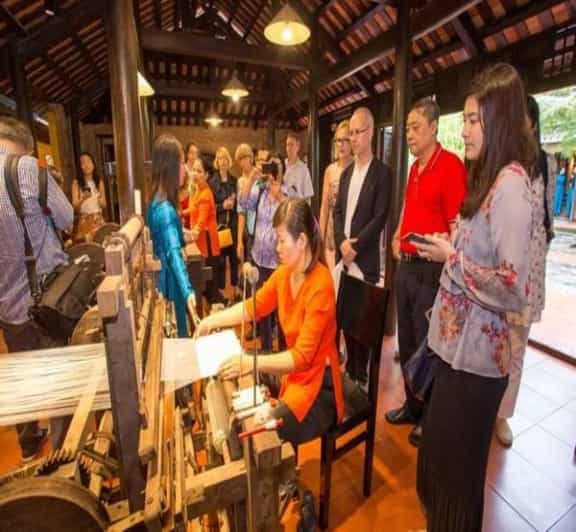
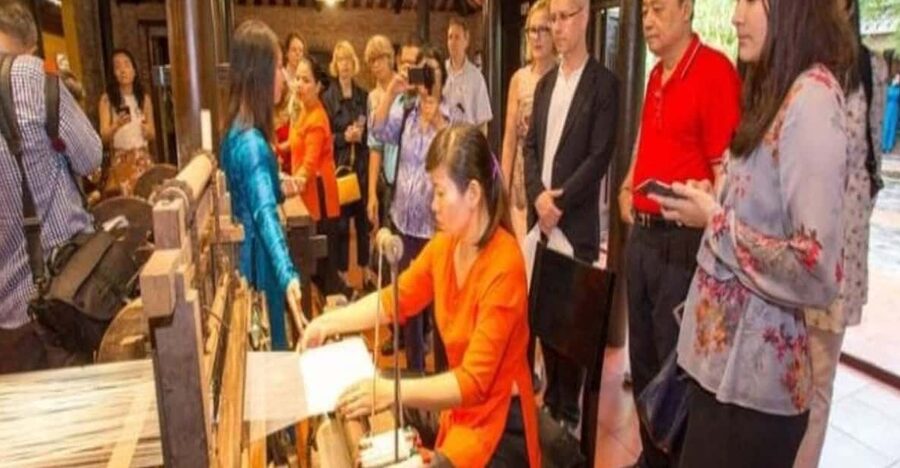
After the unraveling step, you shift into the weaving side. You visit a Vietnamese traditional silk weaving house and learn about traditional textiles linked to Champ people. The guide also explains how the craft supports textile creation, and you see workers weaving silk into fabric.
This is where your learning starts to “click.” When you can see weaving done in a real workshop space, you get a feel for why certain fabrics look the way they do and why finishing matters. A lot of tours stop at one demonstration. This one layers it. You see the cocoon thread concept, then the weaving method, and then you are brought back to the display and product world.
One bonus from the way the tour is set up: spaces can be limited, so groups may be small. In at least one recent tour, the group size stayed at around five people, which can make it easier to ask questions and move around without feeling crowded.



Hoi An Silk Village exhibition: pure silk vs fake silk, and how to shop smarter
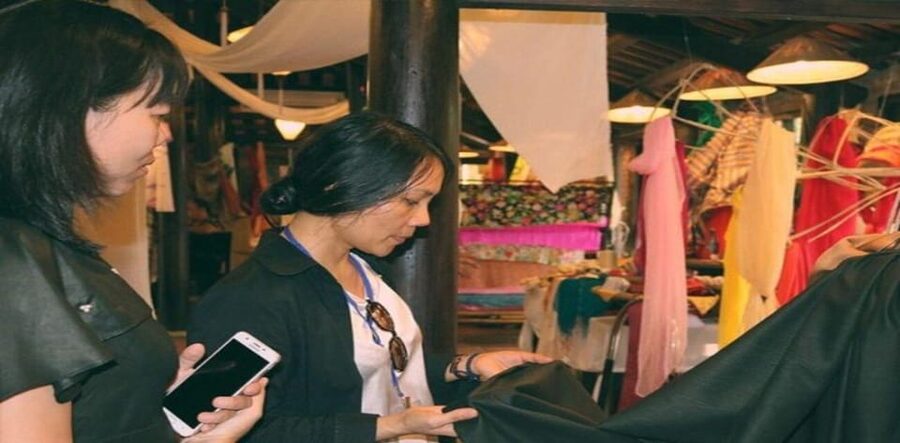
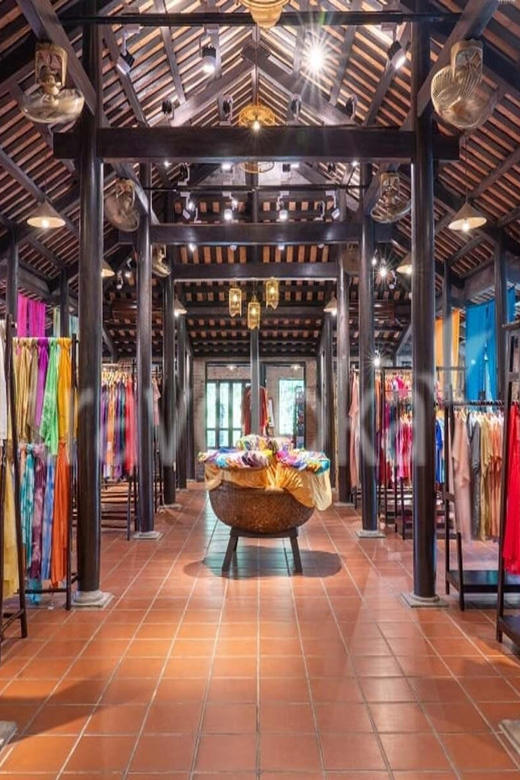
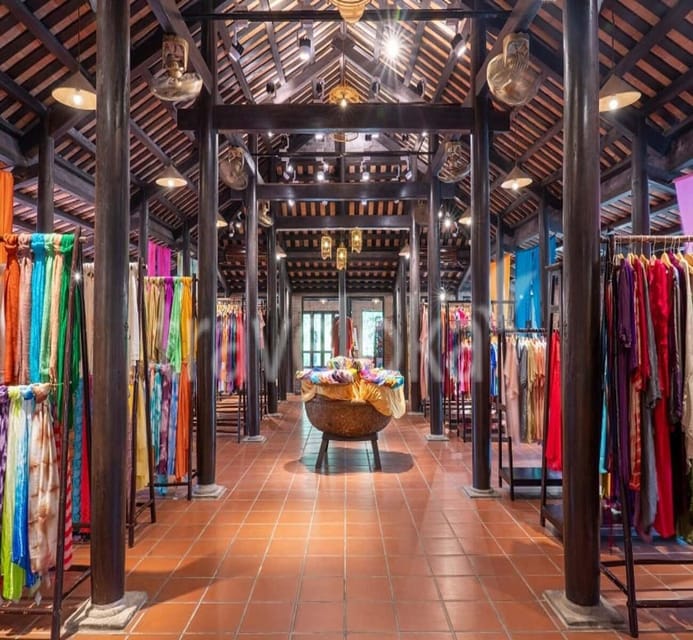
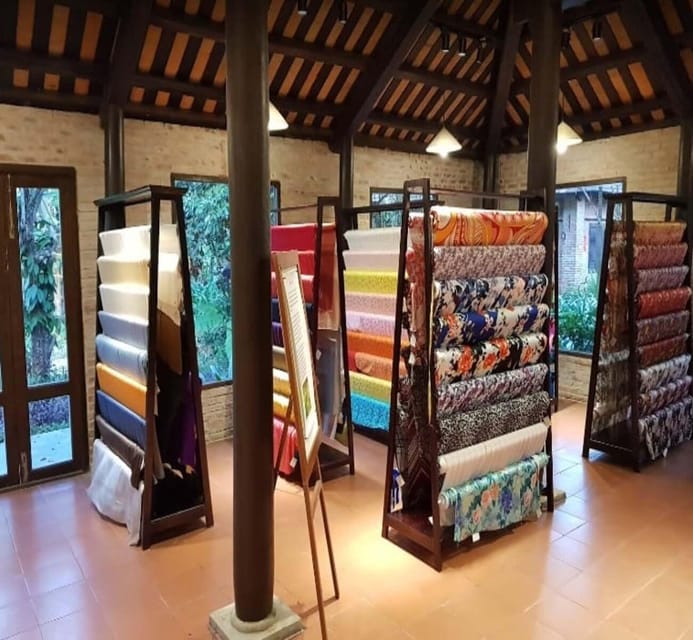
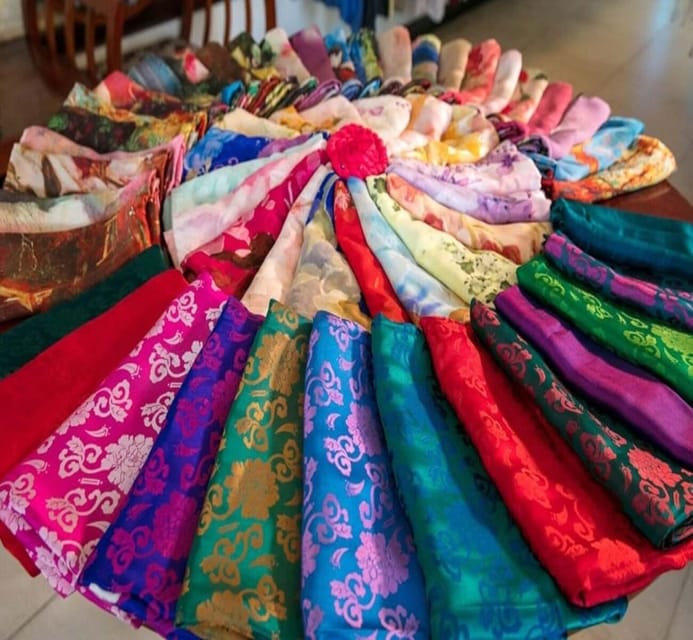
Finally, you end at the Hoi An Silk Village exhibition. This is designed for the practical shopper, not just the student. You learn the difference between pure silk and fake silk fabric, and the exhibition shows you a variety of products.
This matters because Hoi An has a serious tailoring culture. If you are planning to buy something, you need at least a basic framework for what you are looking at. The exhibition gives you that starting point, so you can decide whether you want to buy ready-made items or use the shop for tailoring based on what you learned.
You should still shop with your eyes open. One review noted that the print variety in the shop can feel a bit messy and the selection limited for certain tastes. That is not a reason to skip the tour, but it is a good reason to go in with a plan. If you want solid colors, classic patterns, or gifts with specific styles, browse slowly at the end rather than waiting until you are rushed.
What the guide quality is like, and why English explanations matter
The guide experience is a standout. You will get an English speaking guide, and multiple examples show guides with clear English who can answer questions patiently. Names mentioned include Thu and Tsu, and both were described as excellent at communicating the process.
That is important because silk making has lots of terms that sound similar. Cocoons, thread, spinning, weaving, fabrics, and finishing steps can blur together fast. When the guide is clear, you understand the sequence. When the guide is weak, you remember only the pictures and the shopping.
Also, if you happen to get a smaller group, you can ask more questions. One guide even provided a private style of experience when there were no other English speakers, and that can make the whole thing feel more relaxed.
The best parts to prioritize if you only have one hour
If you only have limited time in Hoi An, here is what I would prioritize during this tour.
- First, focus on the steps from mulberry to silkworms. They explain why silk is produced at all, and it makes later decisions easier.
- Second, take your time with the Unraveling House. That is where silk thread becomes real, and it is the moment many people feel their understanding improve.
- Third, use the exhibition shopping area as your “check your understanding” stage. Try to connect what you saw in the workshop to what you see in the fabrics.
The experience is 50 minutes total, and the pacing moves. So if you want details, ask early when you can still follow the whole flow in order.
Price and value: why $11 can feel fair here
$11 for a 50-minute guided experience sounds low, especially when you consider that you get entrance included and you do not have to figure out directions or translations. The value is mainly in the guidance and the walkthrough nature, not in luxury.
This is the kind of activity where you pay for three things:
- access to the production spaces
- an English guide to connect the steps
- a chance to compare pure silk concepts with the products in front of you
If you are the type who likes to buy quality items but hates getting pressured, the education piece is the real payoff. You may end up buying. You might not. Either way, the tour gives you a reasoned way to think about silk.
Logistics that can affect your comfort
There is no hotel pick up or drop off included, so plan to get yourself to the meeting point. The meeting point is 28 Nguyen Tat Thanh, Hoi An, Quang Nam, Viet Nam, and the instructions say to inform your name at reception for confirmation booking.
You will want comfortable shoes and comfortable clothes. You should also avoid bringing luggage or large bags, since the tour does not allow them.
Timing can also be a factor in a busy day. One person experienced a delay because school children arrived first. The staff communicated and apologized, but the takeaway for you is simple: keep a little buffer in your schedule if you are stacking multiple Hoi An activities.
One more small tip from the experience: there is a cafe on site. If you want a pause after your hour, that is handy.
Who should book this traditional silk process tour
This tour is a great match if you want:
- a short, structured way to understand silk production in Hoi An
- a guided explanation of sericulture steps, not just a photo stop
- a chance to ask questions in English while you are inside working spaces
- a practical finish with pure silk vs fake silk guidance
It is less ideal if you dislike learning through workshops, hate watching cocoon extraction steps, or need accessibility support that the tour does not list as suitable.
Should you book Traditional Silk Process in Hoi An Silk Village?
Book it if you want your Hoi An shopping to feel smarter. The biggest value is the chain of understanding, mulberry growing to silkworms to thread to weaving, then a final check in the exhibition about pure silk versus imitation.
Skip it if you are only chasing a specific fashion style or you are mainly interested in shopping. The shop is part of the end, but the core of the experience is education and process.
If you do book, go in with two goals: watch for the steps that explain how silk thread is made, and use the exhibition to guide your buying choices rather than relying on impulse.
FAQ
How long is the Traditional Silk Process in Hoi An Silk Village tour?
The tour duration is 50 minutes.
How much does it cost?
The price is $11 per person.
Where is the meeting point?
The meeting point address is 28 Nguyen Tat Thanh, Hoi An, Quang Nam, Viet Nam.
What is included in the tour price?
It includes an English speaking guide, entrance fee, and a bottle of water.
Is hotel pick up and drop off included?
No. Hotel pick up and drop off is not included.
Are meals included?
No. Meals are not included.
What should I bring or wear?
Bring comfortable shoes and comfortable clothes.
Is the tour suitable for wheelchair users or people with mobility impairments?
No. It is not suitable for people with mobility impairments or wheelchair users.