
REVIEW · COFFEE EXPERIENCES
Da Nang: Egg, Salt, & Coconut Coffee Making Class
Coffee in Vietnam comes with a twist. In this 90-minute class, I like the fact you actually brew through a traditional Vietnamese phin instead of just watching, and you taste three signature drinks built around egg, salt, and coconut. One thing to consider, though, is that the tasting includes egg and a couple of unexpected flavor combos, so if that sounds unappealing or you avoid caffeine, you should think twice.
The whole experience is designed for beginners. You start with a welcome drink and a clear explanation of how Vietnamese coffee culture works, including the role of robusta beans and why the phin is so central to the flavor.
By the time you leave, you will have your own brewed cups, a better sense of why people drink coffee the Vietnamese way, and even recipes to take home. Based on the guide-led tone and the consistently positive feedback, the host part matters here as much as the coffee, with instructors such as Daisy, Annie, and Duck showing up in recent sessions.
Key things you’ll notice right away
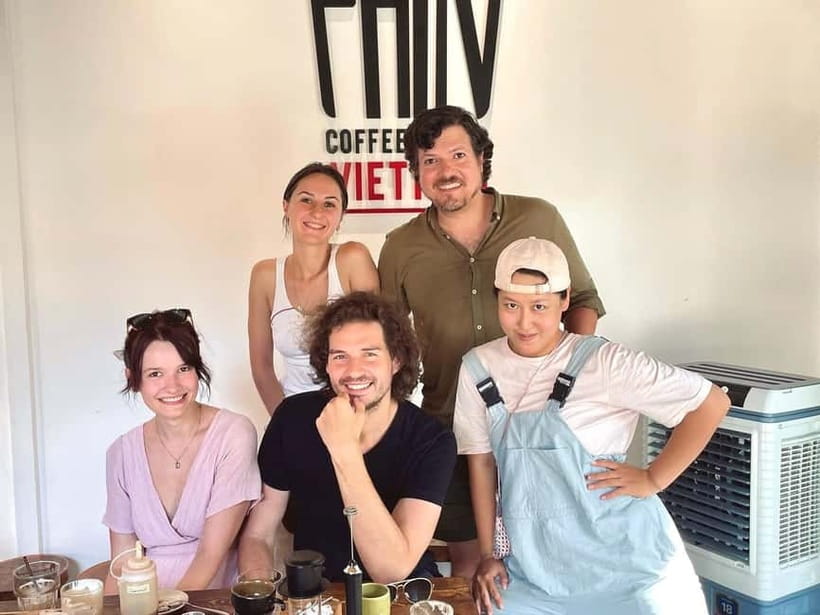
- Hands-on phin brewing (you do the work, step by step)
- Three iconic drinks: egg, salt, and coconut coffee
- English-speaking local guidance that keeps it beginner-friendly
- Recipe take-home so you can try again later
- Free photos captured during the class
Why the phin filter makes this class feel more real
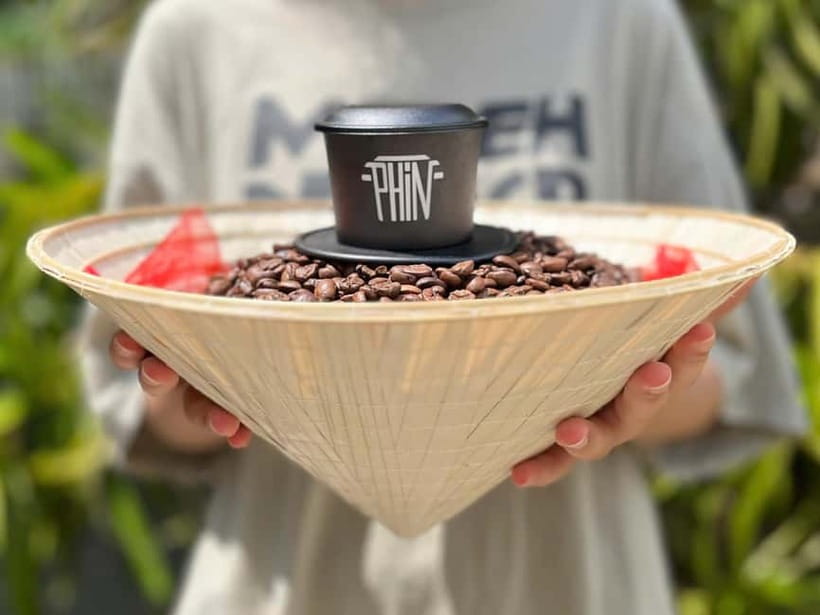
The phin is what turns Vietnamese coffee from a simple drink into a ritual. Instead of brewing fast, the phin is a slow-drip filter, and that extra time is part of why the coffee tastes the way it does. In your class, your guide walks you through what the phin does and how it affects strength and balance, so you are not guessing while you brew.
This matters for your travel day because it gives you something concrete to do. You are not just sampling flavors, you are learning a method. When you later order a coffee in Vietnam (or try to recreate one at home), you will have a reference point.
It also helps that the class is structured for first-timers. You are given tools and ingredients, and you learn by making, then tasting. That rhythm keeps it fun, even if you do not know your way around coffee gear.
You can also read our reviews of more tours and experiences in Ngu Hanh Son.


Meeting on the second floor, in an Indochine-style coffee shop
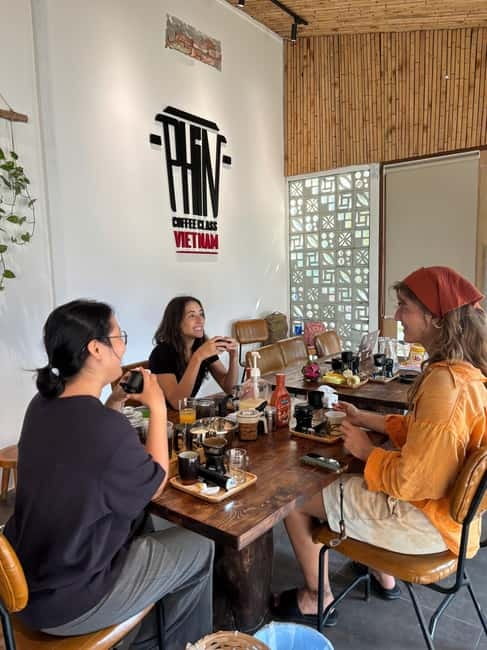
You will meet in the coffee shop on the second floor. The space is warm and cozy with Indochine-style décor, and recent guests have also described it as clean and bright, with plants around.
What I like about this setup is how straightforward it is to find your group. Your guide meets you at the entrance of the second floor, so you do not have to track down a receptionist or wonder if you are in the right place.
If you are arriving early in Da Nang, this is a low-stress activity. You can handle it even on a day when your schedule is tight, because the meeting point is simple: up to the second floor, look for your guide waiting there.
The warm welcome, iced tea, and a quick coffee culture orientation
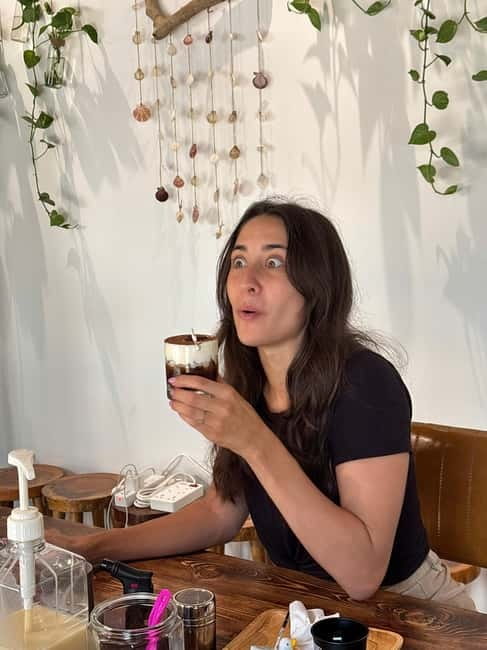
The class starts with a welcome drink, including a refreshing iced tea. Then your English-speaking guide brings you up to speed on Vietnamese coffee culture in a way that feels practical, not lecture-like.
You will hear the story behind Vietnam’s coffee profile, including the mention of robusta beans, and you will connect that story to what you are about to brew. That context makes the tasting more interesting, because you understand why the coffee is strong, why it is often served chilled, and why the phin technique is so important.
This is also a nice moment to ask questions. If you are curious about why egg coffee tastes the way it does, or how salted coffee ends up balanced instead of harsh, this is the time to get clarity before you start mixing.
Brewing egg coffee the hands-on way
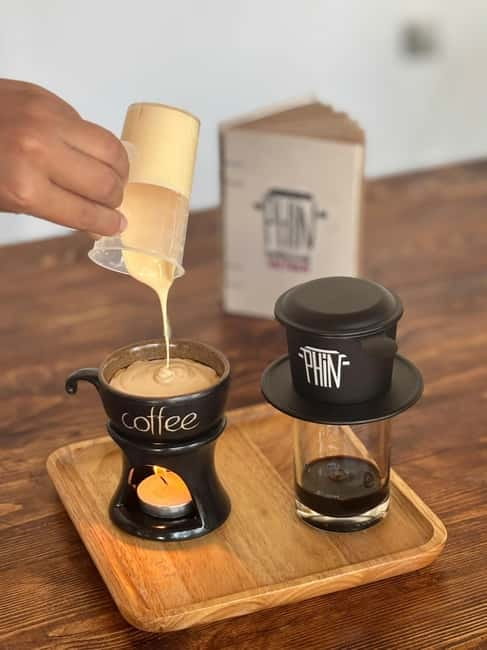
Egg coffee is probably the most famous Vietnamese coffee trick, and this is where you get to learn the method, not just the flavor. During the class, you will brew your coffee using the phin filter, then assemble your drink with the egg-based component.
The result is described in the class as creamy, smooth, and sweet, almost like dessert. That fits what you will likely want as a first tasting of the session, because it feels comforting and familiar compared to the more surprising flavors that come next.
Why I think this step is valuable for you: egg coffee is a great “calibration” drink. Once you understand how your phin brew tastes, you can better judge what changes when the egg element goes in. You will taste the effect of the brewing first, then the effect of the ingredient.
Also, the class is beginner-friendly. You are not expected to have bartender skills. The goal is confidence, so you will be able to follow along and reproduce the basics later.
Salt coffee: balanced, with a savory edge you can actually like
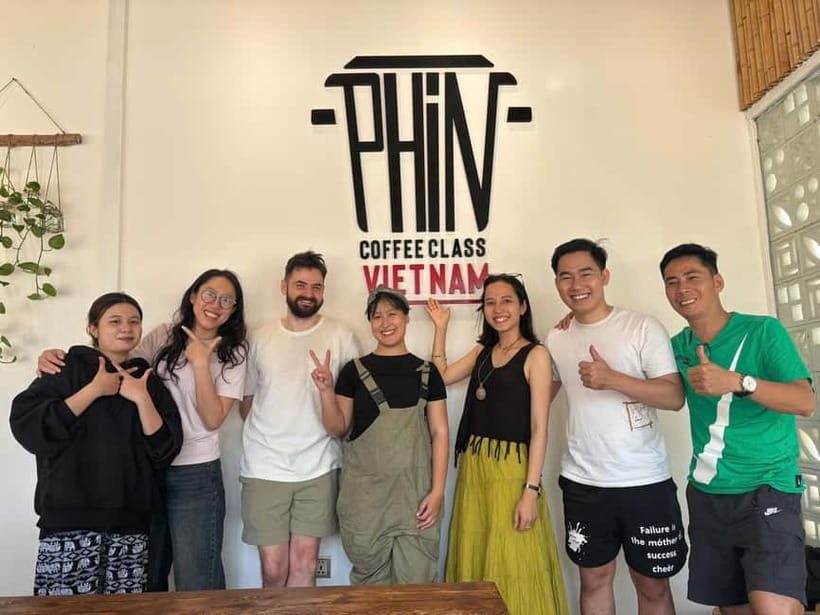
Salt coffee sounds like a dare until you taste a properly made cup. In this class, you will brew and then prepare salt coffee, which is described as surprisingly balanced with a savory note.
That balance is the key. Salt is not here to make your drink taste like you accidentally spilled seasoning. It is used to shape the coffee, bringing out a different kind of depth and smoothing the edges that can make some coffees taste too bitter.
One helpful clue from the way guests talk about the tasting: salted coffee is a standout for some people, and at least one guest specifically called out a salted coffee they liked from Hue. Even if you have never been to Hue, that detail tells you salt coffee can have regional personality, not just one generic flavor.
If you are the type who likes trying something new but still wants it to be drinkable, salt coffee is often the middle ground between dessert-like egg coffee and the coconut version that comes next.
Coconut coffee, chilled, naturally sweet, and tropical
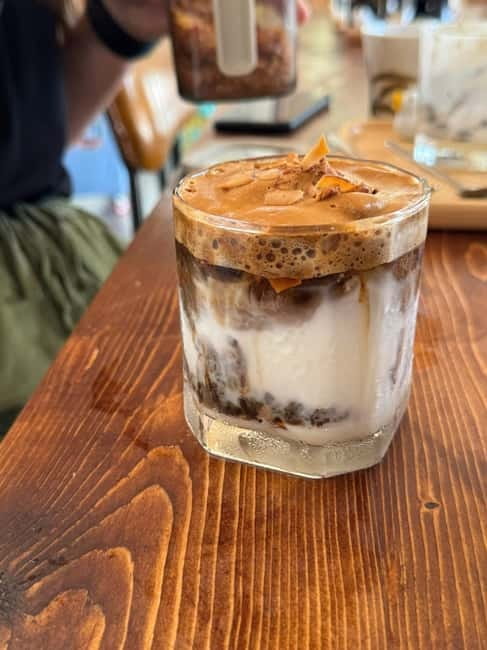
Then comes coconut coffee, served chilled and described as naturally sweet with a tropical twist. This is your reset flavor. If egg coffee feels like dessert and salt coffee feels like a clever curveball, coconut coffee usually lands like something refreshing and easy to keep drinking.
In practice, the phin method still matters here. You are tasting coffee that was slow-dripped and built through the phin first, then flavored and cooled into something more like a summer drink.
I like that the three drinks are spaced in a way that keeps your palate from feeling stuck. By the time you reach coconut, you are ready for a smoother, cooler finish.
If you are pairing this with sightseeing, coconut coffee also tends to feel more “daytime-friendly” than a heavier hot coffee. You can enjoy it without needing a full nap afterward.
What’s included, and why that makes the $18 price make sense
At $18 per person for about 90 minutes, you are paying for more than a couple of drinks. The class includes:
- An English-speaking local guide
- A hands-on brewing session with phin filters
- All ingredients and equipment
- Three drinks to make and taste: egg, salt, and coconut
- A cultural introduction to Vietnamese coffee
- Tasting time and coffee recipes to take home
- Free photos taken during the class
From a value perspective, this is a strong deal because you are getting three drinks plus instruction and take-home recipes. You are also not stuck paying for multiple café stops to learn the same thing. In other words, your money buys a skill and a story, not just caffeine.
One more detail I think matters: the class is set up for you to succeed. When you are given tools, ingredients, and a clear sequence, you avoid the common “I paid but I did not really learn anything” problem. That is what makes the price feel fair.
Where this class fits in your Da Nang day
Because the session is 90 minutes, it can work well between meals or as a morning activity before you head out. At least one guest recommended doing the morning class before sightseeing, and I get why. After you finish, you will be nicely caffeinated, and you will have a few coffee-focused talking points for the rest of your day.
Here is a practical way to plan it:
- If you want energy for walking around, go earlier and treat it like your kickstarter.
- If you are visiting in the hottest part of the day, do not worry. The class includes chilled coffee styles and you start with an iced tea welcome.
Since the meeting point is on the second floor and your guide is waiting at the entrance, you also do not need a long pre-buffer to figure out where to go.
Who this is perfect for, and who should choose carefully
This class is ideal if you:
- Want a hands-on activity in Da Nang, not just another meal out
- Like coffee and want to understand how the phin filter shapes flavor
- Prefer beginner-friendly experiences with English instruction
- Travel solo, as a couple, or in a group and want something social but not complicated
You might want to think twice if you:
- Avoid caffeine, since the tasting includes three coffee drinks
- Prefer not to try egg-based drinks, since egg coffee is part of the set
- Do not enjoy experimenting with sweet-savory flavors like salt coffee
That said, the class format helps. You are tasting what you brew, you can ask questions, and you get recipes afterward. Even if you end up loving one drink more than the others, you should leave with more understanding than you started with.
Should you book this Da Nang coffee class?
If you want an authentic, practical coffee experience that goes beyond ordering, yes, you should book it. The biggest reason is simple: you will learn a method (phin brewing) and taste three Vietnamese standouts in one relaxed session.
It is also a good value for the time. For $18, you get guided instruction, all materials, multiple drinks, and take-home recipes, plus free photos. That mix is exactly how you get better than “just a drink” out of your day.
If you like coffee culture and you enjoy learning by doing, this is one of those activities that makes Da Nang feel specific, not generic. You leave with something to repeat, not just something you drank.
FAQ
How long is the Da Nang egg, salt, and coconut coffee making class?
The class runs for about 90 minutes.
Where do we meet for the class?
You meet on the second floor of the coffee shop. Your English-speaking guide waits at the entrance to welcome you.
What drinks do we make and taste?
You will make and taste three drinks: egg coffee, salt coffee, and coconut coffee.
Is the class beginner-friendly?
Yes. The session is designed for beginners, and all tools and ingredients are provided.
Do you brew the coffee using a phin filter?
Yes. The class includes hands-on brewing using the traditional Vietnamese phin.
What language is the instruction provided in?
The class instruction is in English.
Are recipes included?
Yes, you receive coffee recipes to take home.
Are photos included?
Yes, free photos are taken during the class.
Can I cancel and get a full refund?
You can cancel up to 24 hours in advance for a full refund.
Can I reserve first and pay later?
Yes. There is a reserve now and pay later option, so you can book your spot and pay nothing today.
More Tour Reviews in Ngu Hanh Son
Not for you? Here's more nearby things to do in Ngu Hanh Son we have reviewed
Coffee Experiences, compared.
 ★ 4.9Vietnamese Coffee Culture and Coffee Making ClassFrom $144,006 reviews
 ★ 5.0Early Morning My Son Sanctuary Trip w. Champa Food & CoffeeFrom $21629 reviews
 ★ 5.0Vietnamese Culture and Coffee Making ClassFrom $15497 reviews
 ★ 5.0Da Nang Cooking Class with Coffee Tasting and Market VisitFrom $45310 reviews
 ★ 4.7My Son Early Morning with Banh My and Coffee 6 amFrom $18205 reviews
 ★ 4.8Vietnamese Coffee Making Workshop at Local RoasteryFrom $16174 reviews
 ★ 5.0Lantern and Coffee Making ClassFrom $24154 reviews
 ★ 5.0My Son Sanctuary Early Morning Tour 6 am w Banh my and CoffeeFrom $21142 reviews
Browse the lists this tour appears in