
REVIEW · FARMS
Da Nang Cooking: Market tour, farming, and cooking class
Pho, pancakes, and spring rolls start on a farm. This Da Nang class is interesting because it connects organic farming, a colorful ingredient hunt at the market, and a practical cook-along where you make the meal yourself. You also finish with a herbal tea tasting using organic ingredients.
Two things I like a lot: the small group size (up to 14) makes the teaching feel personal, and you get real hands-on steps in both the field and the kitchen. I’ve seen instructors named Jane and Nhi described as friendly, funny, and focused on getting you to actually learn, not just watch.
One thing to consider: there’s no hotel pick up or drop off. If you do not want to handle transport in Da Nang, factor that in before you book.
Key highlights worth your attention
- Market tour for ingredients, so you understand what you are buying and why it matters in Vietnamese cooking
- Farming practice that teaches basic planting and watering habits, with a farmer-style approach
- Hands-on cooking class making 4 traditional dishes from start to finish
- English-speaking guide plus English recipe copies so you can cook again at home
- Herbal tea tasting made from organic ingredients, as a gentle wrap-up after class
Organic farm practice first, so you cook with context
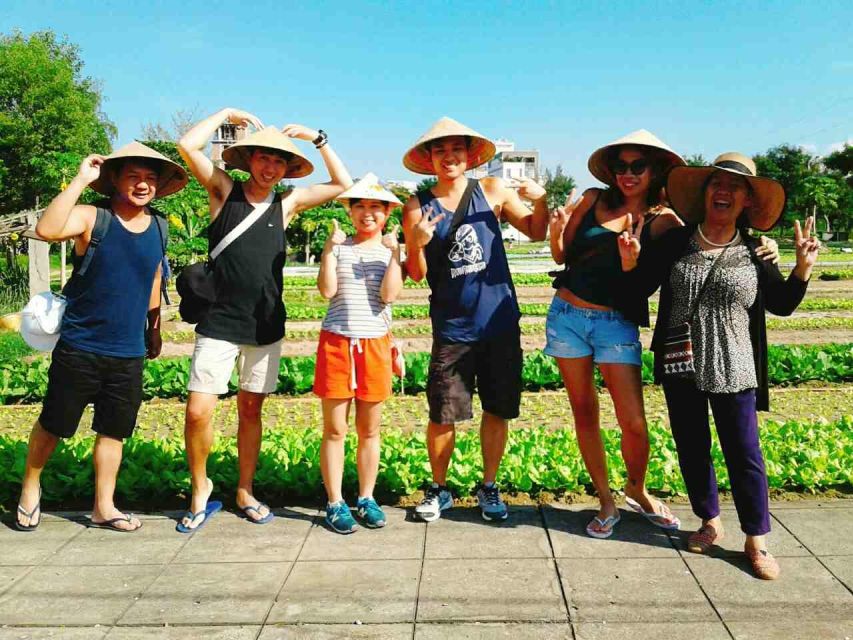
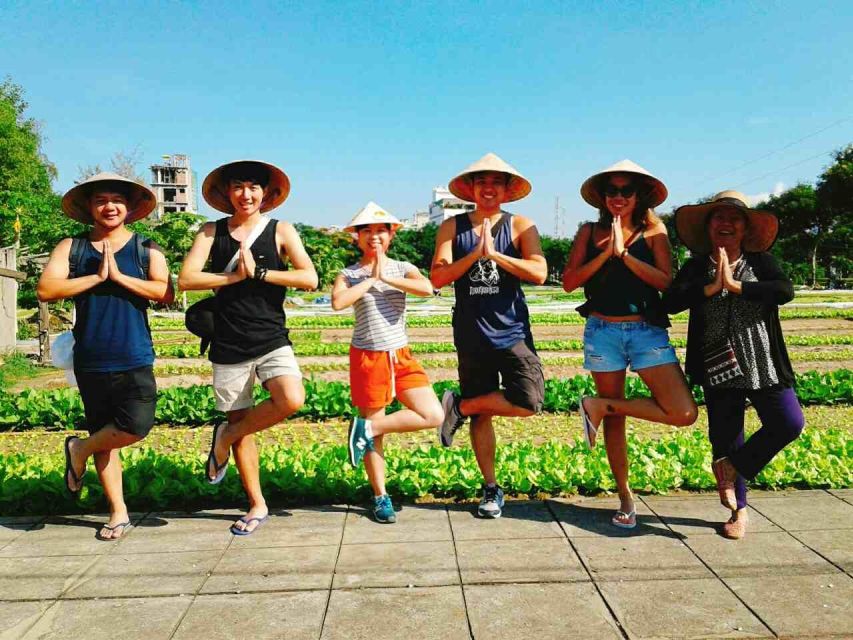
The experience starts at an organic farm, before you head to the market. This part is not just scenery. You learn how growing works in Central Vietnam-style kitchens, including simple tasks like planting and watering, then you practice that rhythm like a local farmer.
Why this helps you as a cook: Vietnamese flavor is built on fresh herbs, vegetables, and sauces, not just “spices.” When you see where ingredients come from, you end up paying closer attention to texture, ripeness, and how greens behave in hot cooking. Even if you have cooked before, this farm start gives you a cleaner mental model for what you will later slice, roll, fry, or boil.
You will also feel the timing of the day here. The class is designed to keep going in harsh sun or rainy weather, so the experience remains intact even when conditions change. If you’re the kind of traveler who likes meaning behind the meal, this first step is a strong match.
You can also read our reviews of more shopping tours in Da Nang
Market tour in Da Nang, learn what to buy and what to ignore
Next comes the local fresh market, where you pick up ingredients for your cooking session. You do not just wander. You learn how key Vietnamese staples work, and you get practical lessons on choosing fresh items that behave well in Vietnamese dishes.
I especially like this market component because it turns the shopping into a skill. After the tour, you should be able to connect ingredients you see on restaurant plates to the actual items in a market stall, for example the greens used in salads, the wrapping options for fresh rolls, and the aromatics that carry flavor through soups and noodles.
One smart tip from past participants: if you want a less crowded market experience, choose a morning time slot when you can. You will still get the full ingredient education, just with a more relaxed vibe.
Practical note: you are in a food-focused environment, so bring comfortable shoes. Markets can have uneven ground, and you will likely be standing and walking more than you expect.
The cooking class: 4 dishes, taught step-by-step
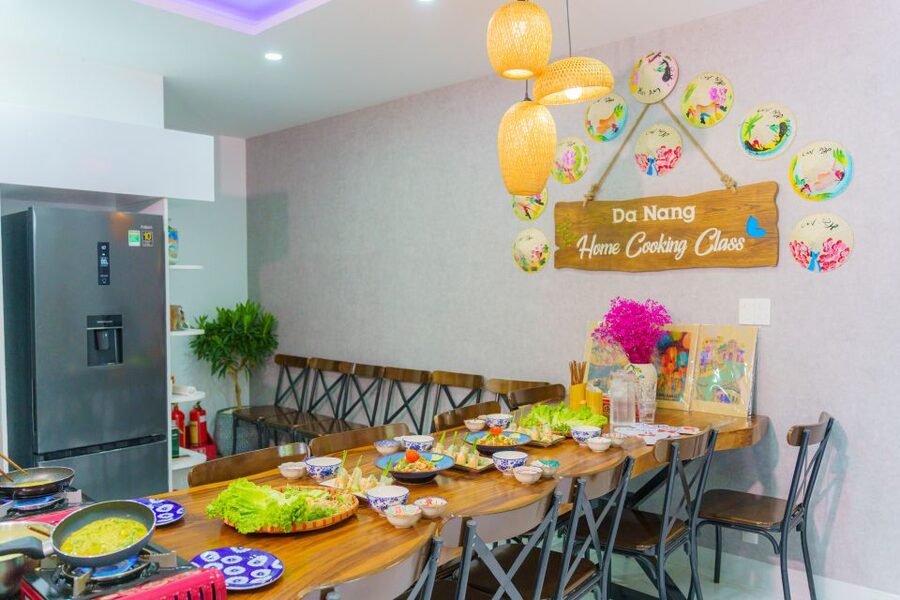
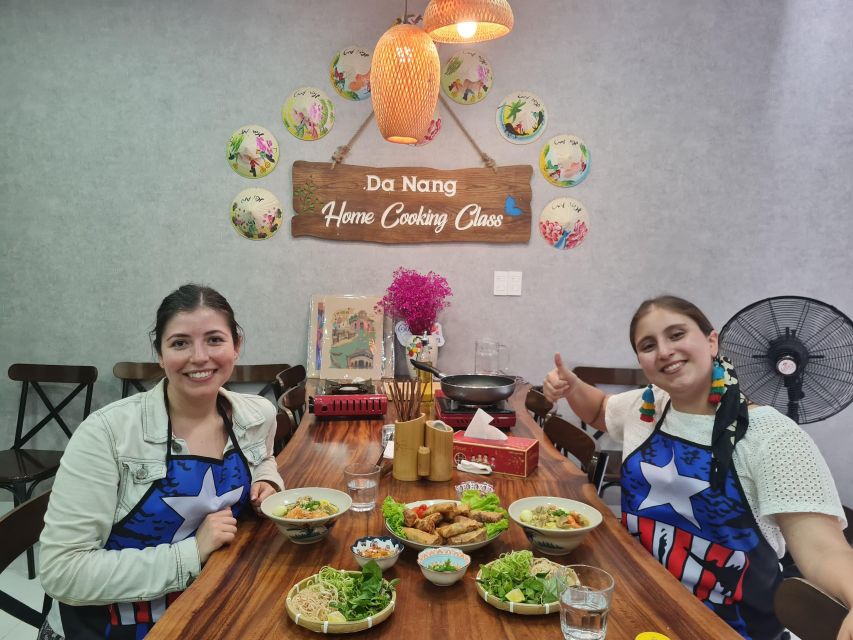
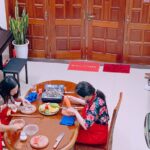
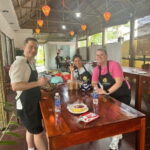
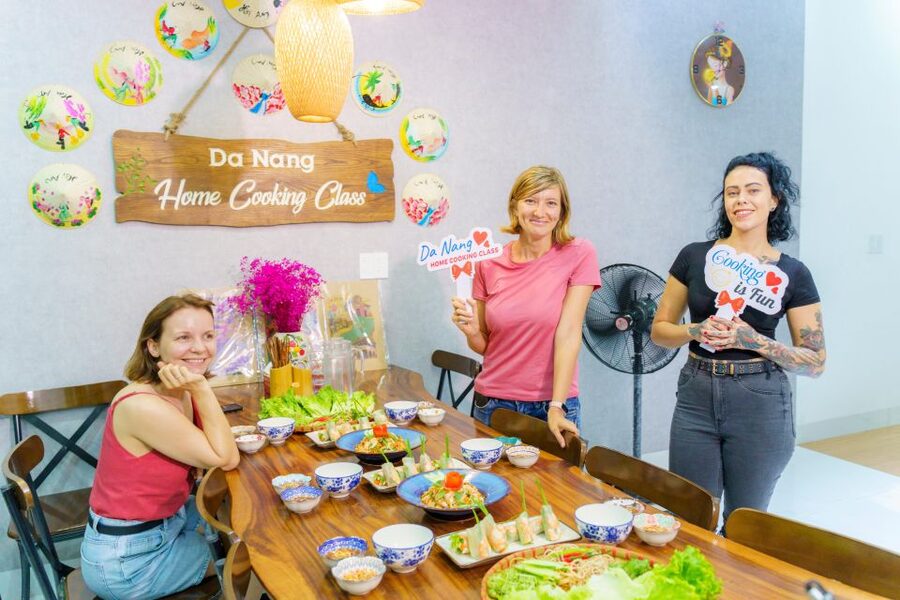
At the heart of the tour, you cook. The class is structured for real participation, and with a group size of around 14, you should be able to get hands-on at most steps rather than only mixing from the sidelines. You also get English ingredient guidance and English recipe copies, which makes the day feel more useful than a one-time meal.
The exact dishes depend on which menu day you attend. Here are the menus you can expect:
Menu 1 (Mon, Wed, Fri)
- Quang noodle
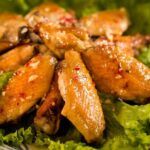
- Fish sauce chicken wing
- Green papaya salad with shrimp
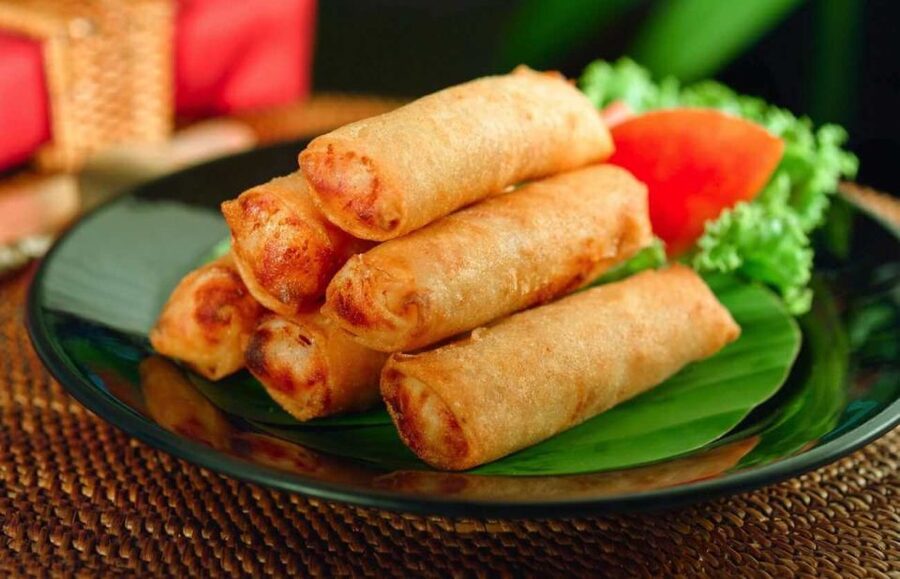
- Deep-fried spring rolls
Menu 2 (Tue, Thur, Sat, Sun)
- Beef noodle soup (Pho)
- Crispy Vietnamese pancakes (Banh Xeo)
- Green mango salad with shrimp
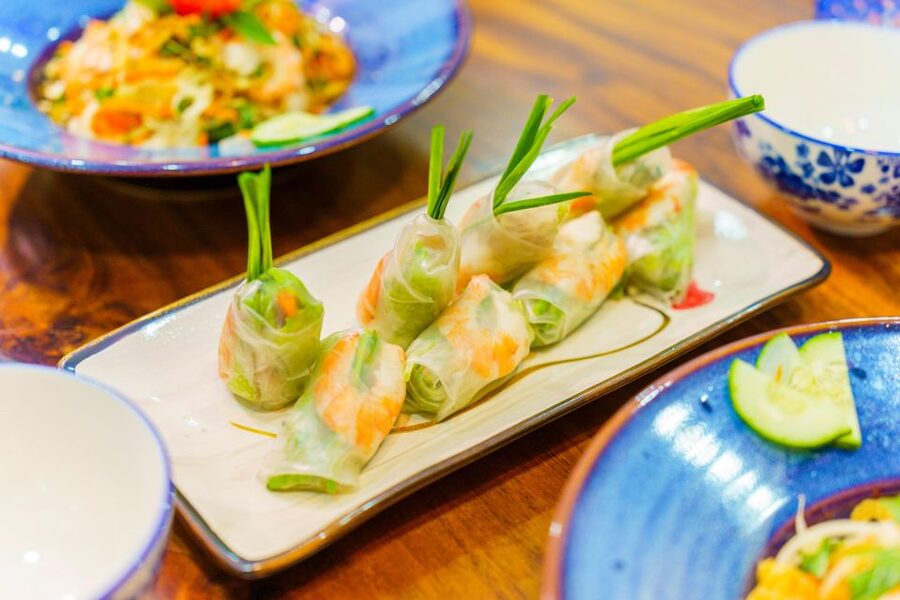
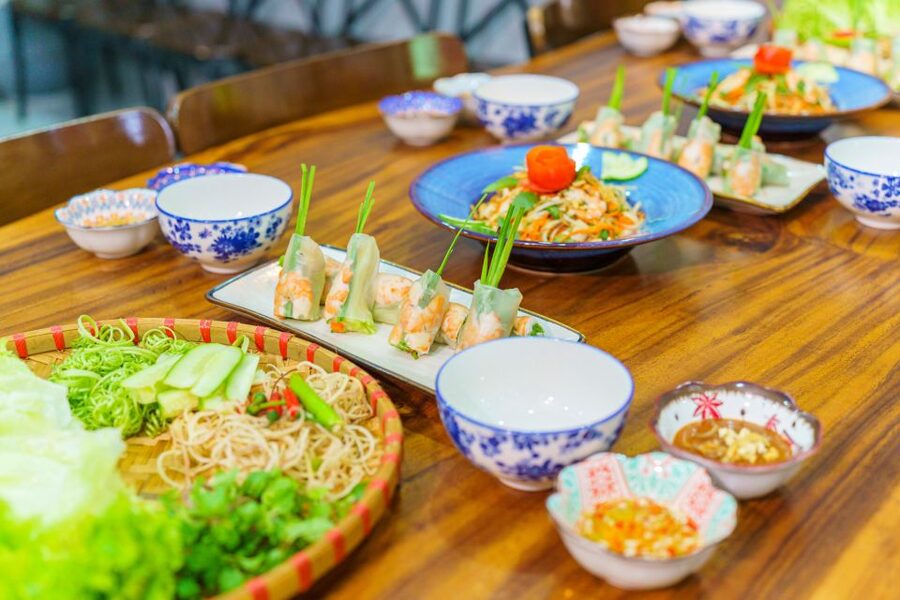
- Fresh spring roll
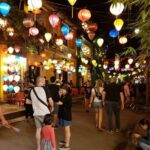
More Hoi An lantern evenings, food walks, village rides, island trips, and central Vietnam day tours to compare
Vegetarian option
- Quang noodle or Pho
- Eggplant stir fry
- Mango salad or papaya salad
- Fried spring roll or fresh spring roll
What you learn for each dish matters. You’re not just making food, you’re learning Vietnamese techniques that shape flavor.
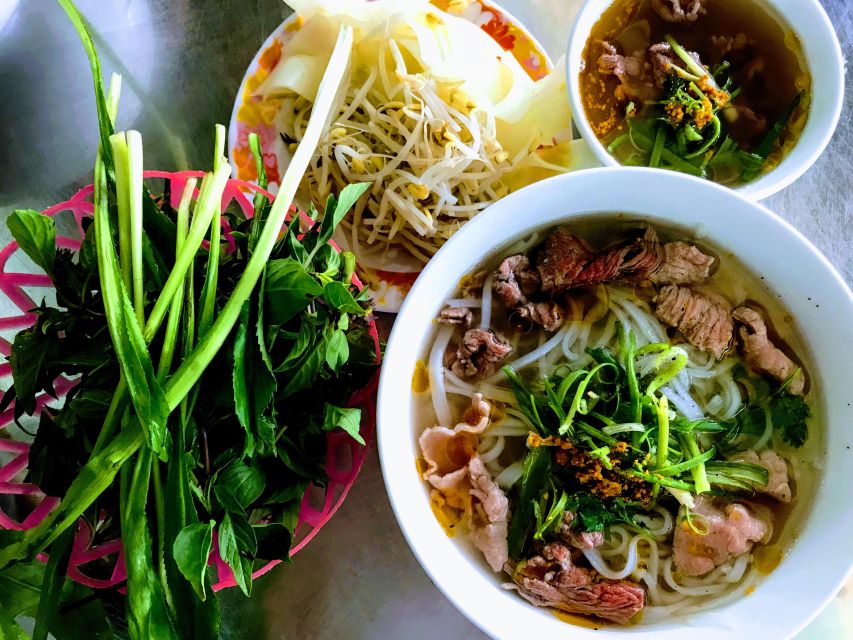
Pho and noodle soups: You learn the beef pho approach, which is all about balancing a rich base with fresh toppings and timing. You will also see how the soup experience depends on sauces and garnishes, not only the broth.
Banh Xeo and spring rolls: These are texture lessons. Crispy Vietnamese pancakes need the right heat and pour consistency, while fresh and fried spring rolls teach you how fillings should be packed and how wrappers respond to humidity and handling.
Quang noodle: Quang noodle is a great choice if you want something “Vietnam-specific” beyond the most famous dishes. You get to practice a local noodle style with the ingredients and assembly style that make it distinct.
Salads (mango or papaya with shrimp): You’ll learn how sweet, sour, salty, and fresh herbal notes come together. This is one of the fastest ways to understand why Vietnamese food tastes layered, not heavy.
Stuffed or eggplant-based vegetarian dishes: If you choose the vegetarian menu, you still cook a full set of dishes. That matters because you are practicing the same Vietnamese flavor logic with different ingredients, not just eating a simplified version.
If you have kids in the group, this format tends to work well because you can break the cooking into steps and let them participate in safe prep tasks. It’s also suitable for solo travelers and couples, especially if you want a guided way to eat like a local without spending a full day figuring out ingredients.
Herbal tea tasting: the calm finish after hands-on cooking
After the main dishes, you get herbal tea with organic ingredients. This isn’t just a nice extra. It helps you reset your palate after savory, often fried, food.
Tea also acts like a preview of Vietnamese eating rhythm. In Vietnam, meals often end with something light or soothing, and herbal flavors can complement the sharp notes you tasted in salads and noodle dishes. If you love food that feels balanced rather than just spicy, this final cup is a comfortable close.
You also get water during the class, which sounds basic, but it matters in outdoor farming or market environments where you might sweat more than you planned.
Choosing between cooking-only, full farm-to-table, and the coffee add-on
Your time options are part of the value here. The class runs about 150 to 270 minutes depending on the format you pick.
- Short option: about 2.5 hours focused on cooking
- Full option: about 4 hours including farming, market tour, and cooking
You can also add a Coffee Making workshop for about 1.5 hours. This is a nice fit if you want to keep building a Vietnamese food day beyond just one cooking session.
How to choose:
- If you care most about eating and learning recipes, pick the short cooking class.
- If you want the story behind ingredients, go full farm-to-market-to-cooking.
- If you are into Vietnamese coffee culture and want a longer food outing, add the coffee workshop.
Either way, you should end the experience with enough time for other Da Nang activities, not stuck in a marathon all day.
Price and value: what $25 buys you in real kitchen time
The listed price is $25 per person. For that, you are getting a lot more than a meal. You get the market tour, the farming activity (if you choose the full experience), and a hands-on cooking class where ingredients are included, plus herbal tea, dessert, water, and English recipe copies.
That’s the key value point: you are paying for skill transfer and ingredient education, not just food. If you’ve ever taken a cooking class that turns into watching someone else cook, this one is built around active steps, supported by a small group size.
One more practical value note: you do not need to buy ingredients. Everything is included, and you leave with recipes you can follow at home. If you cook at all after returning, those printed copies can easily justify the cost in one or two future meals.
Watch-out on value: since pick up and drop off are not included, your real total cost depends on how you get to the starting point. If you are already near the farm area or you can travel easily by taxi or ride service, that cost stays small. If you need long transfers, it can soften the value.
Who this tour suits best in Da Nang
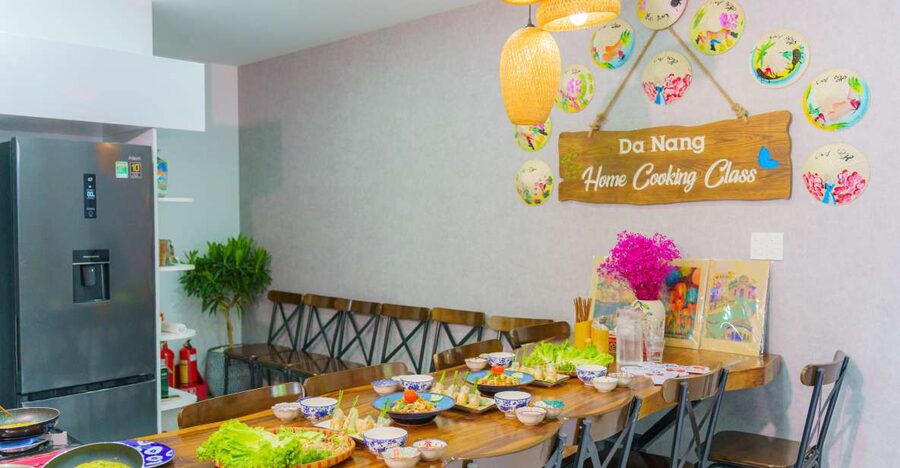
This class works well for:
- Food lovers who want to learn techniques and not just eat
- Travelers who enjoy markets and want ingredient education, not random shopping
- People who like interactive activities, with real steps in both farming and cooking
- Couples and small groups, since the size keeps the class personal
- Solo travelers who want a guided experience with an English-speaking instructor
It also lists wheelchair accessibility, which is a real practical benefit if you need that detail considered up front.
Who might want to think twice:
- If you strongly prefer restaurants to cooking activities, you may find the hands-on part tiring.
- If handling transport to the meeting point is a big hassle for you, you may feel frustrated by the lack of hotel pick up and drop off.
Should you book this Da Nang cooking experience?
I’d book it if you want a food day that teaches you Vietnamese cooking logic. The combination of farming, market ingredient picking, and hands-on cooking 4 dishes makes it more than a standard class. You also get English recipes, which means you can recreate at least part of the experience later.
I’d also feel good booking it if you like guided structure but still want participation. The small class size is the biggest practical advantage, especially for learning hands-on techniques like spring roll handling, banh xeo texture, and noodle soup assembly.
Before you hit reserve, check which day you are going. Menu 1 and Menu 2 rotate across the week, and the vegetarian option changes what you cook. If a specific dish is your must-have, align your schedule to the correct menu day.
If you do not want any transport coordination and you hate the idea of meeting at a farm, then plan for that first. Otherwise, this is a strong, skill-focused way to experience Da Nang food culture in one half to full day.
FAQ
What is included in the Da Nang Cooking class?
The class includes herbal tea, water, dessert, an English-speaking guide, market tour, and all ingredients. If you choose the full 4-hour option, the farming activity is included too, along with English recipe copies.
How long is the experience?
It runs from about 150 to 270 minutes, depending on the option you choose. A short cooking-only class is about 2.5 hours, while the full experience is about 4 hours with farming and a market tour.
How many dishes will I learn to cook?
You will learn how to cook 4 traditional dishes in the hands-on cooking class.
Which dishes are on the different menus?
Menu 1 is Quang noodle, fish sauce chicken wing, green papaya salad with shrimp, and deep-fried spring rolls. Menu 2 is beef noodle soup (Pho), crispy Vietnamese pancakes (Banh Xeo), green mango salad with shrimp, and fresh spring roll. A vegetarian menu is also available.
When does Menu 1 or Menu 2 run?
Menu 1 runs on Mon, Wed, and Fri. Menu 2 runs on Tue, Thur, Sat, and Sun.
What does the vegetarian option include?
The vegetarian option includes Quang noodle or Pho, eggplant stir fry, mango salad or papaya salad, and fried spring roll or fresh spring roll.
Is coffee included?
Coffee is not automatically included. You can add a Coffee Making workshop for about 1.5 hours if you want it.
Do I get hotel pick up or drop off?
No. Pick up and drop off at your hotel are not included.
What language is the instructor?
The instructor is listed as English, and the guide provides English support during the class.
More Shopping Tours in Da Nang
More Tours in Da Nang


More Tour Reviews in Da Nang

Not for you? Here's more nearby things to do in Da Nang we have reviewed






Farms, compared.
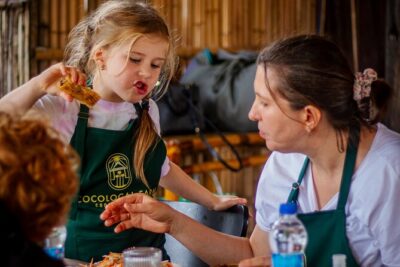 ★ 5.0Cocolocal Farm Cooking Class with market tour and basket boatFrom $29231 reviews
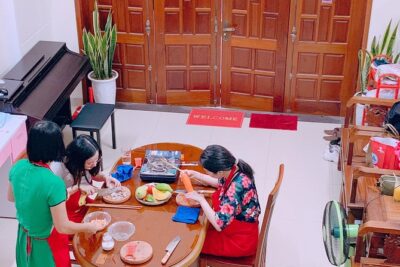 ★ 5.0DaNang Farm-to-Table Cooking Class with Market and Coffee TastingFrom $60131 reviews
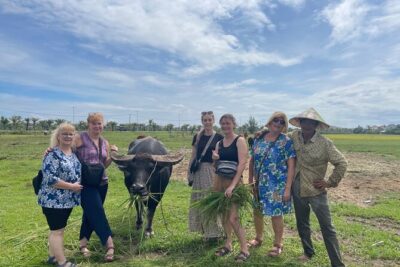 ★ 5.0Hoi An countryside cycling Tour,Basket Boat-organic farming-lunchFrom $3785 reviews
 ★ 5.0Rural Hoi An Cycling, Cooking Class at Organic FarmFrom $3272 reviews
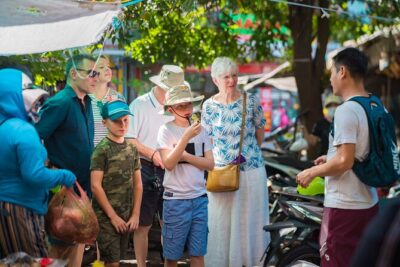 ★ 5.0Farming & Cooking Class in Hoi An – Small Group TourFrom $3871 reviews
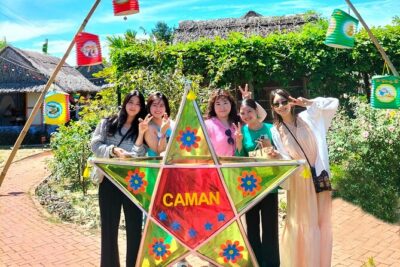 ★ 5.0Cooking Class Hoi An – Organic Garden – Farming Tour-HandicraftsFrom $3356 reviews
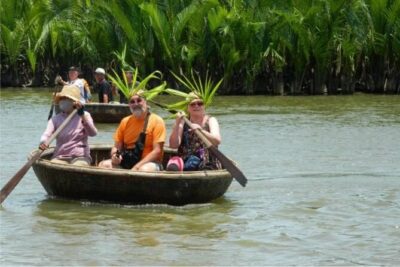 ★ 5.0Hoi An Farming And Fishing LifeFrom $4445 reviews
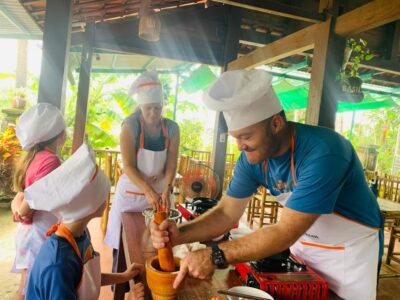 ★ 5.0Cooking Class at Organic FarmFrom $2740 reviews
Browse the lists this tour appears in