
REVIEW · COOKING CLASSES
Happy Cooking Class in Danang
Cooking beats guessing in a new city.
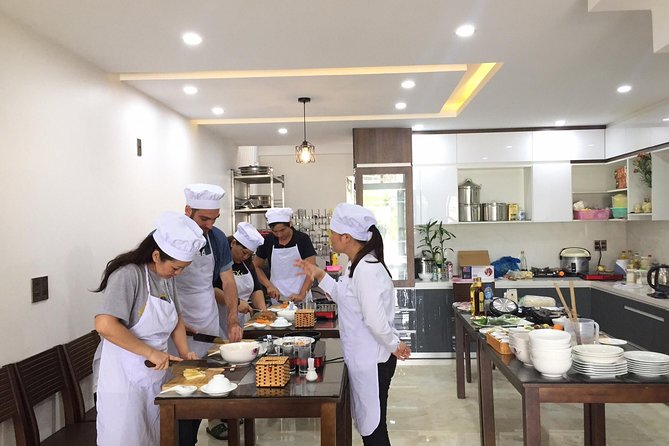
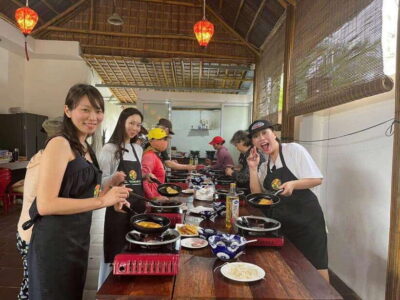
This Da Nang class is all about learning real central Vietnamese flavors, not just eating them, with hands-on work in a home-style kitchen and a meal you make yourself. You’ll get to roll and fry spring rolls, mix and learn how fish sauce is built, and enjoy unlimited passion juice while you’re there.
What I like most is the class stays small (up to 10 people), so the chef can actually watch your technique and correct things like chopping and rolling. I also love that the recipes are meant to be reproducible at home, using ingredients you can track down, so it is not just a one-time experience.
One consideration: this is a set-menu cooking class, so if you have strong dietary limits or food preferences, you’ll want to request a vegetarian or vegan menu in advance and double-check what your class will cook on that day.
Key things to know before you cook
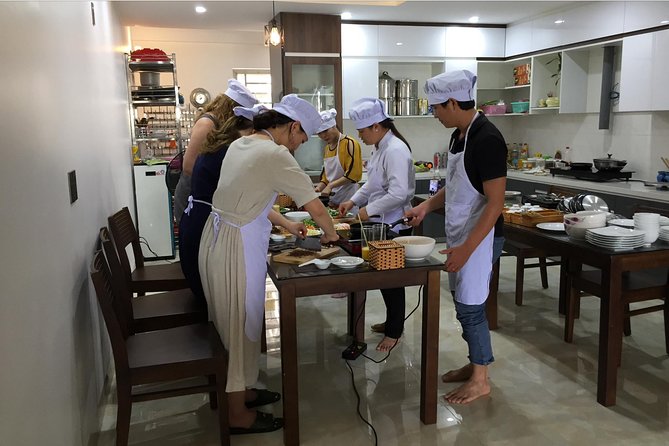
- Max 10-person group means more personal help while you’re chopping, rolling, and frying
- Two hands-on dishes plus passion juice, then you sit down and eat your own food
- Recipes to take home are chosen for ingredients you can find outside Vietnam
- Central Vietnam focus includes learning about key condiments, especially fish sauce
- Three daily time slots (10:00, 15:00, 18:00) help you match it to your schedule
- Vegetarian or vegan is available on request, but you should ask ahead
A hands-on kitchen escape in Da Nang
If your evenings in Da Nang start to feel like a routine loop of restaurants and scooters, this kind of class gives you a better plan. You’re not just tasting central Vietnamese food, you’re making it step by step, with a chef who shows you what matters and why it matters.
The best part is how practical the learning feels. You’re guided through real prep tasks like chopping, grating, rolling, frying, and mixing, then you eat what you made. That combination matters because it turns flavors into something you understand, not just something you can point at on a menu.
And yes, there’s also the fun factor. Reviews from people who did this describe a warm, casual vibe and a patient host who teaches at your pace. One person specifically called out how the chef helped with everything from chopping to rolling, and how kind assistance made the day smoother (even helping with a missing phone afterward). That kind of calm confidence is what makes a cooking class feel safe and easy instead of stressful.
You can also read our reviews of more cooking classes in Da Nang

Price and what $39 buys you (and why it feels fair)
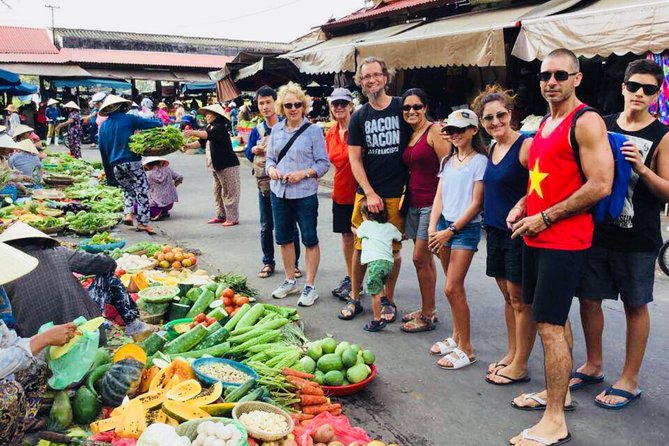
At $39 per person, this is priced like a small experience, not a full-day cooking workshop. You should expect a focused, efficient session. The class runs about 2 hours 30 minutes, and the value comes from three things:
1) You get hands-on instruction for more than one dish.
2) You eat a meal made from your own work.
3) You get unlimited passion juice plus the recipe pack to try again later.
If you compare this to the cost of dining out in central Da Nang plus paying for cooking supplies or a guided food walk, it can make sense quickly, especially because the ingredients are meant to be replicable back home. Several people highlighted that the recipes use straightforward ingredients, so they felt confident they could redo the dishes later.
The price is also helped by the small group size. A cooking class with a crowd can turn into watch-and-wait. Here, you’re in a group capped at 10 travelers, which gives you a better chance to actually do the cooking instead of being a helper in name only.
The time slots that actually matter for planning your day
You have three starting options: 10:00, 15:00, and 18:00. That flexibility is useful in Da Nang, where the day can be hot and your energy can shift fast. A morning class helps you start light. An afternoon slot gives you time to handle beach plans first. The evening option works well if you want something social and relaxed instead of another restaurant night.
One detail to confirm when you book: the start time is listed as 6:30 pm for the activity. Since the schedule also lists an 18:00 slot, you should double-check your exact confirmation message so you arrive at the right time and don’t wait around.
The meeting spot is in Hoà Hải at 279 Đ. Mai Đăng Chơn, and the class ends back there. That matters because you’re not stuck crossing town after cooking and eating.
Meeting the chef, welcome drinks, then real prep begins
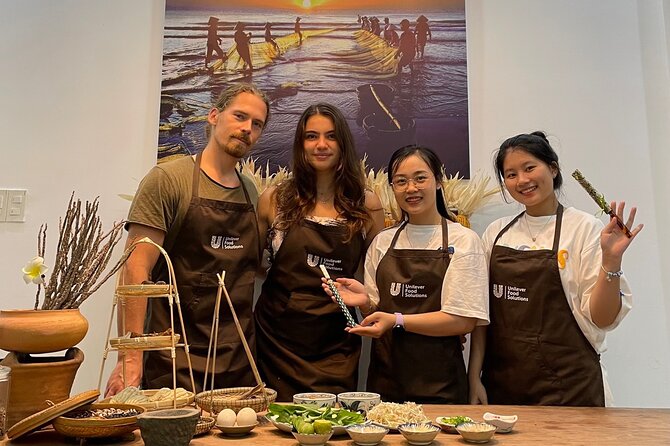
The flow is simple and friendly. You meet at the chef’s place, get welcome drinks, and then you move into the lesson with active cooking. In other words, you get fed socially first, then you get busy.
This setup matters more than it sounds. A lot of cooking classes fail because the teaching starts too fast and everyone feels awkward. Here, the welcome drink and casual start helps you settle in, get comfortable with the kitchen rhythm, and learn without feeling rushed.
During the instruction, you work on key skills that show up again in Vietnamese cooking. Based on the way the chef teaches in this kind of class, you can expect help with cutting and handling, plus technique coaching for things like rolling spring rolls so they hold together and fry properly.
Spring rolls you actually make, not just admire
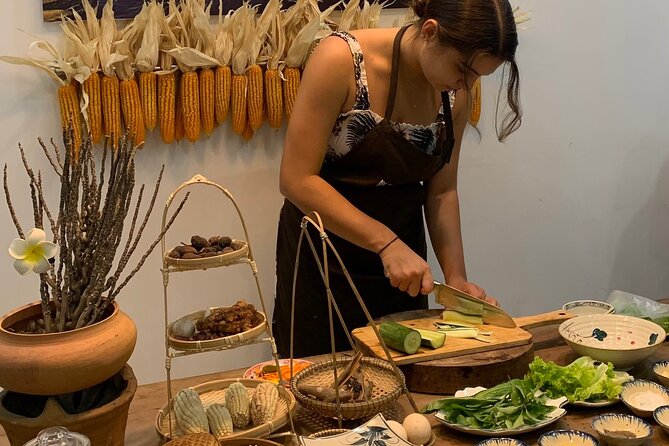
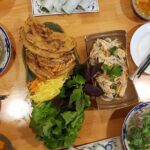
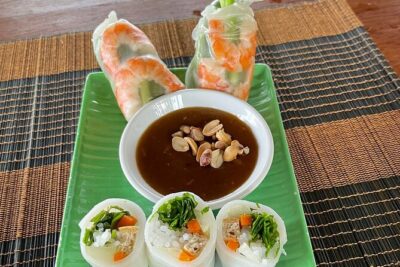
One of the core dishes is the Đà Nẵng spring roll. This is a smart choice for a class because it teaches you technique. It is not just about ingredients, it is about process.
When you make spring rolls yourself, you quickly learn the practical rules:
- how to portion filling so you get a balanced bite
- how to roll so it seals without getting too tight or too loose
- how to fry so you get texture, not soggy layers
Several people described this class as delicious and simple, which usually means the steps are explained clearly and the results are actually good, not just edible. That is exactly what you want from a short cooking session.
If you’re a beginner, spring rolls are a great entry point because the learning is tangible. You can see the difference between a well-made roll and a rushed one in the final texture.
More Hoi An lantern evenings, food walks, village rides, island trips, and central Vietnam day tours to compare
Mango or papaya salad with beef, plus learning fish sauce
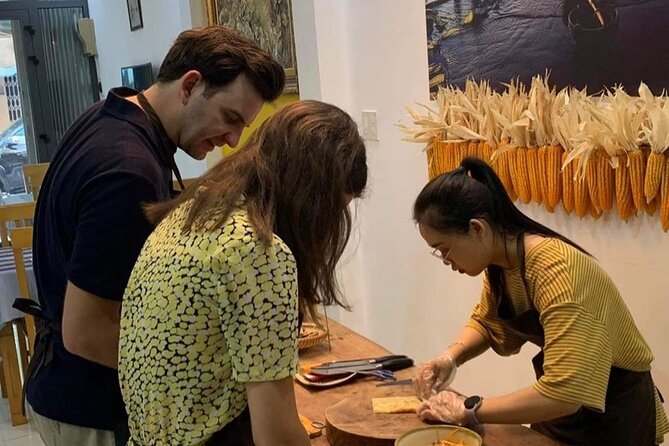
The other main dish centers on mango or papaya salad with beef, and you also learn how to make fish sauce. This is where the class becomes more than a fun activity.
Central Vietnamese flavors rely on the balance between sweet, sour, salty, and herbal notes, and fish sauce is part of that framework. Learning how it is made (instead of treating it like a mysterious jar ingredient) gives you a shortcut for seasoning when you cook at home.
Here’s why that matters for you: when you cook later, you can aim for flavor balance instead of copying a recipe line by line. If you’ve ever tried to recreate Vietnamese flavors and ended up with something flat, understanding fish sauce helps you correct the taste fast.
One more detail from the broader experience: some people report making a beef dish like beef pho as part of what they cooked alongside the spring rolls and passion juice. The menu you’re given is spring roll plus mango or papaya salad with beef and fish sauce, but menu swaps can happen based on availability of local ingredients. So when you book, read your confirmation menu and be open to small changes.
Unlimited passion juice, and the joy of hands-on flavor
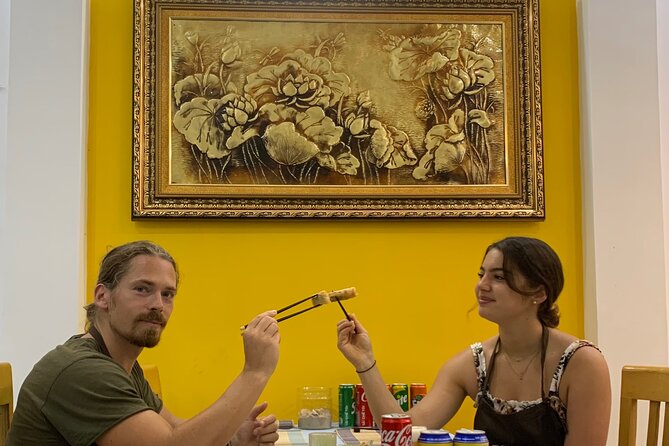
Drinks are not an afterthought here. You get unlimited passion juice, and in at least one case it was described as making passion fruit by scratch, which suggests you get to work with real ingredients rather than just receiving a pre-mixed drink.
That is a small detail, but it makes a big difference. When you see how the fruit gets blended or prepared, you can recreate the drink later. And because the drink is included and unlimited, it keeps the class feeling like a meal experience, not a training session where you only eat at the end.
Also, the drink can be a helpful reset during the cook. If your hands are moving a lot, a cold, sweet-tart sip can keep you focused.
The sit-down meal, then take the recipes home
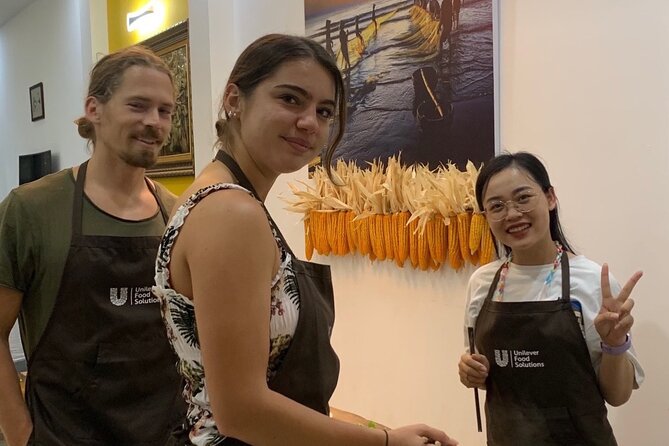
After cooking, you sit down to enjoy the dishes you prepared. This is one of those parts that sounds basic, but it changes how you feel about the class. You do not rush off when it gets messy. You taste results while the technique is still fresh in your mind.
Then you go home with recipes. This is one of the most praised parts. People specifically mentioned that the ingredients are carefully chosen to be accessible and that the recipe steps feel reproducible, including for cooks who are not experienced.
If you’re trying to get value out of this trip, take-home recipes are the multiplier. You are not paying only for a meal. You are paying for the chance to bring Da Nang into your kitchen later.
Vegetarian and vegan options you should request early
The class states that vegetarian or vegan menus are available upon request. That’s great if you eat this way, but it also means you should plan ahead.
Because the menu can shift based on local ingredient availability, your best move is to request your preference when booking and confirm what dishes will be swapped. This reduces the risk of arriving and finding out that your class is running the standard beef-focused menu that day.
Where this class fits in your Danang itinerary
This class is ideal if you want something structured and cultural without needing museum energy. It is also good for:
- couples who want a shared activity
- families looking for a hands-on, low-stress evening
- solo travelers who want an easy way to talk to a host and other participants
It is less ideal if you hate being hands-on in the kitchen. This is not a watch-from-your-seat style. You will chop, roll, and fry. If you want a purely tasting-focused experience, you might prefer something else.
Weather can also play a role. The experience notes good weather requirements. If conditions are poor, it may be rescheduled or refunded, so keep a little flexibility in your evening plans.
Quick practical details so you’re not scrambling
- Group size: up to 10 travelers
- Duration: about 2 hours 30 minutes
- Meeting point: 279 Đ. Mai Đăng Chơn, Hoà Hải, Ngũ Hành Sơn, Đà Nẵng
- Transportation: listed as near public transportation
- Ticket: you receive a mobile ticket
- Drinks included: welcome drinks plus unlimited passion juice
- Not included: beer and soft drinks (other than what is included as part of the class)
If you’re used to tours that start and end at a hotel pickup point, this one is more like you go directly to the chef’s kitchen area and return there afterward.
Who should book this, and who should think twice
Book this class if you want a night that turns into a skill. You’ll like it if:
- you enjoy learning by doing
- you want recipes you can repeat later
- you care about central Vietnamese flavor, especially fish sauce and tropical fruit balance
Think twice if:
- you have very strict dietary needs and didn’t request the vegetarian or vegan option
- you want a free-form, wander-and-snack evening instead of a structured cooking session
- your schedule is so tight that a fixed start time (10:00, 15:00, or 18:00) would be risky
Also, because the class is designed around making and eating two dishes, it’s not the best choice as a rushed stop between long plans. Give yourself time to arrive calmly, cook without panic, then enjoy the meal.
Should you book Happy Cooking Class in Danang?
Yes, I think it is a smart booking for most people who want real value from Da Nang beyond dinner. The best argument is practical: you get hands-on technique, you eat what you make, and you leave with recipes that are designed to be repeatable. Pair that with a small group and a patient host vibe, and it becomes the kind of experience that pays you back later when you cook again.
If you’re on the fence, decide based on two questions. Do you want to learn, not just taste? And can you commit to one of the fixed time slots? If the answers are yes, this class is exactly the kind of evening that turns a trip memory into a lasting recipe.
FAQ
What time slots are offered for the Happy Cooking Class in Da Nang?
The class offers three time slots during the day: 10:00, 15:00, and 18:00. The activity also shows a start time of 6:30 pm, so confirm your exact time in your booking confirmation.
How long is the cooking class?
It runs for approximately 2 hours 30 minutes.
How many people are in the class?
The class has a maximum of 10 travelers.
Where is the meeting point?
You meet at 279 Đ. Mai Đăng Chơn, Hoà Hải, Ngũ Hành Sơn, Đà Nẵng 550000, Vietnam.
What dishes are included in the class?
The listed menu includes Special Đà Nẵng Spring Roll, Mango or Papaya Salad with beef (including making fish sauce), and unlimited passion juice. The menu may change slightly depending on ingredient availability.
Is a vegetarian or vegan menu available?
Yes. Vegetarian or vegan options are available upon request.
What drinks are included?
You get welcome drinks and unlimited passion juice. Beer and soft drinks are not included.
What is the cancellation policy and what if weather is bad?
You can cancel for a full refund up to 24 hours in advance. The experience requires good weather, and if it is canceled due to poor weather, you are offered a different date or a full refund.
More Workshops & Classes in Da Nang
More Cooking Classes in Da Nang
More Tour Reviews in Da Nang





Not for you? Here's more nearby things to do in Da Nang we have reviewed











Cooking Classes, compared.
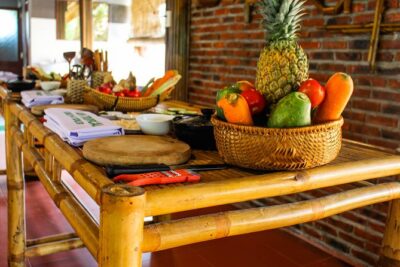 ★ 5.0Cooking Class Hoi An:Local Market, Basket Boat, Fishing & CookingFrom $283,660 reviews
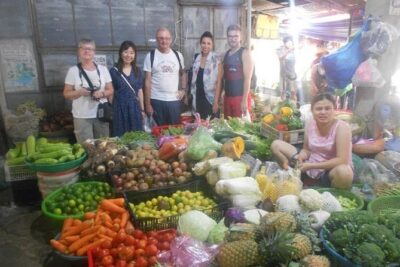 ★ 5.0Hoi An Cooking Class(Market,BasketBoat Crabfishing&Cooking Class)From $283,386 reviews
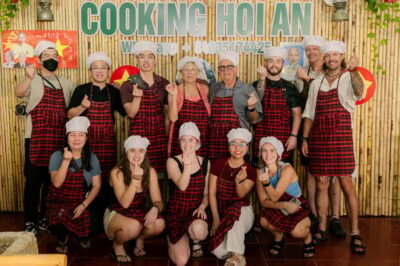 ★ 4.8Market Tour, Basket Boat Ride and Cooking ClassFrom $172,208 reviews
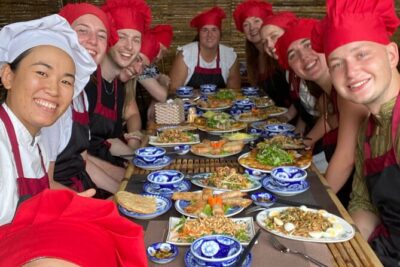 ★ 5.0Hoi An Cooking Class(Local market,Basket Boat,Fishing & Cooking)From $281,323 reviews
 ★ 4.9Basket Boat Ride, Cooking Class by HangcoconutFrom $19802 reviews
 ★ 5.0Hoi An Eco Tour Cooking Class & Fishing (Local market,basket boat,learn cooking)From $29567 reviews
 ★ 5.05 Dishes Cooking Class with Market Trip in Da NangFrom $39466 reviews
 ★ 5.0Bay Mau Eco Cooking TourFrom $35409 reviews
Browse the lists this tour appears in