
REVIEW · WORKSHOPS
Da Nang: Tandoori Naan Bread-Making Class
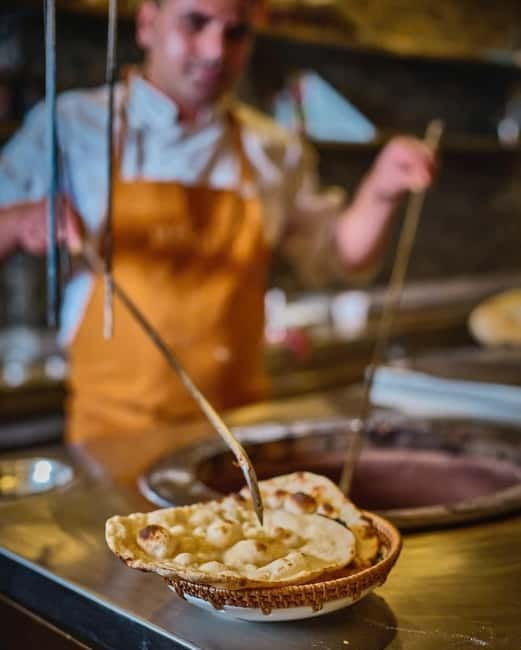
Naan from scratch in Da Nang sounds impossible. This hands-on class makes tandoori naan with a real tandoor feel, and you can actually taste what you make. I love the practical, step-by-step approach, kneading dough and then slapping it onto the hot surface. I also love the clear tips for making great naan without a tandoor at home. The one drawback to plan around, it is not suitable for kids under 7.
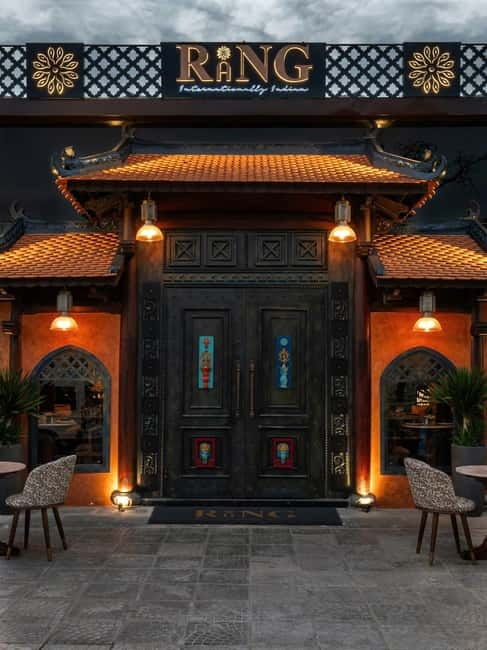
You meet at RANG Danang, an internationally Indian restaurant that earned the MICHELIN Bib Gourmand in 2024 and 2025, which usually signals food quality and value. The class runs as a small group, limited to 8 participants, with an instructor who can work in English, Vietnamese, and Hindi.
Key highlights you will feel right away
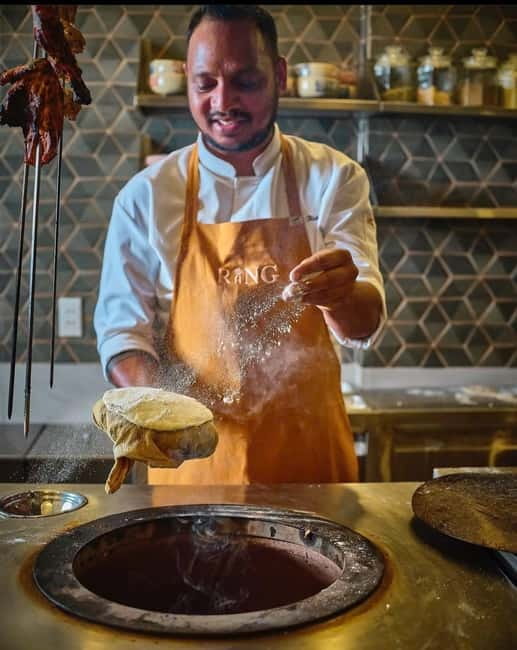
- Hands-on naan making, dough to bake: You do the kneading, seasoning, and shaping, not just watch.
- Real heat moment: You get the thrill of putting naan onto a tandoor or using an oven alternative for home.
- Beginners welcome: No prior experience needed, with chef guidance throughout.
- Restaurant-quality tips for later: You learn how to recreate the results even without a tandoor.
- Tasting with signature dips: Fresh naan straight from the heat, paired with dips you can copy at home.
- Small-group attention: Up to 8 people means you can actually ask questions and get feedback.
RANG Danang and the MICHELIN-style value behind the class
This class is set up like you are joining the restaurant kitchen workflow, not going to a separate, staged classroom. You start at RANG Danang, an internationally Indian restaurant in Da Nang that earned the MICHELIN Bib Gourmand in 2024 and 2025. That matters, because it hints the kitchen knows what it is doing, even when the focus shifts to teaching.
What I like about that is simple: when you learn naan in a place with proven quality, your results tend to match the photos. And because the price is only $2.60 per person, you are not taking a huge gamble. You are buying a fun skill, plus a freshly baked bread moment you cannot really fake later.
The class is small, capped at 8 participants. That changes the vibe. You are not competing for attention. You get to ask questions at the exact moment you need them, like when your dough feels too sticky or when you are wondering how long to bake.
More Hoi An lantern evenings, food walks, village rides, island trips, and central Vietnam day tours to compare


The real learning goal: how naan gets its texture and flavor
Before you start cooking with your hands, you get the story behind naan and why it tastes the way it does. The class covers naan as an iconic Indian bread that is soft, fluffy, and built to pair with curry. You also hear how different regions shaped naan, from Punjab’s hearty meal culture to Delhi’s more royal-feast traditions.
That history part might sound like an extra, but it is useful. It explains why certain methods matter. Naan is not just bread, it is bread engineered for a specific eating style: pull, scoop, dip, repeat. Once you understand that, the rest of the class clicks faster.
You also learn that naan shows up in multiple styles. You get introduced to classic plain naan, plus ideas like garlic and butter, and stuffed options such as paneer or keema. Even if you only make a couple varieties during the class, you leave with a framework for expanding at home.
From dough to naan: what you actually do in the kitchen
This is a hands-on class, so the work happens in a real kitchen setting. You knead the dough, season it with authentic spices, and then shape it for baking. If you have never kneaded dough before, good. The class is built for beginners, with expert chef guidance so you do not feel lost.
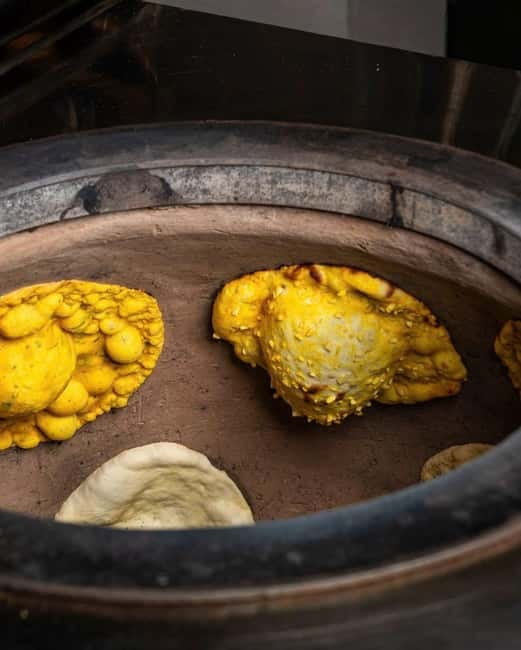
The big “I cannot believe I’m doing this” moment is the baking action. You learn the technique of placing naan onto a tandoor surface, or you practice an oven alternative for home cooking. Several people love this part because it is physical and immediate. Your dough becomes bread in a way you can understand, not just a recipe you copy.
You will likely make more than one type during the session, because the class aims to show variety, not just a single loaf. The key is that you get to compare results. Freshly baked naan tastes different from what you buy in a shop, and you can actually notice it while you eat.
One practical bonus: the class also focuses on what to do when you do not have the same equipment at home. A highlight from the experience is that you learn tips for baking naan without a tandoori oven, so your kitchen reality matches your new skill.
The staff factor: clean kitchen energy and friendly teaching
RANG Danang does not treat this like a rushed “tourist cooking” checkbox. People consistently describe the kitchen as clean and professional, with the class happening while other chefs work on food for restaurant customers. That means you get a real sense of how an Indian restaurant kitchen functions, not a pretend set.
The teaching team comes through in the reviews with specific names. Chef Manku is mentioned as a standout, and server Amit also gets credit for being welcoming. I like when a class has that human layer, because it makes you comfortable asking questions when something goes wrong with your dough.
Also, the tone is not pushy. You can eat and learn at your pace, and if you want to pair the naan with a curry from the restaurant, it is easy to do without pressure.
What your naan tasting is really teaching you
After you bake, you taste. That sounds obvious, but tasting is where most cooking classes either help you learn or fail to teach. Here, the tasting is paired with signature dips, which gives you two things to pay attention to.
First, you learn the bread’s flavor and texture at its best: warm, fresh, and just cooked. Several people love that the naan comes straight from a charcoal-style tandoor, meaning you get that restaurant-style outcome rather than “it was good, I guess.”
Second, you train your instincts for pairing. Naan is designed for dipping and scooping, so the dips show you how to use the bread, not just how to eat it. This is where you start thinking like a cook, not like a student.
If you also order lunch at the restaurant, it is a natural pairing. One review mentions having lamb curry alongside their own naan after the class. The restaurant setup makes that easy, and it is a great way to turn a single bread lesson into a whole Indian meal experience.






Plain, garlic, butter, and stuffed ideas you can replicate later
A good naan class does not just hand you a recipe. It gives you options. Here, you learn about classic plain naan, and the broader range of styles you see across Indian cuisine. That includes garlic and butter style ideas, plus stuffed variations like paneer or keema.
Even if your exact set of breads depends on the class day, you still come away with a shopping list of possibilities. You start to understand how toppings and fillings change the dough handling and bake behavior. For example, a stuffed naan typically needs more careful sealing, while garlic-butter style naan tends to focus more on seasoning and timing.
What I find most useful is that the class connects technique to outcome. You are not memorizing random steps. You are learning why the bread ends up soft on the inside and blistered or browned in the right spots.
Tips for making naan at home without a tandoor
The home-cooking value is one of the strongest reasons to book this. You do not just learn the “perfect world” method. You also learn how to recreate restaurant-style results without a tandoor.
That means you get practical guidance for the oven alternative. I especially appreciate this because a tandoor is not a normal home appliance. So the class gives you something you can actually use next week.
When you leave, you should be able to do three things confidently:
- Prepare and season dough in a way that matches naan behavior
- Shape naan so it bakes evenly instead of collapsing
- Use oven baking techniques so you still get that naan-like softness and heat response
A review specifically called out how helpful those tips were for baking naan without a tandoori oven. That lines up with what you should be aiming for from the start, a skill that travels with you, not something you forget the minute you get home.
Price and value: $2.60 for a skill plus a meal moment
Let’s talk value, because $2.60 per person is unusually low for a hands-on cooking class with expert guidance and freshly baked tasting.
At this price point, you are not paying for luxury. You are paying for instruction, ingredients, and the chance to work in a real kitchen environment with a real bread result. In other words, you are buying an experience that upgrades your cooking ability without upgrading your budget.
The MICHELIN Bib Gourmand connection is also part of the value story. It suggests the restaurant’s food standards are credible. You can feel that in how the class experience is structured around bread quality and how the tasting is treated as part of the main event, not a side snack.
If you like food classes that end with something you can show off, this one fits. If you only want a quick bite and zero cooking, it might feel like more effort than you want. But if you are even mildly curious about Indian bread, the price makes it easy to say yes.
Timing, group size, and what to wear
The class is listed as a 1 day activity, with start times depending on availability. It is also designed as a small group limited to 8 participants, which helps you get coaching when your dough needs adjustments.
You should plan for a hands-on kitchen feel. Dough work can get messy, even when staff tries to keep things tidy. Wear something comfortable that you can handle in a cooking environment. And bring an open mind, because part of the fun is learning by doing.
If you are traveling solo or with a small group, this is a good fit. The class structure supports interaction without turning into a loud show. If you are with kids, the age restriction matters. It is not suitable for children under 7.
Who should book this Da Nang naan-making class
This class is a great match if you want:
- A beginner-friendly cooking activity with real instruction
- A hands-on food lesson that ends in fresh tasting
- Practical take-home tips, especially for baking without a tandoor
- An easy add-on to an Indian meal at RANG Danang
It is also a smart choice if you enjoy regional food stories. The class includes explanations of naan’s regional significance, from Punjab to Delhi, so you get food context along with technique.
I would skip it if you do not want to work with dough at all, or if you are traveling with a child under 7. Also, keep in mind the rules: alcohol and drugs are not allowed.
Should you book this tour or not?
I think you should book if you want a small, skill-building cooking class with a real kitchen setting and a bread you can taste right away. The mix of hands-on making, chef guidance, and then tips for baking naan at home without a tandoor makes it more useful than many “fun cooking” activities.
It is not the best choice if you are only interested in watching, or if your group includes a child under 7. If that is your situation, look for a different food experience.
If you are on the fence, remember this: for $2.60, you are paying for technique plus immediate results, and you are learning something you can repeat at home. That is the kind of value that usually earns a second try, not just a photo.
FAQ
Where is the meeting point for the Da Nang tandoori naan class?
The class meets at RANG, an internationally Indian restaurant in Da Nang, Vietnam.
What is the price and duration of the experience?
The price is $2.60 per person, and the class lasts 1 day.
Do I need any prior cooking experience to join?
No prior experience is needed. The class is described as interactive and beginner-friendly.
How many people are in a class?
It is a small group limited to 8 participants.
What languages will the instructor speak?
The instructor works in English, Vietnamese, and Hindi.
What will I make and eat during the class?
You will make Tandoori Naan in a hands-on class, then taste your freshly baked naan. The included meal includes signature dips.
Is this class suitable for children?
It is not suitable for children under 7 years old.
Can I cancel or book with flexible payment?
Yes. You can cancel up to 24 hours in advance for a full refund, and you can reserve now and pay later, paying nothing today.
Is alcohol allowed during the activity?
No. Alcohol and drugs are not allowed.
More Workshops & Classes in Da Nang



More Tour Reviews in Da Nang
Not for you? Here's more nearby things to do in Da Nang we have reviewed












Workshops, compared.
 ★ 4.9Vietnamese Coffee Culture and Coffee Making ClassFrom $144,006 reviews
 ★ 4.9Vietnamese Foldable Lantern Making ClassFrom $103,742 reviews
 ★ 5.0Cooking Class Hoi An:Local Market, Basket Boat, Fishing & CookingFrom $283,660 reviews
 ★ 5.0Hoi An Cooking Class(Market,BasketBoat Crabfishing&Cooking Class)From $283,386 reviews
 ★ 4.8Market Tour, Basket Boat Ride and Cooking ClassFrom $172,208 reviews
 ★ 5.0Hoi An Full Lantern Making Class- A special Foldable lanternFrom $152,007 reviews
 ★ 5.0Hoi An Cooking Class(Local market,Basket Boat,Fishing & Cooking)From $281,323 reviews
 ★ 4.9Basket Boat Ride, Cooking Class by HangcoconutFrom $19802 reviews
Browse the lists this tour appears in