REVIEW · PRIVATE
HOI AN Hidden Gems in Rural Villages & River Islands PRIVATE TOUR
Hoi An gets lots of attention for its Old Town streets, but the real payoff here is getting out into the Thu Bon River islands and villages. This private tour mixes quick craft visits with genuine family-run workshops, plus a calm basket boat ride in the coconut forest.
I really like the way the day feels personal. You start with hotel pickup, then you move stop to stop with an English-speaking guide and driver, with time built in for coffee, washrooms, and a riverside lunch option.
One thing to consider: the schedule is intentionally packed. A few stops are short (around 15 to 25 minutes), so if you want long, slow conversations at each household, you’ll need to ask your guide to linger where you care most.
Key highlights I’d plan around

- Private, small and flexible route, with pickup and drop-off in the Hoi An area
- Hands-on feel at several home-style craft stops, like rice paper, incense, and woven mats
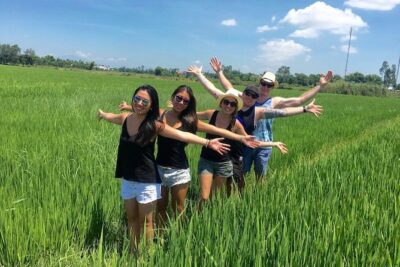
- Basket boat in the coconut forest at Cam Thanh, a slower rhythm than most tours
- Panoramic water views from bridges near the Thu Bon river mouth
- Coffee stop plus optional Vietnamese meal at the end, so you’re not hungry by the final stretch
Getting past Hoi An Old Town, one river bend at a time

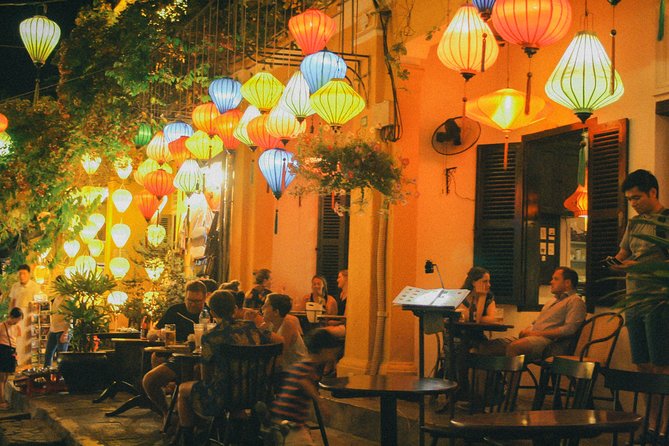
If your plan is mostly Old Town shopping and lantern streets, this tour is the natural counterweight. You spend your time where daily life still revolves around the river, fields, and family workshops. That shift is the point, because it turns Hoi An into something you can actually picture in your head.
The geography helps too. You’ll cross parts of the Thu Bon River, then work your way through islands and villages like Cam Kim, Kim Bong, Tra Nhieu, Duy Vinh, Duy Hai, Cam Thanh, and Tra Que. Even if you love the town, you’ll come away with a better sense of how people live outside the tourist core.
This tour also keeps your logistics simple. Pickup is offered from hotels around Hoi An (within the stated radius), and the format avoids long, uncertain rides where you wonder if you’re headed the right way.
You can also read our reviews of more private tours in Hoi An
Price and what you actually get for it ($65, half-day value)

At $65 per person for a 4 to 5 hour private experience, you’re paying for three things: transportation, a local guide, and multiple included visits. Entrance fees and tickets connected to the stops are listed as included, and local donations at homes are included too, so you avoid the annoying moment where the tour quietly starts adding extras.
Coffee and bottled water are included, plus washrooms are planned in the route. That sounds small until you’re out in the countryside with a tight schedule, then you’ll appreciate not having to find a shop you can trust.
The other value lever is food. Lunch (or dinner) is optional, but if you choose it, you’re getting a proper riverside meal at the end rather than trying to piece together something quick back in town.
Your ride choice: US-style jeep energy vs. easier comfort
One of the fun parts is how the transport changes the vibe. This tour lists US military jeep, USSR army jeep, or a modern car-van, and that matters more than you might think.
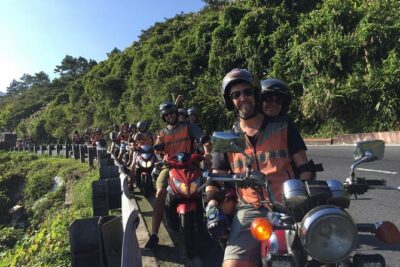
If you pick an army jeep, you’ll likely feel the day more like a story. Reviews specifically mention the US jeep as a highlight, and people talk about the sensation of driving through villages and rice fields in that older military look. It’s also great for photos, especially when you’re passing fish farms and paddies near the river mouth.
If you’re more focused on comfort, the modern car-van option keeps things calmer, which is helpful if it’s raining, muddy, or you just want smoother driving while still seeing the countryside.
Either way, the day is designed as a short loop. You’re not spending hours on the road with no destination, which is the main reason this feels like a smart half-day plan.
Cam Kim Island: rice paper and snack culture in a real island setting

Cam Kim Island is your first shift from city pace to river pace. You’ll cross the Thu Bon River to reach the island area, and one of the first stops focuses on rice paper and local snacks. This is the kind of workshop that shows how everyday ingredients become durable foods and giftable treats.
The value here is not just watching production. It’s that these are traditions practiced as a livelihood, not a stage show for visitors. You’ll meet a couple who are masters of the tradition, and that face-to-face component is what makes the experience stick.
Expect this stop to be fairly time-efficient, around 20 minutes. That’s perfect if you want a taste of how it’s made without turning your afternoon into a long factory tour.
Kim Bong village incense-making: seeing small craft with big meaning

Right after rice paper, you head to an incense-making family in the Kim Bong village area. This is a different craft skill, but it’s the same idea: you’re learning how particular homes keep traditional work going.
The incense stop is listed as part of the tour with admission included and a short time block (about 15 minutes). That brief format works because it keeps the craft session tight and you still have time for the rest of the day’s variety.
I like incense stops on tours like this because you notice details quickly, even with limited time. You start paying attention to scent, texture, the rhythm of making, and the way people explain their routine. And if your guide is someone like Trang or Kha, the explanation quality is often a major reason people rate the tour so highly.
Tra Nhieu fishing village and mat-weaving families: craft as everyday survival

Next comes Tra Nhieu Fishing Village, with a focus on mat weaving. The tour brings you into a traditional home of a family who have been mastering straw mat-making for generations. It’s one of those activities that makes you think, OK, this is not souvenir crafting, this is functional material work.
The time window is short, about 15 minutes. But those minutes usually include a sit-down moment and a chance to understand their process. Reviews also highlight the chance to try making steps, even if it’s not perfect. That’s the right mindset here. You’re not going to master weaving in 10 minutes, but you can get the feel for how the skill is built.
This stop also helps connect the dots between river life and countryside life. Fishing villages rely on water access, while weaving connects to daily use of plant materials, storage, and household needs.
Duy Vinh coffee house: a break with Vietnamese coffee culture

After the craft intensity, the day gives you a planned pause at a coffee house in Duy Vinh. You get a refresh break, plus included coffee, and you can use the washroom before continuing.
This is a practical stop and a cultural one. Coffee in Vietnam has its own method and flavor profile, and this break is timed so you can recover before the next series of outdoor viewpoints and boat time.
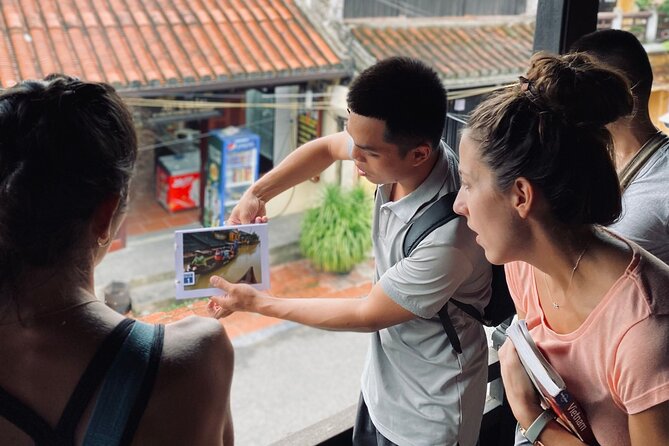
It’s also a good moment to ask your guide questions while you’re not rushing. People often mention strong English and clear explanations from guides like Kha, Trang, and others, and this kind of break makes those conversations easier.
Duy Hai bridge views: fish farms, shrimp farms, paddies, and big nets

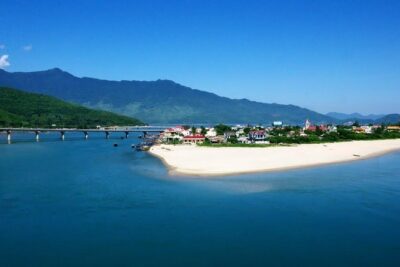
Then you’re heading to Duy Hai, with a scenic drive over high bridges. The payoff is panoramic views of fish farms, shrimp farms, rice paddies, and the large fishing nets at the Thu Bon river mouth.
This stop is around 20 minutes and doesn’t require you to climb or walk much. It’s ideal if you have limited mobility. Even so, keep your camera ready, because the views can look almost unreal when you’re watching water-based work happening at scale.
If you’re the type who likes to photograph textures and patterns, this is your moment. You’ll see geometry in nets and the repeating grids of farming activity, plus the softer look of paddies nearby.
Cam Thanh water coconut forest: basket boat under shade
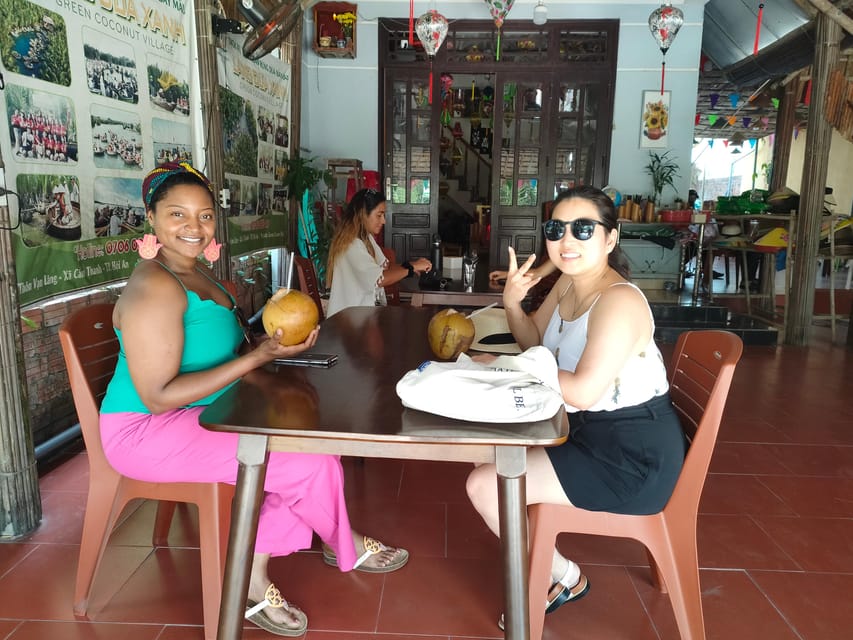
Cam Thanh is the part many people remember longest. You visit the Cam Thanh fishing village in the water coconut forest, then get into a round basket boat. A local fisherman takes you for a relaxing ride under the coconut shade.
This stop is listed at about 25 minutes, and it’s one of the most relaxing parts of the tour. It shifts from village workshop energy to a gentle, watery rhythm where the scenery does the talking.
The tour description also notes the use of a fishing rod to catch something small while you’re out on the water. In reviews, people mention catching little crabs as part of the fun. Either way, the point is hands-on interaction with the fishing culture, but in a low-stress setting.
If it’s hot, this is a great place to reset. If it’s rainy, you’ll still likely be glad the day has something that feels calm and different from driving.
Tra Que vegetable village and the herbs you can smell
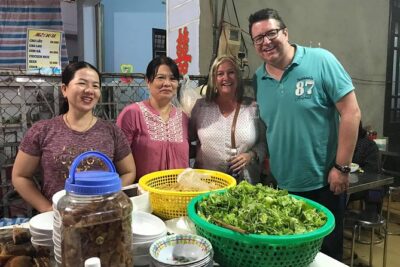
Before lunch, you stop at Tra Que Vegetable Village, known for growing different vegetables in family gardens. The tour includes a look at how vegetables are grown and the chance to smell herbs, take pictures, and learn about traditional farming methods.
This is a short visit, around 15 minutes, but it’s a nice contrast to the craft stops. You go from working with materials like rice and straw into working with living plants and soil routines.
I also like that this part helps you understand what ends up on Vietnamese plates. If you choose the meal option later, this stop makes the food feel less random.
And if you’re with kids, Tra Que often lands well because gardens are visual, smell-driven, and easy to explore even with a short timeline.
Finish with lunch or dinner by the river, then back to your hotel
Your last hour centers on food in Hoi An, with an option for Vietnamese lunch or dinner at a riverside restaurant. The included details emphasize that the meal is a meaningful finish, and the tour also offers an option without the meal if you prefer.
If you pick the meal option, plan to linger a bit. This tour is busy, but the way it ends gives you time to sit down, refuel, and digest what you just saw.
Riverside dining makes the storytelling land. You’re not ending with a random snack, you’re ending with the kind of meal that connects to the ingredients and village work you just learned about.
Who this tour is best for (and who should choose another style)
This private tour works especially well if you want a real countryside view without losing half a day to transit chaos. It’s a good fit for couples, solo travelers, and families, including people traveling with kids, because the day mixes quick activities with breaks.
It also makes sense if you care about cultural context. Guides in this format, including people like Trang and Kha in reviews, tend to explain what you’re seeing in everyday terms, not just memorized facts.
If you’re very slow-paced or you need lots of long rests, consider that several stops are intentionally short. You can still enjoy the day, but you’ll want a guide who adapts to you, and you should mention your needs when you book.
Also, bring the basics for a countryside day: sunscreen, a hat, and rain protection if weather looks questionable. The tour runs only in good weather conditions, so if rain is heavy, you might get a change in plans.
Should you book this Hoi An rural villages and river islands tour?
Yes, you should book if your priority is the countryside version of Hoi An. You’ll get a focused private route, included craft and village visits, a coconut-forest boat ride, and the option of a riverside Vietnamese meal at the end. For the money, the value is strong because admissions and local donations are built in, not tacked on at the last second.
Skip or consider a different tour style if you want long stays at only one or two places. This is a variety-and-momentum day. It’s designed to give you lots of “what life looks like out here” in a half-day window.
If you’re choosing between options, think about what you’ll remember in a month. For me, it’s usually the basket boat and the craft moments with real families, not the extra time spent watching someone else do the same photo pose. This tour is built for that kind of memory.
FAQ
How long is the private tour?
It runs about 4 to 5 hours.
Do I get picked up from my hotel?
Pickup and drop-off are offered for hotels in and around the Hoi An area within 8 km (about 5 miles) of Hoi An old town.
Is lunch included?
You can include a Vietnamese lunch (or dinner option is mentioned). There is also an option without the meal, with different price and duration options.
What transportation options are available?
The tour lists US military jeep, USSR army jeep, and a modern car-van.
What is included besides transport and the guide?
English-speaking local guide and driver, coffee, bottled water, clean washrooms, and tickets and entrance fees tied to the stops are included.
What parts of the day involve craft or village activities?
You visit local families for experiences such as rice paper production, incense-making, and mat weaving, plus a vegetable village visit.
Will I be on the water?
Yes. You visit Cam Thanh fishing village and take a round basket boat ride in the water coconut forest.
Where does the tour start and end?
It starts at Local Buddy Tours office at 134B Nguyễn Khoa, Cẩm Nam, Hội An. The activity ends back at the meeting point.
More Private Tours in Hoi An
More Tours in Hoi An
More Tour Reviews in Hoi An
Not for you? Here's more nearby things to do in Hoi An we have reviewed
Private, compared.
★ 5.0Easy Rider private tour via Hai Van pass from Hue – Da Nang – Hoi An (1Way|Loop)From $551,542 reviews
★ 5.0Hai Van Pass Motorbike Private Tour with Mister T Easy RiderFrom $58742 reviews
★ 5.0Ba Na Hills with Golden Bridge Private TourFrom $75708 reviews
Marble Mountain, Monkey Mountain Peak, Lady Buddha PRIVATE TOURFrom $75518 reviews
Da Nang International Airport PRIVATE Transfer To Da Nang/Hoi AnFrom $5392 reviews
★ 5.0Hue: Private Car to Hoi An via Fabulous StopsFrom $26371 reviews
★ 5.0Private guided Sunworld Ba Na Hills & Golden Hands BridgeFrom $100264 reviews
★ 5.0DaNang Night Foodie Tour-Sighseeing with Aodai Lady Rider PrivateFrom $39255 reviews