Vietnamese Cooking Class in Historical Hoi An Restaurant

REVIEW · COOKING CLASSES

Vietnamese Cooking Class in Historical Hoi An Restaurant

5.0 · 58 reviews From $33 Operated by Green Mango · Bookable on Viator
Book on Viator →

Cooking class in Hoi An is a hands-on history lesson. I like the 180-year-old heritage-listed building setting and the fact you leave with a digital recipe book you can actually use at home. One thing to consider: the class can feel more like a sprint than a slow lecture, so if you want lots of extended explanations, you may need to ask follow-up questions.

I also like how the chefs focus on the why behind Vietnamese flavors, not just the steps. You are learning traditional dishes with a modern, creative approach from Head Chef Hai Nguyen, and you get to choose your direction with five different five-course menu themes. With only your group (private), it is easier to get personal attention, even when the pace is quick.

If you want the most “Hoi An day” possible, add the optional local market visit. But even without it, you still cook, then sit down and eat what you made, in a proper meal setting rather than a quick tasting. For most people, that combo makes the 3 hours feel like real value.

Key highlights before you book

  • Heritage-listed 180-year-old cooking school in the ancient town
  • Head Chef Hai Nguyen’s modern take on traditional Vietnamese cooking
  • Pick from five five-course menu themes like The Essentials and Street Eats
  • Optional local market visit for ingredient context and shopping know-how
  • Digital recipe book emailed after class, built for cooking later
  • Dinner included, so you eat your own food at the end

Inside the 3-hour experience at a heritage-listed cooking school

Vietnamese Cooking Class in Historical Hoi An Restaurant - Inside the 3-hour experience at a heritage-listed cooking school
This is a Vietnamese cooking class built around real meals and real kitchen skills, held in a heritage-listed building in the heart of Hoi An’s old town. The setting matters. When you cook in a historic space, it is easier to treat the class like more than entertainment, like you are stepping into how food culture gets passed down.

The class runs about 3 hours. That timing is short enough to fit into a travel schedule, but long enough to cook through a full course sequence and then sit down for dinner. If you are planning other old-town stops that afternoon or evening, I recommend leaving some breathing room, because once you get cooking, you will want the full time.

Your group stays together. This is described as private, meaning only your group participates. That changes the feel: you can ask questions, and you are less likely to get stuck waiting your turn if you want to slow down or repeat a step.

You can also read our reviews of more historical tours in Hoi An

Where you meet and how the day starts

You meet at Green Mango Restaurant, 54 Nguyễn Thái Học, Phường, Hội An, Quảng Nam 563800, Vietnam. It ends back at the same meeting point, which keeps things simple for planning.

Even if you know Hoi An well, arrive a bit early. Old town lanes can make even a quick walk feel longer than you expect, and you will want to get settled before the cooking gets underway. If you are using your phone for the mobile ticket, have it ready. Nothing kills momentum like fumbling when the class is ready to start.

Chef Hai Nguyen’s modern approach to Vietnamese tradition

Vietnamese Cooking Class in Historical Hoi An Restaurant - Chef Hai Nguyen’s modern approach to Vietnamese tradition
This school has been operating since 2004, with locations in Cat Ba, Hanoi, and Hoi An. The Hoi An kitchen is led by Head Chef Hai Nguyen, who is described as renowned across Vietnam for a creative, modern approach to traditional dishes.

What I like about that style is the balance it can create for you. You are not stuck copying something exactly the way it was done generations ago, but you are also not learning “Vietnam-inspired” gimmicks that fall apart at home. The goal is traditional recipes with practical tips and techniques, the kinds of tweaks that help when you have different ingredients, different pans, and a different stove.

You also learn about essential ingredients and why they matter in Vietnamese cuisine. That is a big deal. If you understand the role of something like herbs, aromatics, or a key sauce base, you can cook the dish again later even if your pantry is not identical. Most cooking classes teach the “what.” This one tries to teach the “why.”

Choosing your five-course menu theme: Essentials, Street Eats, and more

Vietnamese Cooking Class in Historical Hoi An Restaurant - Choosing your five-course menu theme: Essentials, Street Eats, and more
You get to pick from five different five-course menus, each tied to an aspect of Vietnamese cuisine and culture. The default is The Essentials, which is a smart choice if you want the strongest foundation.

Here is how I would choose among the themes, based on the menu titles and what they signal:

  • The Essentials: best if you want a grounding in core ingredients and classic flavors, the kind of menu you can build on later.
  • Balancing Act: a good fit if you like the idea of Vietnamese cooking as harmony, balancing salty, sweet, sour, and herb-forward notes.
  • Street Eats: for people who want the energy of street food flavors, likely more punchy and bold in feel.
  • Hanoi Streets: if you like northern Vietnamese character, think of this as your northern-flavor leaning option.
  • Veggie Eats: the plant-forward route, ideal if you want a vegetarian or vegetable-focused menu without feeling like you are missing the point.

One practical note: you are asked to tell the provider your menu choice when booking, and the class defaults to The Essentials if you do not pick. That means you should decide ahead of time so the kitchen team can plan your course flow.

Also, the menu structure is five courses. Even though you only have about 3 hours, that course plan is part of why it feels complete. You are not just making one dish and calling it a day.

How the cooking part flows, including the sit-down dinner

Vietnamese Cooking Class in Historical Hoi An Restaurant - How the cooking part flows, including the sit-down dinner
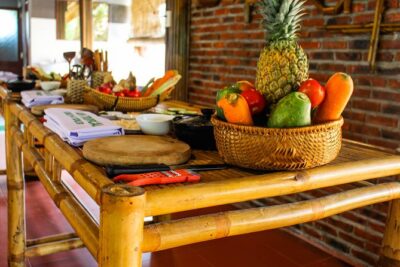
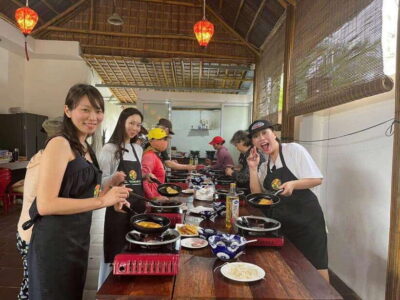
You will cook inside the school, in a kitchen setup where you can follow along, work with the ingredients, and move through the menu courses. The class includes a sit-down meal at the end, where you enjoy what you prepared.

The dinner component changes the value. When classes skip eating, the experience can feel like a demo. Here, you cook, then you actually eat, which helps you understand the final flavor balance and texture. It also gives you a chance to compare what you made with what you learned, because you can notice if something tasted off and ask why.

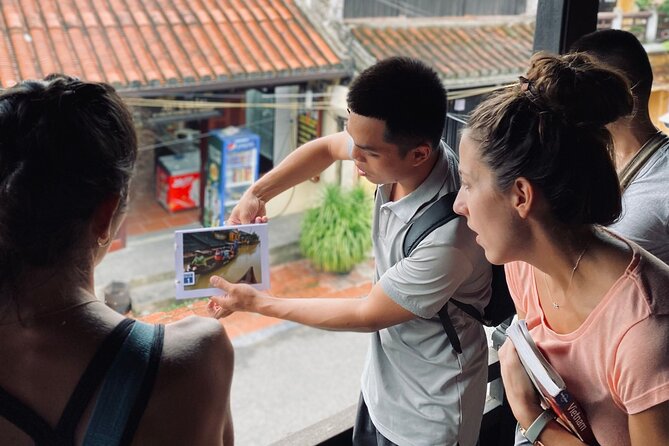
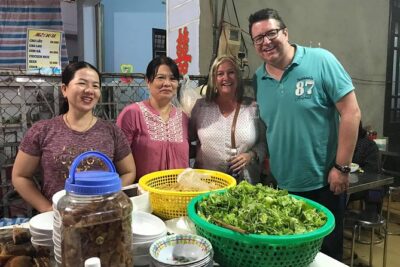
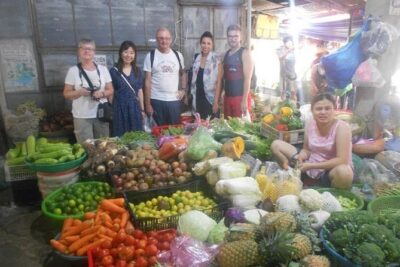
There is also an optional local market add-on. If you choose it, you should expect time spent looking at ingredients and learning why particular items matter in Vietnamese cooking. It is the kind of pre-class context that makes the later steps feel more logical.

Finally, about pace. Some instructors are described as fun and engaging, including chefs named Pinky, Que, and Jam in separate experiences. But one comment also notes it can be very fast paced. If you tend to learn by slowing down and taking notes, I suggest going in with a “watch, cook, then ask” mindset. You will pick up more by participating and then clarifying what you missed, rather than trying to memorize every moment.

The ingredients lesson you will feel at home

Vietnamese cooking can look simple until you try to replicate it. The magic is in how aromatics, herbs, sauces, and balancing flavors work together. This class explicitly focuses on essential ingredients and their importance, plus tips and tricks for your home kitchen.

That matters for you because your home setup is not a Vietnamese restaurant kitchen. You might have a different brand of fish sauce or a different type of rice paper. You might not have the exact herb variety. When you understand the job each ingredient is doing, you can make smarter swaps instead of giving up.

After the class, you get a digital recipe book by email. That is one of the best “later benefits” a cooking class can offer. You can re-check quantities and steps after you return, when the adrenaline wears off and you need actual guidance. It also supports the fast pace point: if you feel like you raced through a step, you can go back and study the process later.

Optional local market visit: when it adds the most value

The local market visit is optional. If you enjoy ingredient browsing and want to learn what to look for, it is worth considering. Markets are not just shopping trips. In a cooking context, they show you what ingredients look like fresh, how they smell, and how Vietnamese cooks build flavor from the start.

If you skip the market, you still get the cooking lesson and the meal. The class can still work well for you if your main goal is to learn technique and eat a great dinner without adding more time.

If you do add the market, I recommend you come with a curiosity mindset. Ask what ingredients are key, what varies seasonally, and what a home cook should prioritize. You can also bring a short list of what you like to taste, so you can connect it to ingredients as you see them in the market.

Dinner and drinks: included food, separate bar

Vietnamese Cooking Class in Historical Hoi An Restaurant - Dinner and drinks: included food, separate bar
Dinner is included, and it is described as a sit-down meal where you enjoy what you prepared. That included meal is a big part of the price value, because you are not just paying for cooking instruction. You are also paying for a full food experience.

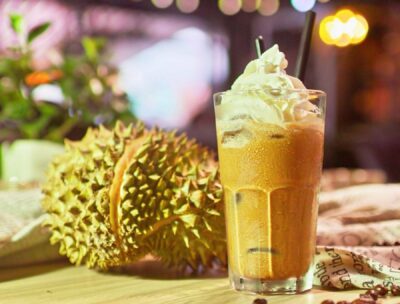
Alcoholic beverages are not included. There is a cocktail bar open, with drinks priced from 40,000 VND to 200,000 VND. If you want a drink with dinner, plan on paying separately, and consider whether you want to keep it light so you can still focus through the cooking steps.

For most people, the best way to enjoy this class is to treat dinner as part of the learning. Sit, taste, and think about what you were taught. That small mental shift is how you turn a fun night out into skills you can reuse.

Private group feel, group discounts, and the $33 value

At $33.00 per person, you are paying for a real multi-course cooking experience, dinner, and an emailed digital recipe book. For a 3-hour class that includes both instruction and the meal, that price starts to look reasonable fast, especially if you compare it to paying for dinner plus a separate activity.

The class also notes group discounts. If you are traveling with friends or family and can book as a group, you may find it stretches further than the per-person number suggests.

You also get a mobile ticket. That sounds minor, but in practice it reduces friction. When you are in a busy old town and walking between spots, anything that avoids printed paperwork helps.

The “private” setup is another quiet value point. When it is only your group, it is easier to ask questions, and you are less likely to get lost in a large crowd. It can be a better match for couples and small groups who want a more personal experience.

Pacing and teaching style: what to do if it feels like a sprint

One review mentions the class feeling very chop chop, and that could be a real consideration for you. It does not mean the class is bad. It means the kitchen flow is optimized, and the instruction may be more action-focused than lecture-focused.

Here is how to handle that pacing and still get the most out of it:

  • Watch the chef’s key steps first, then copy.
  • When you start cooking, ask one question about ingredients or timing, not ten questions at once.
  • Use the digital recipe book afterward to slow the process down in your own kitchen.

If you are the type who learns best by repetition and practice, the fast pace can actually help. You stay active, you get immediate feedback through the tasting, and you move through the menu without losing momentum.

Who should book this Hoi An Vietnamese cooking class

I think this class is a great fit if you want your evening in Hoi An to be more than sightseeing. It is ideal for:

  • Food-first travelers who want to learn technique, not just eat.
  • Couples or small groups who like a private, question-friendly class.
  • People who like structured learning, because it is five courses.
  • Home cooks who care about making Vietnamese flavors again later, supported by a digital recipe book.

It may be less ideal if you want a slow, classroom-style experience with extended explanations and time for long note-taking. If that is you, go in ready to ask targeted questions during cooking, then review the emailed recipes after.

Quick FAQ

FAQ

How long is the Vietnamese cooking class in Hoi An?

It lasts about 3 hours.

How much does it cost?

It is $33.00 per person.

Is dinner included?

Yes. You sit down to enjoy the items you prepared.

Will I receive recipes after the class?

Yes. A digital recipe book is emailed to you after the class.

Can I choose what kind of menu we cook?

Yes. You can choose from five five-course menu themes. The default is The Essentials.

Is a market visit included?

A local market visit is optional as an add-on.

Where do we meet?

You start at Green Mango Restaurant, 54 Nguyễn Thái Học, Phường, Hội An, Quảng Nam 563800, Vietnam.

Is the tour private?

Yes. Only your group participates.

Are drinks included?

Alcoholic beverages are not included. There is a cocktail bar open with drinks priced from 40,000 VND to 200,000 VND.

Should you book this Hoi An cooking class?

If you want a fun, practical Vietnamese cooking experience in the middle of Hoi An’s old town, I think this one is worth booking. You get a heritage-listed setting, a guided cooking experience with five-course structure, and dinner included, plus the digital recipe book so you can repeat it at home.

Book it if you like hands-on learning, you want to cook and then actually eat what you make, and you are excited by the idea of ingredient roles, not just steps. Skip it or consider the pace carefully if you need long explanations before you start cooking. Either way, picking a menu theme that matches your taste, like The Essentials for fundamentals or Street Eats for bolder flavors, will help you get the most out of your night.

More Historical Tours in Hoi An